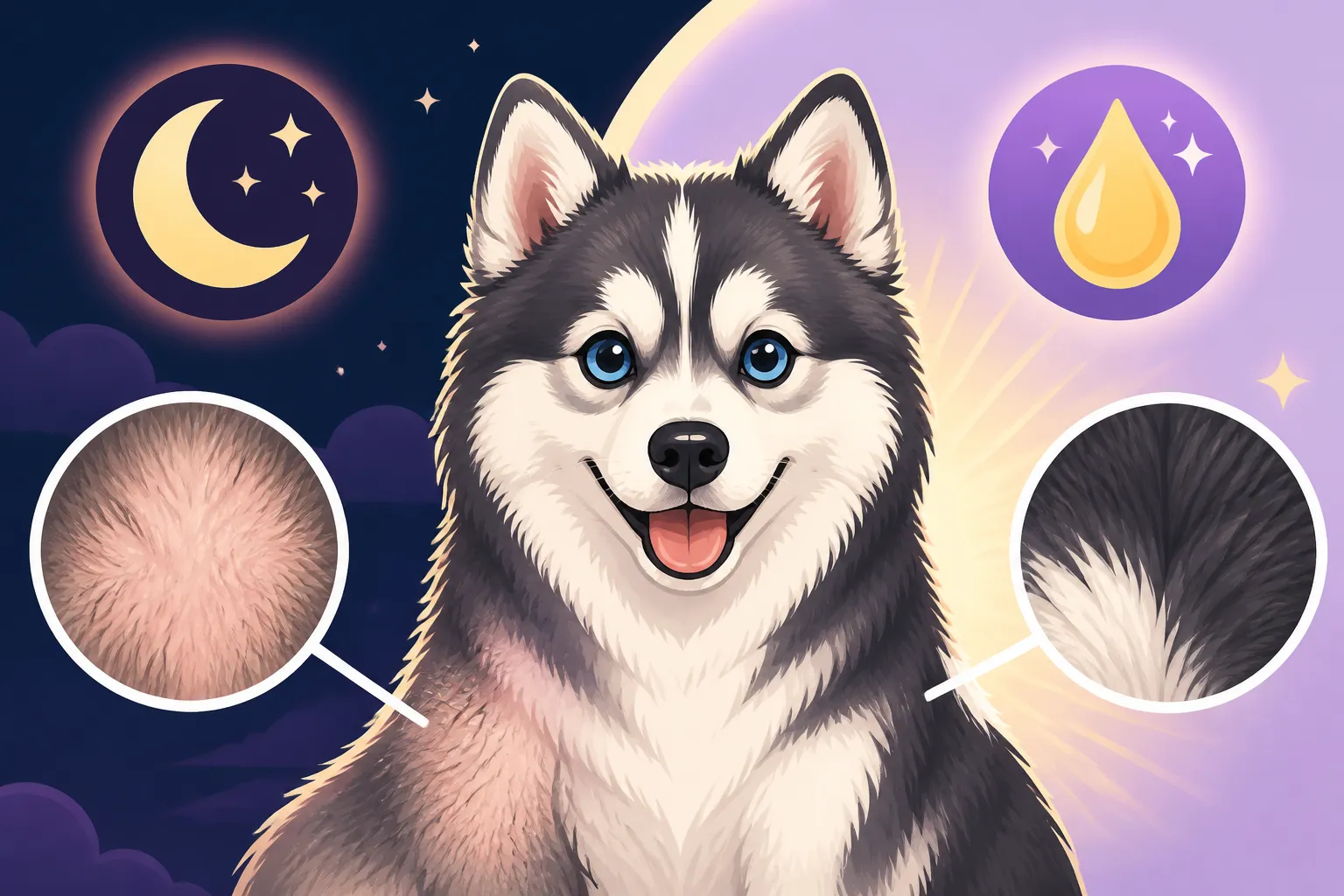
What Melatonin Does for a Pomsky With Alopecia X
Watching your beloved Pomsky lose their beautiful, fluffy coat can be heart-wrenching and incredibly confusing. You’ve probably scoured the internet, felt that knot of worry tighten in your stomach, and wondered if there’s anything that can truly help. When dealing with the frustrating and often mysterious condition known as Alopecia X, many owners find themselves looking for alternative solutions, and melatonin often comes up in conversation. This guide is here to shed some light on what melatonin is, how it's believed to help, and what realistic expectations you should have for your furry friend.
Understanding Alopecia X in Pomskies
Alopecia X is one of those conditions that can make you feel utterly helpless as a pet parent. It's frustrating because it's not life-threatening, but it deeply impacts your Pomsky's appearance and, sometimes, their skin health. This non-inflammatory, often symmetrical hair loss is particularly prevalent in double-coated breeds, and while Pomskies aren't purebred, their Husky and Pomeranian heritage makes them prime candidates. It's often called "Black Skin Disease" or "Coat Funk" due to the characteristic darkening of the skin that can accompany the hair loss, especially in the affected areas.
The core issue is that the hair follicles simply stop producing hair. They go into a prolonged resting phase, or telogen phase, and just don't kick back into growth. This isn't due to fleas, allergies, or an infection, which makes diagnosing it a process of elimination, adding to the stress for owners. Imagine seeing bald patches appear, sometimes starting on the flanks and hindquarters, then spreading, and not knowing why or how to stop it. It’s a profound worry, especially when you’re used to that glorious Pomsky fluff! For a deeper dive into the condition itself, you might want to read more about Alopecia X and the Pomsky That Loses Its Coat.
The Mystery of Coat Loss in Pomskies
The exact cause of Alopecia X remains a bit of a veterinary enigma, which is why it often carries the "X" for "unknown." It’s not simply a genetic fault that passes down directly, though there’s a strong suspicion of a hereditary component. Instead, it's believed to be a complex endocrine imbalance, meaning it involves the intricate dance of hormones within your dog’s body. While it's not directly linked to hypothyroidism or Cushing's disease, both of which can cause hair loss and need to be ruled out by your vet, it shares some similarities in how it presents.
Often, owners notice the first signs of coat thinning or loss around two to six years of age, though it can manifest earlier or later. It doesn't typically cause itching or discomfort initially, which can be baffling. The skin might look completely normal underneath the thinning hair, or it could start to feel a bit drier. This lack of clear, painful symptoms sometimes leads owners to delay a vet visit, hoping it's just a seasonal shed, only to realize the problem is far more persistent. Understanding this unpredictable nature is key to managing expectations for any treatment, including melatonin.
How Alopecia X Manifests in Your Pomsky
The visual changes associated with Alopecia X can be quite striking and progress over time. Initially, you might notice a dulling of the coat, a lack of the usual fluffiness, or a sparse appearance, particularly on the trunk and hind legs. The soft undercoat often goes first, leaving behind sparser, coarser guard hairs or even completely bald patches. It rarely affects the head or legs below the hocks and elbows, which is a classic diagnostic clue. The tail, however, can become quite sparse, sometimes described as a "rat tail."
As the condition advances, the skin in the affected areas may start to hyperpigment, meaning it darkens, turning a grey, black, or even bluish hue. This "black skin disease" aspect can be alarming for owners. The skin can also become dry, scaly, and prone to secondary skin infections if not properly cared for. It’s not just about aesthetics; maintaining skin health becomes crucial. This is where treatments like melatonin aim to intervene, by potentially stimulating those dormant hair follicles and improving skin condition. For more details on the visual impact, check out What Alopecia X Does to a Pomsky's Coat.
The Role of Melatonin in Canine Health
So, what is melatonin, and why would it be considered for something like Alopecia X? Melatonin is a naturally occurring hormone produced by the pineal gland in both humans and animals. It's most famous for regulating sleep-wake cycles, often called the "sleep hormone." However, melatonin also plays a role in various other bodily functions, including immune response, antioxidant defense, and, interestingly enough, hair growth cycles. The idea behind using it for Alopecia X is to tap into these lesser-known effects.
It’s important to note that when we talk about using melatonin for a medical condition in dogs, we’re often talking about an "off-label" use. This means it’s not specifically approved by regulatory bodies like the FDA for this particular purpose, but many veterinarians have seen anecdotal success and it's commonly recommended. Always consult with your vet before starting any new supplement, including melatonin, to ensure it’s appropriate for your individual Pomsky and to get proper dosing instructions.
Melatonin's Natural Function in Dogs
Beyond just sleep, melatonin has several biological functions in dogs that make it a fascinating candidate for conditions like Alopecia X. It's a powerful antioxidant, which means it can help protect cells from damage. It also influences the body's immune system and, critically for this discussion, appears to impact the endocrine system, which regulates hormone production. In many mammals, including dogs, melatonin levels fluctuate seasonally, influencing coat growth and shedding cycles. For instance, some breeds, especially those originating from northern climates like the Husky, adapt their coat density based on seasonal light exposure, a process influenced by melatonin.
The theory is that in dogs with Alopecia X, there might be a disruption in these normal hormonal signals that tell hair follicles when to grow and when to rest. Melatonin, by helping to regulate these cycles, might gently nudge those dormant follicles back into the growth phase. It’s not about overwhelming the system, but rather providing a subtle, natural rebalancing. This gentle approach is often appealing to owners who are hesitant to try more aggressive, potentially systemic medications.
The Hypothesized Mechanism for Coat Regrowth
The exact way melatonin helps with Alopecia X isn't fully understood, but the prevailing hypothesis centers on its influence over hormone receptors in the skin and hair follicles. Researchers believe that melatonin might directly or indirectly affect sex hormone receptors or adrenal hormones that are thought to be implicated in Alopecia X. By doing so, it could potentially shorten the resting phase of the hair follicles and encourage them to re-enter the active growth phase.
Furthermore, melatonin’s antioxidant properties might contribute to healthier skin and hair follicles, creating a more conducive environment for hair growth. Imagine those tiny hair follicles being "woken up" and given a better chance to do their job. While it's not a guaranteed cure, many Pomsky owners report seeing some regrowth, ranging from a fine, downy hair to a more substantial, though often not entirely full, coat. The results can vary wildly, which can be another source of frustration, but even partial regrowth is often a welcome sight for concerned pet parents.
Using Melatonin for Pomsky Alopecia X
If you and your vet decide to try melatonin for your Pomsky's Alopecia X, knowing the practical aspects of administration is crucial. It’s not as simple as grabbing any bottle off the shelf, as dosage and formulation matter for canine use. The goal is to provide a consistent, safe dose that gives your Pomsky the best chance for a positive response while minimizing potential side effects.
Many pet owners prefer to explore options like melatonin because it’s generally considered a gentler approach compared to some steroidal treatments. However, "natural" doesn't always mean "without risk," so careful monitoring and veterinary guidance are absolutely essential. This is a journey, and patience is key. You won't see results overnight; hair growth is a slow process, even when it's healthy.
Dosing Guidelines and Forms of Melatonin
When it comes to dosing, there isn't a universally approved "dog dose" for melatonin, so your vet will likely recommend a dosage based on your Pomsky's weight and the specific form of melatonin available. Generally, doses range from 1 mg to 6 mg, given one to three times daily. For a smaller Pomsky, often weighing between 10-25 pounds, a starting dose might be around 1 to 3 mg, given twice a day. It’s always best to start with a lower dose and slowly increase it if needed, under veterinary supervision.
It’s paramount to use melatonin supplements that do not contain xylitol. Xylitol is a sugar substitute that is highly toxic to dogs, even in small amounts, and is unfortunately found in many human supplements, including chewable melatonin tablets. Always check the ingredients list meticulously. Look for pure melatonin capsules or liquid formulations. While pet-specific melatonin products exist, often human-grade, xylitol-free supplements are used. For more information on treatments, consider exploring Whether Melatonin Regrows a Pomsky's Coat.
Here's a general guideline for melatonin dosing, but remember, always consult your veterinarian for precise instructions tailored to your dog.
| Pomsky Weight Range | Suggested Melatonin Dose (Xylitol-Free) | Frequency |
|---|---|---|
| Under 10 lbs | 0.5 – 1 mg | 1-2 times daily |
| 10 – 25 lbs | 1 – 3 mg | 1-2 times daily |
| 26 – 50 lbs | 3 – 6 mg | 1-2 times daily |
What to Expect When Starting Melatonin Treatment
Once you begin melatonin treatment, don't expect immediate results. Hair growth is a slow process. Most owners report noticing subtle changes, such as new, fine hair growth, or a slight improvement in skin texture, within 6-8 weeks. Significant changes, if they occur, might take several months, sometimes up to 3-4 months. It’s easy to get discouraged, but consistency is critical. Set realistic expectations with your vet, and perhaps take "before" photos to compare progress, as gradual changes can be hard to notice day-to-day.
Some Pomskies may grow back a complete, albeit often softer and sometimes slightly different colored, coat. Others might only experience partial regrowth, perhaps a fine downy hair rather than their full double coat. And for some, unfortunately, melatonin may have no discernible effect. This variability is one of the most challenging aspects of treating Alopecia X. It’s a trial-and-error process, and what works for one Pomsky might not work for another. Keep a journal of your Pomsky's coat condition, mood, and any changes you observe to discuss with your vet.
Potential Side Effects and Safety Concerns
Melatonin is generally considered safe for dogs, especially at appropriate doses. However, like any supplement or medication, it can have side effects. The most common side effect is drowsiness or lethargy, given its primary role in sleep regulation. This is usually mild and often subsides as your dog adjusts to the supplement. Some dogs might experience mild gastrointestinal upset, such as vomiting or diarrhea, especially when first starting the treatment or if the dose is too high.
Serious side effects are rare but always a possibility. These could include changes in heart rate or blood pressure, though these are more theoretical than commonly observed in practice. It’s also crucial to be aware of potential interactions if your Pomsky is on other medications. For example, melatonin might affect blood clotting, so if your dog is on blood thinners, this needs to be carefully considered. This is another reason why veterinary guidance is non-negotiable. Regular check-ups with your vet will help ensure your Pomsky is responding well and not experiencing any adverse reactions. You want to make sure you're protecting your pet, and this includes careful monitoring, especially if you have pet insurance like Healthy Paws, which can help cover unexpected vet bills for monitoring or addressing side effects.
Managing Expectations and Other Treatment Options
While melatonin offers a hopeful avenue for many Pomsky owners grappling with Alopecia X, it's crucial to approach it with a balanced perspective. It's not a guaranteed cure, and understanding its limitations is as important as understanding its potential benefits. The journey to managing Alopecia X often involves a multi-faceted approach, combining different therapies and focusing on overall skin and coat health.
Remember, every Pomsky is an individual, and their response to treatment will vary. What might bring significant improvement to one dog could have minimal impact on another. This can be disheartening, but it’s part of the reality of dealing with a condition with an unknown etiology.
Realistic Outcomes and the Variability of Response
The truth is, while melatonin can stimulate hair regrowth in some Pomskies with Alopecia X, it often doesn't lead to a full, luscious coat restoration. Many owners report the growth of soft, downy hair that is finer than the original double coat. Sometimes, the new hair might be a slightly different color or texture. And in a significant number of cases, there may be no noticeable regrowth at all. This variability is a defining characteristic of Alopecia X treatment across the board.
It's also common for any regrowth achieved with melatonin to be temporary. If melatonin treatment is stopped, the hair loss might resume. This means that if it proves effective, your Pomsky might need to stay on melatonin long-term to maintain the cosmetic improvement. This long-term commitment is something to discuss with your vet, factoring in cost, convenience, and any potential cumulative effects or side effects, though typically melatonin is well-tolerated over extended periods.
Complementary Therapies and Holistic Approaches
Beyond melatonin, a range of other treatments and complementary therapies are often discussed for Alopecia X. Your vet might suggest trying specific dermatological shampoos to improve skin health, control secondary infections, or moisturize dry, hyperpigmented skin. Fatty acid supplements, rich in Omega-3s and Omega-6s, are commonly recommended to support skin barrier function and coat quality. Ingredients like evening primrose oil or fish oil can be beneficial. Some owners find that a high-quality diet, specifically formulated for skin and coat health, also makes a difference.
In certain cases, especially when other treatments haven't worked or if there's evidence of hormonal imbalances, veterinarians might discuss more targeted therapies. This could include micro-needling, which aims to stimulate dormant hair follicles, or even neutering (if the Pomsky is intact), as Alopecia X can sometimes be responsive to changes in sex hormones. For instance, sometimes Whether Neutering Triggers a Pomsky's Coat Loss is a question, but for some intact males with Alopecia X, neutering has shown some success in coat regrowth. However, these are more drastic steps and should only be considered under strict veterinary guidance after thorough discussion. Remember, it's about what’s best for your individual Pomsky’s comfort and well-being.
The Importance of Veterinary Consultation and Diagnosis
Before embarking on any treatment for suspected Alopecia X, a definitive diagnosis from your veterinarian is absolutely critical. Hair loss can be a symptom of many different conditions, some of which are far more serious than Alopecia X. Your vet will need to rule out common culprits like allergies, parasitic infestations, bacterial or fungal skin infections, and other endocrine disorders. This often involves skin scrapings, fungal cultures, blood tests (to check thyroid function and adrenal hormones), and sometimes a skin biopsy.
Conditions like hypothyroidism can mimic Alopecia X, but require entirely different treatment. Similarly, some forms of Zinc Responsive Dermatosis in a Pomsky can cause skin and coat issues. A thorough diagnostic workup is essential to ensure you're not missing an underlying condition that does have a specific, highly effective treatment. Don't self-diagnose or self-treat based on internet advice alone. Your vet is your best partner in navigating this challenging condition and creating a tailored plan for your Pomsky, especially if you have pet insurance like Healthy Paws helping you manage the costs of diagnostics and treatments.
Long-Term Care and Living with Alopecia X
Living with a Pomsky who has Alopecia X means shifting your focus from hoping for a complete cure to embracing long-term management and ensuring their comfort and health. It’s about more than just hair; it’s about skin integrity, temperature regulation, and overall well-being. This condition might be frustrating, but it doesn't diminish the joy and companionship your Pomsky brings.
Think of it as adapting to a unique characteristic of your dog. Just like some breeds have specific dietary needs or exercise requirements, your Pomsky with Alopecia X will have particular skin and coat care needs that become part of your regular routine.
Protecting Your Pomsky's Delicate Skin
When a Pomsky loses its double coat, the underlying skin becomes much more exposed and vulnerable. This means they are more susceptible to sunburn, especially if they enjoy lounging in sunny spots or spending time outdoors. In hotter climates, or during summer months, consider pet-safe sunscreens or protective clothing to prevent painful sunburns and potential long-term skin damage.
The exposed skin can also become dry, flaky, or thickened, and prone to secondary infections. Regular moisturizing with veterinarian-approved topical treatments can help keep the skin supple and reduce irritation. Bathing with gentle, medicated shampoos as recommended by your vet can also maintain skin hygiene. Avoid harsh chemicals or human products, which can further irritate delicate canine skin. Being mindful of these needs helps prevent additional complications and keeps your Pomsky comfortable. You want to avoid issues like when a Pomsky's Skin Cracks Around the Mouth which can be painful.
Maintaining Overall Health and Well-being
Beyond direct skin care, supporting your Pomsky's overall health is paramount. A well-balanced diet, regular exercise, and routine veterinary check-ups are always important, but even more so for a dog with a chronic condition. Discuss with your vet whether any dietary supplements, such as omega fatty acids or specific vitamins, might be beneficial to support skin and coat health from the inside out.
Furthermore, monitoring for any changes in skin texture, color, or the appearance of new lesions is important, as these could indicate a secondary infection or another dermatological issue. Early detection and treatment of these problems can prevent them from becoming more severe. This proactive approach, combined with the love and attention you already provide, will ensure your Pomsky lives a happy, comfortable life, regardless of their coat status.
It’s about celebrating your Pomsky for who they are, fluffy or not. Many owners find that once they accept Alopecia X as part of their dog’s unique charm, the stress lessens, and they can focus on providing the best possible care for their beloved companion.
Disclaimer
Please note that the information provided in this article is intended for educational purposes only and should not be considered a substitute for professional veterinary advice. Always consult with a qualified veterinarian for any health concerns or before making any decisions related to your pet's medical care.