Whether Generation Affects a Pomsky’s Temperament
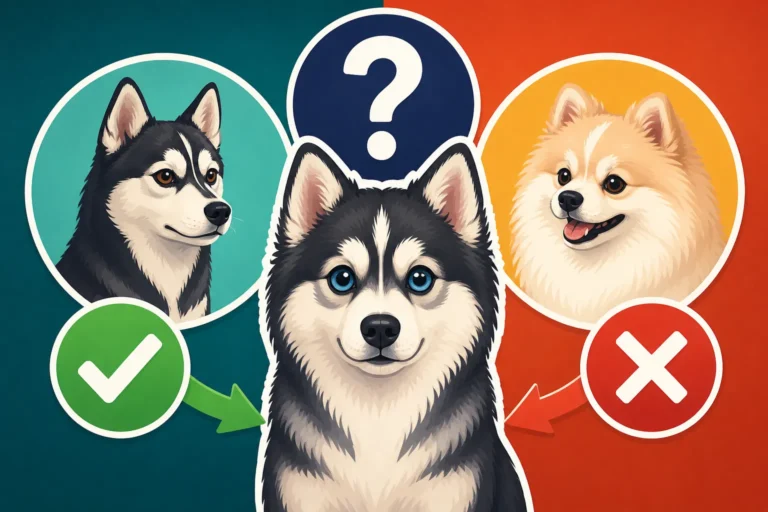
One of the most common hopes (and anxieties!) among aspiring Pomsky owners is finding a puppy with a predictable temperament. You scour photos, read breeder descriptions, and often wonder if choosing an F1, F2, or even a multi-generational Pomsky will somehow guarantee a certain personality. It's a natural question to ask, especially when you're dreaming of that perfect blend of Husky charm and Pomeranian spunk. But the truth is, the generation number on its own often tells you far less about a Pomsky's future temperament than you might think. This guide will dive deep into why relying solely on generation for temperament can be misleading and what truly shapes your Pomsky's personality.
Understanding Pomsky Generations and the Genetic Mix-Up
When you start looking into Pomskies, you'll quickly encounter terms like F1, F2, and multi-generational. These labels are designed to give you some insight into the puppy's lineage, but they don't necessarily act as a crystal ball for temperament. It's easy to fall into the trap of thinking that a higher generation means a more "stabilized" or predictable dog, and while that's the goal of many dedicated breeders, genetics are rarely so straightforward.
What Do F1, F2, and Multigen Actually Mean for a Pomsky?
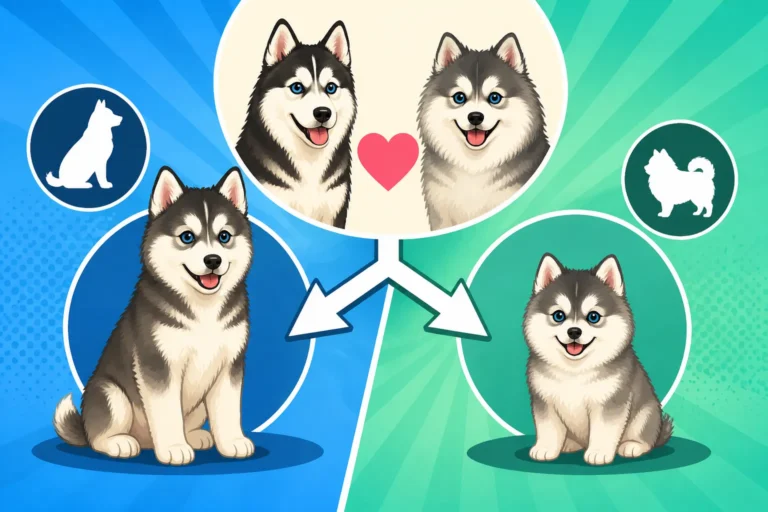
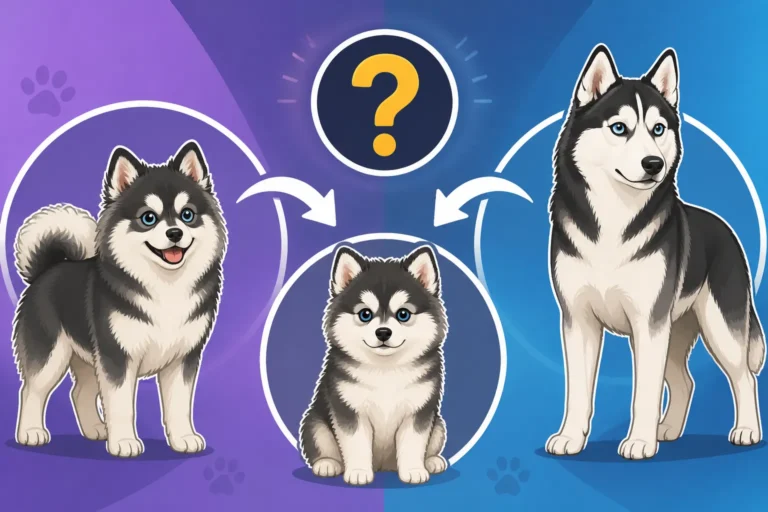
Let's break down these common terms so we're all on the same page. An F1 Pomsky is a first-generation cross: a purebred Siberian Husky bred with a purebred Pomeranian. This is where the initial magic happens, creating the very first iteration of the Pomsky. Because you're blending two distinct purebred lines, the genetic outcome in an F1 litter can be incredibly varied. Some puppies might lean heavily into their Husky heritage, displaying that signature independence and vocal tendencies, while others might inherit more of the Pomeranian's spirited, sometimes sassy, demeanor. It's a true genetic lottery!
Moving on, an F2 Pomsky is the result of breeding two F1 Pomskies together. Here's where people often start hoping for more consistency. The idea is that by breeding two Pomskies, you're more likely to get a "Pomsky-like" Pomsky, rather than one that strongly favors one grandparent. However, mathematically, the F2 generation still means there's a huge shuffling of those original Husky and Pomeranian genes. Think of it like a deck of cards – the F1 shuffled the two parent suits together, and now the F2 is shuffling that mixed deck, meaning any card could pop up. This means you can still see a wide range of sizes, looks, and yes, temperaments, within an F2 litter.
Multi-generational (Multigen) Pomskies are generally F3 or beyond, meaning their parents were F2s or later generations of Pomskies. The dedicated breeders aiming for a consistent "type" in the Pomsky breed work extensively in these later generations, carefully selecting breeding pairs based on specific traits, including temperament, health, and appearance. The ultimate goal is to move towards a more uniform breed standard. However, even with diligent selection, nature loves to surprise us, and temperament is a complex tapestry woven from many genetic threads. It's a continuous process, not a destination. You can read more about what these terms mean in our article, What F1 Means on a Pomsky.
The Hope vs. Reality of Genetic Inheritance
It's completely understandable to hope that a later-generation Pomsky will offer a more "settled" or predictable temperament. We all want to know what we're getting into when we bring a new furry family member home. The frustration comes when you hear conflicting stories or see different puppies within the same generation displaying wildly different personalities. You might think, "If I get an F2, it should be a perfect mix, right?" The reality is that temperament is not a single gene trait. It's influenced by a multitude of genes acting together, often referred to as polygenic inheritance.
This means that while a breeder might select F2 parents known for their calm nature, there's no guarantee that every single F2 puppy in their litter will inherit that exact calm disposition. Recessive genes can resurface, or different combinations can create entirely new expressions of personality. It's why one puppy in an F2 litter might be a chill couch potato, while another is a high-energy escape artist determined to dig under the fence. The genetic dice roll continues through every generation, even if the odds of certain traits appearing are nudged by selective breeding. It's a nuanced dance between what the genes can do and what they actually do in any given individual.
Temperament Variability Across Pomsky Generations
If you're looking for a guarantee of temperament based purely on generation, you might find yourself a little disappointed. The truth is, while breeders strive for consistency, Mother Nature always has the final say. Each generation presents its own unique set of possibilities when it comes to personality.
The Wild Card of the F1 Pomsky's Personality
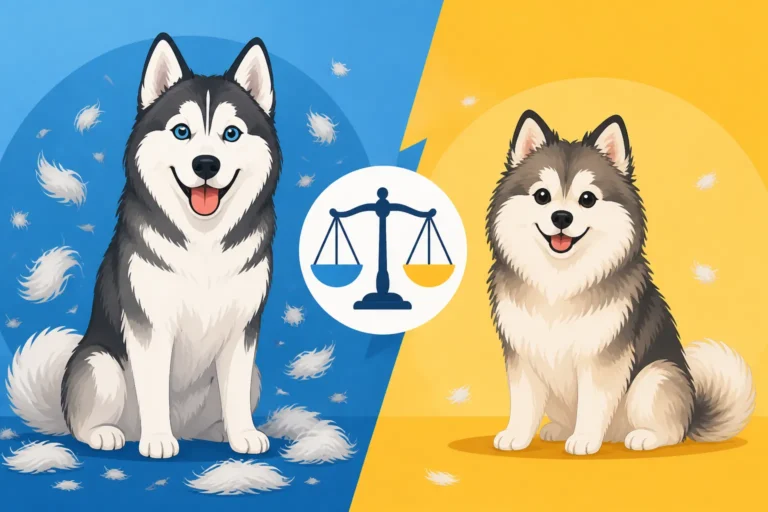
The F1 Pomsky is truly the original "wild card" of the breed. Imagine mixing two distinct paints – a vibrant blue (Husky) and a bold red (Pomeranian). The result isn't always a uniform purple. Sometimes you get more blue, sometimes more red, and sometimes unexpected streaks of both. This analogy holds true for temperament. An F1 Pomsky can inherit a wide spectrum of traits from either parent, sometimes in surprising combinations.
You might find an F1 Pomsky with the fiercely independent spirit, high prey drive, and characteristic "woo-woo" vocalizations of a Husky, all packed into a smaller Pomeranian-sized body. This can be a delightful quirk for some, but a significant challenge for others who weren't expecting such a strong, unshakeable will. Conversely, you might get an F1 that exhibits the more "on-the-owner's-lap" affection and suspicious nature towards strangers that can be typical of a Pomeranian, but with the higher energy demands of a Husky. The sheer variability in an F1 generation is why it’s often said that they are the least predictable in terms of appearance and behavior. You can dive deeper into this variability in Why an F1 Pomsky Varies So Much.
The Illusion of Predictability in F2 and Beyond
When we talk about F2 and subsequent generations, the hope is that breeders are refining the traits, moving towards a more consistent Pomsky "type." While this is the earnest goal of ethical breeders, it doesn't mean instant predictability in temperament. Breeding two F1 Pomskies together (to get F2s) essentially takes two already mixed genetic pools and shuffles them again. This can still lead to significant variation within a single litter. You might see littermates with vastly different energy levels, vocal tendencies, or levels of independence, even though they share the same F1 parents.
The assumption that F2s are inherently more balanced or "50/50" in temperament than F1s is often an illusion. What you gain is a slightly higher chance of seeing traits that are generally accepted as "Pomsky-like," but you still have a strong potential for individual puppies to lean heavily towards one grandparent's characteristics. For instance, a strong prey drive, a common Husky trait, could suddenly resurface with intensity in an F3 puppy, even if its F2 parents were known to be fairly calm around small animals. It's a testament to the complexity of genetics; traits don't just disappear, they can lie dormant for a generation or two.
Why Even Multigens Aren't a Guarantee
Multi-generational breeding (F3, F4, and beyond) is where dedicated breeders put in years of work to truly establish consistency. Their goal is to create Pomskies that consistently exhibit desired traits, both in health and temperament, making them more predictable for future owners. They do this by carefully selecting breeding pairs, paying close attention to their temperaments, health clearances, and how well they embody the emerging Pomsky standard.
However, even with this rigorous approach, a "guarantee" is still a strong word. What you're getting with a reputable multi-gen breeder is a higher probability of certain traits, not an absolute certainty for every single puppy. Temperament is a nuanced interplay of genetics and environment. A multi-gen Pomsky from a fantastic breeder will have a strong genetic foundation for good temperament, but it's still an individual animal. Factors like individual puppy personality, early life experiences, and ongoing training will still play a monumental role. While a multi-gen Pomsky might be more predictable than an F1, it’s not a magic bullet. You can explore this further in Whether a Multigen Pomsky Is More Predictable.
Factors More Influential Than Generation for Temperament
While generation can give you a hint at the genetic mix, it pales in comparison to other factors when it comes to shaping a Pomsky's actual temperament. If you're hoping for a well-adjusted, happy companion, these are the elements you should truly focus on.
The Undeniable Power of Parent Temperament
Forget the F-numbers for a moment – the single most important genetic indicator for a puppy's temperament is the temperament of its actual parents. A well-bred F1 from calm, confident Husky and Pomeranian parents who have had their own temperaments assessed is likely to have a better foundation than an F2 from parents who are skittish or reactive. Good breeders prioritize temperament alongside health and conformation. They should be able to tell you all about the personalities of both the dam (mother) and sire (father), offering insights into their energy levels, their responses to strangers, their vocal habits, and their general demeanor.
When you visit a breeder, observing the dam with her puppies is crucial. Is she relaxed and nurturing? Or is she anxious, overly protective, or indifferent? These observations provide invaluable clues about the genetic predisposition of her offspring. A responsible breeder will be happy to discuss the temperaments of their adult dogs and explain how they select for desirable traits. They understand that a stable temperament in the parents significantly increases the chances of stable temperaments in the puppies, regardless of whether it's an F1 or an F3 litter. This careful selection helps mitigate some of the unpredictable aspects of genetic inheritance, including The Two Opposite Disease Lists a Pomsky Inherits or behavioral tendencies.
Early Socialization and Environment Are Game Changers
Even the puppy with the best genetic blueprint for a stellar temperament can develop behavioral issues if it's not properly socialized during its critical developmental window. This period, roughly from 3 to 16 weeks of age, is when puppies form lasting impressions about the world. A Pomsky puppy needs to be exposed to a wide variety of sights, sounds, people (men, women, children), other friendly vaccinated dogs, and different environments in a positive, controlled way.
A puppy raised in isolation, or one that experiences frightening events during this window, can become fearful, anxious, or even reactive, regardless of its genetic predispositions. A good breeder starts this process, exposing puppies to household noises, different textures, and gentle human interaction. Once the puppy comes home, it's your job to continue this vital socialization. Think of structured puppy classes, playdates with known friendly dogs, short trips to dog-friendly stores (like Chewy for a new toy!), and gentle handling exercises. This consistent, positive exposure helps build a confident, adaptable dog. Neglecting this crucial phase can lead to a Pomsky that struggles with new experiences or becomes overly wary of the unfamiliar. You can find more tips on this in Raising a Pomsky Puppy.
Training, Consistency, and Lifestyle Fit
Beyond genetics and early experiences, ongoing training and consistent handling are absolutely paramount to a Pomsky's temperament. Pomskies are intelligent, often opinionated, and can inherit a stubborn streak from both their Husky and Pomeranian ancestors. Without clear boundaries, consistent training, and sufficient mental and physical exercise, even a genetically "good" temperament can unravel.
A Pomsky needs to understand what's expected of them. Consistent positive reinforcement training helps them learn acceptable behaviors and builds a strong bond with their owner. Lack of consistency, allowing behaviors one day and punishing them the next, can create confusion and frustration for the dog, potentially leading to undesirable behaviors like excessive barking or destructive chewing. Furthermore, their high energy levels and intelligence demand an active lifestyle. A bored Pomsky is often a destructive or vocal Pomsky. Ensuring their exercise needs are met (refer to The Exercise a Pomsky Needs Every Day) and providing mental stimulation through puzzle toys or training sessions can dramatically impact their daily demeanor and overall happiness. The owner's lifestyle, willingness to train, and commitment to meeting the dog's needs are powerful determinants of temperament.
Choosing a Pomsky for Temperament, Not Just Generation
So, if generation isn't the be-all and end-all for temperament, what should you focus on when bringing a Pomsky into your life? It boils down to diligent research, active engagement, and realistic expectations.
The Importance of a Reputable Breeder and Their Practices
This cannot be stressed enough: a reputable breeder is your best ally in finding a Pomsky with a solid temperament. These aren't people just putting two dogs together to make "cute puppies." They are invested in the health and temperament of their lines. They will:
- Health Test Parents: Ensuring parents are free from genetic diseases that could impact a puppy's quality of life and temperament (a dog in pain is rarely a happy dog).
- Temperament Test Parents: They know the personalities of their breeding dogs inside and out and actively select for calm, friendly, and stable temperaments.
- Provide Early Enrichment: They implement puppy culture or similar programs, introducing puppies to various stimuli from birth to build resilience and confidence. This includes gentle handling, different sounds, and appropriate social interactions.
- Be Transparent: They'll welcome questions, show you where the puppies are raised, let you meet the dam (and potentially the sire), and provide detailed information about their breeding program. They'll also typically screen you to ensure a good home for their puppies, asking about your lifestyle and experience.
- Offer Lifetime Support: A good breeder is there for you for the lifetime of your dog, ready to answer questions and offer advice.
Avoid breeders who are vague about parentage, don't allow visits, or prioritize appearance over health and temperament. A strong, ethical foundation from a breeder far outweighs any single generational label. The International Pomsky Association and similar groups often set standards for ethical breeding, so understanding The International Pomsky Association and What It Sets can be very helpful.
Meeting the Parents and Observing the Litter
When you visit a breeder (which you absolutely should do), pay close attention to the adult dogs, especially the dam. Her demeanor will give you a significant clue about the genetic temperament she's passing on. Is she friendly and approachable, or shy and reserved? Is she overly vocal or anxious? Observing her interactions with her puppies and with you will tell you a lot.
Then, spend time observing the puppies themselves. While puppy personalities are still developing, you can look for general indicators. Are they overly fearful, cowering from human interaction? Are they excessively aggressive with their littermates? Or are they curious, playful, and confident, approaching you with wagging tails? A good breeder will often guide you, pointing out individual puppy personalities and helping you choose one that matches your lifestyle. For example, if you're a first-time owner, you might want to avoid the most dominant or the most timid puppy in the litter. While it's tempting to pick the "prettiest" one, always prioritize a puppy whose personality seems to align with your home life. You might find some excellent enrichment items or training resources from Chewy that breeders often recommend for early development.
Preparing for the Unpredictable: Embracing the Pomsky Journey
Ultimately, bringing a Pomsky into your home means embracing a degree of unpredictability, regardless of its generation. These are still a relatively new crossbreed, and even with the best breeding practices, you're getting a unique blend of two very different dogs. This is part of the charm and challenge of the Pomsky!
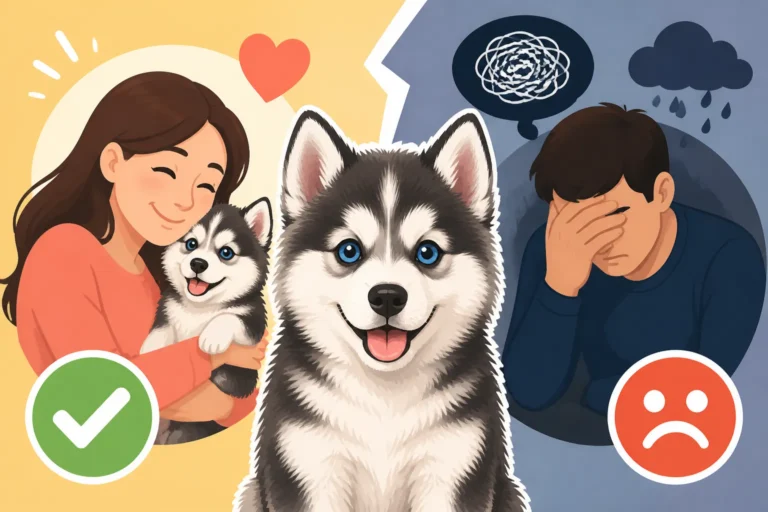
Be prepared to invest time, effort, and love into training and ongoing socialization. Understand that your Pomsky may have strong opinions, a high energy drive, and a desire to communicate vocally. They may require a securely fenced yard, consistent mental stimulation, and a family committed to their needs. Instead of chasing a specific "generational temperament," focus on finding a puppy from a responsible breeder who prioritizes healthy, well-socialized parents, and then commit to being the best guardian you can be. This means being ready to work with the individual dog you get, to understand its unique personality, and to celebrate the wonderful, sometimes quirky, companion they become. Many owners confess to What Nobody Warns a Pomsky Buyer About, highlighting the importance of being ready for the unexpected. With the right approach, your Pomsky, no matter its generation, will be a beloved member of your family.
| Factor | Impact on Pomsky Temperament | Why it's Important |
|---|---|---|
| Parent Temperament | High | Direct genetic contribution; observed traits of dam and sire often predict puppy's baseline personality. |
| Early Socialization | High | Critical developmental window (3-16 weeks) shapes how a puppy perceives and reacts to the world. |
| Consistent Training | High | Establishes boundaries, teaches desired behaviors, and builds a strong, trusting relationship with the owner. |
| Lifestyle Fit | High | Matches the dog's energy and mental needs with the owner's capacity; prevents boredom and behavioral issues. |
| Breed Specific Traits | Medium-High | Inherited tendencies from Husky (independence, vocalness, prey drive) and Pomeranian (alertness, sassiness). |
| Pomsky Generation | Low-Medium | Indicates lineage mix, but individual genetic shuffling means temperament can vary widely within any generation. |
| Individual Personality | High | Every puppy is unique; even within the same litter, distinct personalities will emerge regardless of other factors. |
Disclaimer
This article is for general informational purposes only and does not constitute professional advice. Laws, prices and regulations vary by location and change over time. Consult a qualified professional for guidance on your specific situation.