Whether Shaving Triggers Coat Loss in a Pomsky
It's a common dilemma for Pomsky owners, especially as the warmer months approach or when faced with what feels like an endless flurry of shedding: "Should I just shave my Pomsky?" The thought of that beautiful, thick double coat becoming a matted mess or causing your furry friend to overheat can be genuinely concerning, leading many to consider the clippers as a quick fix. But the truth about shaving a Pomsky is far more complex than just a haircut, and in many cases, it can actually lead to significant, long-term issues, including persistent coat loss. This guide will delve into the intricacies of your Pomsky's unique coat and explain why shaving can trigger a condition known as post-clipping alopecia, drastically impacting their coat health and natural insulation.
Understanding the Pomsky's Unique Double Coat
Your Pomsky inherited its stunning coat from two very different, yet equally double-coated, parents: the Siberian Husky and the Pomeranian. This isn't just fluffy hair; it's a meticulously engineered natural system designed for survival in harsh conditions. Understanding its structure is the first step to appreciating why shaving is almost always a bad idea.
The Anatomy of a Double Coat: Guard Hairs vs. Undercoat
A Pomsky's coat consists of two distinct layers, each with a crucial role to play. The outer layer is made up of longer, coarser hairs called "guard hairs." These are the ones that give your Pomsky its characteristic sleek appearance, protect against UV rays, repel water, and shield their skin from dirt and minor injuries. Think of them as the dog's all-weather outerwear. They're strong, durable, and they define the dog's color and pattern.
Beneath these guard hairs lies the dense, soft, and much shorter "undercoat." This is the real workhorse when it comes to temperature regulation. The undercoat acts like a natural thermal blanket, trapping air to insulate your Pomsky against both extreme cold and excessive heat. In winter, it keeps them warm; in summer, it helps circulate air against the skin, allowing heat to dissipate. This two-layer system means your Pomsky is perfectly equipped to handle a wide range of climates, far better than we humans give them credit for.
Why Shaving is Rarely Recommended for Double-Coated Breeds
Given the sophisticated design of their double coat, it becomes clear why shaving is generally discouraged. When you shave a Pomsky, you don't just remove hair; you disrupt this intricate natural system. You strip away the protective guard hairs, leaving the delicate skin exposed to the sun's harmful UV rays, which can lead to sunburn and increase the risk of skin cancer. You're also eliminating their primary defense against insect bites and minor abrasions.
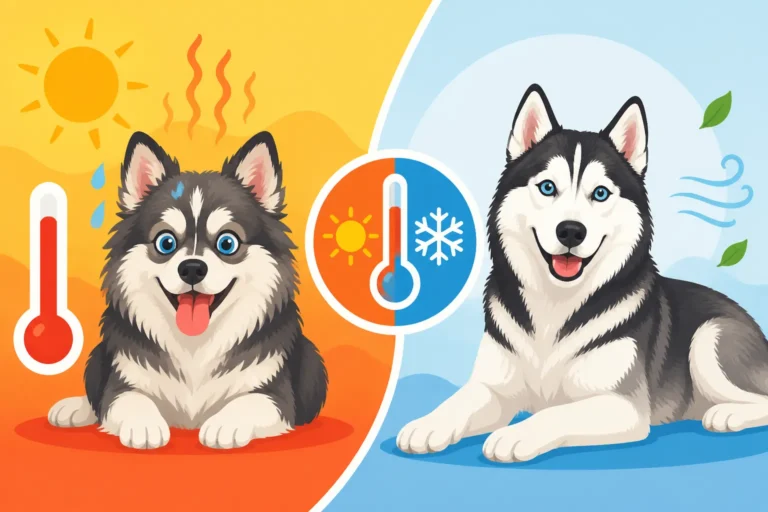
More critically, you remove the undercoat that regulates their body temperature. Without the undercoat's ability to trap air, your Pomsky actually loses its natural insulation, making them less efficient at cooling themselves down in summer and leaving them vulnerable to the cold in winter. It’s a bit like removing the insulation from your house; it makes temperature control much harder and more costly. The claim that shaving helps a double-coated dog stay cool in summer is a widespread myth that can actually put your Pomsky at risk of overheating.
The Truth About Shaving and Coat Loss in Pomskies
The fear that shaving can permanently damage a double coat is unfortunately well-founded. For Pomskies, particularly, the outcome of a shave can be unpredictable and often leads to long-term issues that are much harder to manage than the initial shedding problem.
Post-Clipping Alopecia: More Than Just a Bad Haircut
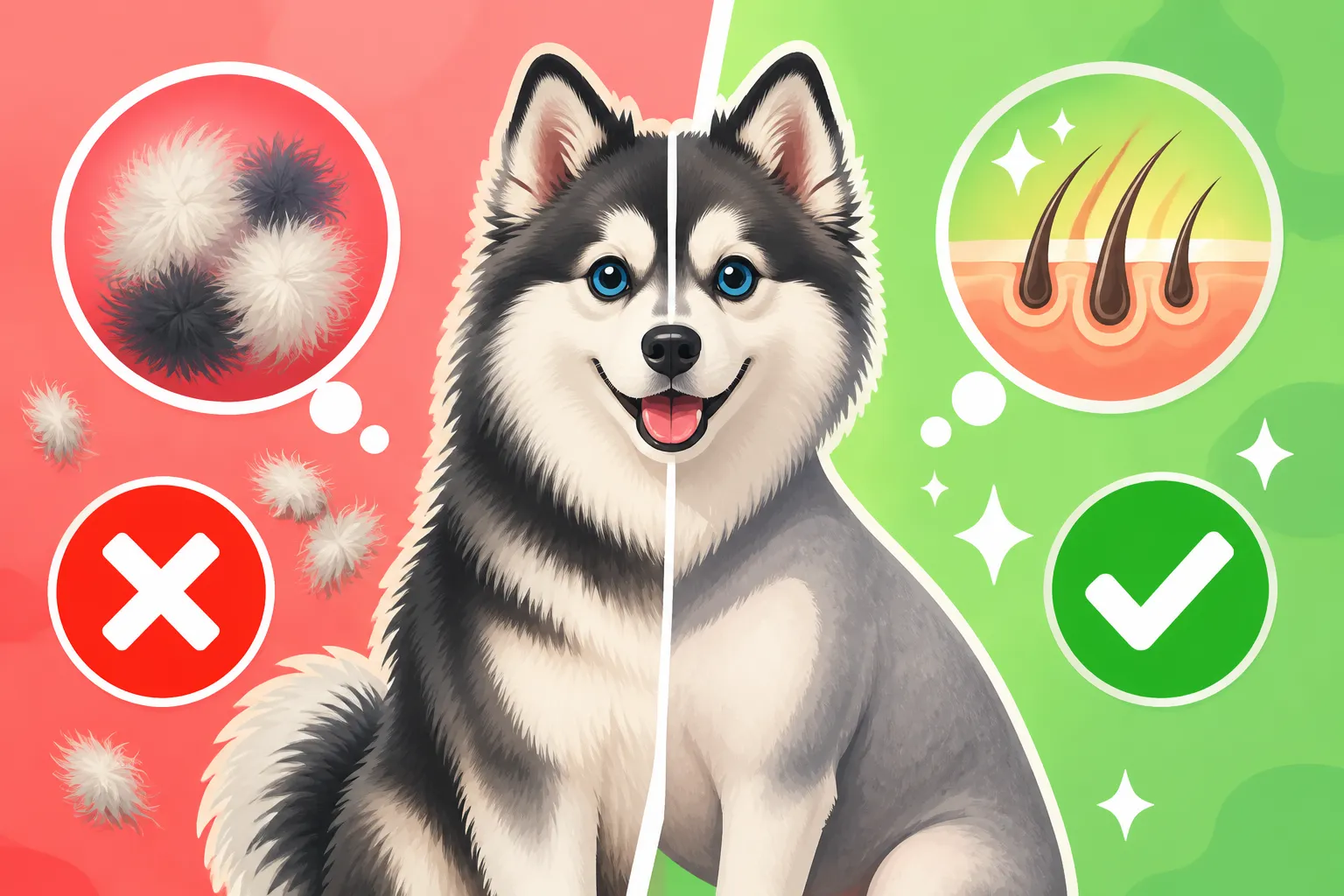
One of the most concerning consequences of shaving a Pomsky's double coat is a condition known as post-clipping alopecia. This isn't just about the hair growing back slowly; it's a phenomenon where the coat grows back in an abnormal, patchy, or even completely different texture and color, or in some severe cases, doesn't grow back at all. It's a distressing situation for both the dog and the owner, transforming that once-luxurious coat into something thin, sparse, and ineffective. For more on this specific issue, you might want to read our detailed article on Whether a Pomsky's Post Clipping Alopecia Is Different.
The exact mechanism behind post-clipping alopecia isn't fully understood, but it's believed to be related to the trauma of shaving disrupting the hair follicles' natural growth cycle. When the guard hairs and undercoat are cut down to the skin, the follicles can go into a prolonged resting phase. Instead of resuming normal growth, they produce weaker, cottony undercoat hairs, often without the protective guard hairs returning. This results in a "wooly" or "frizzy" texture that doesn't provide the same protection or insulation as the original coat. In some cases, the skin can even darken in the shaved areas, a condition known as post-inflammatory hyperpigmentation.
Factors Influencing Coat Regrowth After Shaving
Whether a Pomsky's coat recovers fully after a shave can depend on several factors, and unfortunately, there's no guarantee it will ever return to its original glory. Many owners ask, "Whether a Pomsky's Coat Comes Back After a Shave?" The answer is, it might, but it might not be the same. Genetics play a huge role; some Pomskies are simply more prone to coat damage than others due to their specific genetic makeup inherited from their Husky and Pomeranian lines.
Age is another significant factor. Younger Pomskies (under two years old) tend to have a better chance of full regrowth compared to older dogs, whose hair follicles might be less resilient. Underlying health conditions can also impede regrowth. For instance, dogs with thyroid issues or hormonal imbalances may struggle even more. Even something as simple as poor nutrition can affect hair health. It’s a gamble, and for a dog whose beauty and function rely so heavily on its coat, it's often a risk not worth taking. It's why many breeders stress that Why a Pomsky Must Never Be Shaved in the first place.
Maintaining a Pomsky's Coat Without Shaving
The good news is that keeping your Pomsky comfortable, healthy, and looking their best doesn't require drastic measures like shaving. It simply demands consistent, appropriate grooming tailored to their double coat.
Essential Grooming Tools and Techniques
The cornerstone of Pomsky coat care is regular, thorough brushing. You'll want to invest in a few key tools:
- Undercoat rake: This tool is designed to reach deep into the undercoat and pull out loose, dead hair without damaging the guard hairs. It's indispensable, especially during shedding seasons. You'll soon find The Undercoat Rake a Pomsky Owner Lives With becomes your best friend.
- Slicker brush: Great for removing tangles and mats from the outer coat and for smoothing everything out after raking.
- Metal comb: Excellent for checking for any missed mats, particularly behind the ears, in the armpits, and on the tail.
Brushing should be done several times a week, or even daily during heavy shedding periods. The goal is to remove as much loose undercoat as possible, which allows for better air circulation and prevents matting. When the loose undercoat is removed, the remaining coat can do its job of insulating and protecting much more efficiently. This also keeps your house cleaner, reducing the amount of hair floating around.
Professional Grooming for Double Coats
While at-home brushing is vital, professional grooming can be a game-changer, especially during a "coat blow" when your Pomsky sheds profusely. Professional groomers have specialized tools and techniques for double-coated breeds. A deshedding treatment typically involves a thorough bath with a conditioning shampoo, followed by a high-velocity force dryer. This dryer blasts out massive amounts of loose undercoat that brushing alone can't achieve. This process not only reduces shedding dramatically but also helps maintain the health and integrity of the entire coat.
It's an investment, but many owners find the relief from shedding and the health benefits for their Pomsky well worth it. You might be surprised to learn about What a Deshedding Treatment Costs on a Pomsky, but consider it a preventative measure against skin issues and a way to keep your dog comfortable and beautiful without resorting to shaving.
Addressing Hot Weather Concerns
Living with a double-coated dog in a warm climate like a Southern summer can certainly present challenges, but shaving is not the solution. If you're worried about Whether a Pomsky Copes in a Southern Summer, rest assured there are much safer and more effective ways to keep your Pomsky cool:
- Shaded walks and timing: Walk your Pomsky during the coolest parts of the day – early mornings and late evenings. Avoid mid-day sun.
- Plenty of fresh water: Always have fresh water available, and consider adding ice cubes or offering a frozen treat.
- Cooling mats and elevated beds: These can provide a cool spot for your Pomsky to rest indoors or in a shaded outdoor area.
- Swimming: Many Pomskies love water! A kiddie pool in the yard or a trip to a dog-friendly lake can be a fantastic way to cool down. Always supervise water activities.
- Air conditioning: Ensure your Pomsky has access to an air-conditioned space during peak heat.
- Never leave them in a hot car: This is critical and can be fatal, even for short periods.
Remember, a healthy, well-maintained double coat, like the one on The Pomsky That Carries a Husky Coat at Twenty Pounds, is actually designed to protect them from both heat and cold, provided the dead undercoat is regularly removed.
Distinguishing Shave-Induced Issues from Other Coat Problems
When a Pomsky starts to experience coat issues, it's natural to jump to conclusions, especially if they've been shaved previously. However, it's crucial to understand that not all coat loss is due to shaving. There are several medical conditions that can cause similar symptoms, and accurate diagnosis is key to effective treatment.
Alopecia X in Pomskies
One condition that often gets confused with post-clipping alopecia is Alopecia X, sometimes referred to as Black Skin Disease or Canine Follicular Dysplasia. This is a genetic or hormonal condition where the dog loses hair, typically starting in patches on the flanks, hind legs, and neck, and often leading to darkened skin in the affected areas. While the visual outcome can sometimes resemble a coat that has failed to regrow after shaving, Alopecia X is an internal metabolic issue, not a direct result of external grooming trauma. Our article Alopecia X and the Pomsky That Loses Its Coat delves deeper into this specific condition.
Diagnosing Alopecia X usually involves ruling out other causes of hair loss through blood tests (to check thyroid function, for example), skin biopsies, and a thorough veterinary examination. Treatments can vary, from melatonin supplementation to specialized shampoos, but there is no one-size-fits-all cure, and full coat regrowth is not always achievable. It's a completely different beast than a bad shave, though visually similar.
Other Medical Causes of Coat Issues
Beyond Alopecia X and shaving trauma, numerous other medical conditions can cause coat loss or changes in a Pomsky. It's easy to assume any hair problem is related to shedding or grooming, but a veterinary check-up is always recommended if you notice significant changes in your dog's coat health.
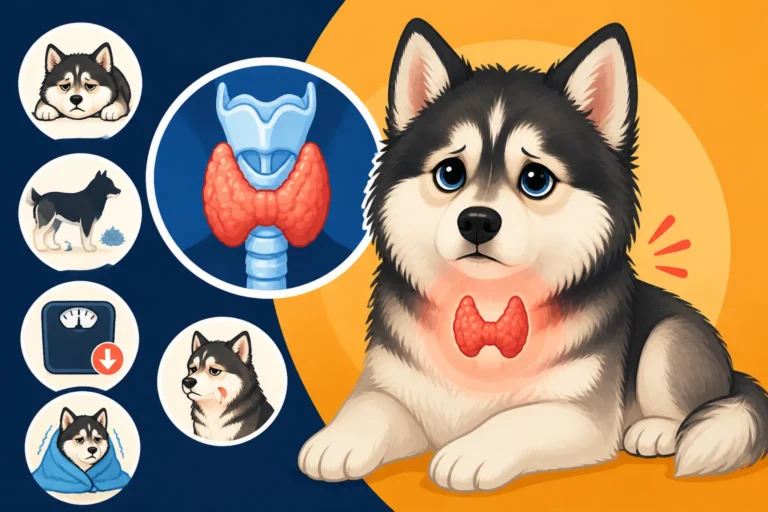
- Hypothyroidism: An underactive thyroid gland can lead to a dull, brittle coat, excessive shedding, and patchy hair loss. A simple blood test can diagnose this, and medication can often manage it effectively. If you're wondering Whether a Pomsky's Coat Loss Is Thyroid or Alopecia X, your vet can help you differentiate.
- Allergies: Just like humans, Pomskies can suffer from environmental or food allergies. These often manifest as itchy skin, leading to scratching, licking, and chewing that can thin the coat or create "hot spots." You might notice your Pomsky constantly licking their paws or scratching their ears. Our article Whether a Pomsky Gets Allergies provides more insight into this common problem.
- Parasites: Fleas, mites (like Demodex), and other external parasites can cause intense itching, leading to self-trauma and subsequent hair loss. Regular preventative treatments are crucial.
- Nutritional Deficiencies: A diet lacking essential nutrients, especially certain fatty acids and minerals like zinc, can result in a poor-quality coat that sheds excessively or grows sparsely. Always ensure your Pomsky is on a high-quality, balanced diet.
- Infections: Bacterial or fungal skin infections can cause localized hair loss, redness, and discomfort.
When in doubt about any unusual coat changes, it's always best to consult your veterinarian. Early diagnosis and treatment can prevent more severe problems and ensure your Pomsky remains as healthy and comfortable as possible. Pet insurance providers like Healthy Paws can be a real lifesaver when unexpected medical issues arise, helping to cover the costs of diagnostics and treatment for these kinds of conditions.
Conclusion
The allure of a shaved Pomsky might seem appealing for convenience or comfort, but the risks, particularly the potential for long-term coat damage through post-clipping alopecia, far outweigh any perceived benefits. Your Pomsky's double coat is a marvel of natural engineering, meticulously designed to keep them comfortable in all seasons and protect their delicate skin. When you shave it, you not only compromise this natural defense system but also run the very real risk of permanently altering its texture and growth, creating issues that are far more difficult to manage than regular shedding.
Instead, embrace proper grooming techniques: invest in the right tools, commit to regular brushing, and consider professional deshedding services. For hot weather, focus on common-sense cooling strategies rather than reaching for the clippers. If you notice any unusual coat loss or changes, consult your veterinarian to rule out underlying health conditions, as not all coat problems are grooming-related. By understanding and respecting the unique needs of your Pomsky's magnificent coat, you ensure they remain healthy, happy, and stunningly beautiful for years to come.
Disclaimer
This article is for general informational purposes only and does not constitute professional advice. Laws, prices and regulations vary by location and change over time. Consult a qualified professional for guidance on your specific situation.