Whether Alopecia X Runs in Specific Pomsky Lines
It’s truly disheartening to see your fluffy Pomsky start losing their beautiful coat, and when you hear the term "Alopecia X," it can feel like a confusing and overwhelming diagnosis. Many Pomsky owners wonder if this frustrating condition is just bad luck, or if it's something that actually runs in families, passed down through certain breeding lines. This guide will delve into the complex world of Alopecia X, exploring its genetic links in Pomskies and what you, as an owner or prospective owner, need to know to understand and manage this unique challenge.
Understanding Alopecia X in Pomskies
Alopecia X, often referred to as Black Skin Disease or Coat Funk, is a puzzling condition primarily affecting Nordic breeds and their mixes, like our beloved Pomskies. It’s a diagnosis of exclusion, meaning veterinarians often rule out many other possibilities before landing on Alopecia X. The uncertainty can be incredibly frustrating for owners who just want answers and solutions for their furry friends.
What Exactly is Alopecia X?
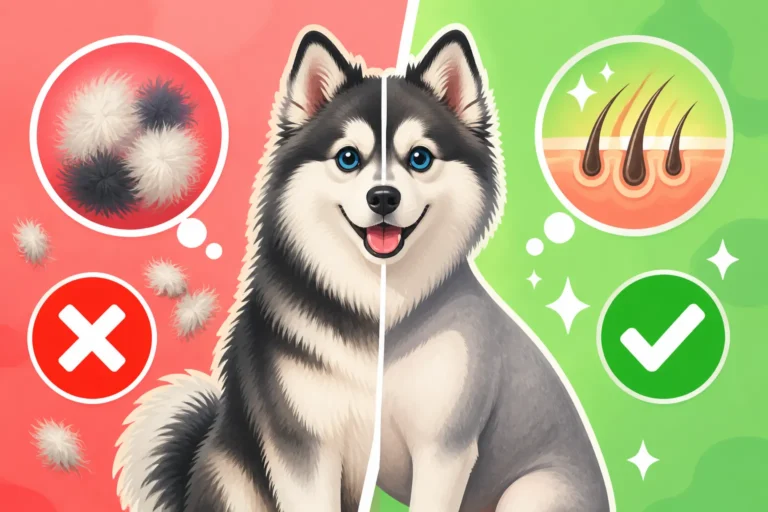
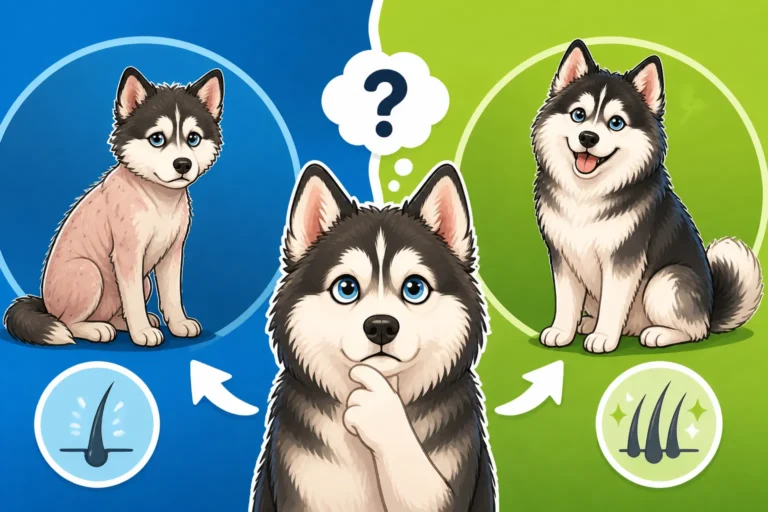
At its core, Alopecia X is a cosmetic skin condition characterized by progressive hair loss, often starting in patches or thinning areas, eventually leading to widespread baldness. What makes it so unique is that the affected dogs remain otherwise healthy; their energy levels are normal, their appetites are good, and they don't seem to be in any pain from the hair loss itself. The fur loss typically begins on the flanks, hindquarters, and often the neck, but it can eventually encompass almost the entire body, leaving a smooth, dark, often leathery-feeling skin. While it doesn't hurt them, the lack of a protective coat can make them vulnerable to sunburn and cold, necessitating special care. You might notice the first bald patch on a Pomsky around their hind legs or under their belly. It’s a distinct visual change that understandably causes concern. If you're wondering What Alopecia X Does to a Pomsky's Coat, it essentially replaces their luxurious double coat with bare, often hyperpigmented skin.
The Genetic Puzzle of Alopecia X Inheritance
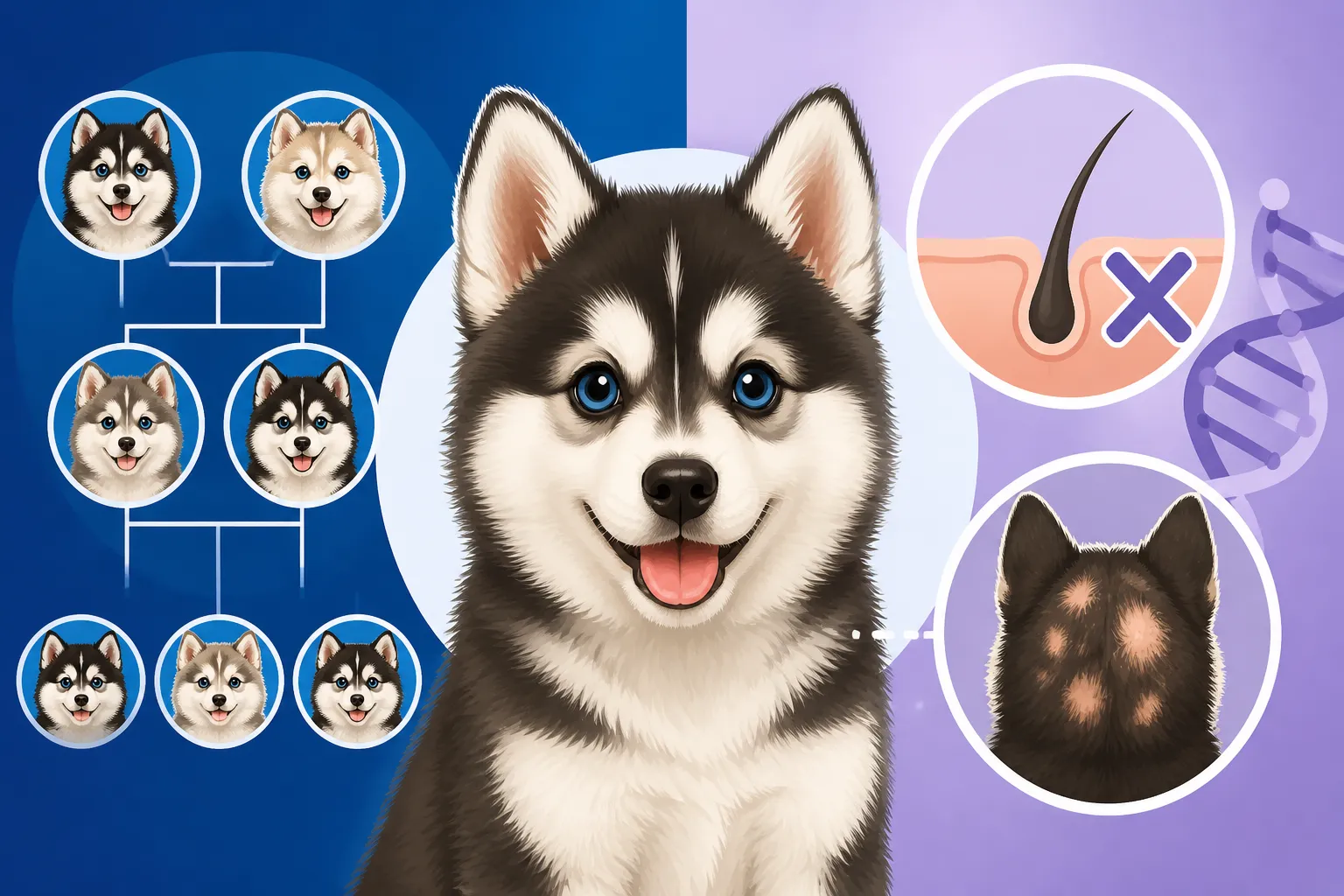
This is where the idea of "specific lines" comes into play. While the exact genetic mechanism of Alopecia X isn't fully understood, it's widely believed to have a hereditary component, especially given its prevalence in certain breeds. Pomskies inherit their genetic blueprint from both the Siberian Husky and the Pomeranian. Alopecia X is much more commonly associated with the Pomeranian side of the family tree, though similar conditions can occur in Huskies. Therefore, if Alopecia X runs in a particular Pomeranian lineage, there's a higher chance that a Pomsky from that lineage could inherit the predisposition. This isn't to say every Pomsky from a Pomeranian with a history of Alopecia X will get it, but the risk significantly increases. It's similar to how some human conditions have a family history – you might inherit the tendency, but not necessarily the full-blown condition. Breeders play a critical role here by being transparent about the health history of their breeding dogs, especially regarding skin and coat issues. Delving deeper into Whether a Pomsky Inherits Alopecia X can offer more insights into this hereditary aspect.
The "X" Factor and What It Means for Diagnosis
The "X" in Alopecia X truly highlights the enigmatic nature of the condition; it simply means "unknown." Because there isn't a definitive blood test or specific marker for Alopecia X, diagnosis often involves ruling out every other possible cause of coat loss. This process can be lengthy and expensive, requiring various tests like blood work to check thyroid function, skin biopsies, and even specific hormonal assays. Your vet will look for signs of hypothyroidism, Cushing's disease, or other dermatological issues. For instance, Whether a Thyroid Test Rules Out Alopecia X in a Pomsky is a common diagnostic step, as thyroid imbalances can also lead to similar coat problems. Only once all other known causes have been excluded can a diagnosis of Alopecia X be made. This can be a frustrating journey, as you cycle through different possibilities, hoping for a clear answer, only to learn it’s a condition defined by what it isn't.
Identifying Risk in Pomsky Breeding Lines
For those considering bringing a Pomsky into their home, or for current owners concerned about their dog’s health, understanding how to identify potential risk factors for Alopecia X in breeding lines is incredibly important. Responsible breeding practices are key to minimizing the prevalence of such conditions.
How Breeders Can Screen for Predisposition
While there isn't a specific genetic test for Alopecia X, ethical breeders take proactive steps to minimize the risk in their lines. This includes being intimately familiar with the health history of their breeding stock and their ancestors. They should be able to provide detailed information about the parents, grandparents, and even great-grandparents, especially regarding any instances of unexplained coat loss. A good breeder will not breed dogs that have been diagnosed with Alopecia X, or dogs that have produced offspring with the condition. Even if a particular dog doesn't exhibit symptoms, if its close relatives do, it carries a higher risk of passing on the predisposition. Transparency is vital. When interacting with breeders, don't hesitate to ask about any history of Alopecia X in their line, and observe the coats of the parent dogs if possible. Remember, Whether an Affected Pomsky Should Be Bred is a serious ethical consideration for any responsible breeder.
Recognizing Affected Lines and Responsible Breeding
Recognizing an affected line isn't always straightforward. Sometimes, a Pomsky breeder might not even know they have a predisposition in their lines until offspring start showing symptoms. This is why thorough communication and health guarantees are so important. A breeder who cares deeply about the long-term health of their puppies will be open about any health concerns that have arisen in their breeding program and will often offer support or advice if a puppy develops an issue like Alopecia X. Breeders aiming for the healthiest outcomes focus on selecting dogs with strong genetic health, not just desirable looks. It’s a commitment to the breed's future. For owners, if you suspect your Pomsky might be experiencing this, understanding The Age Alopecia X Starts in a Pomsky can help you watch for early signs, typically from around 1-3 years of age, though it can appear earlier or later.
The Role of Pedigree Analysis
Pedigree analysis involves tracing a dog's ancestry back multiple generations. While not a definitive diagnostic tool for Alopecia X, it can highlight patterns. If you consistently see Pomeranian ancestors in a Pomsky's pedigree that have documented cases of Alopecia X or unexplained coat loss, it's a red flag. A reputable breeder will maintain detailed records and be willing to share them. This allows for informed decisions, both by the breeder in selecting pairings and by the buyer in choosing a puppy. The more information available about the health and coat history of previous generations, the better. This level of diligence helps identify if Whether Alopecia X Runs in Specific Pomsky Lines is a concern for a particular breeding program.
Managing and Living with Alopecia X in Your Pomsky
Receiving an Alopecia X diagnosis for your Pomsky can be a mix of relief (finally, an answer!) and continued concern. While there's no "cure," there are strategies to manage the condition and ensure your Pomsky lives a happy, comfortable life.
Early Signs and Veterinary Consultation
The first signs of Alopecia X can be subtle. You might notice thinning hair, particularly on the back of the thighs, the chest, or the underside of the tail. The coat might feel different, becoming duller or more cottony. Sometimes, owners notice their Pomsky is starting to lose its coat on the flanks, which can progress gradually. If you see any changes in your Pomsky's coat density or texture, especially symmetrical thinning, it's crucial to schedule a visit with your veterinarian. They will begin the diagnostic process by ruling out other common causes of hair loss, such as parasitic infections, allergies, hormonal imbalances, or nutritional deficiencies. This initial workup is key to getting an accurate diagnosis.
Treatment and Management Options
Once Alopecia X is diagnosed, managing it focuses on supporting skin health and sometimes attempting coat regrowth. Many owners have found success with melatonin supplementation, which can sometimes stimulate hair regrowth. However, results vary wildly – some dogs see a full, luxurious coat return, while others experience only partial regrowth or none at all. It's a journey of trial and error, always under veterinary guidance. Additionally, specific shampoos designed for sensitive or dry skin can help maintain skin health, as the exposed skin can become dry or flaky. Sun protection is also vital; a Pomsky with Alopecia X will easily sunburn, so doggy sunscreen, lightweight clothing, or limiting sun exposure during peak hours are important. For more on what helps, you can look into Whether Melatonin Regrows a Pomsky's Coat. It's important to remember that treatments aim to manage symptoms, not cure the underlying genetic predisposition.
Long-Term Care and Quality of Life
Living with a Pomsky with Alopecia X means adjusting your routine to their needs. Regular skin checks are important to catch any dryness, irritation, or secondary infections. Keeping them comfortable in varying temperatures is another consideration – they might need sweaters in winter or cool environments in summer, as their double coat, which usually regulates their temperature, is no longer fully functional. The mental and emotional well-being of your Pomsky is paramount. They don't care about their appearance, so your loving acceptance is what truly matters. While the aesthetic change can be significant, the dog itself is usually unaffected in terms of health and happiness. It’s also important to be aware of the common misconception about shaving a Pomsky, as Whether Shaving Triggers Coat Loss in a Pomsky is a completely different phenomenon than Alopecia X and can be detrimental to their coat even if they don't have the condition.
The Financial and Emotional Impact
Dealing with a chronic condition like Alopecia X can come with both financial and emotional strains. Understanding these aspects upfront can help you prepare and navigate the journey more smoothly.
Cost of Diagnosis and Treatment
The diagnostic process for Alopecia X can be extensive and, unfortunately, costly. Initial vet visits, blood tests, skin scrapes, fungal cultures, and especially skin biopsies can add up quickly. A What a Skin Workup Costs on a Pomsky can range from a few hundred to over a thousand dollars, depending on the number of tests required and your geographical location. Once diagnosed, ongoing management, such as melatonin supplements, specialized shampoos, and regular vet check-ups to monitor skin health, will incur continuous expenses. While melatonin is relatively inexpensive, if other secondary issues arise due to skin exposure, like infections, those can add further to the vet bills.
Insurance Considerations for Genetic Conditions
This is where having robust pet insurance can really make a difference. Companies like Healthy Paws offer coverage for unexpected accidents and illnesses, which can include chronic conditions like Alopecia X, provided it wasn't a pre-existing condition before you enrolled. When looking at policies, it's crucial to understand what is covered regarding genetic or hereditary conditions. Some policies might have waiting periods or exclusions, so reading the fine print is paramount. Having a plan with Healthy Paws or a similar provider can alleviate a significant portion of the financial burden associated with extensive diagnostics and long-term care, allowing you to focus on your Pomsky's well-being without constant worry about the costs. This foresight is especially helpful for breeds predisposed to certain conditions.
The Emotional Toll on Owners
Beyond the financial aspect, Alopecia X can take an emotional toll on owners. It's natural to feel sad, frustrated, or even embarrassed when your dog loses its fur, especially when you've fallen in love with their iconic fluffy look. People might stare or ask questions, which can be difficult to navigate. The journey to diagnosis can be a rollercoaster of emotions, from hope with each new test to disappointment when results come back inconclusive. It’s important to remember that your Pomsky doesn't know they look different, and their happiness isn't tied to their coat. Connecting with other Pomsky owners or support groups for dogs with Alopecia X can provide immense comfort and practical advice. Knowing that Alopecia X and the Pomsky That Loses Its Coat is a common struggle for many can help you feel less alone. Your love and commitment are what truly matter to your furry companion, regardless of their fur status.
Disclaimer
This article is for general informational purposes only and does not constitute professional advice. Laws, prices and regulations vary by location and change over time. Consult a qualified professional for guidance on your specific situation.