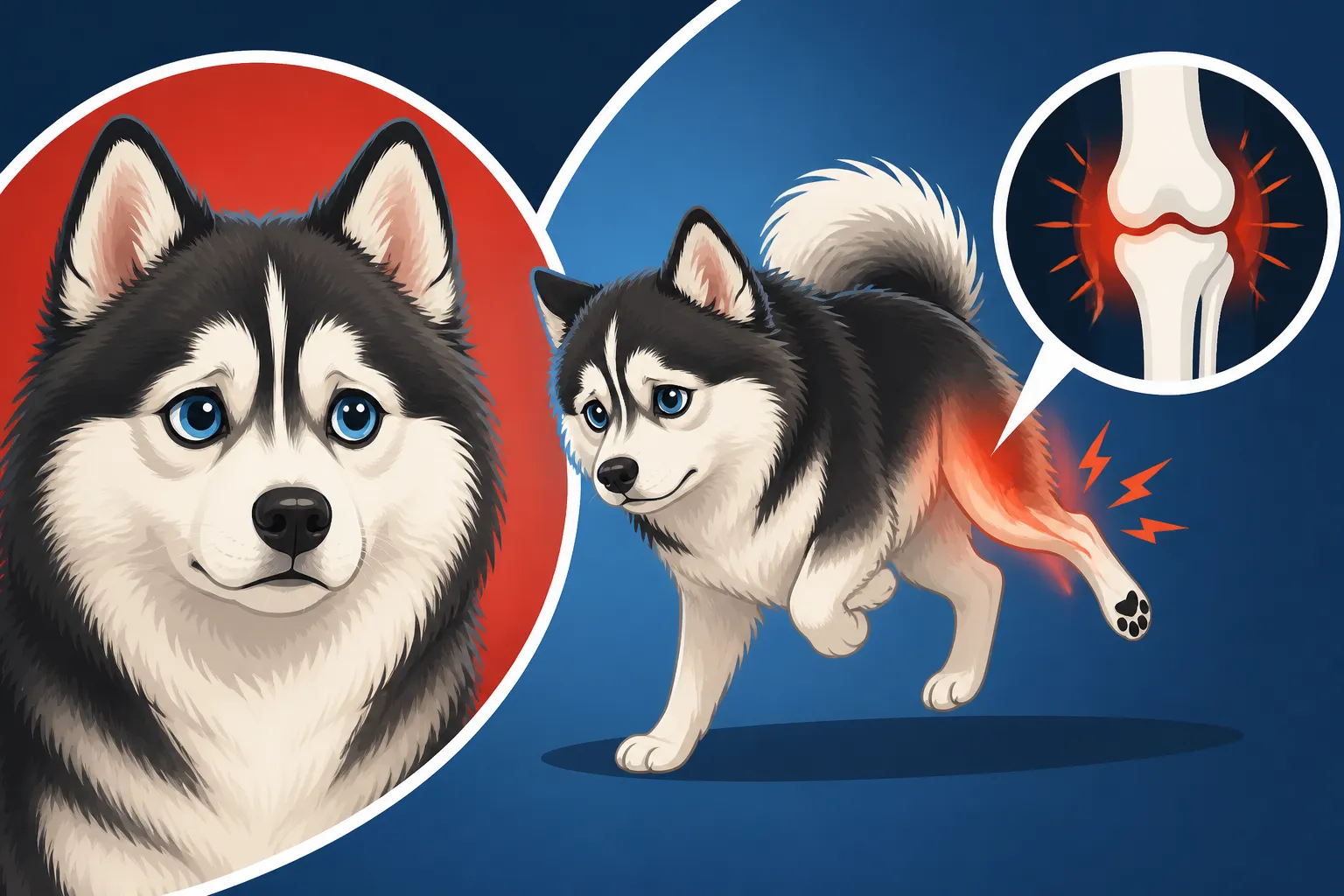
The Skip That Means a Pomsky’s Knee Has Gone
It's truly unsettling when you notice your beloved Pomsky suddenly lift a back leg, take a few awkward hops, and then act as if nothing happened. That little skip can send a wave of worry through any pet parent, making you wonder if it was just a strange step or something more serious. This kind of intermittent lameness is often the first hint of a common orthopedic issue in smaller breeds known as patellar luxation, and understanding what it means and how to address it is crucial for your Pomsky's comfort and long-term health.
Understanding Patellar Luxation in Pomskies
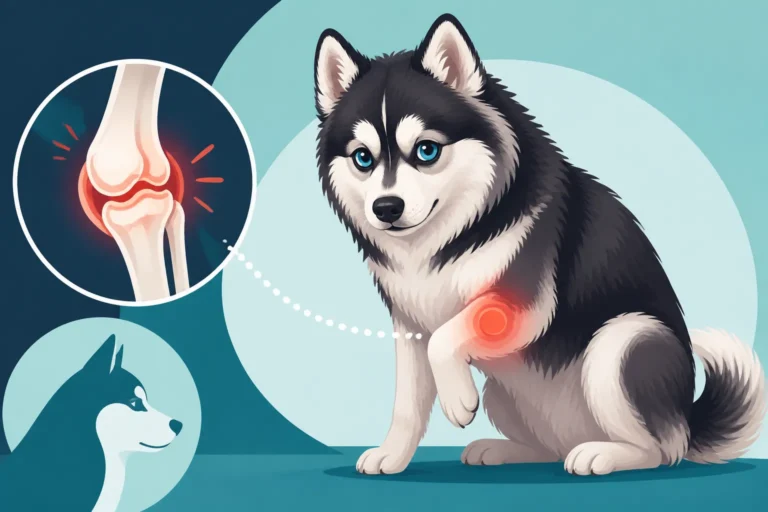
Patellar luxation, commonly referred to as a "slipping kneecap," is a condition where the patella (kneecap) dislocates or moves out of its normal groove in the femur (thigh bone). This can happen in either direction, but most often, it slips towards the inside of the leg (medial luxation). It's a surprisingly prevalent issue, especially in smaller dogs, and because the Pomsky inherits traits from both the Pomeranian and the Husky, they can sometimes carry a genetic predisposition to this anatomical quirk.
What is Patellar Luxation?
Imagine your knee joint: the kneecap is supposed to glide smoothly up and down in a specific groove at the end of your thigh bone. In patellar luxation, that groove might be too shallow, or the ligaments supporting the kneecap might be too loose, or the bone structures themselves might be misaligned, causing the kneecap to pop out of place. This dislocation prevents the leg from extending properly and can cause immediate discomfort or pain, leading to the characteristic skip you might observe. Once the kneecap slips back into place, the dog usually resumes normal activity as if nothing was wrong, making it easy to dismiss as a one-off incident. But unfortunately, it often recurs, and can worsen over time. This is part of the broader discussion of Slipping Kneecaps in a Pomsky.
The severity can range quite a bit. Sometimes, the kneecap only slips out occasionally and causes minimal bother. Other times, it might be permanently dislocated, causing chronic lameness and pain. The underlying issue is usually developmental, meaning the dog is born with the anatomical predisposition, even if the symptoms don't show up until later in life, sometimes triggered by an injury or simply the wear and tear of daily activity.
Why Pomskies are Prone to This
The genetic lottery plays a significant role here. Pomeranians, one of the Pomsky's parent breeds, are notorious for patellar luxation. Their small stature and specific bone structure often come with this genetic baggage. While Huskies are generally a larger, more robust breed and less commonly affected by patellar luxation, the Pomeranian's genetic influence can still dominate in a Pomsky mix, especially if the Pomsky leans towards the smaller side. It's a bit like a roll of the dice; your Pomsky might inherit the strong, sturdy joints of a Husky, or the more delicate, predisposed knees of a Pomeranian.
Breeders who perform health screenings on their breeding dogs are making a concerted effort to reduce the incidence of this condition. They will often screen parents for orthopedic issues, including patellar luxation, through veterinary examinations and sometimes X-rays, to avoid passing on these traits. However, even with the best intentions, genetics can be unpredictable in mixed breeds. Understanding these predispositions is key, because it informs how you care for your Pomsky, from monitoring their activity to ensuring they maintain a healthy weight.
The Different Grades of Patellar Luxation
Veterinarians classify patellar luxation into four grades based on severity, which helps determine the best course of action. This grading system is crucial for understanding the progression and treatment needs, and you can learn more about it in Patellar Luxation Grades in a Pomsky.
- Grade 1: This is the mildest form. The kneecap can be manually luxated (pushed out of the groove) but pops back into place on its own. Your dog might show very few, if any, symptoms, perhaps just an occasional skip. Many dogs live full, happy lives at this grade without intervention, though monitoring is always recommended.
- Grade 2: The kneecap spontaneously luxates (slips out) but will also spontaneously reduce (pop back in) most of the time. This is where you'll most commonly see that characteristic skip or hop. The dog might hold the leg up for a few steps, then continue walking normally. The frequency of luxation can increase over time, and it might be a bit more painful for your Pomsky.
- Grade 3: The kneecap is luxated most of the time, but it can be manually put back into place. However, it will slip out again almost immediately. Dogs with Grade 3 luxation often show persistent lameness, an abnormal gait, and sometimes pain. This level usually necessitates surgical intervention to improve quality of life and prevent further joint damage.
- Grade 4: This is the most severe form. The kneecap is permanently luxated and cannot be manually returned to its normal position. Dogs with Grade 4 luxation often walk with a crouched stance, cannot fully extend their knee, and experience significant discomfort or pain. This grade almost always requires surgical correction, which can be more complex due to the chronic nature of the dislocation and potential secondary changes to the bone.
Recognizing the Tell-Tale Signs of a Slipping Kneecap
Catching patellar luxation early can make a real difference in managing the condition and ensuring your Pomsky remains comfortable. It's about being observant of those subtle changes in their gait and behavior.
The Characteristic Skip or Hop
This is the classic, unmistakable sign that many Pomsky owners first notice. Your dog will be trotting along, seemingly fine, and then suddenly, they'll pick up a back leg, hold it bent for a few steps, perhaps hop on three legs, and then just as quickly, put the leg back down and carry on as if nothing happened. It's often transient, lasting only a few seconds or a minute. The reason for this "skip" is that when the kneecap slips out, the leg can't extend properly. By holding it up, your Pomsky is essentially "resetting" the kneecap, allowing it to pop back into place.
This skip might occur sporadically at first, perhaps only once a week or even less frequently. Over time, especially with higher-grade luxation, you might notice it happening more often, or your Pomsky might hold the leg up for longer periods. It's a subtle sign, easily missed if you're not paying close attention, but it's often the earliest and clearest indicator that something is amiss with their knee. If you've ever wondered The Age a Pomsky's Kneecap First Slips, it can actually be quite young, even in puppyhood, or sometimes not until adulthood.
Other Behavioral Clues and Physical Symptoms
Beyond the skip, there are other signs that might suggest a slipping kneecap:
- Reluctance to Bear Weight: Your Pomsky might occasionally be hesitant to put weight on the affected leg, especially after resting or getting up. They might favor one leg slightly.
- Limping: A more consistent limp, rather than just a skip, can occur, particularly if the luxation is more severe or causing pain.
- Pain or Discomfort: While not always obvious, some dogs will vocalize (whine or yelp) when the kneecap slips, or they might show signs of discomfort when you touch their knee. They might also lick the area excessively.
- Stiffness After Rest: You might notice your Pomsky is a bit stiff or takes a moment to warm up after lying down for a while. This can be an early sign of joint irritation or developing arthritis due to the instability.
- Abnormal Gait: In more advanced cases, your Pomsky might develop a persistent "bow-legged" appearance if the kneecap constantly slips to the inside, or a "knock-kneed" appearance if it slips to the outside. They might walk with a crouched posture to compensate.
- Swelling or Clicking Sound: While less common, in some cases, you might notice slight swelling around the knee joint, or even hear a clicking or grinding sound when the leg is moved, which indicates bone-on-bone friction.
What to Do When You See the Skip
If you notice your Pomsky exhibiting any of these signs, especially the characteristic skip, the most important first step is to schedule an appointment with your veterinarian. Don't wait for it to get worse or become more frequent. Early diagnosis and intervention can often prevent the condition from progressing and reduce the risk of secondary problems like arthritis down the road.
Before your vet appointment, try to observe your Pomsky closely. Note down:
- How often does the skip happen?
- How long does it last?
- Does it happen on both legs or just one?
- Does it seem to be associated with certain activities (e.g., jumping, running, playing)?
- Does your Pomsky show any signs of pain?
This information will be incredibly helpful for your vet in making a diagnosis. Avoid trying to manipulate your dog's leg yourself, as you could cause further injury. Keep their activity levels moderate until you've had a professional assessment.
Diagnosis and Management Options
Once you've noticed those tell-tale skips, the next step is getting a proper veterinary diagnosis. This isn't just about confirming patellar luxation but also understanding its severity and developing the best plan for your furry friend.
How a Veterinarian Diagnoses Patellar Luxation
When you bring your Pomsky to the vet with concerns about a skipping knee, the first thing they'll do is a thorough physical examination. This typically involves palpating (feeling) the knee joint. During this exam, your vet will try to manually luxate the patella by gently manipulating the leg. They'll also check the range of motion of the knee and assess for any instability or pain. Often, they can feel the kneecap slip out of its groove, even if your dog isn't showing symptoms at that exact moment.
In many cases, a physical exam is enough to diagnose patellar luxation and even grade its severity. However, your vet might recommend X-rays. While X-rays don't directly show the kneecap slipping, they are invaluable for assessing the overall bone structure of the leg, including the depth of the trochlear groove (where the kneecap sits), the alignment of the tibia and femur, and for checking for any secondary changes like arthritis, which can develop over time due to chronic instability. For example, if your vet sees signs of Hip Dysplasia in a Pomsky or other bone issues, X-rays become even more crucial. These images provide a more complete picture of your Pomsky's orthopedic health.
Non-Surgical Management for Mild Cases
For Pomskies with Grade 1 or sometimes even Grade 2 patellar luxation that are not experiencing significant pain or lameness, a conservative, non-surgical approach is often the first line of defense. The goal here is to manage symptoms, prevent progression, and support joint health.
- Weight Management: This is paramount. Extra weight puts significant strain on all joints, including the knees. Keeping your Pomsky at a lean, healthy weight can dramatically reduce the stress on their luxating patella and may prevent it from slipping as often or as severely. Your vet can help you determine your Pomsky's ideal weight.
- Joint Supplements: Supplements containing ingredients like glucosamine, chondroitin, and MSM can help support cartilage health and reduce inflammation in the joint. While they won't fix the anatomical problem, they can significantly improve comfort and slow the progression of arthritis. Many owners find success using these, and the question of Whether Joint Supplements Help a Pomsky is a common one with a generally positive answer.
- Controlled Exercise: Maintaining muscle strength around the knee is important for stability. However, high-impact activities, excessive jumping, or sudden turns should be avoided. Instead, focus on controlled, low-impact exercises like leash walks on even surfaces or swimming.
- Anti-inflammatory Medications: During flare-ups of pain or inflammation, your vet might prescribe non-steroidal anti-inflammatory drugs (NSAIDs) to help your Pomsky feel more comfortable. These are typically used short-term.
- Physical Therapy: Specific exercises recommended by a veterinary physical therapist can help strengthen the muscles surrounding the knee, which can provide better support for the joint.
When Surgery Becomes Necessary
While conservative management works for many, there comes a point where surgery is the best, or only, option to provide long-term relief and improve your Pomsky's quality of life. This is often the case for Grade 3 and Grade 4 luxations, or for Grade 2 cases where pain and lameness are persistent and negatively impacting the dog. Understanding Which Patella Grade Needs Surgery in a Pomsky is a critical discussion to have with your vet.
The primary goal of surgery is to realign the patella and ensure it stays within its groove. Common surgical techniques include:
- Trochleoplasty: This involves deepening the trochlear groove in the femur so the kneecap has a more secure channel to glide in.
- Tibial Crest Transposition: The tibial crest, which is the bony attachment point for the patellar ligament on the tibia, is cut and re-anchored to a new, more appropriate position. This helps to realign the entire quadriceps mechanism, keeping the patella centered.
- Lateral Imbrication: This technique involves tightening the joint capsule and surrounding soft tissues on the side opposite to where the kneecap is luxating, providing more stability.
Often, a combination of these techniques is used. The decision for surgery is usually made after careful consideration of your Pomsky's grade of luxation, their level of pain, their age, and any secondary arthritic changes.
Post-Surgery Care and Recovery
Recovery after patellar luxation surgery is a commitment, but it's essential for a successful outcome. Your Pomsky will need strict rest and restricted activity for several weeks, sometimes even months. This means no jumping, no running, and often, leash walks only for bathroom breaks.
Your vet will provide specific instructions, which usually include:
- Pain Management: Medications to keep your Pomsky comfortable during the initial healing phase.
- Wound Care: Keeping the incision site clean and dry, and preventing your Pomsky from licking or chewing it (often with an Elizabethan collar).
- Rehabilitation Exercises: Gradually increasing activity, often under the guidance of a physical therapist. This might start with gentle passive range of motion exercises and progress to controlled strengthening exercises.
- Follow-up Appointments: Regular vet checks to monitor healing and assess progress.
It's a marathon, not a sprint, but with dedicated post-operative care, most Pomskies go on to recover well and enjoy a significant improvement in their mobility and comfort. You might also want to look into What Patella Surgery Costs a Pomsky Owner to prepare financially.
Preventing and Living with Patellar Luxation
While some aspects of patellar luxation are genetic and beyond our control, there's a lot we can do as owners to support our Pomskies and minimize the impact of this condition.
Proactive Steps for Pomsky Owners
Prevention truly starts before you even bring your Pomsky home. Responsible breeding practices are the cornerstone of reducing the incidence of genetic health issues.
- Choose a Reputable Breeder: Seek out breeders who perform health testing on their breeding stock, including orthopedic evaluations for patellar luxation. They should be transparent about the health history of their lines. While it doesn't guarantee your puppy will be free of all issues, it significantly lowers the risk.
- Maintain a Healthy Weight: As mentioned, excess weight is a major contributing factor to joint stress. Feed your Pomsky a high-quality, balanced diet and monitor their caloric intake. If you're unsure about their ideal weight, consult your veterinarian.
- Controlled Exercise and Activity: Encourage exercise that builds muscle without putting undue strain on the joints. Avoid activities that involve excessive jumping, sudden stops, or quick turns, especially during puppyhood when their joints are still developing. For instance, you might want to consider Whether a Pomsky Should Jump Off Furniture as a preventative measure. Instead, opt for controlled leash walks, short play sessions on soft surfaces, or even swimming, which is excellent low-impact exercise.
- Avoid High-Impact Surfaces: Hard surfaces like concrete or asphalt can be jarring on joints. If you regularly walk your Pomsky on such surfaces, consider shorter walks or varying your routes to include grass or softer trails.
- Supplementation Consideration: Discuss with your vet whether starting joint supplements proactively (even before symptoms appear) could be beneficial for your Pomsky, especially if they come from a line known for patellar luxation or if they are a smaller Pomsky.
Enhancing Your Pomsky's Quality of Life
If your Pomsky has been diagnosed with patellar luxation, or if they're recovering from surgery, making adjustments around the house can make a world of difference in their comfort and safety.
- Ramps and Steps: Provide ramps or pet steps to help your Pomsky access elevated surfaces like couches, beds, or cars. This eliminates the need for jumping, which can put immense strain on their knees. Even a short jump down can cause a kneecap to slip or re-injure a healing joint.
- Comfortable Bedding: Invest in orthopedic dog beds that provide good support for their joints. Memory foam beds can distribute weight evenly and relieve pressure points, which is especially important for dogs with joint issues or those recovering from surgery. If your Pomsky is getting older, Beds That Suit an Arthritic Pomsky can make their senior years much more comfortable.
- Non-Slip Flooring: If you have hardwood or tile floors, consider placing rugs or runners in high-traffic areas. Slippery surfaces can cause your Pomsky to splay out, leading to instability and potential kneecap luxation or re-injury.
- Regular, Gentle Exercise: Even with patellar luxation, appropriate exercise is still crucial for maintaining muscle tone and overall well-being. Work with your vet or a certified rehabilitation specialist to develop an exercise plan tailored to your Pomsky's specific needs and condition. For Pomskies with knee issues, you'll need to know Exercise for a Pomsky With Bad Knees to keep them active without causing further harm.
- Regular Veterinary Check-ups: Consistent monitoring is key. Regular vet visits allow your veterinarian to assess the progression of the condition, make adjustments to the management plan, and catch any secondary issues, such as Arthritis in a Pomsky at Ten, early.
Costs and Insurance Considerations
Dealing with a health condition like patellar luxation can come with significant financial implications. Being prepared and understanding your options is part of responsible pet ownership.
Understanding the Financial Impact
The costs associated with diagnosing and treating patellar luxation can vary widely depending on the severity, the chosen course of treatment, and your geographical location.
- Diagnosis: Initial veterinary consultations, physical exams, and X-rays can range from a few hundred dollars.
- Non-Surgical Management: If conservative management is chosen, ongoing costs will include joint supplements (which can be $30-$60 per month), anti-inflammatory medications (if needed, variable cost), and potentially physical therapy sessions ($50-$150 per session, often requiring multiple sessions).
- Surgical Intervention: This is where costs can really add up. Patellar luxation surgery typically ranges from $1,500 to $5,000 per knee. This usually includes the surgical procedure itself, anesthesia, post-operative medications, and initial follow-up care. If both knees are affected, the cost will be double, though sometimes both can be addressed in one surgery, which might slightly reduce the overall cost compared to two separate procedures.
- Post-Operative Care: After surgery, you'll have ongoing costs for pain management, rehabilitation therapy, and potentially long-term joint support supplements. This can add another several hundred to a thousand dollars, or more, depending on the extent of rehabilitation needed.
These figures can be quite daunting, and it's important to have an honest conversation with your vet about the expected costs so you can plan accordingly. Remember, What Patella Surgery Costs a Pomsky Owner is a major consideration.
The Role of Pet Insurance
Pet insurance can be a lifesaver when faced with unexpected veterinary bills, especially for conditions like patellar luxation. It can help offset a significant portion of the costs, making crucial treatments more accessible. When looking for pet insurance, it's essential to understand what's covered. Providers like Healthy Paws are well-regarded for their comprehensive coverage, but specific terms and conditions apply.
Here's what to look for and consider:
- Waiting Periods: Most insurance policies have waiting periods before coverage for certain conditions, including orthopedic issues, kicks in. Be sure to check these periods; for patellar luxation, it can often be 6-12 months.
- Pre-existing Conditions: This is critical. If your Pomsky shows symptoms of patellar luxation or is diagnosed before you enroll in an insurance policy or during the waiting period, it will almost certainly be considered a pre-existing condition and not be covered. This is why getting pet insurance early, when your Pomsky is a young puppy and healthy, is so important.
- Coverage Levels: Understand the deductible, reimbursement percentage (e.g., 70%, 80%, 90%), and annual limits. A higher reimbursement percentage means more of the bill is covered by the insurance.
- Orthopedic Specifics: Some policies might have specific clauses or even exclusions related to orthopedic conditions. It's vital to read the fine print and confirm Whether Patella Trouble Is Excluded on a Pomsky Policy. Reputable companies like Healthy Paws often cover patellar luxation if it's not a pre-existing condition, but it's always best to clarify directly with them.
- Cost-Benefit Analysis: While insurance is an added monthly expense, comparing it to the potential cost of surgery or lifelong management for patellar luxation often reveals its immense value. Even with a policy, you'll still have out-of-pocket costs (deductible, co-pay), but they will be significantly less than paying the full bill yourself.
Enrolling your Pomsky in a good pet insurance plan from a provider like Healthy Paws can provide immense peace of mind, knowing that you'll be able to make medical decisions based on what's best for your dog, rather than solely on what you can afford.
Comparing Patellar Luxation Grades
Understanding the different grades of patellar luxation can help you and your veterinarian make informed decisions about managing your Pomsky's knee health.
| Grade of Luxation | Description of Patella Movement | Common Symptoms Observed | Typical Management Approach | Potential Long-Term Effects |
|---|---|---|---|---|
| Grade 1 | Can be manually luxated but reduces (pops back in) spontaneously. | Occasional, brief skip or hop; often asymptomatic. | Conservative: Weight management, monitoring, joint supplements. | Minimal; mild arthritis over time if untreated. |
| Grade 2 | Spontaneously luxates, but also spontaneously reduces most times. | More frequent skipping/hopping; occasional lameness; sometimes pain. | Conservative initially; surgery considered if pain/lameness worsen or is persistent. | Progressive arthritis; increased frequency of luxation. |
| Grade 3 | Luxated most of the time; can be manually reduced but slips out again immediately. | Persistent lameness; abnormal "bow-legged" or "knock-kneed" gait; moderate to severe pain. | Surgical correction almost always recommended to improve function and prevent further damage. | Significant arthritis; chronic pain; limited mobility. |
| Grade 4 | Permanently luxated; cannot be manually reduced. | Severe, persistent lameness; crouched stance; inability to extend leg; severe pain. | Surgical correction is essential but can be more complex due to bone deformation. | Severe, debilitating arthritis; permanent mobility issues. |
Disclaimer
This article is intended for informational purposes only and does not constitute veterinary advice. Always consult with a qualified veterinarian for any health concerns or before making any decisions about your pet's medical care.