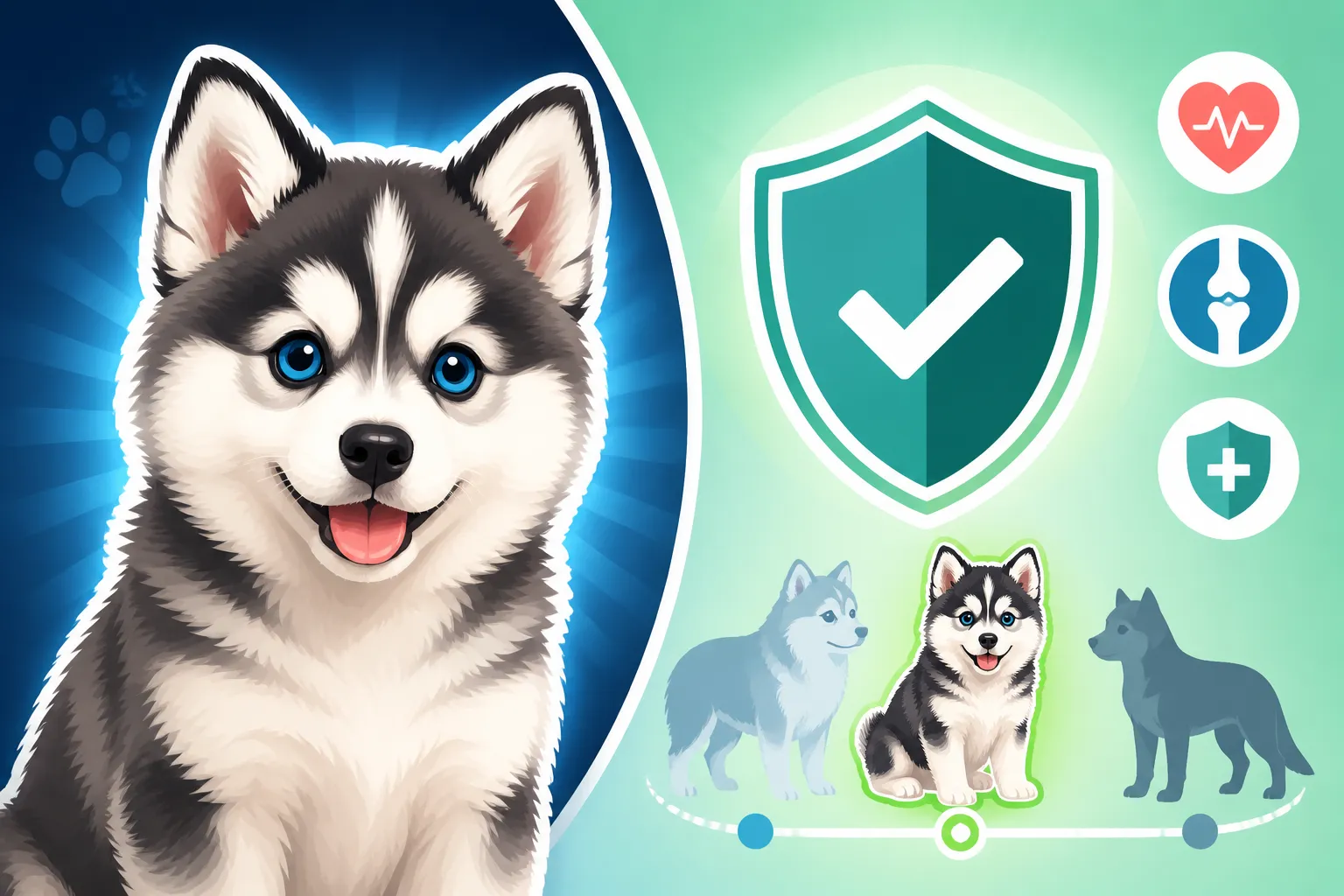
Whether an F1 Pomsky Is the Healthiest Generation
The quest for a healthy Pomsky often leads prospective owners down a rabbit hole of genetics, breeding practices, and confusing terminology like "F1," "F2," and "multigen." It’s incredibly frustrating when you're trying to make the best decision for a new family member, only to be met with conflicting advice about which generation is truly the healthiest. This guide aims to demystify whether an F1 Pomsky genuinely represents the healthiest generation, diving deep into the science and reality behind this popular belief.
Understanding F1 Pomskies and the Concept of Hybrid Vigor
When you hear about an "F1 Pomsky," it's easy to get lost in the jargon. Let's break down exactly what that means and why it's often associated with superior health. The "F1" designation simply means "first filial generation" – essentially, a direct cross between two purebred parents. In the case of a Pomsky, this means a Siberian Husky mother and a Pomeranian father. This initial cross is where the theory of "hybrid vigor" often comes into play.
Defining F1 Pomskies and Their Genetic Makeup
An F1 Pomsky is the very first generation of the crossbreed. Their parents are a purebred Siberian Husky and a purebred Pomeranian, not two Pomskies breeding together. This specific pairing is crucial because it ensures a direct 50/50 genetic split from two distinct gene pools. Because of the significant size difference between a Husky and a Pomeranian, the mother must always be the larger Siberian Husky to ensure a safe pregnancy and delivery, avoiding serious health risks for the smaller Pomeranian.
This direct blend means that an F1 Pomsky inherits one set of genes from each purebred parent. This genetic diversity is the foundation of why many believe F1s are the healthiest. They haven't had generations of similar cross-breeding that might start to concentrate specific genetic traits or predispositions. Each puppy in an F1 litter will have its own unique combination of genes from the parents, leading to a wide range of appearances and temperaments, which is part of their charm but also part of their unpredictability.
The Theory of Hybrid Vigor (Heterosis)
The term "hybrid vigor," also known as heterosis, refers to the increased strength, health, or fertility often observed in the offspring of genetically diverse parents. The idea is that by crossing two different purebred lines, you're less likely to double up on recessive genes that might carry inherited health problems. Think of it this way: if a Siberian Husky carries a recessive gene for a certain condition, and a Pomeranian carries a recessive gene for a different condition, their F1 offspring might only inherit one copy of each problematic gene. Since these genes are recessive, the dog won't express the condition.
This genetic diversity is believed to dilute the prevalence of breed-specific hereditary diseases. For example, if a disease is common in Huskies but rare in Pomeranians, an F1 Pomsky might have a lower chance of developing it than a purebred Husky, simply because their genetic pool is broader. Many proponents of designer breeds argue that hybrid vigor makes these first-generation crosses inherently more robust and less susceptible to the concentrated genetic issues seen in some purebred lines. However, it's important to remember that hybrid vigor isn't a magic bullet that makes any crossbreed immune to health problems; it simply reduces the likelihood of conditions tied to specific recessive genes. It's a statistical advantage, not a guarantee.
Health Considerations from Parent Breeds
To truly understand the health profile of an F1 Pomsky, we need to look closely at the potential genetic contributions from both the Siberian Husky and the Pomeranian. Both breeds come with their own set of predispositions, and an F1 Pomsky is a blend of these possibilities, not an exclusion of them. It's like a genetic lottery, but with higher stakes.
Common Ailments in Huskies
Siberian Huskies are generally robust dogs, known for their endurance and resilience. However, like all purebreds, they do have a list of inherited conditions that responsible breeders screen for. Eye diseases are prominent in Huskies, including juvenile cataracts and progressive retinal atrophy (PRA). These conditions can significantly impact a dog's vision and quality of life. Owners of Pomskies often worry about these issues, and indeed, you might be interested in delving deeper into The Eyes a Pomsky Gets From the Husky.
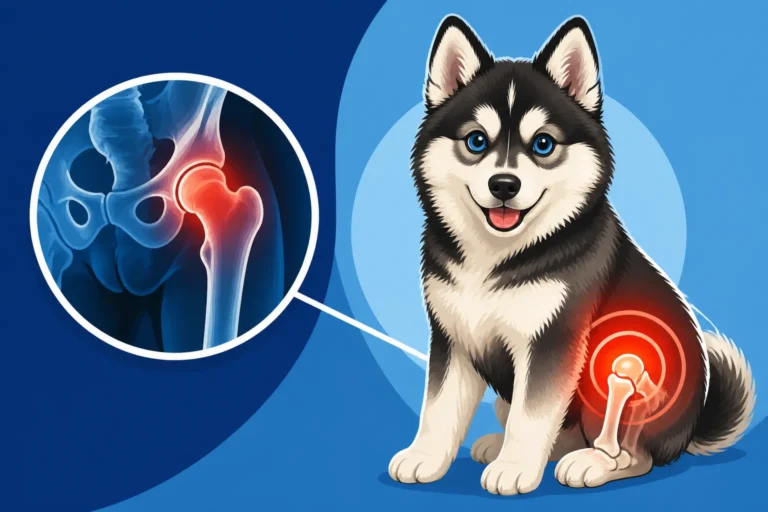
Another concern for Huskies, particularly with their active lifestyles, can be orthopedic issues, though they are generally less prone to severe hip dysplasia than some larger breeds. Still, it's a condition that can affect them. Additionally, some Huskies can be susceptible to certain skin conditions like zinc responsive dermatosis, which can lead to skin lesions and crusting if not managed with dietary supplements. The health tests a good breeder performs on a Husky parent are crucial indicators of the potential health of their Pomsky offspring.
Common Ailments in Pomeranians
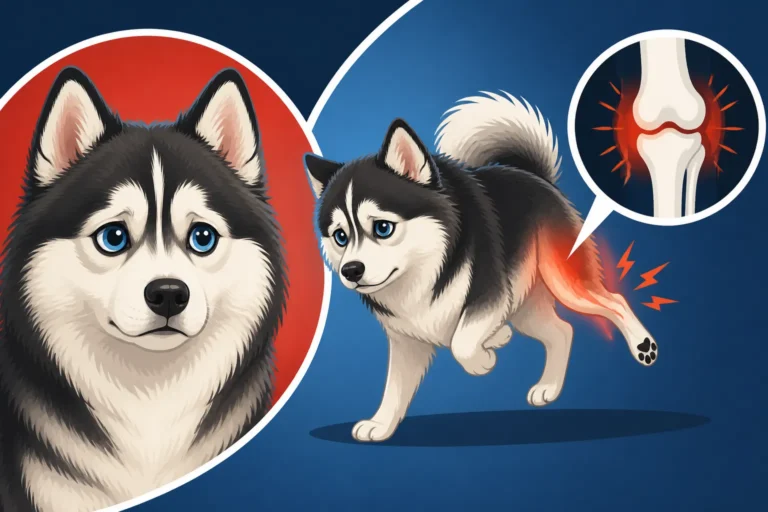
Pomeranians, while tiny, also come with their own unique set of breed-specific health challenges, often related to their small stature. Perhaps the most well-known is patellar luxation, or "slipping kneecaps," where the kneecap dislocates from its groove. This can range from mild to severe, sometimes requiring surgery. This concern is so prevalent that many Pomsky owners search for information like Slipping Kneecaps in a Pomsky to understand its implications.
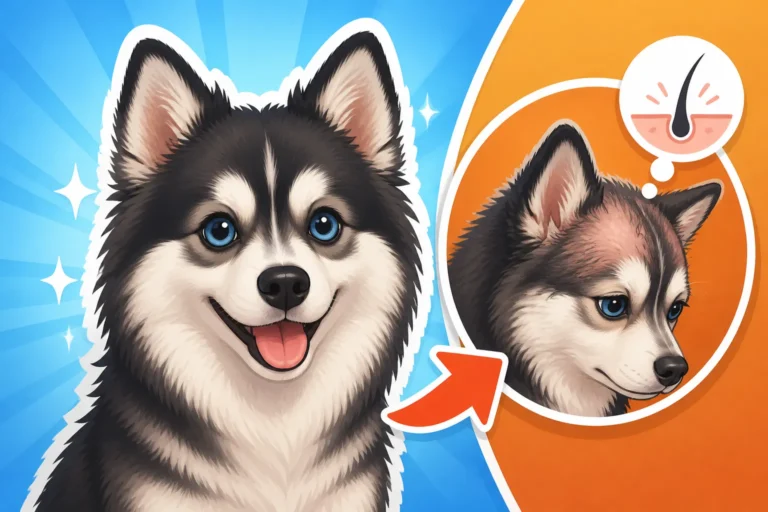
Another significant concern for Pomeranians is tracheal collapse, a condition where the windpipe weakens and flattens, leading to a characteristic honking cough and breathing difficulties. Their small mouths can also lead to severe dental crowding, making them prone to early onset dental disease, necessitating diligent dental care. Additionally, some Pomeranians can be predisposed to Alopecia X, a frustrating condition causing non-itchy hair loss, which Pomsky owners sometimes observe in their own pets. You can learn more about The Collapsing Trachea a Pomsky Gets From the Pomeranian to prepare for potential issues.
How These Conditions Might Manifest in an F1 Pomsky
The manifestation of these inherited conditions in an F1 Pomsky is where the "unpredictability" aspect of hybrid vigor truly comes into play. While hybrid vigor suggests a lower incidence of these diseases due to genetic diversity, it doesn't eliminate the possibility entirely. An F1 Pomsky could inherit any combination of genes from their parents. This means a Pomsky might inherit the eye shape of a Husky and a propensity for certain eye conditions, or the joint structure of a Pomeranian and a tendency towards patellar luxation.
For example, a Pomsky could inherit the genes for hip dysplasia from the Husky side, or develop Dental Crowding in a Pomsky's Small Mouth due to their Pomeranian lineage. The exact combination is a roll of the genetic dice for each puppy. This is why it's vital for prospective owners to understand that while an F1 might be less likely to suffer from a specific breed-exclusive recessive disorder, they are still at risk for any condition present in either parent breed's gene pool. This reality underscores the importance of parental health screening, which we’ll discuss further. The idea that The Two Opposite Disease Lists a Pomsky Inherits can cancel each other out is a bit of an oversimplification; rather, it's about reducing the statistical probability of inheriting two copies of a problematic recessive gene.
The Reality of Predicting Health in F1 Pomskies
Despite the enthusiasm around hybrid vigor, the truth about predicting the health of an F1 Pomsky is more nuanced. It’s not simply a matter of two purebreds creating a healthier offspring; responsible breeding practices and ongoing care play an enormous role.
The Unpredictability of F1 Crosses
One of the biggest misconceptions about F1 Pomskies is that they are uniformly healthy. While the concept of hybrid vigor is sound in theory, its practical application to individual dogs can be unpredictable. Each F1 puppy receives a random mix of genetic material from both parents. This means one puppy in a litter might inherit more "positive" health traits from both sides, while another might unfortunately inherit a predisposition to issues from both breeds.
For instance, you might end up with a Pomsky that has the bone structure that could lead to Hip Dysplasia in a Twenty Pound Pomsky from the Husky lineage and the tracheal sensitivity from the Pomeranian side. There’s no guarantee that the "best" genes from each parent will be passed on, nor that the "worst" genes will be skipped. This unpredictability is a defining characteristic of first-generation crosses. It's why two F1 littermates can grow up looking completely different and having different health profiles. The promise of "hybrid vigor" is an average trend across a population, not a certainty for every single dog.
The Role of Responsible Breeding Practices
The single most critical factor in the health of any Pomsky, F1 or otherwise, is the integrity and knowledge of the breeder. A truly responsible breeder will prioritize the health of their breeding stock above all else, regardless of the generation they are producing. This means performing comprehensive health screenings on both the Siberian Husky dam and the Pomeranian sire for conditions prevalent in their respective breeds.
These health tests typically include OFA (Orthopedic Foundation for Animals) certifications for hips and patellas, CERF (Canine Eye Registration Foundation) exams for eye health, and potentially cardiac evaluations. A good breeder will be transparent about these results and happy to share them. They understand that The Health Tests a Pomsky Breeder Should Show are not just a formality but a fundamental part of producing healthy puppies. Without this crucial step, even an F1 Pomsky, touted for its hybrid vigor, could inherit serious health issues if the parent dogs were not properly screened. A breeder who cuts corners on health testing for the parents is gambling with the puppies' future, regardless of genetic generation.
Beyond Just Generation: Environmental Factors
While genetics lay the foundation for a Pomsky's potential health, environmental factors and day-to-day care are equally vital in determining their actual lifespan and well-being. A Pomsky with excellent genetics can still suffer from preventable issues if not given proper nutrition, exercise, and veterinary care. Conversely, a Pomsky with some genetic predispositions can live a long, healthy life with diligent management.
Things like diet, appropriate exercise, weight management, and routine vet check-ups play a huge role. Ensuring your Pomsky maintains a healthy weight can prevent conditions like arthritis from worsening or lessen the strain on joints susceptible to patellar luxation. Regular dental care, which is particularly important for breeds prone to Dental Crowding in a Pomsky's Small Mouth, can prevent painful infections. Even how you train and interact with your dog, like using a harness instead of a collar to protect a potentially delicate trachea, contributes significantly. All of these elements collectively contribute to The Twelve to Fifteen Years a Pomsky Lives, far beyond just their F1 status.
What to Look for in a Healthy F1 Pomsky
So, if "F1" isn't a magic bullet for health, what should you be focusing on when looking for a healthy Pomsky? It boils down to diligent research, asking the right questions, and partnering with a trustworthy breeder and veterinarian.
Health Screening for Parents
This cannot be stressed enough: the health of the F1 Pomsky is directly linked to the health of its purebred parents. A reputable breeder will have extensive health clearances for both the Husky mother and the Pomeranian father. For the Husky parent, this should include eye certifications from a veterinary ophthalmologist (like OFA Eye Certification or CERF) to screen for conditions such as cataracts or progressive retinal atrophy. For the Pomeranian parent, patella evaluations (OFA Patella certification) are essential to check for slipping kneecaps. Cardiac clearances for both parents might also be performed.
It’s not enough for a breeder to simply say their dogs are "healthy" or "vet checked." You need to see the official documentation. Ask for copies of the OFA certificates, CERF results, or any other breed-specific health clearances. If a breeder is evasive or dismisses these requests, it’s a major red flag. Remember, these tests help confirm that the parents are free from common hereditary diseases, significantly reducing the chances of these issues being passed on to their F1 offspring.
Questions to Ask Breeders
Beyond health clearances, engaging in a thorough conversation with a prospective breeder is crucial. Don’t be afraid to ask detailed questions about their breeding philosophy and practices. Inquire about the temperament and health history of past litters. Ask about their socialization practices for puppies. Here are some key questions:
- "Can I see the health clearances for both the dam (Husky) and sire (Pomeranian)?"
- "What are the typical health issues you've seen in your Pomsky lines?"
- "What is your health guarantee, and what does it cover?"
- "How often do you breed your female dogs?"
- "Can you provide references from previous puppy buyers?"
- "What do you do to ensure the puppies are well-socialized before going to their new homes?"
A responsible breeder will welcome these questions and be eager to provide detailed answers, demonstrating their commitment to the breed and their puppies' well-being. They often spend considerable resources on vetting their breeding dogs and ensuring optimal care, as highlighted in topics like What a Pomsky Breeder Spends Before a Litter Exists. Be wary of breeders who pressure you, don't allow you to visit their facility, or can't answer your questions satisfactorily.
Early Puppy Care and Vet Visits
Once you bring your F1 Pomsky puppy home, their health journey is just beginning. Your commitment to early and ongoing veterinary care is paramount. Your puppy should have received their first set of vaccinations and deworming treatments from the breeder, but a visit to your own veterinarian within the first few days of bringing them home is non-negotiable. This initial vet check allows your vet to assess the puppy's overall health, establish a baseline, and discuss a vaccination schedule, preventative care, and nutrition.
This is also a great time to talk about pet insurance. Companies like Healthy Paws can offer peace of mind, covering unexpected accidents and illnesses that can crop up even in the healthiest of F1 Pomskies. While we hope for the best, having a plan in place for unforeseen veterinary costs is a responsible step for any pet owner. Discussing diet with your vet is also important, as proper nutrition is vital for growth and development. Early socialization and training are equally important for their mental well-being, influencing their behavior and ability to cope with new situations throughout their lives. Healthy Paws is just one option, but exploring pet insurance early can save a lot of stress down the line.
Ultimately, while the concept of hybrid vigor suggests F1 Pomskies can be healthier due to increased genetic diversity, it is far from a guarantee. The true indicator of a healthy F1 Pomsky lies in the responsible breeding practices of the parents, rigorous health screenings, and a lifetime commitment to proper care from you, the owner. Don't be swayed by the "F1" label alone; dig deeper to ensure you're getting a genuinely well-bred and healthy companion.
Understanding Health Probabilities in Pomsky Generations
Understanding the health implications across different Pomsky generations can be quite complex, as each generation comes with its own set of potential benefits and challenges. While F1 Pomskies are often highlighted for hybrid vigor, it's important to see how they fit into the broader picture of Pomsky breeding.
| Generation | Parentage | Genetic Diversity | Health Predisposition | Predictability of Traits (Health/Temperament) |
|---|---|---|---|---|
| F1 Pomsky | Purebred Husky x Purebred Pomeranian | Highest | Inherits potential issues from both | Low |
| F1B Pomsky | F1 Pomsky x Purebred Husky/Pomeranian | High | Tilted towards the backcross parent | Moderate |
| F2 Pomsky | F1 Pomsky x F1 Pomsky | Moderate | Potential for recessive gene expression | Moderate |
| Multi-gen | F2 Pomsky x F2 Pomsky (or later crosses) | Varies | Depends on line breeding and selection | Higher, if breeder focuses on specific traits |
As you can see from the table, the F1 generation indeed boasts the highest genetic diversity. This is the core reason behind the hybrid vigor theory. However, this high diversity also means a wide range of outcomes in terms of physical traits, size, and even temperament, as genes from both parent breeds express themselves in varied ways. This unpredictability in appearance and personality is often why some breeders prefer to move to F2 or multi-generational crosses, aiming for more consistent results. However, with increased predictability, there can also be a reduction in hybrid vigor. The key takeaway is that Whether an F1 Pomsky Is Healthier Than an F2 or other generations, depends heavily on the individual dogs involved and the breeder's dedication to health testing.
Disclaimer
The information provided in this guide is for general informational purposes only and does not constitute veterinary advice. Always consult with a qualified veterinarian for any health concerns or before making any decisions about your pet's health or treatment.