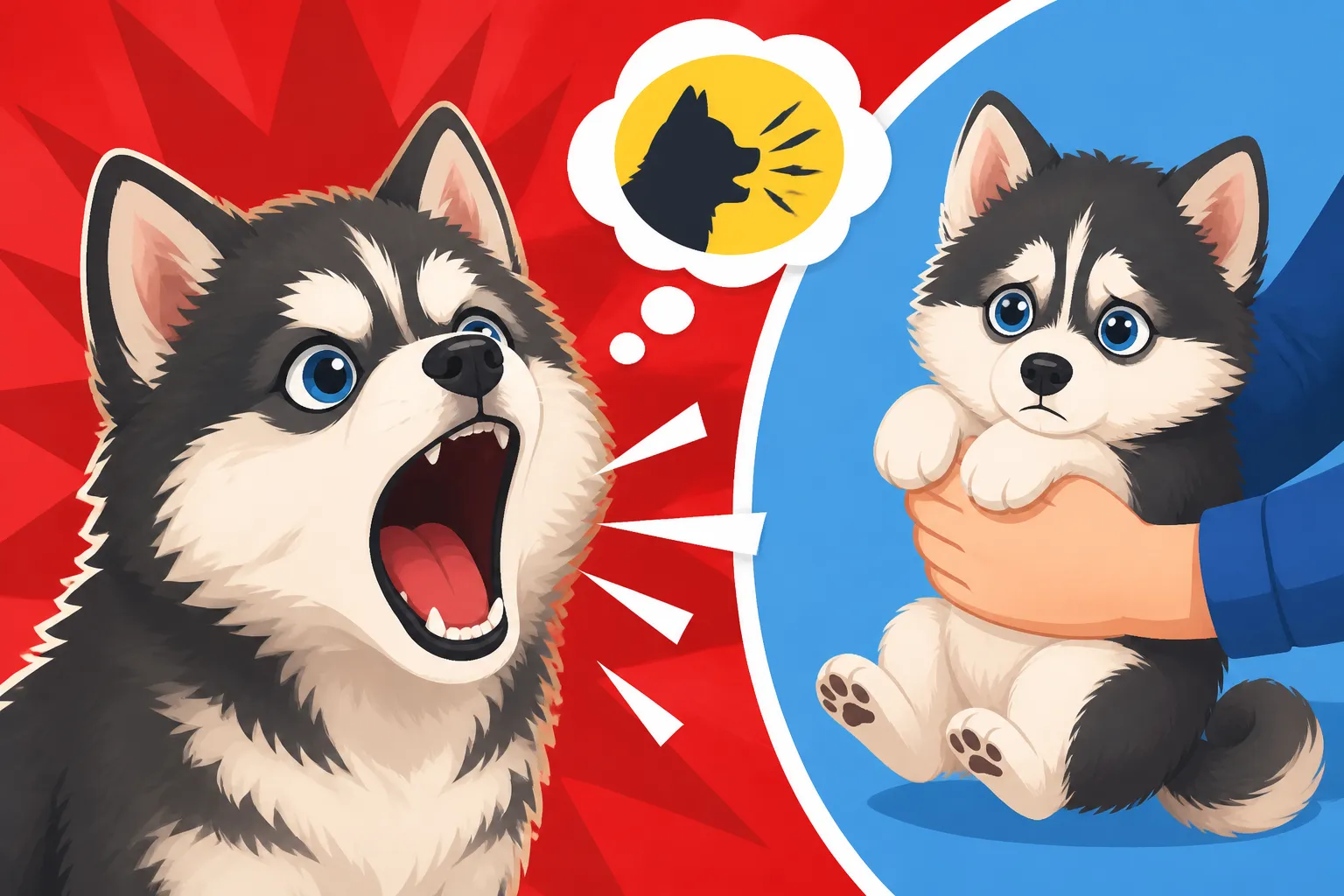
Whether a Pomsky Screams When Restrained
It's incredibly jarring, isn't it? One moment you're trying to trim your sweet Pomsky's nails, or perhaps the vet is just trying to listen to their heart, and the next thing you know, your beloved companion lets out a sound that could rival a banshee. That piercing, ear-splitting scream isn't just a loud noise; it often sounds like pure terror or excruciating pain, leaving you feeling helpless, guilty, and utterly confused. This guide is here to shed light on why your Pomsky might be screaming when restrained, differentiate between genuine distress and dramatic protest, and arm you with practical strategies to navigate these challenging moments.
Understanding the Pomsky's Vocal Repertoire
Pomskies are a fascinating blend, inheriting traits from both the Siberian Husky and the Pomeranian. And let me tell you, when it comes to vocalizations, they often get a double dose of expressiveness! It's not just about barking; their range of sounds is truly something to behold, and sometimes, that includes a rather dramatic scream.
The Husky Influence: Talking, Not Just Barking
Anyone who has spent time around a Husky knows they are not your typical "woof" dogs. Huskies are talkers, often preferring to "woo-woo," whine, grumble, and even howl long, drawn-out melodies. This rich vocal tradition is often passed down to the Pomsky. They use these sounds to communicate everything from excitement and boredom to demanding attention or expressing displeasure. A Husky-influenced Pomsky might not bark much in the traditional sense, but they'll certainly make their presence known through a medley of unique sounds. Sometimes, a high-pitched cry or yelp can escalate into what sounds undeniably like a human scream, especially when they feel their personal space is being invaded or they are being held against their will. If you've ever heard The Husky Howl in a Pomsky, you'll know their lung capacity is impressive for their size.
The Pomeranian's Expressive Nature
On the other side of the family tree, you have the Pomeranian – a small dog with a big personality and a surprisingly loud bark! Poms are known for being alert and vocal, often using their voice to signal perceived threats, demand attention, or simply express their mood. While their default is more of a sharp bark, their expressive nature means they aren't shy about using other vocalizations when feeling strong emotions. When a Pomsky is faced with something they don't like, whether it's a new person or being held still, that Pomeranian side can kick in, amplifying their distress into something more intense than a simple whine. It's an expression of their strong will, and they want you to know exactly how they feel about the situation.
Why Restraint Can Trigger Strong Reactions
For many Pomskies, being physically restrained goes against their independent, often stubborn nature. It's a fundamental challenge to their autonomy. Think about it from their perspective: suddenly, they can't move, can't escape, and they might not understand why. This feeling of being trapped can trigger a fight-or-flight response. Since they can't fight their way out of your grip or physically flee, their most effective tool becomes their voice.
The scream, in many cases, is less about actual pain (though pain should always be ruled out first, which we'll discuss later) and more about a profound protest. It's a dramatic, attention-grabbing way of saying, "I DO NOT LIKE THIS! Let me go NOW!" They quickly learn that this particular vocalization often gets a strong reaction from their human – sometimes even getting them released from the unwanted restraint. This can inadvertently reinforce the behavior, making them more likely to scream the next time they're held.
Common Scenarios Where a Pomsky Might Scream
Restraint isn't just about holding them down; it encompasses any situation where your Pomsky's movement is limited, even if it's for their own good. Understanding these common triggers can help you anticipate and prepare.
Grooming Struggles: Brushing, Nails, and Baths
Oh, the glamour of grooming a Pomsky! With their thick double coats, regular brushing is non-negotiable, but many Pomskies act like you're torturing them with a brush. Trimming nails can be an Olympic sport, and bath time? Forget about it for some. These routine tasks often involve holding them still, manipulating their paws, or standing them in a tub – all forms of restraint.
- Brushing: Imagine trying to get through that beautiful, dense coat with an undercoat rake. Some Pomskies tolerate it, while others will squirm, snap, and yes, scream. They might interpret the tugging or the feeling of the brush on their skin as uncomfortable or even threatening. It's essential to start early and make it a positive experience. You might find a high-velocity force dryer, like those available on Amazon, makes drying after a bath much quicker, but getting them used to the noise and sensation also requires patience and desensitization. If you're struggling, check out Teaching a Pomsky to Be Brushed for tips on how to make it a more pleasant experience.
- Nail Trims: This is a big one. Many dogs, not just Pomskies, absolutely detest nail trims. The sensitivity of their paws, combined with the fear of the quick, can make it a terrifying ordeal. When you hold their paw firmly to trim, they feel restrained and vulnerable. This is a prime moment for a dramatic protest scream. Learning Teaching a Pomsky to Give a Foot is a crucial first step, but even then, the clippers can be a bridge too far for some.
- Baths: Water, slippery surfaces, and being held in place can all contribute to a Pomsky's distress during a bath. The sensation of the water, the unfamiliar smells of shampoo, and being unable to jump out can trigger frantic vocalizations. It's not uncommon for a Pomsky to wail during a bath, making it sound like they're being severely harmed, even when they're perfectly safe.
Vet Visits and Medical Procedures
Vet visits are inherently stressful for many pets. They're in an unfamiliar environment with strange smells, other anxious animals, and people who do uncomfortable things like poke, prod, and give injections. When a vet or vet tech needs to hold your Pomsky still for an examination, a blood draw, or vaccinations, that scream can manifest.
It's a combination of fear, discomfort, and the feeling of being vulnerable. They don't understand that these procedures are for their own good. A Pomsky's dramatic nature means even a minor discomfort can be met with a sound that suggests significant pain. As a Pomsky owner, it can be horrifying to hear your dog "scream" during a routine check-up, especially if you know they're usually sweet-natured. It often leaves you wondering, "Is it really hurting them that much, or are they just being theatrical?" Usually, it's the latter, but it's always good to communicate openly with your vet about their reactions.
Unwanted Handling by Strangers or Children
Pomskies can be wary of strangers, a trait often inherited from the Pomeranian side, which can be prone to suspicion. While Huskies are generally more outgoing, the blend can sometimes result in a dog that prefers to keep its distance from unfamiliar hands. Similarly, young children, with their unpredictable movements and often clumsy handling, can inadvertently trigger a Pomsky's scream.
If a stranger or a child tries to pet, pick up, or hug a Pomsky who isn't comfortable with the interaction, the dog might feel threatened or overwhelmed. When they can't move away, a scream becomes their loudest form of communication: "Back off! I don't like this!" It's a stark warning and a desperate plea for space. This is why proper socialization from puppyhood is so important, as detailed in Raising a Pomsky Puppy, to help them feel more secure in various social situations.
Strategies to Prevent and Manage Screaming During Restraint
Dealing with a screaming Pomsky can be emotionally draining, but there are many proactive steps you can take to make these situations less stressful for everyone involved. The key is consistent, positive reinforcement training.
Building Positive Associations with Handling
This is foundational. You want your Pomsky to associate being handled with good things, not scary ones. Start small and build up gradually.
- Gentle Touch and Treats: Begin by gently touching your Pomsky's paws, ears, tail, and mouth for just a second, immediately followed by a high-value treat and praise. Repeat this many times a day, slowly increasing the duration and intensity of the touch. The goal is to create a conditioned emotional response where "touch = treat."
- Practice Short Holds: Once they're comfortable with gentle touches, practice holding them gently for a few seconds. For example, hold a paw, then give a treat. Hold their body for a brief hug, then treat. Always release them before they start to protest, so they learn that cooperating leads to freedom and rewards.
- Make Grooming Fun: For grooming tasks like brushing, introduce the tools slowly. Let them sniff the brush, then offer a treat. Touch them with the brush, then treat. Use a lick mat smeared with peanut butter during brushing sessions to distract them and make it a positive experience. If your Pomsky A Pomsky That Fights Being Brushed, these steps are even more critical.
- Simulate Vet Procedures: Practice "pretend" vet exams at home. Gently lift their lips, look in their ears, touch their paws, and even gently squeeze their scruff. Reward generously for cooperation. This desensitization can make actual vet visits much smoother. BAXTER & Bella offers excellent online puppy programs that often include modules on cooperative care and desensitization to handling, which can be a game-changer for dramatic breeds like Pomskies.
Training for Calmness and Cooperation
Beyond just making handling positive, you can actively train your Pomsky to be calm during restraint.
- "Stand" or "Stay" Cues: Teach your Pomsky to stand still on command or to "stay" in a specific position (e.g., on a grooming table). Reward them heavily for holding the position, even for short durations. This gives them a clear job and helps them understand what you want.
- Chin Rest: A "chin rest" cue, where your dog rests their chin in your hand, can be incredibly useful for tasks like eye drops or examining their face. Again, massive rewards for compliance.
- Muzzle Training: For Pomskies who become aggressive or bite when restrained, or those who simply scream so much that it's a danger to themselves or others (e.g., during nail trims at the vet), muzzle training can be a life-saver. A basket muzzle should be introduced gradually and positively, never as punishment. It allows the Pomsky to pant and take treats while preventing bites, and surprisingly, for some dogs, the feeling of the muzzle can actually be calming if introduced correctly. This is very different from forcibly restraining them without prior training. Whether a Pomsky Should Be Muzzled to Be Brushed delves into this sensitive topic.
- Use of a Grooming Arm or Tethers: For home grooming, a grooming arm with a noose or a simple tether to a sturdy surface can help keep your Pomsky in one place without you having to physically wrestle them. This allows your hands to be free for grooming while preventing them from jumping off. Again, introduce this gradually with treats, making it a positive space. You can find many such tools on Amazon.
| Scenario | Why a Pomsky Might Scream | Management Strategy |
|---|---|---|
| Nail Trims | Fear of clippers, sensitive paws | Desensitize to clippers, positive association with paw touches, use Dremel instead of clippers, high-value treats. |
| Brushing | Tugging on knots, feeling trapped | Start with short sessions, positive reinforcement, use lick mats, ensure brush is comfortable, introduce force dryer slowly. |
| Vet Exams | Unfamiliar environment, uncomfortable procedures, feeling vulnerable | Practice "pretend" exams at home, bring high-value treats to the vet, cooperative care training, consider muzzle training. |
| Unwanted Petting | Feeling cornered, distrust of strangers, dislike of rough handling | Socialize early, teach "leave it" or "go say hi" cues, advocate for your dog's space, educate children on gentle handling. |
| Bathing | Slippery surfaces, confined space, cold water | Use a non-slip mat, introduce water gradually, use calming pheromones, make it a quick and positive experience with treats. |
Recognizing and Respecting Your Pomsky's Limits
Sometimes, despite your best efforts, your Pomsky might have a limit. It's crucial to recognize their stress signals before they escalate to a scream. Look for:
- Lip licking or yawning (when not tired): Signs of stress.
- Turning head away or trying to avoid eye contact: Indicating they want to disengage.
- Body stiffening or tense muscles: A precursor to more dramatic reactions.
- Whale eye (showing the whites of their eyes): A clear sign of discomfort or fear.
- Low growl or air snap: These are warnings.
If you see these signs, back off. Give them space, and try again later or with a different approach. Pushing a Pomsky past their limit can damage trust and make future handling even harder. Work with your Pomsky, not against them. If a particular task, like nail trimming, is always a screaming match, consider getting help from a professional groomer or vet tech who uses positive reinforcement techniques. How Early a Pomsky Should Meet a Groomer can give you insights into starting this relationship on the right paw.
When a Scream Signals Something More Serious
While often a dramatic protest, a Pomsky's scream should never be completely dismissed without consideration for their well-being. It's vital to learn to differentiate between genuine pain or severe distress and pure theatricality.
Differentiating Protest from Pain
This is the trickiest part, because a dramatic Pomsky can make a minor discomfort sound like a broken bone! However, there are some clues:
- Consistency: Does the scream happen every single time you touch a specific area, regardless of how gently you do it? Or only when you're trying to restrain them? If it's consistently associated with touching a certain body part, it's worth investigating for pain.
- Body Language: A dog in true pain will often exhibit other signs, such as limping, guarding the area, lethargy, loss of appetite, reluctance to move, or sharp, sudden yelps when touched. A protesting dog might be squirming and vocalizing, but their overall demeanor might not suggest physical injury once the "threat" of restraint is removed. They might run off to play immediately after being released, which is less likely for a dog in genuine pain.
- Circumstance: If your Pomsky only screams when you're trying to brush them but is perfectly happy to be cuddled, it's more likely a protest. If they scream when you gently touch their paw, but also won't put weight on that paw or constantly lick it, that points more towards pain.
- Sudden Onset: If your Pomsky suddenly starts screaming during handling when they never did before, that's a red flag. It could indicate a new injury, dental issue, or other health problem. For example, joint problems like Slipping Kneecaps in a Pomsky could cause pain during certain movements or handling.
Always err on the side of caution. If you have any doubt, a trip to the vet is warranted to rule out underlying medical issues.
Seeking Professional Guidance
If your Pomsky's screaming during restraint is severe, unmanageable, or accompanied by aggression (growling, snapping, biting), it's time to call in the professionals.
- Your Veterinarian: Your first stop should always be the vet. They can perform a thorough physical examination to rule out any pain, injury, or underlying health conditions that might be contributing to the behavior. They might suggest X-rays if they suspect a skeletal issue, or other diagnostics to check for things like ear infections, dental problems, or skin sensitivities that could make handling uncomfortable.
- Certified Professional Dog Trainer or Behaviorist: If medical issues are ruled out, a certified professional dog trainer or a veterinary behaviorist can be invaluable. They specialize in modifying behavior and can assess your Pomsky's specific triggers, body language, and temperament. They can then develop a tailored training plan using positive reinforcement techniques to address the screaming, build confidence, and teach cooperative care. Sometimes, a third party, like a trainer, can identify subtle cues you might be missing or introduce novel techniques you haven't considered. Whether a Pomsky Needs a Professional Trainer is a good resource if you feel overwhelmed.
Remember, a screaming Pomsky isn't trying to annoy you; they're communicating in the loudest way they know how. Understanding their unique blend of Husky and Pomeranian traits, being patient, and using positive reinforcement can transform these challenging moments into manageable, and sometimes even enjoyable, interactions. It takes time and consistency, but building that trust is truly What Nobody Warns a Pomsky Buyer About when they first bring home these wonderful, vocal little dogs.
Disclaimer
This article is for general informational purposes only and does not constitute professional advice. Laws, prices and regulations vary by location and change over time. Consult a qualified professional for guidance on your specific situation.