Whether a Pomsky Tolerates Being Picked Up
One of the trickiest things about bringing a Pomsky into your life is navigating their unique personalities, which can be a delightful blend of independent husky and charming, sometimes feisty, pomeranian. Many new Pomsky parents quickly discover that while their furry friend might fit perfectly in their arms, the act of actually picking them up can be met with anything from mild tolerance to outright protest. This guide will help you understand why your Pomsky might feel this way and, more importantly, how to foster a positive relationship with being handled, ensuring both your comfort and theirs.
The Husky and Pomeranian Influence on Being Picked Up
It’s truly a roll of the dice when it comes to which ancestral traits your Pomsky will inherit, especially when it comes to something as simple as being picked up. You’ve got two very different breeds contributing to that genetic soup, and their natural inclinations couldn't be more contrasting. Understanding these roots can shed a lot of light on your Pomsky's behavior.
The Pomeranian's Predisposition to Being Carried
Think about a typical Pomeranian. They're often seen nestled in a tote bag, perched on a lap, or carried through a bustling city park. This is largely because Poms, being small and often quite affectionate, have historically been companion dogs, accustomed to close physical contact and often being carried by their owners. Many Pomeranians absolutely adore being picked up, finding comfort and security in their human's arms. They're bred to be lap dogs, content with being lifted and toted around, often seeking out human contact and a high vantage point from their owner's arms. If your Pomsky leans heavily towards their Pomeranian side, they might naturally be more accepting of being picked up, perhaps even soliciting it with a little leap or a nudge against your leg. This can be a real joy, offering those sweet, portable cuddle moments.
The Siberian Husky's Independent Nature
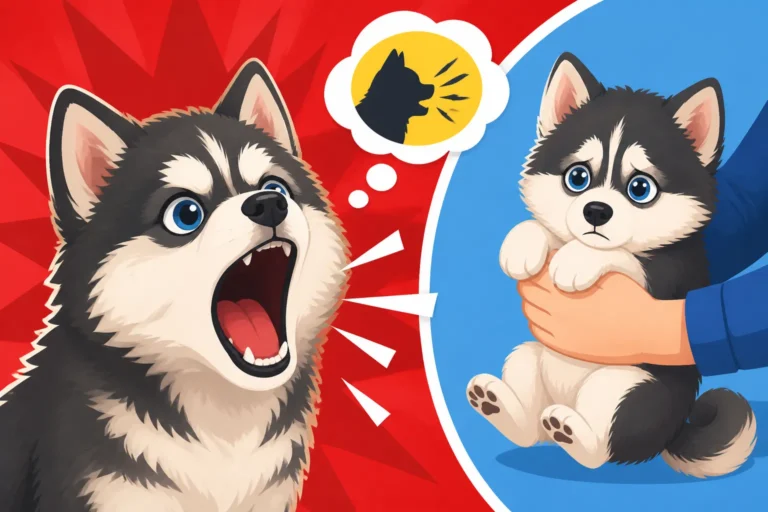
On the flip side, we have the Siberian Husky. These magnificent dogs were originally bred for endurance sled pulling in vast, open, icy landscapes. Their entire being is geared towards covering ground, running, and working independently. Huskies are typically not "lap dogs" in the traditional sense. They are often less inclined to be held or picked up, preferring to keep all four paws firmly planted on the ground. For a Husky, being physically constrained, even by a loving owner, can feel like a loss of control, an affront to their innate freedom. They tolerate it when necessary, certainly, but it’s rarely their preference. So, if your Pomsky has inherited a stronger dose of that free-spirited Husky independence, they might genuinely resent being scooped up, squirming, stiffening, or even letting out a vocal complaint.
The Pomsky's Unique Mix: A Toss-Up
This is where the magic, and sometimes the mystery, of the Pomsky truly comes into play. Your adorable Pomsky is a beautiful blend of these two worlds. They might have the compact size of a Pomeranian, making them easy to pick up, but the soul of a Husky that says, "Nope, I'm good right here on the ground." You could have a Pomsky who inherited the Pomeranian's love for being held, enjoying every moment of being lifted and carried. Or, you might find yourself with a Pomsky who, despite their small stature, behaves much like a miniature Husky, preferring to walk, run, or simply be near you without being held aloft.
It’s also common for Pomskies to exhibit a mix of both. They might tolerate being picked up for a short while, especially if it leads to something exciting like going for a car ride, but quickly want to be put down. The unpredictability means you can’t make assumptions based on size or looks alone. It’s all about getting to know your individual dog and respecting their unique preferences. This genetic lottery is one of the many fascinating aspects of living with this wonderful crossbreed, and understanding it is the first step toward building a strong, respectful bond with your pet.
Why Some Pomskies Resist Being Picked Up
It's common for Pomsky owners to feel a little perplexed when their small, cuddly-looking dog resists being picked up. After all, they’re not huge, and they look so huggable! But this resistance isn’t just about being stubborn; it’s often rooted in deeper feelings of discomfort, a need for control, or simply a lack of positive experiences with handling. It’s important to remember that a dog's reaction to being picked up is rarely personal; it's usually instinctual.
Discomfort and Negative Associations
Imagine being suddenly lifted by someone without warning, perhaps in a way that feels awkward or unsteady. You'd likely feel a jolt of alarm, maybe even a little pain. Dogs experience something similar. If your Pomsky has ever been picked up incorrectly, causing strain on their back or hips, or if they’ve felt like they might slip and fall, they can develop a strong aversion to the act. A previous injury, even a minor one, could make them associate being handled with discomfort. For instance, if your Pomsky has a condition like Slipping Kneecaps in a Pomsky or even something less severe, a clumsy lift could exacerbate existing sensitivities.
Beyond physical discomfort, there are psychological factors. Being picked up can make a dog feel trapped or vulnerable. They lose their ability to flee if scared, or to control their environment. This can be particularly true for dogs who are already a bit anxious or prone to being startled. If every time they are picked up, it's followed by something unpleasant, like a trip to the vet for a vaccination or a nail trim they despise, they'll quickly form a negative association. This is why it’s so crucial to make handling a positive experience from the start.
Feeling of Loss of Control
Dogs, much like people, have a fundamental need for agency and control over their own bodies and situations. For a breed mix that has a strong independent streak from the Husky side, being picked up can be a profound loss of that control. Suddenly, their feet are off the ground, they can’t decide where to go, and they’re completely dependent on you. This can be unsettling. A Pomsky who is confident and independent might see being picked up as an unnecessary constraint, an infringement on their autonomy.
This feeling is amplified if they haven't learned to trust the process. When a dog feels like they have no say in the matter, they can react with fear, resistance, or even aggression. Their squirming isn't just naughtiness; it's often a desperate attempt to regain control and feel safe again. Understanding this can help you approach the situation with more empathy and patience, knowing that their reaction comes from a place of instinct rather than defiance.
Lack of Early Positive Exposure
The period when puppies are between 3 and 16 weeks old is a critical socialization window. During this time, every experience shapes how they view the world. If a Pomsky puppy isn't frequently and gently handled, picked up, and cuddled in a positive way during these formative weeks, they may never fully get comfortable with it as an adult. Breeders play a huge role here by ensuring puppies are exposed to plenty of positive human interaction.
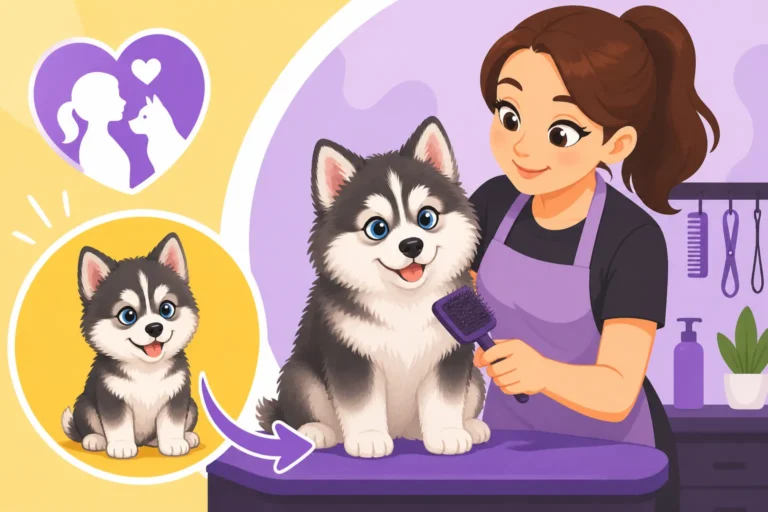
However, even if a puppy had a great start, a new owner needs to continue this work. If a Pomsky only gets picked up when something undesirable is about to happen, or if they're handled roughly, they'll miss out on the crucial positive conditioning. Instead, every interaction should be framed as a chance for bonding and a reward. If you got your Pomsky as an older puppy or adult, you might be dealing with a blank slate, or even a negative slate, when it comes to being picked up, making the task of building trust even more important. This is similar to Teaching a Pomsky to Be Brushed—it needs to be introduced positively and consistently.
How to Teach Your Pomsky to Tolerate or Enjoy Being Picked Up
Teaching your Pomsky to tolerate or even enjoy being picked up is a process that requires patience, consistency, and a whole lot of positive reinforcement. It’s not about forcing them, but about building trust and creating positive associations. Whether you have a brand-new puppy or an older Pomsky who’s already developed an aversion, there are steps you can take to make the experience better for both of you.
Building a Positive Association from Puppyhood
The best time to start is when your Pomsky is a puppy. Their little brains are like sponges, soaking up every experience. The goal is to make being picked up feel good, safe, and rewarding.
- Start Small and Gentle: Begin with simply touching your puppy gently all over, praising them, and offering tiny, high-value treats. Graduate to brief lifts, just a few inches off the ground, for a second or two, then immediately put them down and reward them.
- Use a Consistent Cue: Before you even reach for them, say a happy, upbeat word like "Up!" or "Cuddle Time!" This allows them to anticipate what's coming and associate the word with the positive outcome.
- Short and Sweet Sessions: Keep these initial interactions very short. You want to stop before they get uncomfortable or squirmy. Multiple short, positive sessions throughout the day are far more effective than one long, stressful one.
- Always End on a Positive Note: Even if a session was a bit challenging, try to get one successful, calm lift (however brief) and immediately reward them before ending. This reinforces the idea that good things happen when they cooperate.
- Pair with Rewards: High-value treats (like small pieces of cheese, cooked chicken, or training treats) are your best friend here. Every time you pick them up, give them a treat. Pair it with enthusiastic praise and gentle pets.
- Progress Gradually: Once they're comfortable with brief lifts, slowly increase the duration. Hold them for a few seconds, then a few more, always watching their body language for signs of stress. If they start to stiffen or squirm, you've gone too far too fast.
This systematic approach can turn what could be a source of anxiety into a routine they look forward to. Think of it as part of their Raising a Pomsky Puppy curriculum, alongside house training and leash manners.
Proper Lifting Techniques to Ensure Comfort
How you pick up your Pomsky is just as important as when and why. An incorrect lift can cause discomfort, fear, or even injury, leading to a negative association. Given that the average adult Pomsky can range anywhere from 15 to 35 pounds, or even more, as discussed in What a Pomsky Actually Weighs, proper technique is essential for their safety and yours.
Here’s how to do it right:
- Approach Calmly: Don't just swoop in. Let them see you coming, perhaps offer a hand to sniff.
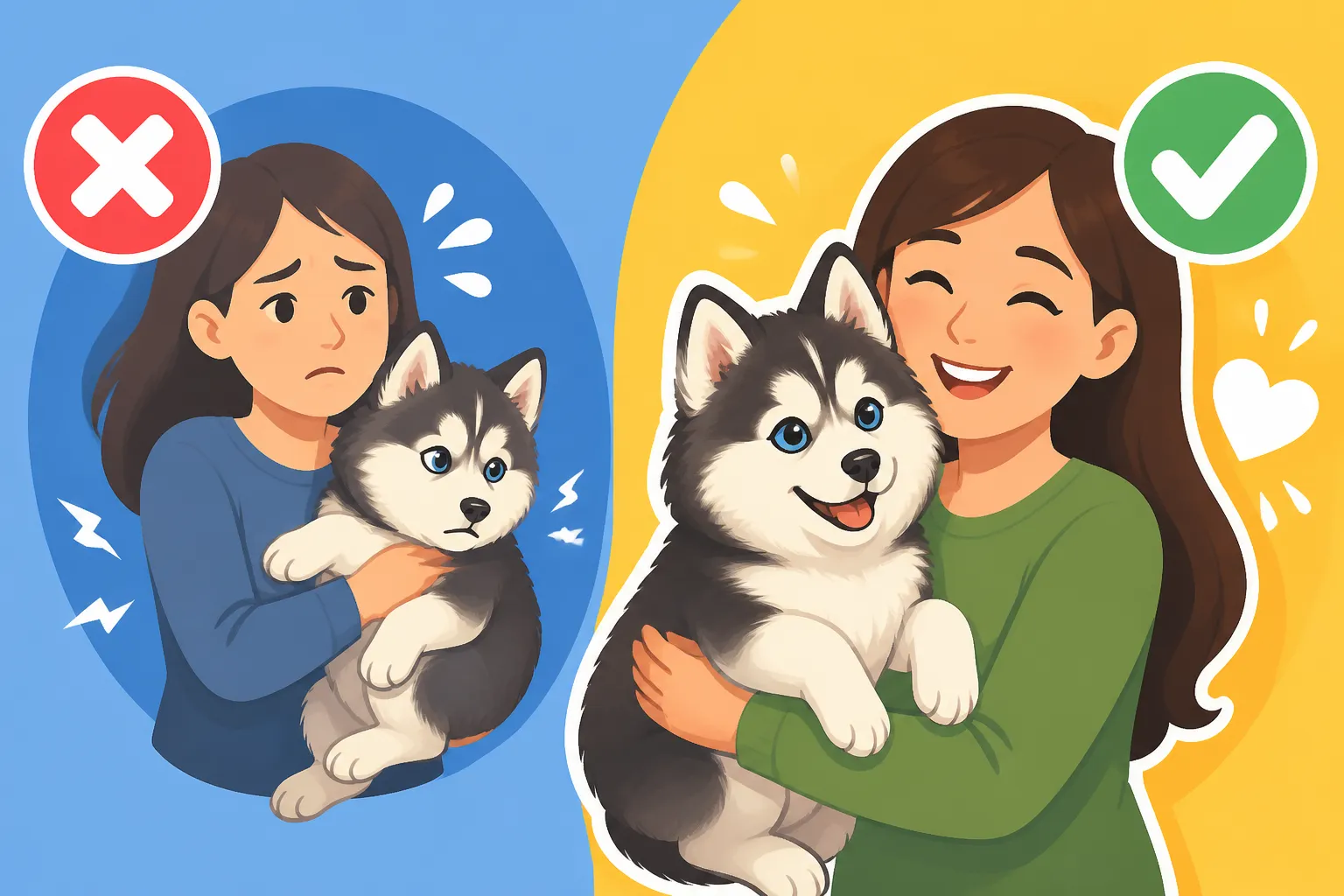
- Support the Chest and Hindquarters: This is crucial. Slide one hand under their chest, between their front legs. Use your other hand to scoop up their hindquarters, supporting their weight evenly. Never lift a dog by their front legs, armpits, or just by their belly, as this can cause spinal or joint damage.
- Hold Firmly but Gently: You want to be secure enough that they don’t feel like they’re going to fall, but not so tight that they feel squeezed or constricted.
- Keep Them Close: Hold your Pomsky close to your body. This provides them with a sense of security and stability, and also makes it easier for you to carry their weight.
- Mind Their Head and Neck: Ensure their head and neck aren't dangling or unsupported, especially for smaller or younger Pomskies.
Here's a quick comparison of good versus bad lifting practices:
| Feature | Good Lifting Technique | Bad Lifting Technique |
|---|---|---|
| Approach | Calm, verbal cue, allow dog to see/sniff | Sudden, grabbing, no warning |
| Support | One hand under chest, other under hindquarters | By front legs only, by neck scruff, by a single limb |
| Body Position | Close to your body, secure and stable | Away from body, dangling, wobbly |
| Spine/Joints | Evenly supported, no twisting or pressure | Arched back, pressure on belly, unsupported hindquarters |
| Result | Dog feels safe, less likely to struggle, positive association | Dog feels insecure, likely to struggle, negative association |
Desensitization and Counter-Conditioning for Older Pomskies
If your adult Pomsky already dislikes being picked up, you'll need a more structured approach using desensitization and counter-conditioning. This means gradually exposing them to the trigger (being picked up) while changing their emotional response to it with something positive.
- Identify the Starting Point: Where does your Pomsky start to show discomfort? Is it when you reach for them? When your hands touch them? When they're just an inch off the ground? Start before that point.
- Break It Down: Instead of trying to pick them up fully, break the action into tiny, manageable steps.
- Step 1: Simply reach towards them, then immediately give a treat and praise. Repeat.
- Step 2: Gently touch their side or back with one hand, treat, release. Repeat.
- Step 3: Place one hand under their chest, treat, release. Repeat.
- Step 4: Place both hands in the lifting position, treat, release. Repeat.
- Step 5: Apply a tiny bit of pressure, as if to lift, treat, release. Repeat.
- Step 6: Lift them an inch off the ground, immediately set down, treat, praise. Repeat.
- Pair with High-Value Rewards: Use only their absolute favorite treats. These treats should be so good they can barely resist them. This helps to create that strong positive association.
- Observe Body Language: Pay close attention to your Pomsky’s signals. A stiff body, whale eye, lip licking, yawning, or trying to move away are all signs of stress. If you see these, you’ve pushed too far, too fast. Go back to an easier step where they were comfortable.
- Keep Sessions Short and Positive: Again, shorter, more frequent sessions are better. Always aim to end on a successful, calm note, even if it's just a small step. Never push them to the point of fear or aggression.
- Consider Professional Guidance: If you're struggling, a certified professional dog trainer can provide hands-on help and tailored strategies. They can also recommend online training platforms or tools, much like you might find products on Amazon for dog training, or structured programs like those offered by BAXTER & Bella. These resources can be invaluable for consistent guidance.
Knowing When to Respect Their Boundaries
Despite your best efforts, some Pomskies may never truly love being picked up. And that's okay. It’s crucial to recognize and respect their boundaries. Pushing a dog past their comfort zone can erode trust and potentially lead to fear-based aggression.
- Recognize Stress Signals: Learn to read your Pomsky’s body language. Growling, snapping, baring teeth, or actively trying to bite are clear "no" signals that you must respect immediately. But more subtle signs like lip-licking, yawning, turning their head away, stiffening, or flattening their ears also indicate discomfort.
- Prioritize Safety and Trust: If your Pomsky shows significant distress, stop. Re-evaluate your approach. The goal is to build a cooperative relationship, not to overpower them.
- Alternative Solutions: For everyday convenience, consider alternatives. Instead of picking them up onto the couch, teach them to use dog steps or a ramp. For car rides, encourage them to jump in themselves. For moving them from one room to another, use a leash. This is similar to considering Whether a Pomsky Should Use Steps to the Couch instead of being lifted.
- Only Pick Up When Absolutely Necessary: If your Pomsky truly dislikes it, reserve picking them up for safety reasons or essential care. When you do, make it as quick, efficient, and comfortable as possible, always followed by a reward.
Remember, a loving relationship is built on mutual respect. Sometimes, that means respecting their preference to keep their paws on the ground.
Practical Scenarios Where Picking Up Your Pomsky Is Necessary
While we want our Pomskies to be comfortable, there are definitely times when picking them up isn't just a convenience, but a necessity for their safety, health, or even our collective peace of mind. Even if your Pomsky isn't a fan, preparing them for these critical moments can make a huge difference in an emergency.
Safety and Emergency Situations
This is perhaps the most critical reason why your Pomsky needs to be at least tolerant of being picked up. Life throws unexpected curveballs, and sometimes, a quick scoop can prevent a dangerous situation from escalating.
Imagine you're on a walk and a car suddenly swerves, or another dog off-leash rushes towards you. A swift lift can get your Pomsky out of harm's way immediately. Perhaps you're hiking, and your Pomsky wanders too close to a steep drop-off or a patch of jagged rocks. In these moments, you don't have time to negotiate or coax them away; you need to act instantly. Similarly, if there's a fire or another household emergency, you need to be able to quickly grab and move your dog to safety.
While we want our Pomskies to have good recall, particularly crucial for a breed with that Husky instinct to run, as highlighted in Recall on a Pomsky Bred From a Dog That Runs, there are moments when even the best recall isn't fast enough or safe enough. Practicing quick lifts, even for just a second, during calm times, ensures that in a high-stress situation, the physical act isn't a complete shock, and they won't fight you every step of the way. This kind of preparation can literally be a lifesaver.
Grooming and Vet Care
Routine grooming and veterinary visits are simply part of responsible Pomsky ownership, and often, they involve handling that requires lifting. Whether it's getting them into the bathtub, onto a grooming table, or up onto the examination table at the vet's office, being able to pick up your Pomsky calmly makes these experiences less stressful for everyone involved.
For example, when it's time for their regular How Often a Pomsky's Nails Need Cutting, your groomer might need to lift them onto a table. If your Pomsky fights every lift, it adds significant stress to an already potentially unpleasant procedure. Similarly, at the vet, being able to gently place them on the examination table for a check-up, or even just weighing them, helps the veterinary staff do their job more effectively and makes your Pomsky's visit smoother. If your Pomsky needs special care as they age, such as during their Caring for a Pomsky Past Ten years, being able to lift them gently will be even more crucial if they develop mobility issues. Making these necessary interactions as positive as possible from a young age can prevent a lifetime of struggle.
Everyday Convenience and Bonding
Beyond the critical situations, there are countless everyday moments where being able to pick up your Pomsky adds to your shared life and strengthens your bond. Maybe you want to lift them into the car for a trip to the dog park, or help them onto your lap for a cuddle session. Perhaps you live in an apartment building and need to carry them up a flight of stairs or through a crowded lobby.
Being able to comfortably pick up your Pomsky opens up opportunities for more shared experiences, whether it's navigating public spaces, visiting friends and family, or simply enjoying those precious moments of close physical contact. While some Pomskies are more independent, many will cherish the closeness that comes from being held, especially if it’s associated with positive interactions. It’s about creating a bond where they feel secure and loved in your arms, rather than fearful or resistant. When you've put in the work to make being picked up a positive experience, these everyday moments become opportunities for deeper connection and enjoyment.
Disclaimer
This article is for general informational purposes only and does not constitute professional advice. Laws, prices and regulations vary by location and change over time. Consult a qualified professional for guidance on your specific situation.