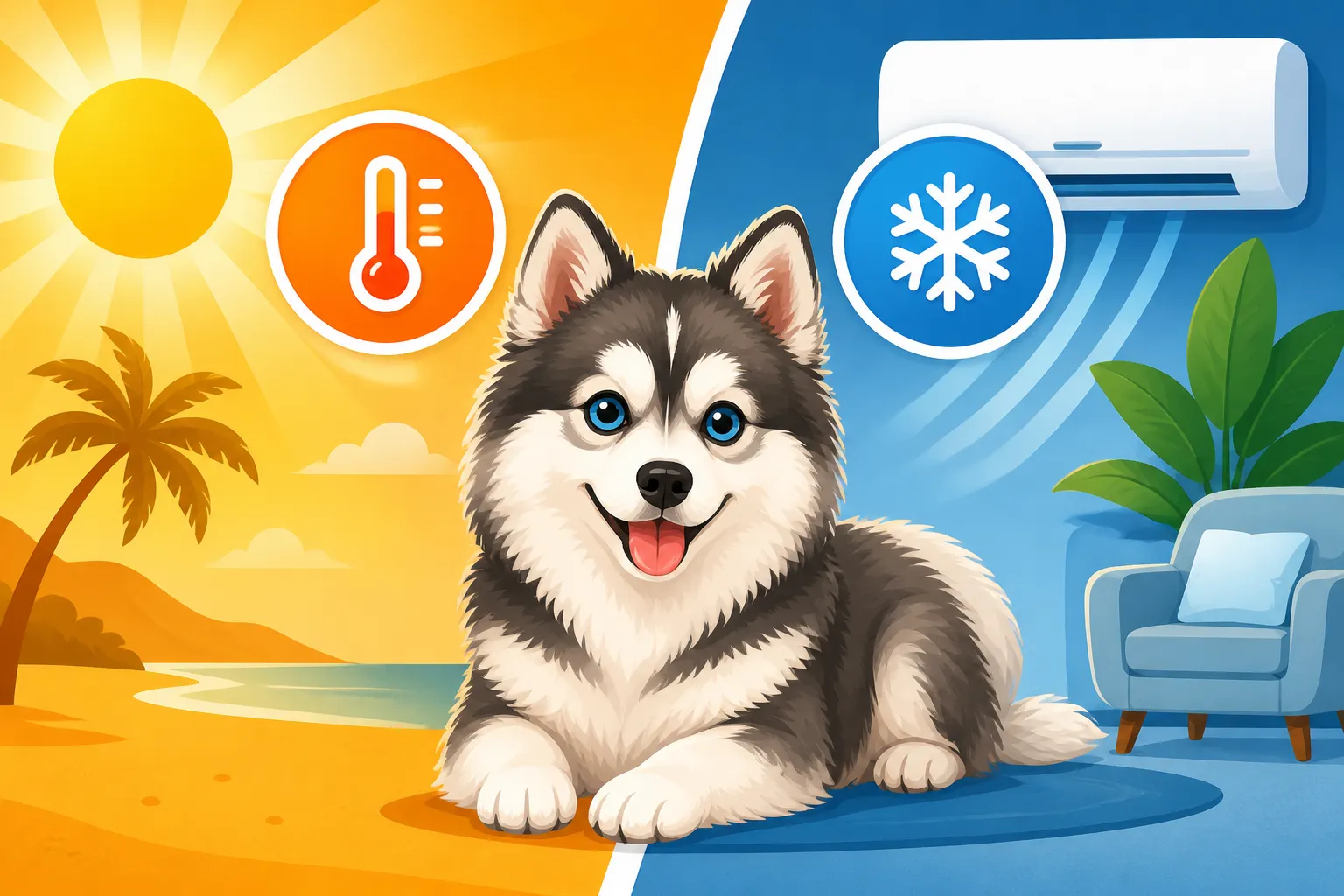
Whether a Pomsky Belongs in a Warm Climate
Bringing a Pomsky into your life is a joy, but if you live in a perpetually warm climate, you might be facing a constant internal struggle: is my furry companion truly comfortable, or am I unknowingly putting them at risk? It’s a valid and important concern, and it stems from a deep understanding that these beautiful dogs, with their thick coats and energetic dispositions, weren't exactly bred for scorching summers or year-round humidity. This comprehensive guide will walk you through everything you need to know about caring for a Pomsky in a warm climate, from understanding their physiological challenges to implementing practical, day-to-day strategies to ensure their safety and well-being.
The Uncomfortable Truth: Why Pomskies Struggle in Warm Climates
Let's be honest, those stunning pictures of Pomskies frolicking in the snow are aspirational for a reason. Their very design, a blend of Siberian Husky and Pomeranian, equips them with a magnificent, dense coat that is a marvel for insulation against the cold, not a shield against relentless heat. This isn't just about looking a certain way; it's about deep-seated genetics and physiology that make warm climates a genuine challenge for them.
The Double-Coated Conundrum
The defining characteristic of a Pomsky's coat is its double layer. You have the soft, downy undercoat, which is incredibly dense and acts like a natural thermal blanket. Then there are the longer, coarser guard hairs that form the outer layer, protecting the undercoat from moisture and dirt. In winter, this system traps warm air close to their body, keeping them toasty. In summer, it’s supposed to help reflect heat and allow air to circulate, acting as insulation against the sun's rays.
However, this natural cooling system works best in temperate or cold climates where the ambient temperature is lower. When the air itself is hot and humid, that dense undercoat, even when properly maintained, can quickly become a heat trap rather than a cooling mechanism. Imagine trying to wear a down jacket in July—that’s kind of what your Pomsky is experiencing. Their body has to work overtime to dissipate heat, leading to faster overheating and a much higher risk of heatstroke. This is why you'll find extensive information on The Pomsky That Carries a Husky Coat at Twenty Pounds because that coat is a major factor in their comfort levels.
Husky Heritage: Built for the Cold
The Siberian Husky parent contributes the most significant genes for cold weather tolerance. Huskies are renowned sled dogs, bred for endurance in arctic conditions. Their short, erect ears, almond-shaped eyes, and bushy tails all serve a purpose in frigid environments. Their double coat is exceptionally efficient at insulating against extreme cold, often allowing them to sleep comfortably in temperatures well below freezing.
When you bring a dog with this kind of ancestry into a place like Arizona or Florida, you're asking their body to perform feats it wasn't designed for. Their metabolic rate, their thick skin, and their limited ability to sweat (dogs primarily cool down by panting) put them at a severe disadvantage. They simply cannot shed heat as efficiently as short-coated breeds, or those with less dense undercoats, making long periods outdoors in warm weather incredibly dangerous.
Pomeranian Influence: Still a Double Coat
While the Pomeranian is a much smaller dog, don't let their dainty appearance fool you—they also boast a dense double coat. The Pomeranian’s coat is often described as "stand-off," meaning it's fluffy and full, and while not as extreme as the Husky's in terms of sheer volume, it still provides significant insulation. This means that even a smaller Pomsky, one that leans more heavily towards its Pomeranian parent in size and coat appearance, still retains that fundamental double-coated structure.
Owners sometimes assume that a smaller Pomsky will handle heat better, but this isn't necessarily true. While a smaller body might heat up and cool down faster, the underlying issue of the double coat remains. Their physiology still demands more effort to stay cool, and they can suffer from heat stress just as readily as their larger counterparts. It's crucial not to underestimate the insulating power of even a "Pomeranian-like" double coat when assessing heat risk.
Understanding the Dangers of Heat Stress for Your Pomsky
Ignoring the signs of heat stress or underestimating the impact of warm weather on your Pomsky can have severe, even fatal, consequences. Unlike humans, dogs don't sweat efficiently through their skin. Their primary cooling mechanisms are panting and sweating through their paw pads. When these mechanisms are overwhelmed by high ambient temperatures, humidity, or excessive exercise, their body temperature can rapidly rise to dangerous levels.
Heatstroke is a Real and Present Danger
Heatstroke is not just "getting too hot"; it's a medical emergency. It occurs when a dog's body temperature rises above a healthy range, typically above 104°F (40°C), leading to cellular damage, organ failure, and even death. The dense double coat of a Pomsky acts as an insulating layer, trapping heat and making it harder for them to cool down, even if they're panting heavily. Humidity exacerbates this problem, as it reduces the efficiency of evaporative cooling from panting.
A Pomsky left in a hot car, exercised strenuously on a warm day, or simply left outdoors without adequate shade and water in a hot climate is at extreme risk. The danger isn't always obvious; a dog might seem fine one moment and collapse the next. This is why prevention is absolutely paramount. Understanding The Temperature a Pomsky Starts Struggling At is critical for all owners in warmer regions.
Dehydration and Its Ramifications
Beyond the immediate threat of heatstroke, chronic or severe dehydration is another significant concern for Pomskies in warm climates. When a dog pants to cool down, they lose a lot of water vapor. If they're not constantly replenishing these fluids, they quickly become dehydrated. Dehydration can lead to a host of problems, including kidney strain, electrolyte imbalances, and reduced blood volume, making them even more susceptible to heatstroke.
Imagine a hot, sunny afternoon. Your Pomsky is playing in the yard, panting happily, perhaps unaware of how much fluid they're losing. If their water bowl is empty, warm, or inaccessible, they can quickly reach a state of dangerous dehydration. This can manifest as lethargy, sunken eyes, dry gums, and loss of skin elasticity. It's a silent threat that can creep up, especially if you're not vigilant about their water intake.
Long-Term Health Risks
While acute heatstroke is the most immediate and terrifying danger, consistent exposure to warm climates and the constant struggle to regulate body temperature can also contribute to long-term health issues for your Pomsky. Chronic stress on their cardiovascular system from constantly working to stay cool can take a toll. Dehydration can strain their kidneys over time.
Furthermore, a dog that is frequently uncomfortable due to heat may become less active, leading to weight gain and associated health problems like Slipping Kneecaps in a Pomsky or Hip Dysplasia in a Twenty Pound Pomsky. They might also experience more frequent skin issues like hot spots or yeast infections if their dense coat isn't allowed to dry properly after cooling measures or if trapped moisture creates an ideal breeding ground for bacteria and fungi. These aren't just minor inconveniences; they can significantly impact your Pomsky's quality of life and longevity.
Recognizing the Signs of Overheating in Your Pomsky
Being able to recognize the signs of overheating in your Pomsky is not just helpful; it's a skill that could save their life. Dogs can't tell us they're too hot, so it's up to us to observe their behavior and physical cues. The faster you spot the warning signs, the quicker you can intervene and prevent a minor discomfort from escalating into a full-blown emergency.
Early Warning Signals
These are the subtle cues that tell you your Pomsky is starting to feel the heat and needs to cool down now. Don't wait for these to get worse; consider them your personal "move to the shade" alarm.
- Excessive Panting: While some panting is normal for dogs to cool down, an overheated Pomsky will pant much more intensely, often with their mouth wide open and tongue hanging out, almost as if they're struggling to catch their breath. The panting might sound more labored or frantic than usual.
- Increased Thirst: They'll be seeking water constantly, perhaps lapping at their bowl for longer periods or trying to drink from puddles or garden hoses more frequently. This is their body's way of trying to rehydrate and aid cooling.
- Reddened Gums or Tongue: Take a quick peek at their gums. If they're noticeably darker red than their usual healthy pink, it's a sign of increased blood flow trying to dissipate heat. Their tongue might also look a deeper, almost purple-red.
- Lethargy or Restlessness: Some dogs become very quiet and lie down, seemingly drained of energy, while others might pace anxiously, unable to find a comfortable spot, constantly shifting their position or seeking cooler surfaces.
- Seeking Shade or Cool Surfaces: This is an instinctive behavior. Your Pomsky might gravitate towards shaded areas, lie on cool tiles or concrete, or try to press their belly against anything cool they can find.
Critical Symptoms Requiring Immediate Action
If you see any of these signs, your Pomsky is likely in a state of heatstroke, and you need to act immediately to cool them down and seek veterinary attention. These are not signs to observe; they are signs to react to.
- Vomiting or Diarrhea: These are serious indicators of systemic distress as the body tries to purge toxins and react to internal organ stress. The vomit or diarrhea might be bloody in severe cases.
- Stumbling, Disorientation, or Collapse: Your Pomsky might appear dizzy, lose coordination, bump into things, or simply fall over. This indicates neurological impairment due to extreme heat.
- Drooling Thick, Ropy Saliva: Unlike normal drooling, the saliva might become thick, sticky, and excessive, almost like mucus. This is a sign of severe dehydration and the body struggling to produce enough liquid to cool itself efficiently.
- Bright Red or Pale Gums: While reddened gums are an early sign, extremely bright red gums (almost brick red) or, conversely, very pale or even bluish gums, are critical indicators. Bluish gums signal a lack of oxygen, which is extremely dangerous.
- Rapid Heart Rate: Their heart will be pounding, working overtime to circulate blood. You can often feel this by placing your hand on their chest behind their elbow.
- Seizures or Unconsciousness: These are the most severe symptoms and indicate extreme heatstroke and critical brain involvement. If your Pomsky seizes or loses consciousness, their life is in immediate danger.
What to Do in an Emergency
If your Pomsky is showing critical symptoms of overheating, every second counts.
- Move Immediately to a Cooler Area: Get them out of the sun and into an air-conditioned space, or at least a shady spot with good airflow.
- Start Cooling:
- Cool Water: Use cool (not ice cold) water to wet their fur, focusing on their belly, armpits, and groin. You can use a hose on a gentle setting or wet towels. Ice-cold water can cause the blood vessels to constrict, trapping heat inside, so avoid it.
- Fan: If available, direct a fan onto their body. Evaporation of water from their fur will help cool them down significantly.
- Do NOT Immerse in Ice Water: As mentioned, this is counterproductive and can be dangerous.
- Offer Small Amounts of Water: If they are conscious and able to drink, offer small sips of cool water. Do not force them to drink.
- Contact Your Vet Immediately: Even if your Pomsky seems to be recovering, heatstroke can cause delayed organ damage. Call your veterinarian on the way to the clinic to alert them you're coming and describe your dog's condition. This allows them to prepare for your arrival.
- Monitor Temperature: If you have a rectal thermometer, you can take their temperature. Stop cooling once their temperature drops to around 103°F (39.4°C) to prevent overcooling, but continue heading to the vet.
Remember, intervention in the early stages is key. Being aware of Signs a Pomsky Is Overheating is crucial.
Adapting Your Pomsky's Environment for Warmer Weather
Living in a warm climate with a Pomsky means you need to be proactive and intentional about creating a cool and safe environment for them, both indoors and out. It's not just about turning on the AC; it's about a holistic approach to their daily surroundings.
Creating a Cool Indoor Sanctuary
Your home is your Pomsky's primary refuge from the heat, and you need to ensure it truly offers respite.
- Air Conditioning is Non-Negotiable: In truly hot climates, air conditioning is essential. Don't rely on fans alone, especially if humidity is high. Set your thermostat to a comfortable, consistently cool temperature that prioritizes your dog's well-being. If you're leaving for the day, resist the urge to turn the AC off completely to save money; a warm house can quickly become a death trap.
- Strategic Fan Use: While not a substitute for AC, fans can help circulate air and create a wind-chill effect, especially if you place them where your Pomsky likes to rest. Ceiling fans can also be very effective.
- Cooling Mats and Elevated Beds: These can make a huge difference. Cooling mats, often filled with a gel that absorbs and dissipates body heat, provide an instant cool spot. Elevated dog beds, made with breathable mesh, lift your Pomsky off the hot floor, allowing air to circulate all around them. You can find a variety of these options on platforms like Amazon or Chewy.
- Access to Cool Floors: Many Pomskies will instinctively seek out tile, linoleum, or concrete floors. Ensure these areas are clean and accessible to them. If you have carpet throughout, consider placing a large, smooth floor mat or a designated cooling mat.
- Window Treatments: Keep blinds and curtains closed during the hottest parts of the day, especially on south and west-facing windows, to block out direct sunlight and reduce solar gain in your home.
Outdoor Considerations and Safety
While your Pomsky should spend minimal time outdoors in extreme heat, there will be times they need to go out.
- Shade, Shade, Shade: If your yard has limited natural shade, invest in shade sails, umbrellas, or build a shaded kennel run. Ensure there is always a spot where your Pomsky can escape direct sun exposure. Remember that the sun moves, so what's shady in the morning might be blazing in the afternoon.
- Multiple Water Sources: Place several water bowls around your yard, filled with fresh, cool water. Add ice cubes to keep the water cooler for longer. Use heavy, tip-proof bowls. A kiddie pool with a few inches of water can also be a great cooling station, as many Pomskies enjoy splashing around.
- Paw Protection: Hot pavement, asphalt, and sand can severely burn your Pomsky's paw pads. If you can't comfortably hold your hand on the surface for five seconds, it's too hot for their paws. Consider dog booties for necessary outdoor excursions, or strictly limit walks to grass or cool, shaded areas. You can read more about Whether Pavement Burns a Pomsky's Pads.
- Avoid Peak Heat Hours: The hottest part of the day is generally from 10 AM to 4 PM. Restrict outdoor access during these hours as much as possible, opting for early morning or late evening potty breaks.
Car Travel in the Heat
Car travel can be particularly dangerous due to rapid temperature increases.
- Never Leave Your Pomsky in a Parked Car: Even with windows cracked, the temperature inside a car can rise to deadly levels in minutes. It's simply never worth the risk. This applies even on seemingly mild days, as the sun's intensity through glass can create a greenhouse effect.
- Pre-Cool Your Vehicle: Before heading out, run your car's air conditioning to cool the interior.
- Ensure Proper Ventilation: Keep the AC on during the drive, ensuring air circulates to the back where your Pomsky is.
- Bring Water and a Bowl: Always have fresh water and a portable bowl for stops.
- Cooling Vest/Bandana: A wet cooling vest or bandana can help keep your Pomsky comfortable during longer drives.
Managing Your Pomsky's Coat in a Warm Climate
One of the most common misconceptions about double-coated breeds in hot weather is that shaving them will keep them cooler. This could not be further from the truth and can actually cause more harm than good. Understanding how your Pomsky's unique coat works is key to managing it effectively in a warm environment.
The Golden Rule: Never Shave Your Pomsky
This cannot be stressed enough: do not shave your double-coated Pomsky, especially not for summer heat. It seems counterintuitive to us humans, but their double coat is designed by nature to protect them.
- Loss of Insulation: The undercoat, when healthy, acts as a natural insulator against both cold and heat. It traps a layer of air, creating a thermal barrier. When you shave it off, you remove this crucial insulation.
- Sunburn Risk: Without their protective outer guard hairs, their skin is exposed to harmful UV rays. Pomskies can get severe sunburns, which are painful and increase their risk of skin cancer.
- Improper Regrowth: Often, when a double coat is shaved, it doesn't grow back correctly. The guard hairs may not grow back at all, or they may grow back patchy, brittle, or only the softer undercoat will return, which can lead to a host of problems. This is often referred to as "post-clipping alopecia" and can be a permanent aesthetic and functional issue. You can research Whether Shaving a Pomsky Ruins the Coat Forever for more insight.
- Increased Risk of Hot Spots: A shaved coat can also lead to more hot spots. The skin is exposed to irritants, and the remaining undercoat, if it grows back unevenly, can mat and trap moisture, creating perfect conditions for bacterial growth.
- Reduced Cooling Efficiency: The guard hairs also help wick moisture and sweat away from the skin. Removing them disrupts this natural cooling process.
Grooming for Heat Management
Instead of shaving, focus on proper grooming to help your Pomsky's natural cooling system work as efficiently as possible.
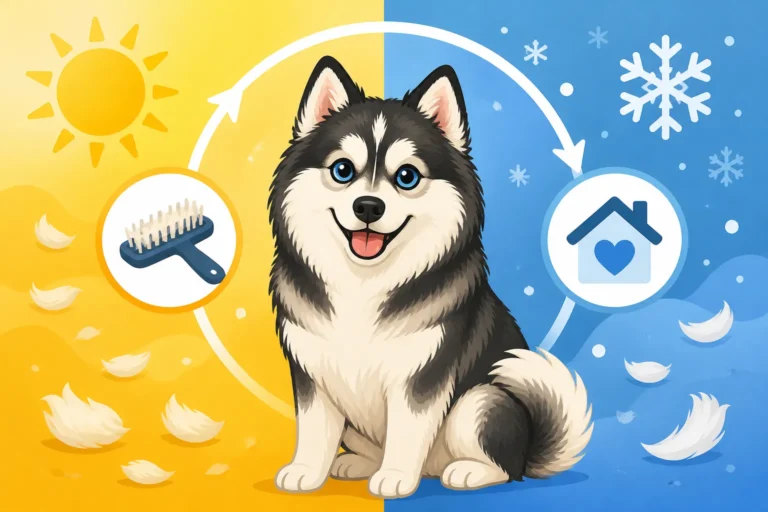
- Regular Deshedding: This is the most important step. A build-up of dead undercoat prevents air circulation and acts as a dense thermal trap. Regular deshedding, especially during their seasonal "blowouts" when they shed heavily, will remove this dead hair and allow their coat to breathe. Tools like an undercoat rake or a deshedding tool are essential. Aim for several deshedding sessions a week, or even daily during heavy shedding periods. You'll want to learn all about The Undercoat Rake a Pomsky Owner Lives With.
- Line Brushing: This technique ensures you get down to the skin, removing all loose undercoat. Work in small sections, parting the hair and brushing from the skin out.
- Professional Grooming: A professional groomer experienced with double-coated breeds can provide a thorough deshedding treatment, often using high-velocity dryers that help blast out loose undercoat without damaging the guard hairs. This can be especially helpful during major shedding seasons.
- Sanitary Trims: While you shouldn't shave the body, carefully trimming the hair around their paw pads and sanitary areas can prevent matting and improve hygiene, which indirectly helps with comfort.
The Role of Bathing and Drying
Bathing plays a role, but it must be done correctly.
- Routine Baths: Regular baths (every 4-6 weeks, or as needed) help remove dirt, dander, and loose hair. Use a good quality dog shampoo and conditioner.
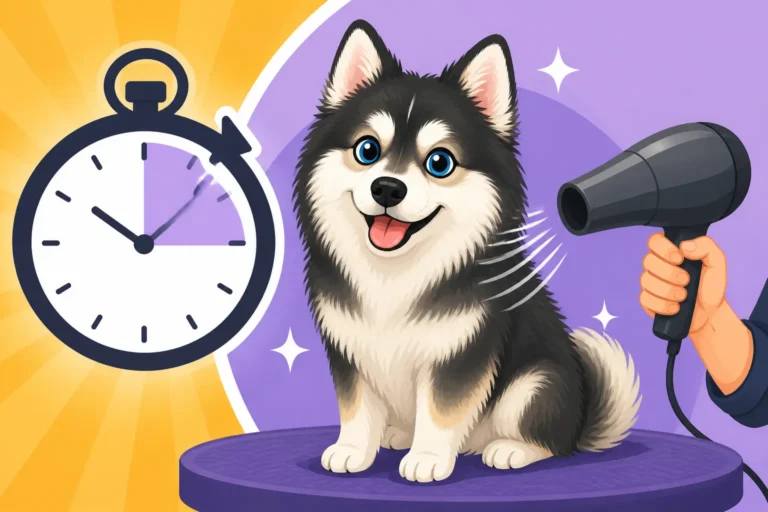
- Thorough Drying is CRITICAL: This is perhaps the most important part of bathing a double-coated dog. If the undercoat remains damp, it creates a warm, moist environment ripe for skin infections, yeast overgrowth, and hot spots. You must dry your Pomsky completely, down to the skin, using a high-velocity dryer if possible. Towel drying alone is rarely sufficient for a thick double coat. Take care to dry their belly, armpits, and groin thoroughly. For more on this, see Drying a Pomsky to the Skin.
- Cooling Baths: On very hot days, a quick rinse with cool (not cold) water, followed by a thorough drying, can help drop their body temperature. Again, ensure they are fully dry afterwards.
| Grooming Action | Benefit for Hot Climates | What to Avoid |
|---|---|---|
| Deshedding | Removes insulating dead undercoat, improves airflow | Letting undercoat build up, ignoring seasonal shedding |
| Bathing | Cleans coat, can provide temporary cooling | Leaving coat damp, using harsh shampoos |
| Thorough Drying | Prevents skin issues (hot spots, yeast), allows cooling | Air drying, especially in humid conditions |
| Sanitary Trims | Improves hygiene, prevents matting in specific areas | Shaving entire body or large sections |
| High-Velocity Dryer | Effectively removes loose undercoat, speeds drying | Using human hairdryers (can burn skin) |
Exercise and Activity Adjustments for Pomskies in the Heat
Pomskies are energetic dogs, inheriting a need for activity from both their Husky and Pomeranian parents. Denying them exercise isn't an option for their mental and physical health, but you must make significant adjustments when living in a warm climate to prevent overheating. It's a delicate balance that requires careful planning and observation.
Timing is Everything: Scheduling Walks and Play
The most critical adjustment you can make is when you exercise your Pomsky.
- Early Mornings: Aim for walks and vigorous play sessions before the sun fully rises and starts heating up the ground and air. This might mean waking up earlier than you'd like, but it's vital for their safety. The air will be cooler, and the pavement will not yet be scorching.
- Late Evenings: Similarly, wait until well after sunset when temperatures have dropped significantly and the pavement has cooled down. Even then, assess the temperature and humidity. A seemingly cool evening can still be dangerous if humidity is very high.
- Avoid Midday Heat: Strictly avoid any strenuous activity during the hottest parts of the day, typically between 10 AM and 4 PM (though this can vary depending on your specific location and the season). Even a short walk during these hours can be risky. On these days, When to Walk a Pomsky in Summer becomes a survival guide.
- Check the Pavement: Always test the pavement temperature with the back of your hand. If it's too hot for your hand, it's too hot for their paws. This is a non-negotiable step before every outing.
Low-Impact and Indoor Activities
When outdoor exercise isn't safe, you need to get creative to keep your Pomsky mentally and physically stimulated indoors.
- Mental Stimulation is Key: Pomskies are intelligent and can get bored easily. Puzzle toys, KONGs stuffed with frozen treats (like peanut butter or yogurt), and scent work games (hiding treats around the house) can provide excellent mental enrichment without strenuous physical exertion. A good mental workout can be just as tiring as a physical one for these smart pups.
- Indoor Agility or Obedience: Create a mini indoor agility course with household items (pillows for jumps, blankets for tunnels) or practice obedience commands. Short, focused training sessions can burn energy and strengthen your bond.
- Interactive Play: Engage in indoor fetch in a long hallway, or play gentle tug-of-war. Keep these sessions short and monitor for any signs of overheating. Ensure your home is cool before starting.
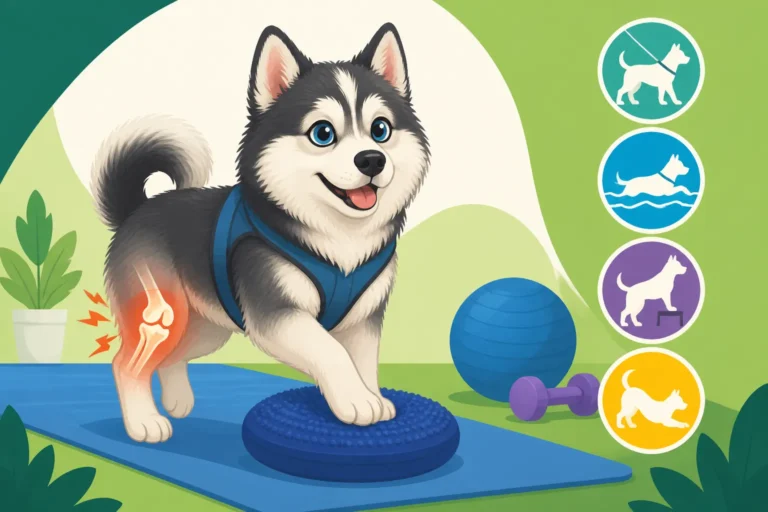
- Swimming (with precautions): If you have access to a safe, clean pool, swimming can be an excellent low-impact exercise and a fantastic way for a Pomsky to cool down. Always supervise them closely, use a dog life vest, and ensure they have easy entry and exit points. Remember, their double coat makes them heavy when wet, and they need to be thoroughly dried afterward to prevent skin issues.
Hydration During Exercise
Staying hydrated is crucial, especially when your Pomsky is active.
- Carry Water and a Portable Bowl: Always bring fresh, cool water and a collapsible bowl on walks or any outdoor excursions, no matter how short. Offer water frequently.
- Water Breaks: Plan for regular water breaks during any activity. Don't wait until they're panting excessively to offer a drink.
- Frozen Treats: Offering ice cubes or frozen fruit (like small pieces of watermelon or blueberries) can be a refreshing and hydrating treat before or after activity. You can even find silicone molds on Amazon to make dog-friendly frozen treats.
- Post-Exercise Cooling: After any activity in warmer weather, even a short one, ensure your Pomsky has immediate access to a cool environment and fresh water. You can also use a damp, cool cloth on their armpits and groin to help them cool down.
Nutritional and Hydration Strategies for Hot Weather
Just like us, a Pomsky's body works differently in the heat, and their diet and hydration need to reflect that. It's not just about quantity of food, but also about the quality and how it aids in maintaining a healthy body temperature and electrolyte balance.
Encouraging Water Intake
Adequate hydration is paramount to preventing heat stress and heatstroke.
- Multiple Water Stations: Place several water bowls throughout your home and yard. The more accessible water is, the more likely your Pomsky is to drink.
- Fresh and Cool Water: Change the water frequently throughout the day to keep it fresh and cool. Add ice cubes to bowls during hot weather to maintain a lower temperature. Some dogs even enjoy water from a pet fountain, which keeps the water moving and aerated.
- Water-Rich Foods: Incorporate wet food into their diet or add water to their dry kibble. This boosts their daily fluid intake. Many popular brands found on Chewy or Ollie offer high-moisture wet food options.
- Broth or Diluted Juices: You can offer low-sodium chicken or beef broth (ensure it's dog-safe, without onions or garlic) or very diluted fruit juices as a flavorful way to encourage drinking, especially if your Pomsky is a reluctant drinker.
- Hydration "Games": Make drinking fun! Offer water from your hand, let them drink from a gentle hose stream, or place a few ice cubes in their bowl for them to "fish" out.
Diet Adjustments for Energy and Hydration
While your Pomsky's core diet shouldn't drastically change, some considerations can help them cope with the heat.
- Maintain a Healthy Weight: An overweight Pomsky is at a much higher risk of overheating. Excess fat acts as an additional insulating layer and places extra strain on their heart and lungs. Ensure their diet supports a lean body condition.
- Digestibility: In hot weather, some dogs may have a slightly reduced appetite. Opt for highly digestible foods. If they're not eating their usual amount, don't panic immediately, but monitor for other signs of illness.
- Smaller, More Frequent Meals: Instead of one or two large meals, consider offering smaller meals more frequently. This can ease digestion and prevent their body from generating too much metabolic heat from processing a large meal all at once.
- Probiotics/Prebiotics: Maintaining a healthy gut can aid in overall well-being and nutrient absorption, which is important when the body is under environmental stress. Many high-quality foods contain these, or you can add a supplement.
Special Treats and Cooling Aids
These can be wonderful additions to their routine during warm spells.
- Frozen Treats: Homemade frozen treats are a hit with most Pomskies. Freeze chicken broth, plain yogurt, or pureed fruit/vegetable mixtures in ice cube trays or KONG toys. Whether a Cooling Mat Helps a Pomsky and other cooling tools are great complements.
- Ice Cubes: Many dogs love to crunch on ice cubes. They provide hydration and a fun way to cool down.
- Chilled Fruits and Veggies: Offer small, safe portions of chilled fruits like watermelon (seedless), blueberries, or apples (core and seeds removed), and veggies like cucumber or carrots. These are high in water content and make refreshing snacks.
- Cooling Chews: Some companies offer cooling chew toys that can be frozen, providing a cold item for your Pomsky to mouth and enjoy, which helps cool them from the inside out.
| Strategy | Benefit | Considerations |
|---|---|---|
| Multiple Water Bowls | Ensures constant access, encourages drinking | Change water frequently, keep bowls clean |
| Ice Cubes | Cools water, fun treat, aids hydration | Ensure they don't gulp too many too fast |
| Wet Food/Kibble Add-ins | Increases fluid intake through food | Monitor caloric intake, adjust dry food accordingly |
| Frozen Treats | Cooling, hydrating, mental enrichment | Use dog-safe ingredients, avoid sugar/xylitol |
| Healthy Weight | Reduces heat burden, improves overall health | Requires consistent diet and appropriate exercise |
| Smaller Meals | Easier digestion, less metabolic heat generation | May require more frequent feeding schedule |
Real-Life Challenges and Success Stories: Living with a Pomsky in a Hot Climate
Let's face it, owning a Pomsky in a warm climate isn't always easy. It demands extra vigilance, planning, and sometimes, a little bit of sacrifice on the owner's part. But it's absolutely doable with dedication and a genuine understanding of your dog's needs. Hearing from others who navigate this daily can be incredibly validating and insightful.
The Daily Grind: A Pomsky Owner's Perspective
Imagine waking up before the sun even thinks about it, just to get your Pomsky their necessary exercise. This is the reality for many Pomsky owners in places like Phoenix, Dallas, or Miami. It's a commitment that shapes your routine.
"I have two Pomskies in Southern California," shares Sarah, a dedicated owner. "Their morning walk starts at 5:30 AM in the summer, no exceptions. We use cooling vests, bring an entire bottle of water, and stay on the grass. By 8 AM, they're indoors with the AC blasting, and they don't step foot outside again until after 7 PM, and even then, it's a short potty break." She emphasizes the constant worry: "Every single day, I'm checking the forecast, feeling the pavement, and watching their breathing. You learn to live with a low level of anxiety about the heat, but their comfort is worth it."
Another owner, Mark from Louisiana, talks about the humidity. "It's not just the temperature, it's the humidity that really gets them. Panting isn't as effective. We have a kiddie pool in the shade they love, and I swear by frozen KONGs. I've also found a groomer who really understands double coats and does an amazing deshedding treatment every six weeks, which helps immensely." He notes that his dogs also nap more in summer, which he encourages as a natural way to conserve energy.
These stories highlight the need for a strict schedule, creative indoor activities, and a proactive approach to cooling. It’s a full-time job, but one that devoted Pomsky parents willingly take on. You'll find many owners sharing tips on social media groups dedicated to the breed, comparing notes on the best cooling gear available on Chewy or sharing recipes for frozen treats.
When Moving to a Cooler Climate Isn't an Option
For many, uprooting their lives for their dog, while a lovely thought, simply isn't feasible. Family, jobs, and finances often tie people to their current location, regardless of the climate. This is where adaptation becomes absolutely crucial.
If you find yourself in this situation, the key is to maximize all the strategies we've discussed:
- Invest in high-quality cooling: Don't skimp on AC, fans, cooling mats, and even professional deshedding services. Think of these as essential welfare expenses.
- Adjust your lifestyle: Your Pomsky's exercise schedule must dictate yours during the summer months. Your social life might need to adapt to early morning walks or late-night playdates.
- Prioritize indoor enrichment: Since outdoor time is limited, dedicate significant time to mental stimulation indoors. Training sessions, puzzle toys, and interactive games become even more vital.
- Educate yourself and your family: Everyone in the household needs to understand the dangers of heatstroke and the specific needs of a Pomsky. Make it a family effort.
- Have an emergency plan: Know the location of the nearest emergency vet clinic, keep their number handy, and be prepared to act fast if you suspect overheating. What to Do When a Pomsky Bolts is one thing, but knowing what to do in a heat emergency is another.
Lessons Learned and Best Practices
Through trial and error, Pomsky owners in warm climates have developed some hard-won wisdom:
- Trust your gut: If it feels too hot for you to be comfortable, it's definitely too hot for your Pomsky.
- Don't rely solely on forecasts: Always double-check the actual outdoor temperature and pavement heat. Humidity levels are also a major factor that forecasts don't always fully convey.
- Know your individual dog: Some Pomskies handle heat slightly better than others, depending on their coat type, build, and individual health. Learn your dog's specific thresholds and warning signs.
- It's a year-round commitment: Even during milder periods, vigilance is key. A sudden heatwave can catch you off guard.
- Don't hesitate to seek vet advice: If you have any concerns about your Pomsky's health in the heat, consult your veterinarian. They can offer personalized advice and check for any underlying conditions that might exacerbate heat intolerance. The Screening a Pomsky Should Have Yearly often includes checking for conditions that might impact heat tolerance.
Ultimately, while Pomskies are undeniably beautiful and loving companions, a warm climate poses significant challenges to their well-being. It requires a committed, informed owner to ensure they not only survive but thrive. It's about being their advocate, their protector, and their personal cooling system when nature hasn't quite equipped them for the local conditions.
Disclaimer
This article is for general informational purposes only and does not constitute professional advice. Laws, prices and regulations vary by location and change over time. Consult a qualified professional for guidance on your specific situation.