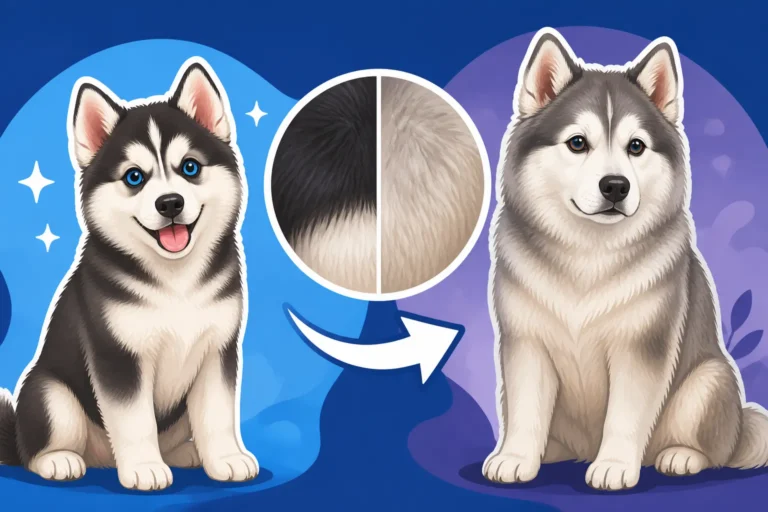
The Exercise a Pomsky Needs Every Day
Many Pomsky owners fall in love with the adorable "mini-husky" look, only to quickly realize that their fluffy companion comes packed with the energy of two very active breeds. It's a common frustration to have a dog bouncing off the walls, digging up the yard, or barking relentlessly, simply because their physical and mental needs aren't being met. This comprehensive guide is here to walk you through exactly what kind of exercise a Pomsky needs every single day to be a happy, well-adjusted, and well-behaved member of your family, going far beyond just a quick trot around the block.
Understanding the Pomsky's Energy Roots
To truly appreciate why your Pomsky has so much get-up-and-go, you need to look at their ancestry. This isn't a couch potato breed, and understanding the driving forces behind their energy is the first step to managing it effectively. Both the Siberian Husky and the Pomeranian contribute unique, and sometimes surprising, aspects to the Pomsky's overall vitality.
The Husky Influence: Endurance and Drive
The Siberian Husky is, first and foremost, a working dog bred for pulling sleds over vast distances in harsh conditions. This means they possess incredible stamina, a powerful drive to move, and a deep-seated need for a "job." Even in a smaller package, your Pomsky can inherit a significant portion of this endurance. They might look small and fluffy, but don't let that fool you; they can often outlast much larger dogs on a walk or hike. This heritage means they thrive on consistent, vigorous activity that allows them to use their bodies and minds. Ignoring this fundamental need is like trying to keep a sled dog happy with a single lap around the backyard, which, as you can imagine, doesn't go well.
Furthermore, the Husky influence often brings a strong prey drive and a tendency to roam. That energy isn't just for running; it's for exploring, tracking scents, and covering ground. You might notice your Pomsky constantly scanning the environment, pulling on the leash towards every squirrel, or trying to dig under the fence. This isn't naughtiness; it's often an outlet for that intrinsic Husky drive. Providing appropriate exercise channels this energy into acceptable behaviors, rather than letting it manifest as destructive or escape-prone tendencies. Many Pomsky owners are shocked by The Pomsky Escape Artist in a Twenty Pound Body capabilities their small dog possesses, but understanding the Husky side helps explain it.
The Pomeranian Contribution: Zest and Agility
While Huskies bring endurance, Pomeranians contribute a spark of zest and quick-witted agility. Poms are often little bundles of sass and energy themselves, known for their playful bounces, quick bursts of speed, and surprisingly robust personalities for their size. This isn't a sedentary lap dog either, despite their small stature. They love to play, learn tricks, and can be quite agile, darting around with impressive speed.
This Pomeranian side adds a different dimension to your Pomsky's exercise needs. It's not just about long, sustained efforts, but also about short, intense bursts of activity, mental challenges, and playful engagement. Your Pomsky might love a good long walk, but they'll also relish a game of fetch in the living room or a quick training session to learn a new trick. The combination means a truly well-exercised Pomsky isn't just tired out; they're also mentally satisfied and engaged. They need both the marathon and the sprint, the physical challenge and the intellectual puzzle.
The Hybrid Vigor Factor: Unpredictable Energy
One of the fascinating, and sometimes frustrating, aspects of a hybrid breed like the Pomsky is the concept of "hybrid vigor" and the inherent unpredictability of their traits. While often touted for potential health benefits, it also means that each Pomsky is a unique blend of their parent breeds, and their energy levels can vary significantly even within the same litter. You might have one Pomsky who is almost a miniature Husky in terms of stamina, while another leans more towards the Pomeranian's playful bursts.
This variability means that while general guidelines are helpful, the most crucial thing is to observe your individual Pomsky. How much do they truly need to feel content? Do they get zoomies after a short walk, or do they settle easily? Are they prone to destructive chewing or incessant barking if they haven't had enough activity? It’s a bit of an art to figure out the exact balance for your specific dog, but always err on the side of more activity rather than less. It's a testament to the fact that while we can generalize, each Pomsky is an individual needing tailored care.
Daily Exercise: More Than Just a Walk in the Park
When we talk about a Pomsky's daily exercise, it's easy to picture a simple walk around the block. However, for a breed with such active genetics, that's often just the warm-up act. A truly effective exercise routine for a Pomsky integrates various forms of physical and mental stimulation throughout the day, ensuring all their needs are met.
Minimum Daily Activity Requirements
For most adult Pomskies, a minimum of 60 to 90 minutes of dedicated, vigorous exercise per day is a good starting point. This isn't passive time spent in the backyard; this is active engagement. Think brisk walks, jogging, structured play, or off-leash running in a safe area. This dedicated time should ideally be broken into at least two sessions, such as a longer morning outing and another substantial activity later in the day, supplemented by shorter potty breaks and playtime.
However, many Pomskies, particularly those with a stronger Husky temperament, might demand even more. It's not uncommon for some individuals to genuinely thrive on 2 hours or more of active exercise daily. The key is to see how your dog responds. If they are still restless, destructive, or vocal after their allotted time, they're likely telling you they need more. Remember that this doesn't include the time they spend simply pottering about the house; that's not exercise. This is intentional, heart-rate-raising activity that burns both physical and mental energy.
The Importance of Consistency
Consistency is absolutely paramount when it comes to exercising a Pomsky. These are creatures of habit, and their bodies and minds adapt to a routine. Irregular exercise can lead to frustration, anxiety, and a host of behavioral problems. Imagine being a high-energy athlete and suddenly being told you can only train once a week; the pent-up energy and mental confusion would be immense. It's the same for your Pomsky.
Establishing a reliable daily schedule helps them anticipate activity and, surprisingly, helps them settle better during downtime. If they know their morning walk or play session is coming, they might be less likely to demand attention or engage in destructive behaviors. A consistent schedule also helps regulate their metabolism, muscle tone, and overall well-being. Think of it as a crucial part of their daily mental and physical hygiene. Weekends are not an excuse to skip; in fact, they can be a great opportunity for even more expansive adventures. Many owners report that The Exercise a Pomsky Needs to Stay Sane is deeply tied to the regularity of their activities.
Recognizing Your Pomsky's Energy Signals
Learning to read your Pomsky's cues is vital for tailoring their exercise. They can't tell you in words that they're bored or have too much energy, but they'll certainly show you. Common signs of insufficient exercise include:
- Destructive chewing: Often targeting furniture, shoes, or anything they shouldn't.
- Excessive barking or howling: A common Husky trait that can escalate when bored.
- "Zoomies": Random bursts of frenetic energy around the house.
- Pacing or restlessness: Inability to settle down.
- Nipping or attention-seeking behaviors: Constantly nudging you, bringing toys without wanting to play, etc.
- Digging: In the yard, at carpets, or even at bedding.
Conversely, signs of over-exercising can include excessive panting, lagging behind on walks, reluctance to play, lameness, or prolonged recovery time. It's a delicate balance, and listening to your dog's body language is the best way to find their sweet spot. What might be enough one day, due to temperature or how well they slept, might not be enough the next. Always pay attention.
Structured Exercise Activities for Your Pomsky
Once you understand the basic requirements, it's time to dive into the kinds of activities that truly satisfy a Pomsky's need for movement and engagement. Variety is key, as it keeps them mentally stimulated and physically challenged in different ways.
Leashed Walks and Jogging
Daily leashed walks are the cornerstone of any Pomsky's exercise routine. These shouldn't be leisurely strolls where your dog stops to sniff every blade of grass for ten minutes (though those have their place too!). At least one of your daily walks should be a brisk, purposeful activity where you set the pace. Aim for 30-45 minutes of continuous movement. For physically fit adult Pomskies, jogging can be an excellent way to burn energy, provided they are old enough (usually over a year and a half to ensure growth plates are closed) and have been conditioned gradually. Always check with your vet before starting a jogging routine.
The challenge with walks, especially for the Husky-minded Pomsky, is their strong urge to pull. This is where proper training and equipment become essential. Using a front-clip harness can help manage pulling without putting pressure on their delicate trachea. Integrating short bursts of obedience training into your walks – asking for a "sit" at curbs, changing direction, or practicing "leave it" – turns a simple walk into a mental workout as well. Remember, a walk that engages both body and mind is far more effective. For more on preventing injuries, you might want to consider Whether a Pomsky Should Jump Off Furniture.
Off-Leash Play in Secure Areas
While leashed walks are important, nothing quite burns off pent-up energy like a good, solid run. If you have access to a safely fenced yard or a secure dog park (and your Pomsky is well-socialized), off-leash play is invaluable. This allows them to sprint, chase, and wrestle to their heart's content, engaging muscles they wouldn't use on a leash. A game of fetch with a sturdy ball or disc, or simply letting them chase and play with other compatible dogs, can be incredibly beneficial.
However, caution is paramount. Pomskies often inherit a strong prey drive and a tendency to bolt. Their recall might not be reliable, especially when a squirrel or another dog catches their eye. Never trust a Pomsky off-leash in an unfenced area unless you are absolutely certain of their recall and the safety of the environment. Even then, many owners opt for long lines in open spaces for extra security. Recall on a Pomsky Bred From a Dog That Runs is a real struggle for many, so prioritize safety above all else.
Dog Sports and Agility
For Pomskies who seem to have an inexhaustible supply of energy and a keen mind, dog sports can be an absolute game-changer. Activities like agility, flyball, or even rally obedience combine physical exertion with mental challenges, often in a structured, competitive (or just for fun!) environment. These sports require focus, problem-solving, and precise movements, tapping into both their Husky drive and Pomeranian quickness.
Agility, for example, involves navigating an obstacle course with tunnels, jumps, and weave poles. It builds incredible muscle tone, coordination, and a strong bond between you and your dog. Flyball is a team sport where dogs race over hurdles to retrieve a ball and return it, perfect for high-energy, ball-obsessed Pomskies. Even less formal "brain games" or trick training sessions can be incredibly tiring for your dog because they require so much mental effort. These types of activities provide an amazing outlet for their energy and intellect, often leaving them more satisfied than a purely physical workout.
Swimming and Water Play
Especially during warmer months, swimming can be an excellent low-impact, full-body workout for many Pomskies. Unlike running, which can be hard on joints, swimming engages all their muscles without the concussive force. It's also a fantastic way to cool down and prevent overheating, which can be a concern for double-coated breeds. Whether a Pomsky Overheats More Than a Husky is a critical question for owners in warm climates.
Not all Pomskies instinctively love water, but many can be introduced to it gradually and learn to enjoy it. Start in shallow, calm water, and always supervise them closely. A dog-specific life vest is a wise investment, especially for beginners or if you're in deeper water. Many dogs enjoy retrieving toys from the water or simply splashing around. If a natural body of water isn't accessible, a kiddie pool in the backyard can provide endless fun and a great way to expend energy on a hot day. Just ensure the water is clean and they have easy entry and exit.
Mental Stimulation: The Other Side of Exercise
Physical exercise is only half the battle. A Pomsky's intelligence, inherited from both parent breeds, means they need significant mental stimulation to be truly content. A tired body with a bored mind can still lead to destructive behaviors. Think of it like this: you could run a marathon, but if you then had to sit in a blank room doing nothing, you'd still feel restless and unfulfilled.
Puzzle Toys and Interactive Feeders
One of the easiest ways to integrate mental stimulation into your Pomsky's daily routine is through puzzle toys and interactive feeders. These toys require your dog to use their brain and problem-solving skills to extract treats or kibble. Instead of simply gobbling down their meal from a bowl, they have to work for it, mimicking natural foraging behaviors. This can turn mealtime into a 15-20 minute mental exercise session.
Options range from simple Kongs stuffed with wet food or peanut butter (which can be frozen for an extra challenge) to more complex feeders that require pushing levers, flipping lids, or moving sliding panels. Brands available on Chewy offer a wide array of options, from beginner to advanced. Always choose toys that are appropriate for your Pomsky's size and chewing intensity to prevent choking hazards or destruction. This "work for food" approach can significantly reduce boredom and provide a healthy outlet for their intelligence.
Training Sessions and Brain Games
Consistent training sessions are not just about manners; they are also incredible mental workouts. Even if your Pomsky knows all the basic commands, refreshing them daily in short, fun sessions keeps their brain active and reinforces your bond. Aim for 10-15 minutes of dedicated training at least once or twice a day. This can involve practicing "sit," "stay," "come," "down," or teaching new, more complex tricks.
Beyond formal commands, "brain games" like "find it" (hiding treats around the house for them to sniff out), "which hand" (guessing which hand holds a treat), or even learning the names of their toys can be immensely stimulating. These activities tap into their problem-solving abilities and natural curiosity. They make your Pomsky think, which can be just as tiring, if not more so, than a long run. A well-trained Pomsky is often a well-behaved Pomsky, partly because their minds are regularly engaged. This can also help with certain puppy behaviors like The Age a Pomsky Puppy Stops Biting as they focus their energy elsewhere.
Scent Work and Nose Games
Both Huskies and Pomeranians have keen senses, and their noses are powerful tools. Engaging your Pomsky in scent work or nose games can be an incredibly enriching and tiring activity, regardless of weather or physical limitations. It taps into their natural instincts and provides a deeply satisfying mental challenge.
You can start simply by hiding treats around the house or yard and encouraging your Pomsky to "find it." As they get better, you can make the game more challenging by using smaller, less aromatic treats, hiding them in more difficult spots, or even introducing specific scents if you want to explore formal nose work classes. Many breeds excel at this, and Pomskies are no exception. The focus and concentration required for scent work can drain their energy in a way that purely physical exercise sometimes can't. It's also a fantastic way to build confidence, especially for shyer dogs.
Tailoring Exercise to Your Pomsky's Age and Health
A Pomsky's exercise needs aren't static; they change significantly throughout their life, and health considerations always play a crucial role. What's appropriate for a rambunctious puppy could be detrimental to an aging senior, and vice-versa.
Puppy Exercise: Growth Plate Considerations
Pomsky puppies are bundles of boundless energy, but it's crucial to manage their exercise carefully to protect their developing joints and growth plates. Over-exercising a puppy can lead to serious orthopedic problems later in life. Generally, a good rule of thumb is 5 minutes of structured exercise per month of age, twice a day. So, a 4-month-old puppy might get 20 minutes, twice a day. This includes walks, structured play, and training sessions.
Avoid high-impact activities like jumping (especially off furniture or from heights), excessive running on hard surfaces, or long, strenuous hikes until their growth plates have closed, usually around 12-18 months of age. Free play in a soft, safe area is excellent, but always allow them to self-regulate and rest when they need to. Early socialization and short, positive training sessions are also vital at this stage, laying the groundwork for a well-adjusted adult. Don't push them too hard, no matter how energetic they seem.
Adult Pomsky: Peak Performance Years
Once your Pomsky reaches adulthood (typically between 12-18 months, depending on their final size), they enter their peak performance years. This is when they can truly handle and benefit from the more vigorous exercise routines discussed earlier. Their bodies are mature, their stamina is developed, and they're ready for more intense challenges.
During these years, focus on maintaining a varied routine that includes both sustained cardio, bursts of agility, and plenty of mental stimulation. This is the ideal time to explore dog sports, longer hikes, or more adventurous outings. However, still be mindful of individual differences and listen to your dog's cues. Just because they can do two hours of vigorous exercise doesn't mean they need it every single day, especially if they are getting plenty of mental work too. The goal is a dog that is happy, healthy, and tired in a good way, not one that is exhausted or injured.
Senior Pomsky: Adapting to Slower Paces
As your Pomsky enters their senior years (typically around 7-8 years old, though it can vary), their exercise needs will gradually shift. They might not have the same stamina or desire for long, strenuous activities. Joint pain, arthritis, or other age-related health issues can make high-impact exercise uncomfortable or even dangerous. This is where Caring for a Pomsky Past Ten becomes a delicate balance.
Instead of cutting exercise completely, modify it. Opt for shorter, more frequent walks on soft surfaces. Gentle swimming can be fantastic for arthritic joints. Mental stimulation, like puzzle toys or scent games, becomes even more important as a way to keep their minds sharp without stressing their bodies. Pay close attention to any signs of discomfort or fatigue. A comfortable, supportive bed can also help them recover from their daily activities. The goal is to keep them moving and engaged for as long as possible, but always prioritizing comfort and safety. Exercise for an Old Pomsky will be different but no less important.
Health Conditions and Exercise Modifications
Any underlying health condition your Pomsky might have will require careful consideration and potential modification of their exercise routine. Common issues like patellar luxation (slipping kneecaps), tracheal collapse, or heart murmurs can significantly impact how much and what kind of exercise is safe. For instance, a Pomsky with Slipping Kneecaps in a Pomsky will need low-impact activities and may need to avoid jumping.
Always consult with your veterinarian if your Pomsky has a known health issue or if you notice any changes in their gait, breathing, or stamina. They can provide specific recommendations tailored to your dog's condition, helping you create an exercise plan that is beneficial without being detrimental. This might involve switching from jogging to swimming, using ramps instead of stairs, or avoiding certain types of play. Being proactive and informed about your Pomsky's health is key to keeping them active and happy throughout their lives.
The Dangers of Under-Exercising and Over-Exercising
Striking the right balance with your Pomsky's exercise is crucial. Both too little and too much activity can lead to significant problems, affecting their physical health, mental well-being, and overall behavior.
Behavioral Problems from Under-Exercising
A Pomsky who isn't getting enough physical and mental exercise is a recipe for disaster in the home. Their pent-up energy, intelligence, and need for a "job" will manifest in undesirable ways. This is a common frustration for new Pomsky owners who weren't prepared for the activity levels of the breed.
Common behavioral issues linked to under-exercising include:
- Destructive chewing: Often targeting furniture, doors, or personal items. This isn't out of spite, but a way to relieve boredom and anxiety.
- Excessive barking or howling: A vocal breed to begin with, a bored Pomsky will often "talk" their frustration, leading to neighborhood complaints.
- Hyperactivity and restlessness: Constant pacing, inability to settle, and relentless demands for attention.
- Digging: In the yard, destroying landscaping, or even digging at carpets indoors.
- Anxiety and frustration: This can lead to stress-related behaviors, fear reactivity, or even aggression in some cases.
- Weight gain: A less active dog is more prone to obesity, which exacerbates joint issues and other health problems.
Addressing these behaviors starts with a comprehensive exercise plan that meets both their physical and mental needs. No amount of training or discipline will fix boredom-driven behaviors if the underlying energy isn't being properly channeled.
Physical Risks of Over-Exercising
While it might seem counterintuitive for an active breed, over-exercising can be just as harmful as under-exercising. Pushing your Pomsky beyond their physical limits, especially in extreme conditions, can lead to serious health consequences.
Risks of over-exercising include:
- Joint and muscle injuries: Sprains, strains, torn ligaments, or exacerbation of conditions like hip dysplasia or patellar luxation. This is especially true for young puppies whose growth plates are still open.
- Heatstroke: Double-coated breeds, even smaller ones, can quickly overheat, especially during strenuous activity in warm weather. Signs include excessive panting, drooling, lethargy, and collapse.
- Exhaustion and immune suppression: Chronic over-exertion can weaken their immune system, making them more susceptible to illness.
- Pad injuries: Running on hot pavement or rough terrain can cause burns, abrasions, or tears to their paw pads.
- Behavioral burnout: While physical exhaustion is one thing, mental and physical burnout can lead to a dog who is no longer enthusiastic about activities they once loved.
It's vital to know your dog's limits, watch for signs of fatigue, and provide adequate rest and hydration. Always build up intensity and duration gradually.
Managing Heat and Cold Extremes
Pomskies, with their double coats, are built for colder climates, often tolerating chilly temperatures quite well. However, this also means they can be particularly susceptible to overheating in warm weather. Whether a Pomsky Overheats More Than a Husky is a valid concern for any owner. During summer, avoid exercising during the hottest parts of the day. Stick to early mornings or late evenings. Carry water, offer frequent breaks, and watch for signs of heat stress. Cooling vests, elevated beds, and access to shade are indispensable.
Conversely, while they generally tolerate cold, extreme sub-zero temperatures, ice, and road salt can still pose risks. Check paw pads for cracking or ice balling between their toes. A dog coat might be beneficial for very short-coated Pomskies or those with less dense undercoats in freezing conditions, especially if they're older or have health issues. Always be mindful of the weather and adjust your exercise routine accordingly.
Essential Gear for an Active Pomsky Life
Having the right equipment isn't just about convenience; it's about safety, comfort, and maximizing the effectiveness of your Pomsky's exercise routine. Investing in quality gear pays off in the long run.
Harnesses and Leashes: Safety First
For a Pomsky, a well-fitting harness is almost always preferred over a collar for walks, especially if they pull. Collars can put pressure on their delicate trachea, leading to a "honking" cough or even exacerbating conditions like The Collapsing Trachea a Pomsky Gets From the Pomeranian. A front-clip harness can also help with leash manners, redirecting their pulling motion without causing discomfort. There's a reason why Why a Pomsky Should Wear a Harness is often recommended.
Look for harnesses that are secure, comfortable, and allow for a full range of shoulder movement. Brands like Ruffwear or Kurgo, available on Amazon, offer durable options. Pair this with a sturdy 6-foot leash for daily walks. For training recall in a secure, open area, a longer line (15-30 feet) can provide freedom while maintaining control. Avoid retractable leashes, as they offer little control and can be dangerous.
Appropriate Toys for Play
Toys are not just for fun; they are vital tools for both physical and mental stimulation. For active Pomskies, opt for durable, interactive toys that can withstand enthusiastic play and chewing.
- Fetch toys: Durable rubber balls, frisbees, or retrieving dummies are excellent for burning off energy in the yard or park.
- Tug toys: Rope toys or sturdy fabric tugs can be a great way to engage in interactive play, building muscle and satisfying their prey drive in a controlled manner.
- Puzzle toys: As discussed, these are crucial for mental stimulation. Brands like KONG and Nina Ottosson have a great selection, often found on Chewy.
- Chew toys: Hard rubber or nylon chew toys can provide an appropriate outlet for chewing instincts, preventing destruction of household items. Ensure they are size-appropriate to prevent choking.
Rotate toys regularly to keep things fresh and exciting, and always supervise play, especially with new toys, to ensure they are safe and durable.
Cooling and Warming Accessories
Given their double coats, specific accessories can be incredibly helpful for managing your Pomsky's temperature during exercise.
- Cooling vests or bandanas: These can be soaked in water and worn by your dog to help regulate their body temperature during warm weather walks or outdoor play. They work by evaporation, drawing heat away from the body.
- Portable water bottles and bowls: Always carry fresh water for your Pomsky on walks or outings, especially in warmer weather. Collapsible silicone bowls are convenient and can be found easily online.
- Booties: In extreme cold, on hot pavement, or on rough terrain, dog booties can protect your Pomsky's paw pads from injury, frostbite, or burns. They can take some getting used to, but are worth it for safety.
- Paw balm: If booties aren't an option, a protective paw balm can help shield pads from harsh elements and keep them moisturized.
Being prepared with these accessories allows you to safely extend your Pomsky's outdoor activity, ensuring they get the exercise they need without risking their health due to environmental extremes.
Bringing It All Together: A Sample Daily Schedule
Let's look at what a typical, well-exercised day might look like for an adult Pomsky. Remember, this is a template; you'll need to adjust it based on your dog's individual needs, your schedule, and the weather. The key is consistent, varied activity throughout the day.
Morning Rituals
The morning sets the tone for the entire day, and for a Pomsky, it needs to start with purpose.
- 6:30 – 7:00 AM: Potty break and quick mental game. A short trip outside, followed by 10-15 minutes of puzzle toy engagement (perhaps a frozen Kong or an interactive feeder with part of their breakfast). This taps into their brain early.
- 7:00 – 8:00 AM: Vigorous Walk/Jog. This is their main cardio session. A brisk 45-60 minute walk, or a 30-minute jog for conditioned adults, including some leash training practice. This burns significant physical energy before you start your day. Consider a high-quality food, like Ollie, to fuel this morning activity.
- 8:00 – 8:30 AM: Breakfast and cool-down. Serve the rest of their meal if they haven't had it all in a puzzle toy. Provide fresh water and allow them to settle down for some well-deserved rest. This structured start helps them relax while you get ready for work or other morning tasks.
Mid-Day Engagement
If you work from home or have a dog walker, the mid-day offers another crucial opportunity for activity. For those who work outside the home, consider doggy daycare or a professional walker for a visit.
- 12:00 – 1:00 PM: Potty break and focused activity. This could be a 30-minute brisk walk, an off-leash play session in a secure yard, or a dedicated training session focused on new tricks or obedience. This breaks up their day and prevents energy from building up.
- 1:00 – 1:30 PM: Quiet time/Nap. After their mid-day activity, they should be ready for another period of rest. Provide a comfortable spot for them to relax. If you have a dog walker, they'll usually ensure these needs are met.
Evening Wind-Down
Evenings are for winding down, but still require activity to ensure a peaceful night.
- 5:00 – 6:00 PM: Third Activity Session. This could be another brisk 30-45 minute walk, a visit to a dog park, or an hour of fetch and interactive play in the backyard. The type of activity can vary day-to-day to keep things interesting. Maybe an agility course in the yard if you have one set up from Amazon!
- 6:00 – 7:00 PM: Dinner and more mental work. Feed dinner, perhaps using another puzzle feeder. This simulates foraging and makes them work for their meal, providing mental satiety.
- 7:00 – 8:00 PM: Light play or training. A gentle game of tug, a short brushing session (which can be therapeutic), or practicing a few easy commands. This is about connection and light engagement, not high-energy exertion.
- 8:00 PM onward: Relax and cuddle. By now, your Pomsky should be physically tired and mentally fulfilled, ready to relax with you for the evening, enjoying some quiet time and cuddles before their final potty break and bedtime.
| Activity Type | Duration (Daily) | Focus | Benefits | Notes |
|---|---|---|---|---|
| Brisk Walks/Jogs | 60-90 minutes | Cardio, Endurance | Physical fitness, leash manners | Essential. Break into 2-3 sessions. Use a harness. |
| Off-Leash Play | 30-60 minutes | Sprinting, Agility | High-energy burn, social interaction | Must be in a secure, fenced area. Recall is crucial. |
| Dog Sports/Agility | 30-45 minutes (session) | Physical & Mental | Coordination, problem-solving, bonding | Excellent for high-energy, intelligent dogs. Varies daily. |
| Puzzle Toys/Feeders | 15-30 minutes | Mental Stimulation | Reduces boredom, promotes independent play | Use daily for meals or treats. Varies in difficulty. |
| Training Sessions | 10-20 minutes | Mental Stimulation | Obedience, focus, strengthens bond | Short, frequent sessions are more effective. |
| Scent Games | 15-30 minutes | Mental Stimulation | Instinctual fulfillment, tiring | Can be done indoors or outdoors, great for all ages. |
| Swimming | 20-30 minutes (session) | Low-impact cardio | Joint-friendly, cooling | Supervise closely. Use life vest. Good for warm weather. |
This structured approach ensures your Pomsky gets a comprehensive workout for both body and mind, leading to a much happier dog and a more peaceful home. How Far a Pomsky Should Walk Daily will depend on the intensity of these combined activities. A well-exercised Pomsky is a joy to live with, and investing the time in their physical and mental well-being is one of the best things you can do for your furry family member.
Disclaimer
This article is for general informational purposes only and does not constitute professional advice. Laws, prices and regulations vary by location and change over time. Consult a qualified professional for guidance on your specific situation.