Caring for a Pomsky Past Ten
It’s a bittersweet reality that as our beloved Pomskies get older, their needs change, and we start to see the signs of time marching on. That spunky, energetic fluffball who once bounded through life with boundless enthusiasm eventually slows down. Caring for a Pomsky once they've hit their golden years – typically around the age of ten – brings new joys and challenges, and this guide is here to walk you through how to ensure their comfort, health, and happiness during this precious stage of their life.
Recognizing the Subtle Shifts in Your Senior Pomsky
It’s easy to miss the early signs of aging in our dogs, especially when we see them every day. They might still play fetch, or greet you with the same excited wriggles, but if you look closely, you’ll start to notice subtle shifts that indicate your Pomsky is no longer the puppy they once were. These changes are a natural part of The Twelve to Fifteen Years a Pomsky Lives, but understanding them helps us provide the best possible care.
Physical Changes to Watch For
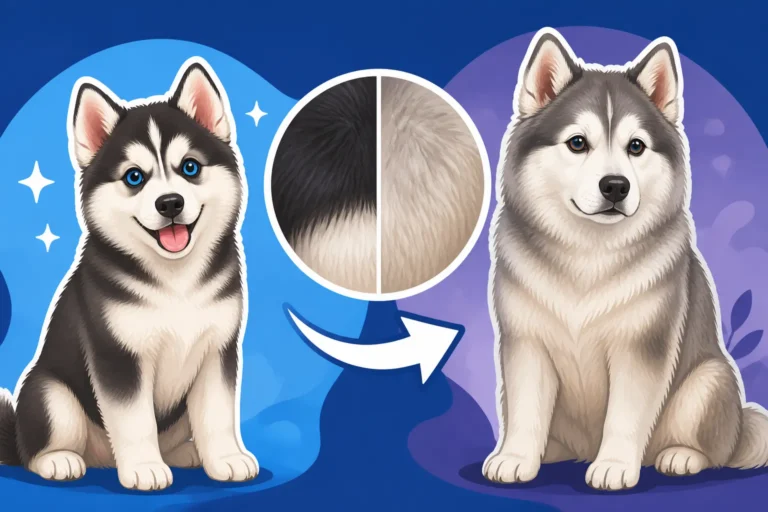
One of the most apparent changes in an aging Pomsky is often in their physical capabilities. That quick sprint to the door might become a slower, more deliberate trot. You might notice they hesitate before jumping onto the couch, or perhaps they start to struggle a bit more going up and down the stairs. These can be early indicators of joint discomfort or Arthritis in a Pomsky at Ten. Their once vibrant coat might start to thin or gray around the muzzle and eyes, and their eyes themselves may appear cloudier due to normal age-related changes, or even more serious conditions like cataracts. Weight can also fluctuate; some senior Pomskies gain weight due to decreased activity, while others lose muscle mass, becoming leaner.
Their senses can also start to dull. Hearing loss is common, making them less responsive to commands or the doorbell. Their eyesight might also diminish, making them bump into things in dimly lit rooms or become disoriented in unfamiliar environments. It’s not uncommon for an older Pomsky to appear more startled if you approach them from behind, not because they’re grumpy, but because they simply didn't hear you coming. Similarly, their sense of smell, which is so crucial to a dog’s world, can also decline, sometimes leading to a reduced appetite or less interest in their surroundings. Pay close attention to these cues, as they offer valuable insight into their needs.
Behavioral Quirks of an Aging Pomsky
Beyond the physical, an older Pomsky often develops new behavioral patterns. Their sleep patterns might shift; they could sleep more deeply during the day but become restless at night, pacing or even vocalizing. This nocturnal confusion can be heartbreaking for owners and a clear sign of cognitive changes. They might also become more set in their ways, preferring routine and getting anxious if things deviate from the norm. A Pomsky who once loved a bustling household might now seek out quiet corners to rest undisturbed.
You might also notice changes in their interaction with family members or other pets. Some become more clingy, seeking constant reassurance, while others might become more irritable or aloof, especially if they are in pain or disoriented. House-training can sometimes regress, not out of defiance, but due to weakened bladder control or simply forgetting where to go. These behavioral shifts are often linked to what veterinarians call Canine Cognitive Dysfunction (CCD), essentially doggie dementia. It’s important to remember these aren't deliberate acts but symptoms of aging, requiring immense patience and understanding from us. For a deeper dive into how aging impacts their senses, you might find Whether an Old Pomsky Goes Deaf particularly insightful.
Tailoring Nutrition for the Golden Years
Just as our own dietary needs change as we age, so do those of our senior Pomskies. The high-octane kibble they thrived on as a youthful, bounding canine might not be the best fit now that they’re spending more time napping on the couch. Adjusting their diet is one of the most proactive steps you can take to support their health and comfort.
Adjusting Their Diet as They Slow Down
As their activity levels decrease, so do their caloric requirements. Continuing to feed them the same amount of food they ate as a younger dog can lead to weight gain, which puts undue stress on their aging joints and organs. Conversely, some older dogs lose muscle mass, and may need a diet that helps maintain their lean body weight. Senior-specific dog foods are formulated with lower calorie counts, but often higher quality protein to preserve muscle mass, and sometimes contain supplements like glucosamine and chondroitin for joint support. When you’re looking at options on platforms like Chewy or your local pet store, check the ingredient list for these beneficial additions.
It's also essential to consider their specific health needs. If your Pomsky has early signs of kidney disease, a low-phosphorus, controlled protein diet might be recommended by your vet. For those with heart issues, sodium levels become a concern. The goal is to provide balanced nutrition that supports their slowing metabolism, maintains muscle, and addresses any emerging health conditions. Don't just swap foods abruptly; transition slowly over a week or two to avoid digestive upset, and always consult your veterinarian before making significant dietary changes. You can also explore fresh food options, like those offered by Ollie, which can be easier to digest and more palatable for some older dogs, but again, discuss it with your vet first. Feeding an Old Pomsky offers more detailed advice on this topic.
Managing Dental Health and Eating Challenges
Dental disease is incredibly common in older dogs, and a Pomsky's small mouth can be particularly prone to Dental Disease in a Pomsky's Crowded Mouth. Painful teeth or gums can make eating a real chore, leading to a reduced appetite and weight loss. Regular dental check-ups and cleanings are crucial throughout their lives, but become even more vital in their senior years. If chewing kibble is difficult, switching to a wet food, or softening their dry food with warm water or broth, can make a huge difference.
Sometimes, their reduced sense of smell can make food less appealing. Warming their food slightly can enhance the aroma, making it more enticing. Puzzle feeders, which were once a fun challenge, might now be frustrating. Instead, try feeding them in a quiet, comfortable spot where they won’t feel rushed or disturbed. If they are refusing to eat, or consistently losing weight, it’s a red flag that warrants an immediate vet visit. They may have an underlying health issue that needs addressing, or simply require a more palatable and nutrient-dense option to keep them thriving.
Adapting Exercise and Mental Stimulation
The vision of a Pomsky endlessly running in circles might be a thing of the past, but that doesn’t mean exercise and mental engagement should stop. They simply need to be adapted to suit their aging bodies and minds. The goal is to keep them comfortable, mobile, and happy, without overexerting them or causing pain.
Gentle Movement for Aching Joints
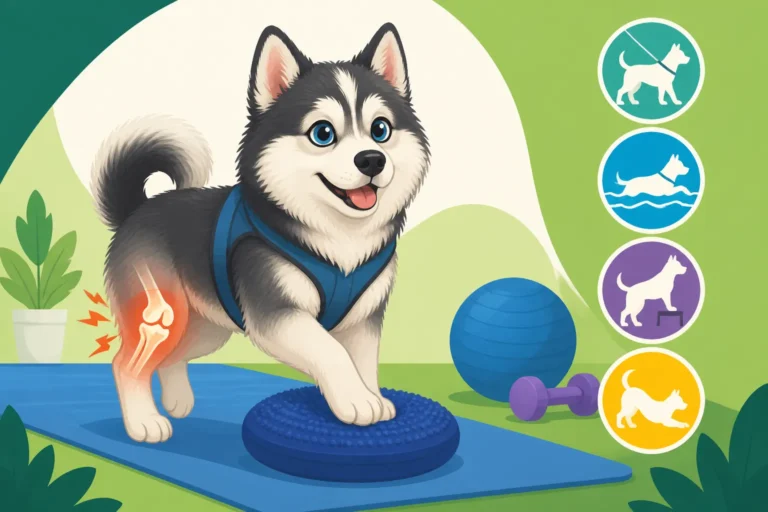
Those long, vigorous hikes you once enjoyed with your Pomsky might need to be replaced with shorter, more frequent strolls around the block. While it's important to keep them moving to maintain muscle tone and joint flexibility, overdoing it can lead to pain and inflammation. Pay attention to their cues: if they lag behind, start limping, or seem stiff after a walk, it's time to reduce the intensity or duration. Swimming can be an excellent low-impact exercise for older dogs, as the water supports their joints, reducing strain. If you have access to a canine rehabilitation center, underwater treadmills can be incredibly beneficial.
Consider adding joint supplements to their diet, as recommended by your vet. Things like glucosamine, chondroitin, and Omega-3 fatty acids can help support joint health and reduce inflammation. Even simple stretches or gentle range-of-motion exercises, demonstrated by a veterinary physical therapist, can make a difference. The key is consistency and moderation. Don't push them, but encourage them gently to stay active within their comfort zone. Exercise for an Old Pomsky delves deeper into appropriate physical activity for senior canines.
Keeping Their Minds Sharp and Engaged
Just like physical exercise, mental stimulation is vital for aging Pomskies. It helps combat cognitive decline and keeps them engaged with their environment. While complex training sessions might be too much, simple games can still be beneficial. Scent work, where they have to sniff out treats hidden around the house, is a fantastic way to engage their strongest sense and can be done regardless of their physical mobility. Puzzle toys, filled with a delicious treat, can still provide a challenge, but choose ones that aren't too frustrating.
Revisiting old, familiar commands can also be a good mental workout. Keep sessions short, positive, and reward-based. Gentle interaction, soft praise, and delicious high-value treats (perhaps something special from Amazon or your regular pet supply store) will keep them motivated. Simply spending time with them, petting them, and talking to them, helps maintain their bond with you and provides valuable mental comfort. Don’t underestimate the power of quiet companionship in keeping their spirits high.
Navigating Senior Health Concerns
Aging naturally brings a higher risk of various health issues. While it's impossible to prevent every ailment, being aware of common conditions in older Pomskies, and committing to proactive veterinary care, can make a world of difference in catching problems early and managing them effectively. This is where your partnership with your veterinarian becomes even more crucial.
Understanding Common Ailments in Older Pomskies
As Pomskies enter their senior years, they can become susceptible to a range of health problems. Beyond arthritis, which we've already touched on, kidney disease is a silent threat, often progressing unnoticed until quite advanced. Symptoms like increased thirst, more frequent urination, and lethargy can be subtle. Heart disease, manifesting as a cough, reduced stamina, or even fainting spells, is another common concern. Unfortunately, like many breeds, cancer rates also increase with age. Lumps and bumps, changes in appetite or energy, or unexplained weight loss should always be investigated.
Cognitive Dysfunction Syndrome (CDS), or "doggie dementia," can manifest as disorientation, altered sleep-wake cycles, house soiling, changes in activity levels, and altered interactions. If you notice these signs, discuss them with your vet. There are medications and dietary supplements that can sometimes help manage the symptoms and improve their quality of life. The key is not to dismiss these as "just old age," but to see them as potential medical issues that deserve attention and care. The article The Screening a Pomsky Should Have Yearly covers critical preventative measures that can catch these issues early.
The Importance of Regular Vet Check-ups
For a senior Pomsky, those annual vet visits become bi-annual, or even more frequent, depending on their health. These appointments aren't just for vaccinations; they are critical opportunities for comprehensive health screenings. Your vet will likely recommend routine blood work, urinalysis, and perhaps even blood pressure checks. These tests can detect early signs of kidney disease, liver problems, diabetes, thyroid issues, and other conditions long before outward symptoms appear. Early detection often means more effective and less invasive treatment options.
Don't hesitate to openly discuss any changes you've observed, no matter how minor they seem. Your vet relies on your observations as much as their clinical findings. Be prepared to talk about their eating habits, water intake, bathroom routines, energy levels, sleep patterns, and any new lumps or limps. These regular check-ups are your best defense against serious illness and ensure your Pomsky receives timely intervention, maximizing their comfort and prolonging their healthy years.
Maintaining Comfort and Home Adaptations
Creating an environment that caters to the needs of an aging Pomsky is paramount. Simple adjustments around the house can significantly improve their quality of life, prevent injuries, and make their daily existence much more comfortable. It's about thinking ahead and anticipating where they might struggle.
Creating a Cozy and Accessible Environment
Comfortable bedding is no longer a luxury but a necessity for senior dogs. Orthopedic beds provide crucial support for aching joints and help alleviate pressure points. Place these beds in easily accessible, draft-free areas where your Pomsky can retreat for undisturbed rest. If your Pomsky loves to join you on the couch or bed, consider pet ramps or steps to help them get up and down without straining themselves. This can prevent injuries that might occur from misjudging a jump with weaker legs. You might find ideas for Beds That Suit an Arthritic Pomsky helpful in this regard.
Non-slip mats or carpets on slippery floor surfaces like hardwood or tile can provide better traction, reducing the risk of falls, especially for dogs with wobbly gaits or weak hindquarters. Ensure their food and water bowls are easily reachable without excessive bending; elevated bowls can be a great solution. If your Pomsky is starting to lose their vision, try to keep furniture in consistent locations to prevent disorientation. And remember, temperature regulation is important; older dogs can struggle more with extreme heat or cold. Provide plenty of shade and water in summer, and a warm, cozy spot in winter. Keeping an Old Pomsky Cool in Summer offers practical tips for warmer weather.
Grooming Needs as They Age
An older Pomsky's coat can undergo What Changes in an Old Pomsky's Coat. It might become drier, thinner, or more prone to matting as they lose muscle mass and their skin becomes less elastic. Regular, gentle grooming sessions become even more important. Not only do they keep their coat healthy, but they also offer an opportunity for you to check for new lumps, bumps, skin irritations, or parasites. Their skin might become more sensitive, so use soft brushes and be extra gentle, particularly around bony areas.
For dogs with reduced mobility, certain areas might become harder for them to reach and groom themselves, leading to mats, especially behind the ears, in the armpits, or around the hindquarters. If you’re struggling to keep up with their grooming needs at home, a professional groomer who is experienced with senior dogs can be a lifesaver. They can provide gentle baths, thorough brushing, and careful nail trims, which are crucial as overgrown nails can impact their gait and cause pain. Keep an eye out for any unusual skin dryness, flakiness, or sores, which could indicate underlying health issues.
| Aspect of Care | Young Adult Pomsky (2-7 years) | Senior Pomsky (10+ years) |
|---|---|---|
| Energy Level | High, ready for long walks and intense play | Moderate to low, prefers shorter, gentler activities |
| Dietary Needs | Higher calories for sustained energy, maintenance formula | Lower calories, higher quality protein, joint support, senior-specific |
| Exercise | Vigorous walks, running, agility, dog park visits | Gentle strolls, swimming, mental games, short play sessions |
| Vet Visits | Annual check-ups, vaccinations, parasite prevention | Bi-annual (or more), comprehensive blood panels, urinalysis, dental focus |
| Joint Care | Generally proactive, supplements if needed | Essential consideration, orthopedic beds, ramps, supplements often prescribed |
| Mental Activity | Training new tricks, complex puzzle toys | Scent work, familiar commands, simple puzzles, quiet interaction |
| Grooming | Regular brushing, baths as needed, manage seasonal shedding | Gentle, frequent brushing, checking for mats and skin issues, professional help often beneficial |
| Home Adaptations | Typically none beyond basic puppy-proofing | Orthopedic beds, ramps/steps, non-slip surfaces, consistent environment |
The Emotional Journey of Caring for an Older Pomsky
Caring for a senior Pomsky is not just about physical health and dietary adjustments; it's also a deeply emotional journey for both you and your furry companion. Witnessing their decline can be challenging, but it's also an opportunity to deepen your bond and provide comfort during their most vulnerable years.
Coping with Cognitive Decline and Changes in Personality
Watching your once sharp and alert Pomsky become disoriented, forget commands, or show anxiety in familiar surroundings due to Cognitive Dysfunction Syndrome can be incredibly upsetting. It's easy to feel frustrated or sad, but remember that these changes are not their fault. Patience and understanding are your most powerful tools. Establish a consistent daily routine for feeding, walks, and sleep to help them feel secure and minimize confusion. Keep their environment stable, avoiding major furniture rearrangements.
If your Pomsky seems more anxious, especially at night, try leaving a soft light on, or playing calming music. Some dogs benefit from a comforting presence, like a familiar toy or even an old piece of your clothing with your scent. Talk to your vet about medication or supplements that can help manage anxiety or improve cognitive function. Remember that your unwavering love and gentle reassurance are the most important things you can offer as they navigate this confusing phase.
Cherishing Every Moment and Preparing for the Inevitable
This stage of your Pomsky's life is about cherishing the moments you have left. Focus on providing comfort, joy, and peace. While their days of long hikes might be over, quiet cuddles on the couch, gentle pets, and the warmth of your presence are priceless. Make sure their favorite treats are always on hand, and that they feel safe and loved. Every extra wag of their tail, every contented sigh, is a precious gift.
It's also natural, albeit incredibly difficult, to start thinking about the end of life. Discussing quality of life with your veterinarian and family is crucial. There might come a time when their pain can no longer be managed effectively, or their cognitive decline makes their daily existence a source of constant distress. Knowing When an Old Pomsky Has Had Enough is one of the hardest decisions any pet owner faces, but making that choice with love and compassion, ensuring they don't suffer, is the final, most profound act of kindness we can offer our cherished companions. Seek support from your vet, friends, or online communities during this challenging time.
Disclaimer
This article is for general informational purposes only and does not constitute professional advice. Laws, prices and regulations vary by location and change over time. Consult a qualified professional for guidance on your specific situation.