Whether a Pomsky Sheds All Year as Well
Oh, the joy of a Pomsky! They're absolutely adorable, full of personality, and often come with those stunning Husky-like features. But let's be real for a moment: if you're picturing a sleek, low-shedding companion, you might be in for a fluffy surprise. One of the most common questions and, frankly, sources of daily vacuuming for Pomsky owners is whether these beautiful dogs shed all year round. The short answer is a resounding yes, and this guide is here to help you understand why and what you can do about it.
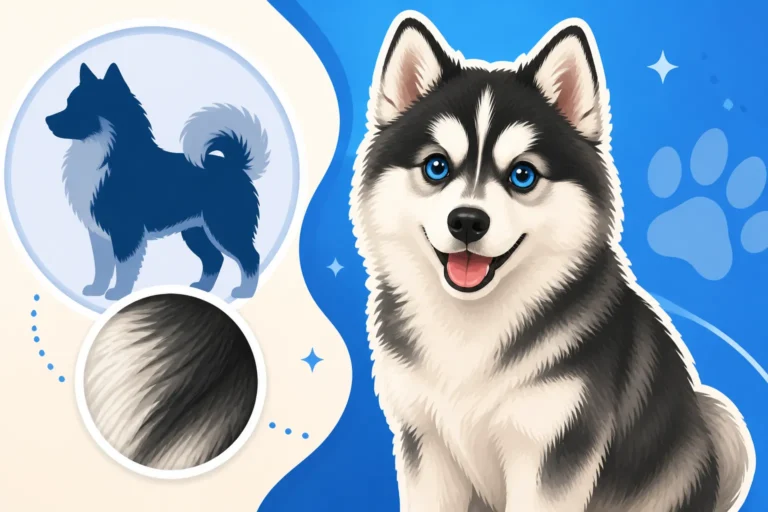
Understanding the Pomsky's Magnificent Double Coat
To truly grasp why your Pomsky seems to be constantly redecorating your home with their fur, we first need to dive into the specifics of their coat type. Pomskies inherit their glorious, thick coats from both sides of their lineage: the robust Siberian Husky and the fluffy Pomeranian. Both parent breeds are renowned for their incredible double coats, and your Pomsky is no exception. This isn't just a simple layer of hair; it's a sophisticated insulation system designed for survival in varying climates.
What Exactly Is a Double Coat?
A double coat consists of two distinct layers, each serving a crucial purpose. First, you have the outer layer, often called the "guard hairs." These are typically longer, coarser, and more waterproof. They protect the dog's skin from environmental elements like rain, snow, and UV rays, and they're what gives your Pomsky their signature sleek or fluffy appearance. Underneath this protective layer lies the "undercoat." This is where the real shedding magic happens. The undercoat is made up of dense, soft, downy hairs that are much shorter than the guard hairs. Its primary function is insulation, keeping your Pomsky warm in cold weather and, surprisingly, helping to cool them in hot weather by trapping air. This dense undercoat is the engine behind the constant shedding you'll experience.
Think of it like wearing a high-performance winter jacket with a thick fleece lining. The outer shell protects you from the elements, but that fuzzy lining is what truly keeps you warm. Your Pomsky's coat works in a very similar fashion. The Pomsky That Carries a Husky Coat at Twenty Pounds is a great read if you want to understand more about the specific coat characteristics they inherit.
How the Husky and Pomeranian Influence It
Both the Siberian Husky and the Pomeranian are breeds from cold climates, and their double coats are absolutely essential for their survival in those environments. The Husky's coat is designed for extreme cold, with a thick, dense undercoat and straight, protective guard hairs. The Pomeranian also boasts a profuse double coat, often described as a "stand-off" coat due to its fluffy appearance, which is also due to a dense undercoat pushing the guard hairs out.
When these two breeds are combined to create a Pomsky, you get a beautiful, often highly variable, mix of these coat traits. Some Pomskies might lean more towards the Husky's coat texture, with a slightly smoother appearance, while others might inherit the Pomeranian's voluminous fluff. Regardless of the exact look, the presence of that crucial double coat is a given, and with it comes the inherent characteristic of shedding. This isn't a design flaw; it's simply how their amazing coats are built to function. Each hair follicle has a growth cycle, and when that cycle ends, the hair sheds, making way for new growth. This process is continuous, which means some level of shedding is always occurring.
The "Blowout" vs. Year-Round Shedding: Knowing the Difference
Many double-coated dog owners hear the term "shedding" and immediately picture the epic seasonal "blowouts" that seem to turn their homes into tumbleweed factories. While Pomskies certainly have those dramatic periods, it’s crucial to understand that year-round shedding is a separate, albeit related, phenomenon. It’s not just a switch that turns on and off with the seasons; it’s more like a dimmer switch that gets cranked up a few times a year.
Distinguishing Seasonal Heavy Shedding
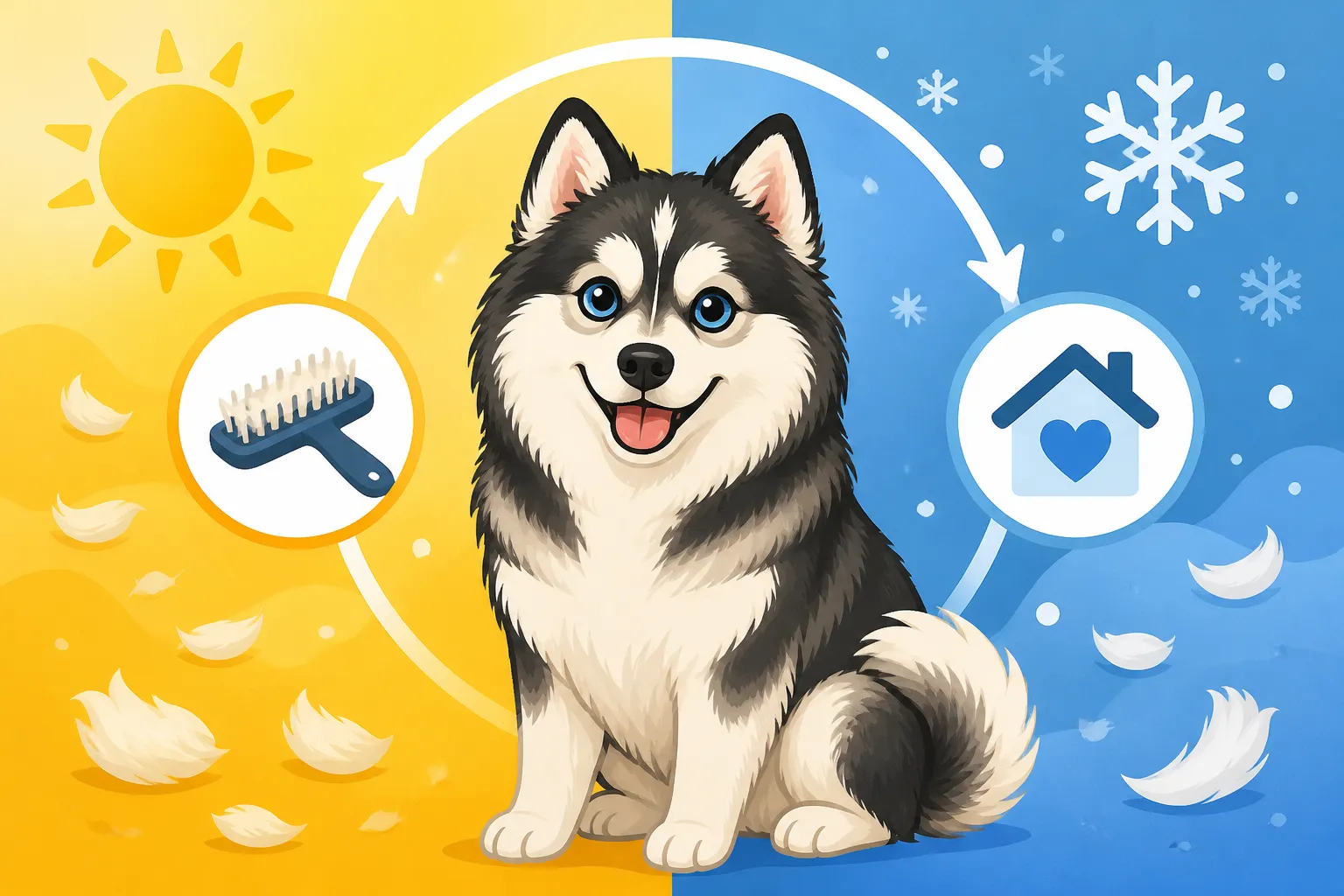
The "blowout" or "coat blow" refers to those intense periods, typically twice a year (spring and fall), when your Pomsky sheds an astonishing amount of their undercoat. Whether a Pomsky Blows Its Coat Twice a Year goes into much more detail on this topic. In the spring, they shed their heavy winter undercoat to prepare for warmer weather, making way for a lighter, thinner undercoat. In the fall, they shed that lighter summer coat to grow in a denser, warmer one for winter. During these times, you might feel like you could build another Pomsky from the amount of fur coming off your dog! This shedding is a natural, necessary process, and it can last for several weeks. You'll literally see clumps of soft, fluffy undercoat coming out with every brush stroke, and sometimes even just by petting them. This is normal, and it’s when your grooming efforts need to be at their absolute peak.
The Constant, Finer Shed
Outside of these intense seasonal blowouts, Pomskies still shed. This is the year-round shedding we're talking about, and it's less about massive clumps of undercoat and more about a steady, consistent release of individual hairs. Think of it like human hair; we lose strands every day, right? It's the same for your Pomsky. Their hair follicles are constantly going through cycles of growth, rest, and shedding. While this daily shedding might not be as dramatic as a full blowout, it's enough to necessitate regular cleaning and grooming. You'll find fine hairs on your clothes, furniture, and floating around the house. It's often more noticeable because it's persistent, even if the sheer volume at any given moment is less than during a seasonal coat blow. This is simply the nature of living with a double-coated breed.
Factors Influencing Consistent Shedding
While the double coat is the fundamental reason for year-round shedding, several factors can influence the amount and intensity of that shedding. Understanding these can help you manage your Pomsky's coat more effectively and potentially identify if something out of the ordinary is happening. It’s never just one thing; often, it’s a combination of influences that determines how much fluff you’ll find daily.
Diet and Nutrition's Role
What you feed your Pomsky plays a surprisingly significant role in the health of their coat and, by extension, their shedding patterns. A high-quality diet provides the essential nutrients—proteins, healthy fats (like Omega-3 and Omega-6 fatty acids), vitamins, and minerals—that are crucial for healthy skin and hair growth. If your Pomsky's diet is lacking in these areas, their coat can become dull, dry, and more prone to shedding. Cheap fillers and low-quality ingredients can negatively impact coat health, leading to more breakage and excessive shedding.
Imagine trying to grow strong, healthy hair on a diet of junk food; it just won't happen efficiently. The same goes for your Pomsky. Look for dog foods that list real meat as the first ingredient and contain beneficial fatty acids. Some owners opt for fresh food diets, like those offered by companies like Ollie, which focus on human-grade ingredients that can sometimes improve coat health. Others find great success with premium kibble brands found on sites like Chewy. A well-nourished Pomsky will have a shinier, healthier coat that still sheds, but perhaps not as excessively due to poor health.
Environmental Factors: Indoor Living
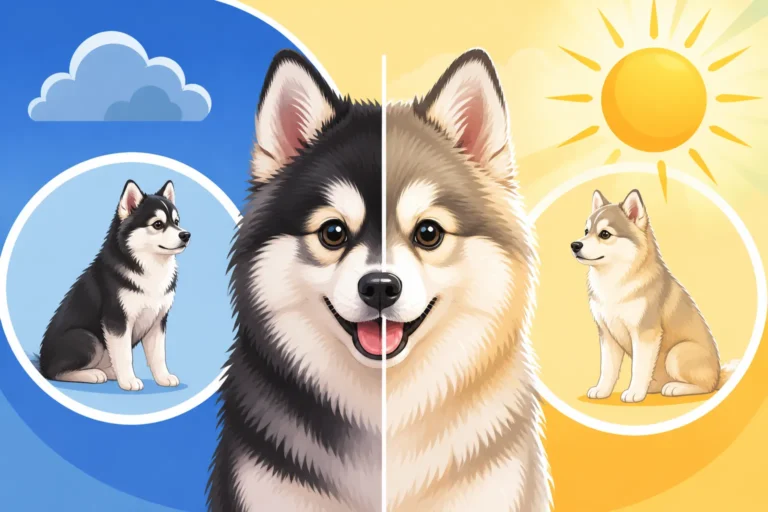
Our modern lifestyles, especially keeping dogs primarily indoors, can also impact a Pomsky's shedding cycles. Historically, dogs lived outdoors, experiencing the full shift in natural light and temperature, which signaled their bodies when to shed and grow new coats. Indoors, with artificial lighting, climate control (air conditioning in summer, heating in winter), and constant moderate temperatures, a dog's natural seasonal cues can become somewhat muddled.
This can lead to a more consistent, albeit lighter, shedding year-round, rather than distinct "on" and "off" seasons. Their bodies don't get the strong signals to entirely blow their coat and then completely stop. Instead, it becomes a more continuous process as they adapt to the less extreme indoor environment. While we all love having our Pomskies curled up on the couch, this comfort can inadvertently contribute to that steady, daily fluff production.
Health and Hormonal Influences
Beyond diet and environment, your Pomsky's overall health and hormonal balance can significantly affect their coat and shedding. Stress, for instance, can sometimes trigger increased shedding. If your Pomsky is anxious or undergoing significant changes, you might notice more hair loss. Hormonal changes, such as those related to spaying or neutering, pregnancy, or even certain medical conditions, can also alter shedding patterns.
Conditions like hypothyroidism, allergies, skin infections, or even parasites can all manifest as excessive or abnormal shedding, often accompanied by other symptoms like itching, redness, or bald patches. If you notice a sudden, dramatic increase in shedding outside of the normal seasonal blowouts, or if the shedding is patchy, causes skin irritation, or your Pomsky seems unwell, it's always best to consult with your veterinarian. It could be a sign of an underlying health issue that needs addressing. What Alopecia X Does to a Pomsky's Coat is an important read on a specific coat issue that can be mistaken for extreme shedding.
Managing Year-Round Shedding at Home
Living with a double-coated breed means accepting a certain level of fur in your life, but it doesn't mean you're powerless! There are plenty of proactive steps you can take at home to manage your Pomsky's year-round shedding, making both your dog and your living space much happier. Consistency is truly the key here.
Daily Brushing Routines
This is perhaps the single most effective tool in your arsenal against Pomsky shedding. Daily brushing, or at the very least every other day, is crucial. It helps remove loose undercoat hairs before they have a chance to settle on your furniture or float through the air. Brushing also distributes natural oils, keeping your Pomsky's coat healthy and shiny, and prevents mats and tangles from forming, which can be painful and lead to skin issues.
During seasonal blowouts, you might even need to brush twice a day. The goal isn't just to skim the surface; you need to get down to the undercoat. Use a dedicated undercoat rake first to gently pull out the loose fluff, then follow up with a slicker brush to smooth the guard hairs and catch any remaining loose fur. Many owners find products available on Amazon or Chewy to be effective. Make it a positive experience for your Pomsky with treats and praise, starting from puppyhood, so they learn to enjoy their grooming sessions. Regular brushing will drastically reduce the amount of fur shed around your home. The Undercoat Rake a Pomsky Owner Lives With provides more guidance on this essential tool.
Bathing and Drying Techniques
While you don't want to over-bathe your Pomsky (which can strip their natural oils and dry out their skin), regular baths can be incredibly helpful in loosening and removing dead undercoat, especially during shedding seasons. Aim for a bath every 4-6 weeks, or more often during a heavy blowout if needed. The key is to use a high-quality shampoo designed for double coats and, crucially, to ensure your Pomsky is completely dry afterward.
A thorough bath followed by a high-velocity force dryer is a game-changer. These dryers (often available for purchase if you prefer home grooming, or used by professional groomers) literally blow the loose undercoat out of the dog's coat, significantly reducing shedding. Simply towel-drying or air-drying often leaves damp undercoat, which can lead to skin problems like hot spots and leave a lot of fur still trapped, waiting to shed indoors. Drying a Pomsky to the Skin is a must-read for anyone serious about managing their Pomsky's coat effectively.
Tools of the Trade
Having the right grooming tools makes all the difference. Don't try to tackle a double coat with just any old brush; you need specific equipment to be effective.
Here's a quick rundown of essential tools for your Pomsky:
| Tool | Purpose | Frequency (General) | Notes |
|---|---|---|---|
| Undercoat Rake | Reaches deep into the undercoat to remove loose, dead fur. | Daily/Every other | Essential during blowouts. Use gently to avoid skin irritation. |
| Slicker Brush | Removes loose hair from the topcoat and smoothes the guard hairs. | Daily | Good for general tidying and catching surface fur. |
| Pin Brush | Detangles longer guard hairs, good for fluffier coats. | Daily | Can be used before the slicker brush on more wooly-coated Pomskies. |
| Deshedding Tool | Specialized tools designed to remove undercoat more efficiently. | Weekly (with care) | Use sparingly and according to instructions to avoid damaging guard hairs. |
| High-Velocity Dryer | Blows out loose undercoat and dries the coat quickly. | After every bath | A significant investment but highly effective for shedding control. |
| Metal Comb | Checks for mats, especially behind ears, armpits, and leg feathering. | Weekly | Crucial for finding hidden tangles before they become major problems. |
You can find all these tools on platforms like Chewy or Amazon. Investing in good quality tools might seem like a lot initially, but they are absolutely worth it in the long run for maintaining your Pomsky's coat health and reducing household fur. The Three Pomsky Coat Types offers insights into how certain tools might be more effective for specific coat variations your Pomsky might have.
Professional Grooming and Seasonal Shedding
Sometimes, despite your best efforts at home, your Pomsky's shedding can feel overwhelming, especially during those intense seasonal blowouts. This is where professional groomers can become invaluable partners in coat management. They have the expertise, equipment, and products to tackle even the heaviest shedding.
When to Seek Professional Help
If you're feeling perpetually buried in fur, or if your Pomsky's coat is becoming matted despite regular brushing, it's definitely time to call in the professionals. Groomers are trained to handle double coats and can perform thorough de-shedding treatments that are difficult to replicate at home. They also have industrial-strength high-velocity dryers that can literally blast out huge amounts of dead undercoat in a way your home hairdryer simply cannot.
Consider scheduling a professional grooming appointment at the beginning of each major shedding season (spring and fall) to help "kickstart" the shedding process and remove the bulk of the old coat. Many Pomsky owners also opt for monthly or bi-monthly maintenance appointments, especially if their dog has a particularly dense or wooly coat. This consistent professional care can significantly reduce the amount of year-round shedding you experience at home and keep your Pomsky comfortable.
De-shedding Treatments Explained
Professional de-shedding treatments typically involve several steps. First, the groomer will often use a specialized de-shedding shampoo and conditioner, designed to help loosen dead hair from the follicles. After a thorough wash and rinse, the magic truly happens with the high-velocity dryer. This powerful tool separates the hairs and literally blows the loose undercoat out of the dog's coat. It’s a messy process for the groomer, but incredibly effective for your dog.
Following the drying, the groomer will use a combination of brushes and de-shedding tools, often much more robust than what you’d use at home, to remove any remaining loose fur. The amount of hair that comes off during one of these sessions can be astonishing – sometimes enough to fill a grocery bag! The result is a much lighter, cleaner coat for your Pomsky, and significantly less shedding around your house for weeks afterward. How Much Undercoat Comes Off a Pomsky describes just how much fur can be removed. A crucial point to remember: never allow a groomer to shave your double-coated Pomsky unless medically necessary. Why a Pomsky Must Never Be Shaved explains why this can cause irreversible damage to their coat.
Addressing Excessive or Unusual Shedding
While year-round shedding is normal for a Pomsky, there's a difference between a healthy amount of fluff and excessive or unusual hair loss. Being observant of your Pomsky's coat and skin can help you spot potential problems early and ensure your furry friend stays healthy and happy.
Recognizing Red Flags
How do you know if the shedding is beyond normal? Here are some red flags to look out for:
- Patchy Hair Loss: If your Pomsky is losing hair in specific patches, creating bald spots, this is definitely not normal.
- Skin Irritation: Excessive scratching, redness, rashes, scabs, or hot spots accompanying the shedding are signs of an underlying issue. Hot Spots Under a Pomsky's Undercoat is a relevant read here.
- Dull, Brittle Coat: A healthy Pomsky coat should have a natural sheen. If it looks dull, dry, or brittle, it could indicate a nutritional deficiency or health problem.
- Changes in Behavior: Lethargy, loss of appetite, increased thirst, or other behavioral changes combined with shedding could point to a systemic illness.
- Odor: An unusual or unpleasant skin odor can indicate a bacterial or yeast infection, often associated with skin issues and shedding.
- Seasonal Anomaly: If your Pomsky is shedding an extreme amount in the dead of winter when they should be at their warmest, or the pattern seems completely off, it warrants investigation.
Any of these signs, especially in combination, should prompt you to investigate further. It’s about more than just the hair; it’s about the overall health of your Pomsky.
When to Consult a Vet
If you notice any of the red flags mentioned above, or if your Pomsky's shedding is so severe that it's causing them discomfort, impacts their skin health, or is accompanied by other signs of illness, it's time to schedule an appointment with your veterinarian. Don't try to self-diagnose or treat severe shedding issues at home. Your vet can perform a thorough examination, which may include skin scrapings, blood tests, or other diagnostics to pinpoint the cause.
Common medical reasons for excessive shedding can include:
- Allergies: Environmental, food, or flea allergies can cause intense itching and subsequent hair loss. Whether a Pomsky Gets Allergies provides more information on this.
- Parasites: Fleas, mites, and other external parasites can irritate the skin and lead to shedding.
- Hormonal Imbalances: Conditions like hypothyroidism (underactive thyroid) or Cushing's disease can manifest as symmetrical hair loss and skin issues.
- Nutritional Deficiencies: As mentioned, a poor diet can negatively impact coat health.
- Stress or Anxiety: Severe stress can sometimes trigger significant hair loss.
Your vet will be able to determine if the shedding is a benign but heavy consequence of their double coat, or if it's a symptom of something more serious. They can then recommend appropriate treatment, dietary changes, or specialized shampoos to help your Pomsky get back to a healthy coat and comfortable skin. Remember, your vet is your best resource for any health concerns.
No matter how much you love your Pomsky, the constant shedding can be a challenge. But with understanding, the right tools, and a consistent routine, you can manage it effectively and keep both your home and your fluffy companion happy.
Disclaimer
This article is for general informational purposes only and does not constitute professional advice. Laws, prices and regulations vary by location and change over time. Consult a qualified professional for guidance on your specific situation.