What Pomsky Owners Wish They Had Known
Pomsky ownership challenges include unpredictable adult sizes, coat types, and independent temperaments that surprise new owners.
Is this the right one for you?
Origins and temperament, size and coat, what living with one is actually like, and how it compares to the breeds people weigh against it.
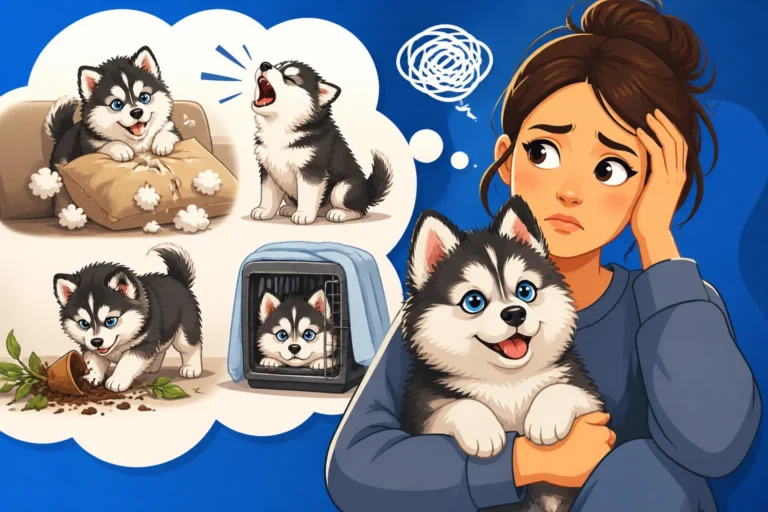
Pomsky ownership challenges include unpredictable adult sizes, coat types, and independent temperaments that surprise new owners.

Pomsky ownership suitability for beginners, explaining temperament, high energy demands, vocal habits, and independent streaks.
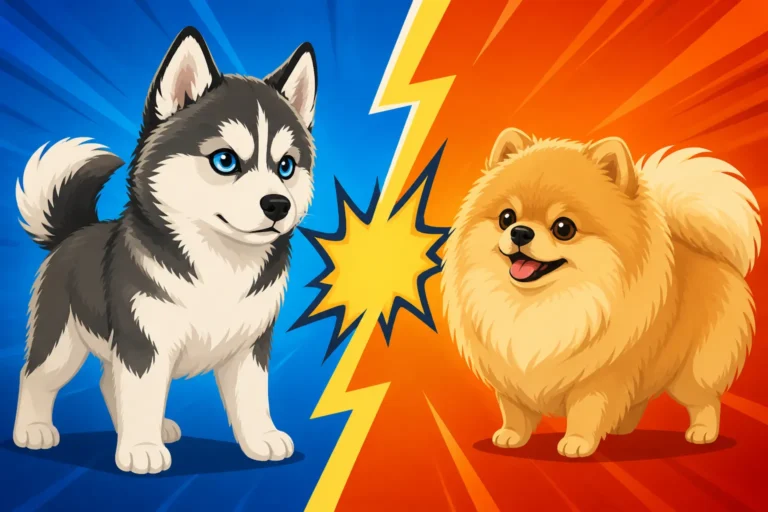
The Pomsky and the Pomeranian compared by weight ranging from ten to thirty-five pounds against small three to seven pound dogs.
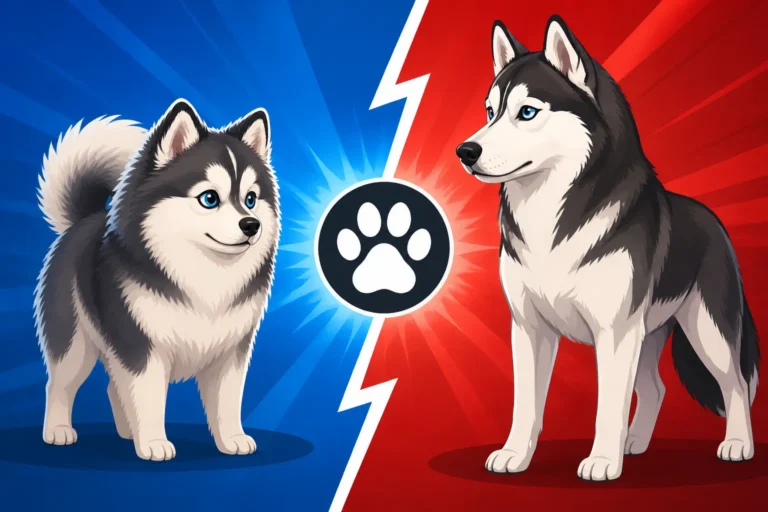
The Pomsky compared directly to a purebred Husky explains size, coat, and appearance differences for prospective owners.

Pomsky coat colors and facial masks include black, gray, and red variations inherited from Husky and Pomeranian parents.

Pomsky blue eyes originate from Siberian Husky genetics, creating high demand, distinct aesthetic appeal, and higher puppy prices for buyers.

Pomsky puppy appearance genetics determine whether a dog resembles a Siberian Husky or a Pomeranian parent through a genetic lottery.

The reality of toy Pomskies involves genetics, breeder practices, and health considerations affecting adult dog size.
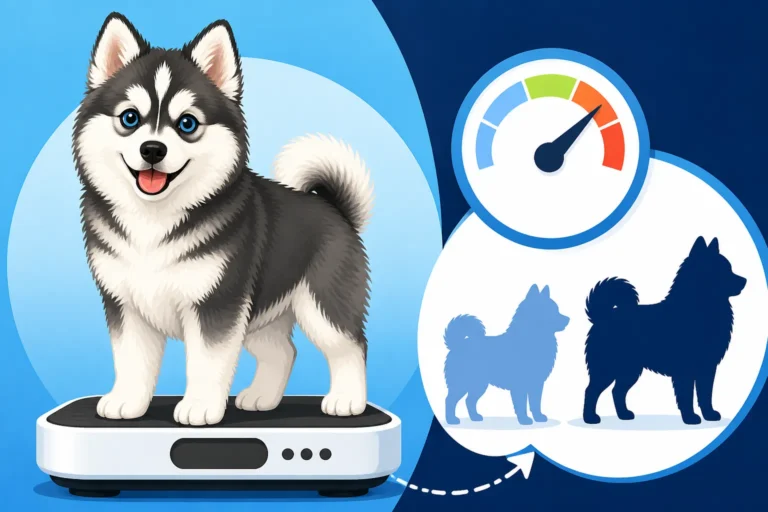
Adult Pomsky weight varies widely because crossing a Siberian Husky and a Pomeranian creates unpredictable hybrid genetics.
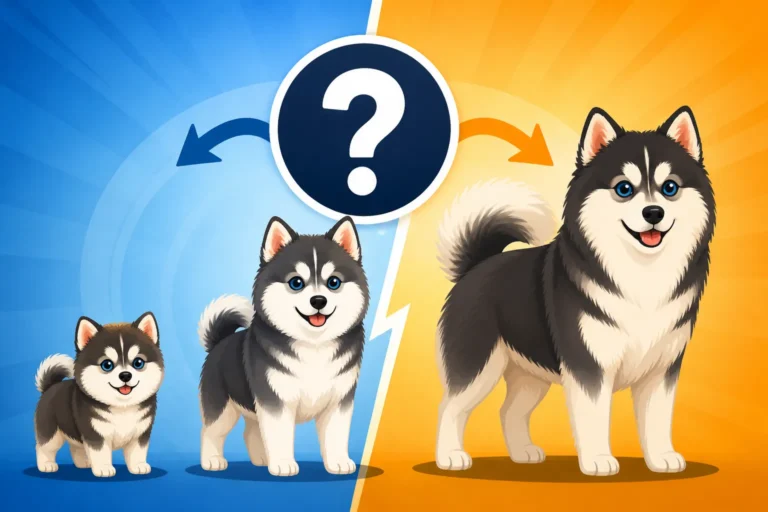
Pomsky generation differences and genetics, including F1, F2, and multi-generational pups, affect their unpredictable adult size.