Whether Washing a Pomsky Too Often Strips the Coat
It's a common dilemma for Pomsky owners: you want your furry companion to be clean and smell fresh, but there's this nagging worry that too much bathing might actually do more harm than good to their magnificent coat. You’ve probably heard whispers about stripping natural oils or damaging the fur, and it leaves you wondering how to strike that perfect balance. This guide is here to untangle the truth about bathing frequency and its impact on your Pomsky's unique double coat, offering clear, actionable advice to keep them looking and feeling their best without compromising their skin and fur health.
Understanding Your Pomsky's Unique Double Coat
First things first, let's talk about what makes your Pomsky's coat so special, and why it requires a bit more thought than, say, a short-haired terrier. Pomskies inherit their lush, thick fur from their Siberian Husky and Pomeranian parents, both of whom sport a quintessential double coat. This isn't just a fashion statement; it's a vital piece of their physiological toolkit, designed to protect them from the elements, whether it's freezing temperatures or scorching sun. Understanding its structure is key to caring for it properly. You might want to explore more about The Pomsky That Carries a Husky Coat at Twenty Pounds to truly appreciate this amazing fur.
The Anatomy of a Pomsky's Coat: Guard Hairs and Undercoat
Imagine your Pomsky's coat as a two-layer security system. The top layer consists of what we call "guard hairs." These are the longer, coarser, and often shinier hairs you see, giving your Pomsky its primary color and markings. Their job is to repel water, dirt, and UV rays, acting as a protective shield against the outside world. They're tough and resilient, but they can still be damaged.
Beneath this outer layer lies the "undercoat," a dense, soft, and woolly layer of fur. This is the insulation system. It traps air close to the body, keeping your Pomsky warm in winter and surprisingly helping to regulate body temperature in warmer weather by preventing heat from penetrating directly to the skin. This undercoat is what gives Pomskies their fluffy appearance, and it's also the layer that "blows" out in massive quantities during seasonal shedding. Without both layers working in harmony, your Pomsky’s natural defenses are compromised. You'll find different variations too, as discussed in The Three Pomsky Coat Types.
The Natural Oils and Their Role in Coat Health
Beyond the hairs themselves, your Pomsky's skin produces natural oils, primarily sebum, which coat both the guard hairs and the undercoat. These oils are absolutely crucial. They act as a natural conditioner, keeping the fur soft, pliable, and shiny. More importantly, they provide a waterproof barrier, preventing moisture from reaching the skin, which can lead to irritation or infections. These oils also play a role in maintaining the skin's healthy pH balance, creating an environment where beneficial microbes thrive and harmful ones are kept at bay.
Think of it like this: your own skin and hair have natural oils that protect them. If you wash your hair too frequently with harsh shampoos, it can become dry, brittle, and your scalp can get itchy. The same principle, amplified by the dense double coat, applies to your Pomsky. These natural oils are their first line of defense, and stripping them away too often leaves their skin and coat vulnerable.
The Risks of Over-Washing a Pomsky
Now that we appreciate the intricate design of a Pomsky's coat, it becomes clearer why excessive bathing can be detrimental. It's not just about getting wet; it's about the detergents in shampoos and the mechanical action of washing disrupting a finely tuned biological system.
Stripping Essential Oils and Causing Dry Skin
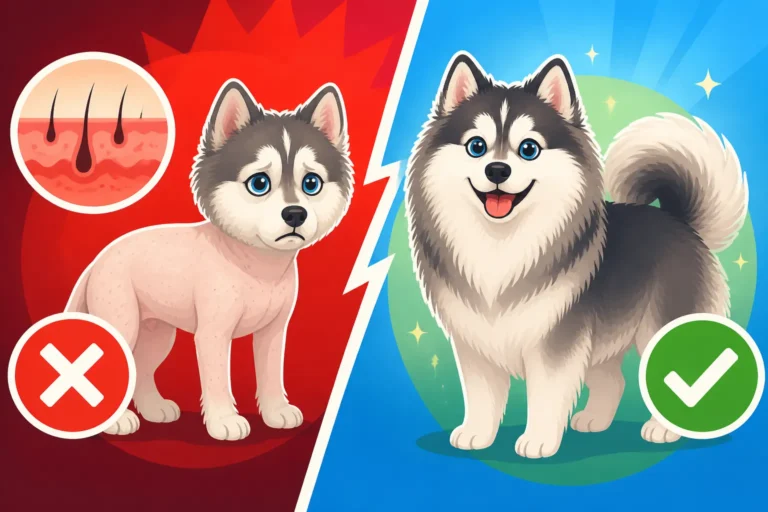
The primary concern with over-washing is the stripping of those vital natural oils. Shampoos are formulated to clean by emulsifying oils and dirt, allowing them to be rinsed away. When used too frequently, or with harsh formulas, they don't just remove grime; they remove the healthy, protective sebum. The result is often dry, itchy skin. You might notice your Pomsky scratching more than usual, or even developing flaky skin, sometimes referred to as dandruff. The coat itself can start to look dull, feel coarse, and become more prone to tangling because it lacks the natural lubrication and protective barrier. This can make their beautiful fur feel less luxurious and more like straw, and it leaves their skin susceptible to irritation. This is particularly concerning if you're battling other skin issues like Whether a Pomsky's Skin Cracks Around the Mouth.
Disrupting the pH Balance and Promoting Skin Issues
A lesser-known but equally important risk is the disruption of your Pomsky's skin pH balance. Dog skin has a different pH level than human skin; it's generally more alkaline. Many human shampoos are too acidic for dogs, but even dog-specific shampoos, when used too often, can throw off this delicate balance. When the skin's pH is off, its natural protective barrier is weakened. This makes your Pomsky more vulnerable to bacterial and yeast infections, which love an imbalanced environment. You might start seeing red patches, bumps, or notice a peculiar, sometimes yeasty, odor coming from their skin. This is the last thing any loving owner wants for their pet, and it's a direct consequence of overriding nature's own protective measures.
Potential Damage to Guard Hairs and Increased Shedding
While guard hairs are tough, they aren't invincible. Frequent washing, especially if coupled with vigorous scrubbing or brushing while wet, can weaken these hairs over time. This can lead to breakage, which diminishes their ability to repel water and dirt, and makes the coat look less lustrous. Moreover, if the skin beneath the coat becomes irritated or dry from over-washing, it can affect the hair follicles. Unhealthy follicles might prematurely release hairs, potentially contributing to more shedding than is normal for your Pomsky's seasonal coat blow, which is already quite a lot to handle! You'll already be accustomed to managing What a Pomsky's Shedding Does to a House, so adding more to the pile isn't ideal.
How Often Should You Bathe Your Pomsky?
So, if over-washing is a concern, what's the right frequency? This isn't a one-size-fits-all answer, as several factors come into play. However, as a general rule, most Pomskies don't need to be bathed nearly as often as some owners might think. A good starting point for a healthy Pomsky is typically every 4 to 8 weeks, but sometimes even less if they're not getting particularly dirty.
Factors Influencing Bathing Frequency
Several things should influence your bathing schedule:
- Lifestyle: Does your Pomsky spend a lot of time romping through muddy fields, or are they more of an indoor couch potato? A Pomsky who loves to hike and explore will naturally get dirtier faster than one who prefers manicured parks. If your dog frequently rolls in pungent things or gets visibly grimy, you'll need to bathe them more often than one who stays relatively clean.
- Skin and Coat Condition: Dogs with certain skin conditions, like allergies or oily skin, might actually benefit from more frequent, medically prescribed baths with specialized shampoos. Conversely, dogs with very dry or sensitive skin might need baths less often, with extra gentle products. Always consult your vet if you suspect a skin issue.
- Shedding Cycles: Pomskies "blow" their coat twice a year, usually in spring and fall. During these periods, a bath can actually help loosen dead undercoat, making the deshedding process a bit easier. However, this isn't about more frequent baths, but perhaps strategically timed ones. For more on this, check out How Often a Pomsky Should Be Bathed.
- Odor: Sometimes, a Pomsky just starts to smell a bit "doggy." This can be due to environmental factors, hormones, or sometimes even diet. A bath can certainly help, but it's also worth investigating if a persistent odor signals an underlying issue, such as skin infection, dental problems, or diet sensitivities.
Best Practices for Bathing a Pomsky
When it is time for a bath, how you do it matters just as much as how often.
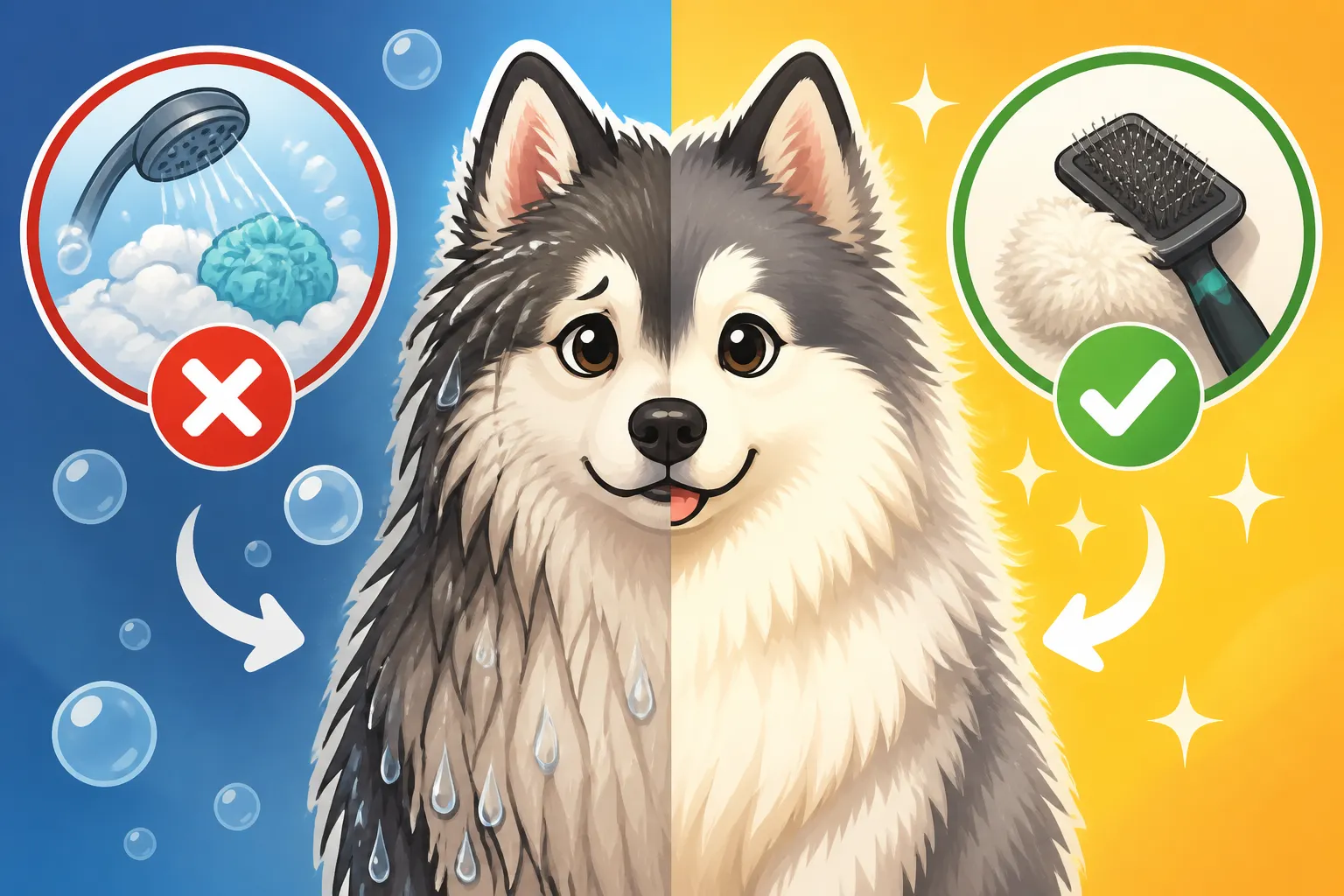
- Brush Before Bathing: This is crucial for a double-coated breed. Thoroughly brush your Pomsky before getting them wet to remove as much loose fur and tangles as possible. Water can tighten mats, making them nearly impossible to remove without cutting. An undercoat rake, like those available on Amazon or Chewy, is your best friend here. The Undercoat Rake a Pomsky Owner Lives With is a must-read for any Pomsky owner.
- Use the Right Shampoo: Always use a dog-specific shampoo. Look for formulas designed for sensitive skin, moisturizing properties, or those specifically for double coats. Avoid harsh detergents and artificial fragrances that can irritate the skin. There are many great options, so research Shampoos That Suit a Pomsky's Double Coat.
- Lather Gently, Rinse Thoroughly: Apply shampoo gently, focusing on areas that get dirtiest. The most critical step is rinsing. Rinse, rinse, and rinse again until you are absolutely certain there is no shampoo residue left. Residue can irritate the skin and dull the coat.
- Dry Properly: Towel dry thoroughly, then ideally use a high-velocity dryer specifically designed for dogs. This tool pushes water out from the undercoat, prevents matting, and helps separate hairs, allowing them to dry quickly and completely. Air drying a double-coated dog can take hours, leading to a damp undercoat that can become a breeding ground for bacteria or yeast, potentially causing hot spots. Drying a Pomsky to the Skin explains this in more detail, and highlights why you want to avoid Whether a Damp Pomsky Undercoat Causes Hot Spots.
Maintaining Coat Health Between Baths
Since frequent bathing isn't the answer, what can you do to keep your Pomsky's coat healthy and fresh between baths? A consistent grooming routine and proper nutrition are your best allies.
Regular Brushing: The Cornerstone of Pomsky Coat Care
Brushing is paramount for a Pomsky. It's not just about aesthetics; it's a vital health practice. Regular brushing, ideally several times a week, helps distribute those natural oils throughout the coat, keeping it healthy and shiny. It also removes loose fur, dead skin cells, and any trapped dirt or debris, preventing mats and tangles, especially in denser areas like behind the ears, under the legs, and around the tail. During seasonal shedding, daily brushing is often necessary to manage the sheer volume of fur. Many owners find success with specialized brushes, readily available from retailers like Chewy. Consistent brushing reduces the need for frequent baths and keeps your home a little less hairy.
Spot Cleaning and Dry Shampoos
For localized messes, spot cleaning is your go-to. If your Pomsky gets muddy paws, simply wipe them down with a damp cloth or a pet-safe grooming wipe. If they roll in something smelly, you can clean just that area with a small amount of dog shampoo diluted with water, making sure to rinse and dry it thoroughly.
Dry shampoos or deodorizing sprays formulated for dogs can also be a lifesaver for freshening up the coat between full baths. These products absorb excess oil and neutralize odors without stripping the coat's natural oils. Always choose products specifically designed for dogs and test a small area first to ensure your Pomsky doesn't have a reaction. These can be found at local pet stores or online through Amazon.
Nutritional Support for a Healthy Coat
Finally, never underestimate the power of diet in maintaining a healthy coat and skin. A high-quality diet rich in essential fatty acids, particularly Omega-3 and Omega-6, is fundamental. These nutrients support skin barrier function, reduce inflammation, and contribute to a lustrous coat from the inside out. Look for dog foods that list quality protein sources as the first ingredients and include healthy fats.
Some owners also choose to supplement their Pomsky's diet with fish oil or other skin and coat supplements. While diet is the foundation, supplements can provide an extra boost if recommended by your veterinarian. For fresh food options, consider checking out brands like Ollie for balanced meals. A healthy diet contributes significantly to both skin health and coat quality, often making baths less frequently needed in the long run. Learn more about Whether a Pomsky Needs Fish Oil.
Here’s a quick overview of how proper care impacts your Pomsky’s coat:
| Aspect | Over-Washed Pomsky | Properly Bathed Pomsky |
|---|---|---|
| Coat Feel | Dry, coarse, brittle, prone to tangles | Soft, smooth, pliable, less prone to matting |
| Coat Appearance | Dull, lifeless, flaky dandruff visible | Shiny, vibrant, clean, healthy sheen |
| Skin Condition | Itchy, red, irritated, potential for infections | Calm, healthy, no excessive scratching |
| Natural Oil Balance | Stripped, insufficient protection | Balanced, provides natural waterproofing and conditioning |
| Odor | May still smell "doggy" quickly after bath, or have yeasty smell if irritated | Fresh and clean for weeks, natural smell returns slowly |
| Shedding | Can increase due to irritated skin/damaged follicles | Managed through regular brushing, normal seasonal blowouts |
Disclaimer
This article is for general informational purposes only and does not constitute professional advice. Laws, prices and regulations vary by location and change over time. Consult a qualified professional for guidance on your specific situation.