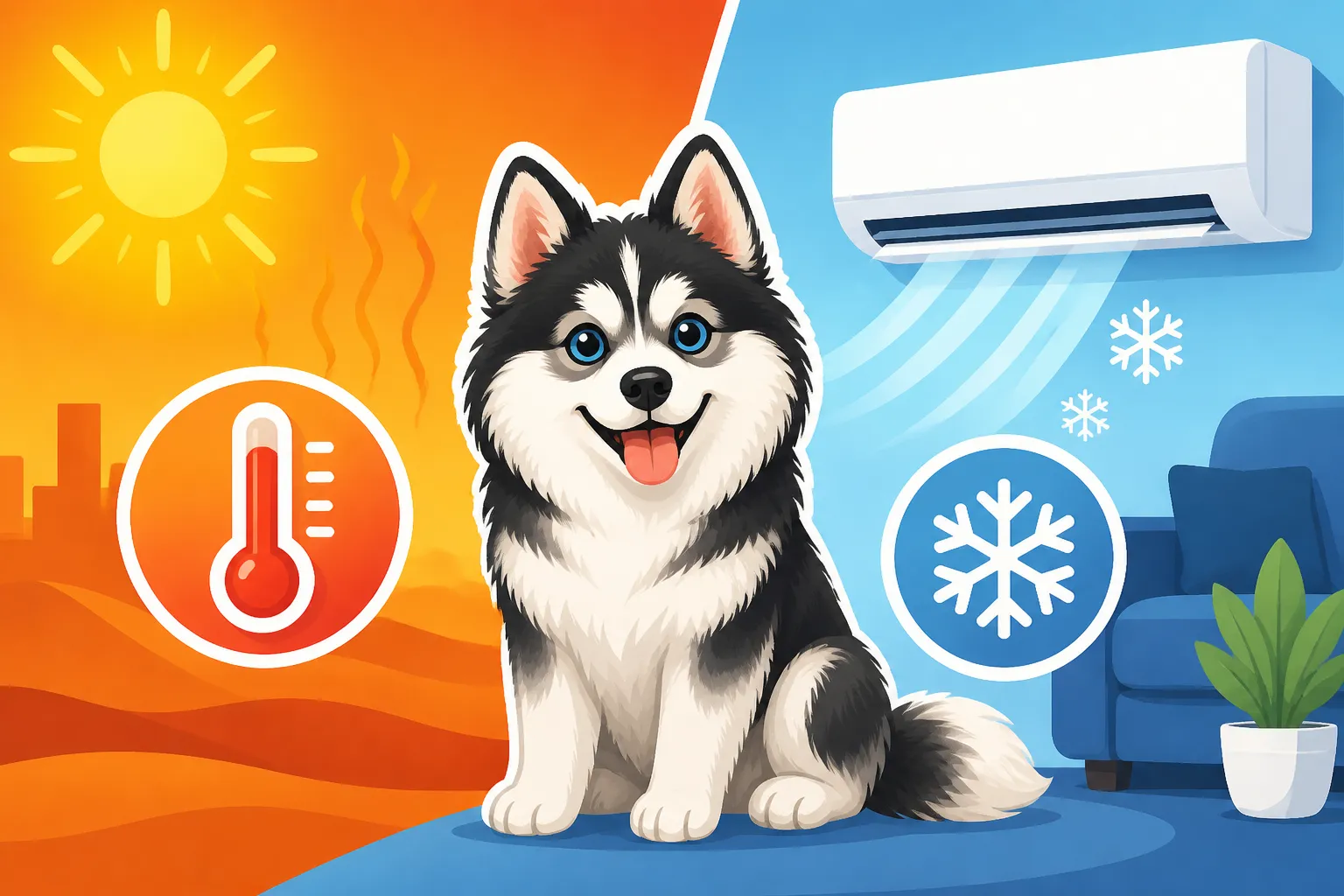
Whether a Pomsky Needs Air Conditioning
Oh, the age-old question for those of us living with a fluffy, energetic Pomsky: do they really need air conditioning, or is it just another "pet parent pampering" thing? If you're wrestling with soaring summer temperatures, a dog that looks perpetually warm despite your best efforts, and that little voice in your head wondering if you're doing enough, you're not alone. This guide is here to tackle that concern head-on, giving you a realistic understanding of your Pomsky's heat tolerance and how crucial a cool environment truly is for their well-being.
Understanding Your Pomsky's Double Coat and Heat Tolerance
It's easy to look at a Pomsky, especially one that takes strongly after its Husky parent, and think, "Wow, they were built for snow!" And you wouldn't be wrong. Their magnificent double coat is a marvel of natural engineering, but it comes with a significant caveat when the mercury starts to rise.
The Husky Influence: Built for Cold, Not Necessarily Heat
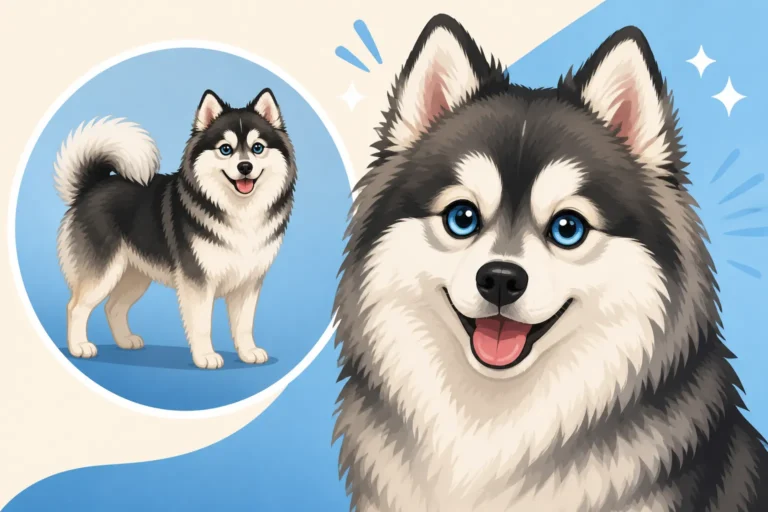
Let's break down that double coat. It consists of two distinct layers: a dense, soft undercoat designed for insulation, and a coarser, longer outer coat (or guard hairs) that protects against elements like snow, ice, and even UV rays. In winter, this undercoat traps warm air close to their body, keeping them toasty even in freezing temperatures. It's truly impressive to see them romp in the snow, unfazed by conditions that would have us bundled up like a mummy.
However, this same insulating quality can become a detriment in hot weather. While the double coat can help block some radiant heat from reaching the skin and allows for air circulation when healthy and unmatted, its primary purpose is retention. When the outside temperature exceeds a certain point, or humidity is high, that insulation prevents their body heat from dissipating effectively. It's like wearing a heavy winter coat in July – it just doesn't work. The problem is, they can't simply take it off. This is why knowing The Pomsky That Carries a Husky Coat at Twenty Pounds is so vital for their care.
The Pomeranian Contribution: Small Size, Still a Double Coat
Now, let's not forget the Pomeranian side of the family. While much smaller, Pomeranians also boast a dense double coat. It might not be as thick or as long as a Husky's, but it serves the same insulating purpose. When these two breeds combine to create a Pomsky, the resulting coat can vary. Some Pomskies will have a very dense, Husky-like coat, while others might lean more towards the Pomeranian's slightly less substantial, more "stand-off" type.
Regardless of the exact texture or length, the fundamental issue remains: it's a double coat. Many people mistakenly believe that because a Pomsky is smaller than a Husky, they'll automatically be more tolerant of heat. This isn't necessarily true. A smaller body mass can sometimes mean they heat up faster, and their surface area for cooling (primarily through panting) is proportionally similar to a larger dog. So, don't let their charming, compact size fool you into thinking they're immune to heat. Understanding The Three Pomsky Coat Types can help you assess your individual dog's needs.
Why Temperature Regulation is Tricky for Pomskies
Unlike humans, who have sweat glands all over their bodies, dogs primarily regulate their body temperature through panting. They effectively "sweat" through their paws, but this is a very minor cooling mechanism. The real heavy lifting is done by rapid, shallow breathing, which helps evaporate moisture from their tongue and respiratory tract, thereby cooling their blood.
When the air around them is already hot and, crucially, humid, this evaporative cooling becomes far less efficient. Imagine trying to air-dry a towel in a sauna – it's a slow, ineffective process. For a Pomsky with a dense double coat, this inefficiency is amplified. The trapped heat in their coat makes it harder for their body to radiate warmth away, and the humid air makes panting a less effective heat exchange mechanism. They are fighting an uphill battle against their own biology and the environment. This is particularly true if your Pomsky is prone to conditions like The Collapsing Trachea a Pomsky Gets From the Pomeranian, which can make breathing even harder under stress.
The Real Dangers of Overheating for a Pomsky
Ignoring the signs of heat stress in a Pomsky isn't just uncomfortable for them; it can be incredibly dangerous, even life-threatening. Heatstroke is a severe medical emergency, and due to their genetic predisposition and coat type, Pomskies are unfortunately at a higher risk.
Recognizing the Warning Signs of Heatstroke
As a devoted Pomsky parent, becoming intimately familiar with the early signs of overheating is critical. It's not always a sudden collapse; often, there are subtle cues that escalate rapidly. Initially, you might notice your Pomsky panting excessively, perhaps even more heavily than usual after a brisk walk. Their breathing might sound louder or more labored. Their tongue may appear bright red, and you might observe increased drooling, almost foamy at times. They might also seem restless, trying to find a cooler spot or refusing to lie down.
As their body temperature continues to climb, these signs become more severe. Their gums might turn a darker red or even purplish. They could become lethargic, weak, or disoriented, struggling to stand or walk straight (a wobbly, drunken gait is a serious red flag). Vomiting or diarrhea, sometimes with blood, can occur. In the most critical stages, they may collapse, have seizures, or lose consciousness. If you see any of these advanced signs, every second counts. You need to act immediately and seek veterinary attention. You might wonder Whether a Pomsky Overheats More Than a Husky, and the answer is that size alone doesn't prevent it.
Long-Term Health Implications of Chronic Heat Stress
It's not just acute heatstroke that's a concern. Even repeated episodes of less severe overheating, or simply living in a constantly warm environment that pushes their limits, can have cumulative negative effects on your Pomsky's health over time. Chronic heat stress puts a significant strain on their cardiovascular system, as their heart works harder to pump blood to the surface to aid in cooling. This can exacerbate any pre-existing heart conditions or contribute to their development. For instance, if your Pomsky is already prone to Whether a Pomsky Gets Heart Disease, constant heat stress will only make matters worse.
Organ damage, particularly to the kidneys and liver, can also occur silently over time, as these organs are stressed by the body's efforts to cope with elevated temperatures. Dehydration can become a constant struggle, impacting overall bodily functions and nutrient absorption. Essentially, consistently forcing your Pomsky to operate at the edge of their thermal limits can lead to a reduced quality of life, more frequent vet visits, and potentially shorten The Twelve to Fifteen Years a Pomsky Lives.
Emergency Protocols for an Overheated Pomsky
If you suspect your Pomsky is suffering from heatstroke, immediate action can be life-saving. First, move them immediately to a cooler environment. This means indoors, in an air-conditioned room, or at least a shaded area with a fan. Do not delay. Next, begin actively cooling them down. Apply cool (not ice cold) water to their fur, especially on their belly, armpits, and groin area. You can use a hose on a gentle setting, or simply wet towels and place them on these key areas, replacing them as they warm up. Do not use ice water, as it can cause peripheral vasoconstriction, trapping heat inside their core.
Offer small amounts of cool water to drink, but don't force it. Crucially, contact your veterinarian immediately or head to the nearest emergency animal clinic. Even if your dog seems to be recovering, internal damage may have occurred, and professional assessment is vital. They may need intravenous fluids, medication, and monitoring. On your way to the vet, continue to cool your dog with wet towels and keep the car's AC blasting. Knowing Signs a Pomsky Is Overheating can make all the difference.
Why Air Conditioning is Not Just a Luxury, But a Necessity
Given the unique physiological challenges a Pomsky faces in warm weather, air conditioning isn't just about comfort; it's a fundamental aspect of responsible pet ownership, particularly for those living in climates with sustained heat and humidity.
Creating a Safe Indoor Climate
Think of your home's air conditioning system as a life support system for your Pomsky during hot periods. It provides a consistently cool, stable environment where their body doesn't have to work overtime to regulate its temperature. This allows them to relax, sleep comfortably, and maintain their energy levels without the constant threat of overheating.
The ideal indoor temperature for a Pomsky will vary slightly based on their individual coat density and tolerance, but generally, keeping your home between 72-76°F (22-24°C) is a good starting point during summer months. Some Pomskies might prefer it even cooler, especially if they are particularly active indoors. It’s about creating a true sanctuary where they can escape the oppressive outdoor heat, ensuring they are always safe and comfortable. This is even more important for puppies, who might struggle with Whether a Pomsky Puppy Crashes on Blood Sugar if they also get overheated.
Beyond Just Temperature: Humidity Control
This is a point often overlooked but incredibly important for double-coated breeds like the Pomsky. Air conditioners don't just lower the temperature; they also remove humidity from the air. As we discussed, a dog's primary cooling mechanism is evaporative panting. When the air is saturated with moisture (high humidity), the evaporation process is severely hindered. The air simply can't absorb any more moisture from their respiratory tract, making their panting less effective at cooling them down.
By reducing indoor humidity, air conditioning allows your Pomsky's natural cooling mechanisms to work much more efficiently. Even if the temperature isn't scorching hot, high humidity alone can push a Pomsky into a dangerous heat stress zone. So, while you might feel okay on a hot, humid day, your Pomsky might be struggling far more than you realize. This is why Whether a Pomsky Tolerates Heat Worse Than a Husky is often about humidity as much as absolute temperature.
Considering Alternatives and Supplements to AC
While air conditioning is the gold standard for keeping a Pomsky safe indoors during warm weather, it's worth knowing about other cooling aids that can supplement its effects or offer minor relief in specific situations. However, it's crucial to understand that these are generally not adequate substitutes for proper AC in genuinely hot conditions.
- Fans: A simple fan can help circulate air, which can feel cooler. But if the air itself is hot, a fan just pushes hot air around. It doesn't cool the air or reduce humidity. It's like standing in front of a hairdryer when you're already too hot – it might feel momentarily better, but it's not actually cooling you.
- Cooling Mats: These can be effective for providing a small, cool spot for your Pomsky to lie on. Many contain gel that activates with pressure, offering a surface cooler than ambient temperature. Brands available on platforms like Chewy or Amazon offer a variety of sizes and types. They can be good for naps or supplementing an air-conditioned room, but they won't cool an entire dog from severe overheating.
- Elevated Beds: Beds that are elevated off the ground and made of breathable mesh allow air to circulate underneath your dog. This can prevent heat from building up where they lie and offer a slightly cooler sleeping surface. Again, these are complementary, not primary cooling solutions.
- Frozen Treats & Ice Cubes: Offering frozen treats, like Kongs stuffed with peanut butter and frozen, or just ice cubes in their water, can provide some internal cooling and hydration. Brands like Ollie might offer suitable freeze-dried options that can be rehydrated and frozen for a refreshing snack.
- Kiddy Pools: For supervised outdoor play on warm but not dangerously hot days, a shallow kiddy pool with a few inches of water can be a great way for your Pomsky to cool down their paws and belly. Always supervise them, and ensure they have easy access to shade and fresh drinking water. But remember, this is an activity, not an indoor climate control method. Whether a Pomsky Should Swim to Cool Down can be a great idea, but always with caution.
| Cooling Method | Primary Benefit | Key Limitations | Role for Pomsky Owners |
|---|---|---|---|
| Air Conditioning | Lowers ambient temp, reduces humidity | Can be costly to run, power outages are a risk | Essential for indoor safety in warm climates |
| Fans | Air circulation, evaporative cooling on skin | Doesn't cool air, ineffective in high humidity | Supplementary in mild heat, not a primary solution |
| Cooling Mats | Provides a localized cool resting spot | Limited surface area, not for severe overheating | Good for naps in a cool room, short-term relief |
| Elevated Beds | Improves airflow under dog | Doesn't actively cool, only prevents heat buildup | Improves comfort in any climate, especially warm ones |
| Frozen Treats | Internal cooling, hydration | Temporary relief, not for full body temperature control | Fun, hydrating snack on warm days |
| Kiddy Pools (Water) | Full body cooling (supervised) | Outdoor use only, constant supervision needed, not an indoor fix | Good for controlled outdoor cooling and fun on warm days |
Practical Considerations for Pomsky Owners in Warm Climates
Owning a Pomsky in a region that experiences significant heat means thinking ahead and building robust plans. It's not just about turning on the AC; it's about preparedness and making informed choices for your furry friend's safety.
Planning for Power Outages and Travel
What happens when the power goes out on the hottest day of the year? This is a genuine concern for Pomsky owners. Have a contingency plan. This might include:
- Emergency Contact List: Keep your vet's number, the nearest 24-hour emergency vet clinic, and contact info for friends or family with reliable AC who could potentially host you and your Pomsky.
- Portable Cooling Devices: For temporary relief, consider a battery-operated fan or a portable cooling unit that can run on a generator or a power bank. While not a full AC replacement, they can buy you crucial time. Many options are available on Amazon.
- Cooling Supplies Stash: Always have a supply of cool towels, a spray bottle for misting, and plenty of fresh water readily available.
- "Go Bag" for Your Pomsky: Just like you'd have one for yourself, a pet emergency bag with water, a portable bowl, vet records, and maybe a cooling vest can be invaluable.
- Travel Planning: If you're planning to travel to a warm climate, research pet-friendly accommodations that guarantee air conditioning. Never leave your Pomsky in a car, even with windows cracked, as temperatures can soar rapidly. Whether a Pomsky Can Live in a Hot State requires careful planning and constant vigilance.
Balancing Energy Costs with Your Dog's Well-being
Let's be realistic: running air conditioning costs money. For some, it's a significant expense. However, when you weigh the cost of higher utility bills against the potential cost of an emergency vet visit for heatstroke – which can run into hundreds or even thousands – the choice becomes clearer. Your Pomsky's health and safety are paramount.
There are ways to manage energy consumption without sacrificing your Pomsky's comfort:
- Smart Thermostats: These can learn your schedule or be programmed to adjust temperatures when you're not home, ensuring your Pomsky stays cool but perhaps not to arctic levels when you're away. You can often control them remotely via an app.
- Zone Cooling: If you have central AC, consider if you can cool only the areas your Pomsky has access to, rather than the entire house. Baby gates (which a cunning Pomsky might try to Whether a Pomsky Opens a Baby Gate!) or closed doors can help contain the cool air.
- Insulation & Sealing: Ensure your windows and doors are well-sealed. Drafts let cool air out and hot air in. Regular maintenance of your AC unit can also improve its efficiency.
- Strategic Shading: Close blinds or curtains on sunny windows during the hottest part of the day to reduce solar heat gain.
Ultimately, your Pomsky relies on you to provide a safe environment. Cutting corners on AC when it's genuinely hot could lead to heartbreaking consequences.
When to Seek Professional Advice
It's always a good idea to discuss your Pomsky's heat tolerance with your veterinarian, especially if you live in a warm climate or if your dog has any underlying health conditions. Your vet can provide personalized advice based on your Pomsky's age, weight, coat type, and any pre-existing medical issues.
For instance, older Pomskies or those with conditions like The Collapsing Trachea a Pomsky Gets From the Pomeranian or Whether a Pomsky Gets Heart Disease will have a much lower heat tolerance and require even stricter management. Your vet can help you understand the specific risks and tailor a heat management plan. They might also suggest specific supplements or dietary adjustments (perhaps incorporating fresh food options from brands like Ollie if appropriate) that support overall health and resilience, though these are never a substitute for direct cooling. Don't hesitate to reach out to them with any concerns; they are your best resource for keeping your beloved Pomsky healthy and safe.
Disclaimer
This article is for general informational purposes only and does not constitute professional advice. Laws, prices and regulations vary by location and change over time. Consult a qualified professional for guidance on your specific situation.