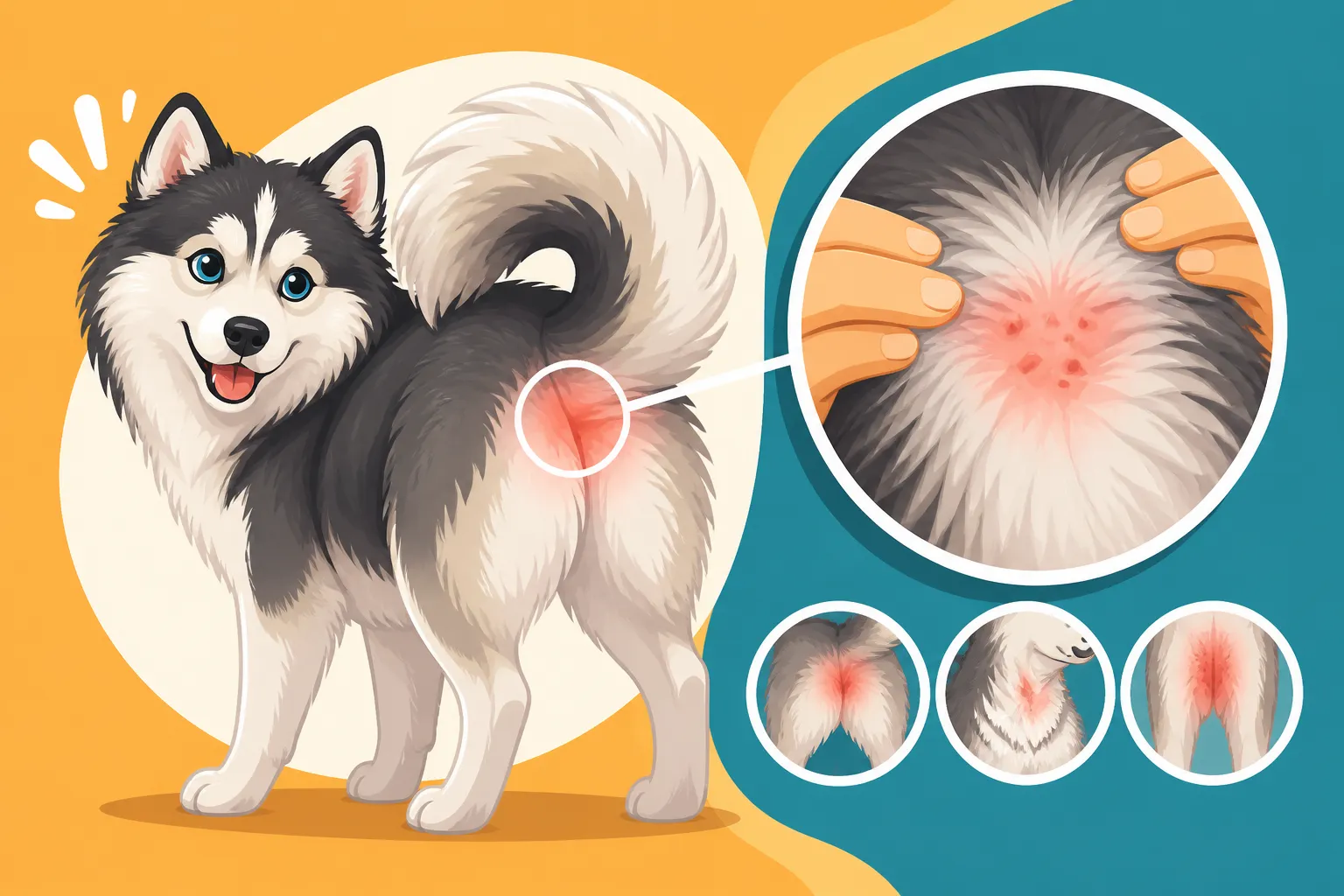
Hot Spots Under a Pomsky’s Undercoat
Finding a hot spot on your beloved Pomsky can be incredibly upsetting, especially when it’s lurking deep beneath that gorgeous, dense double coat. You might not even notice it until it’s become a significant, painful problem, leaving you feeling frustrated and your furry friend in discomfort. This comprehensive guide is here to walk you through understanding what these nasty skin irritations are, how to spot them, and most importantly, how to prevent and treat them effectively, ensuring your Pomsky stays happy and healthy.
Understanding What Hot Spots Are and Why Pomskies Get Them
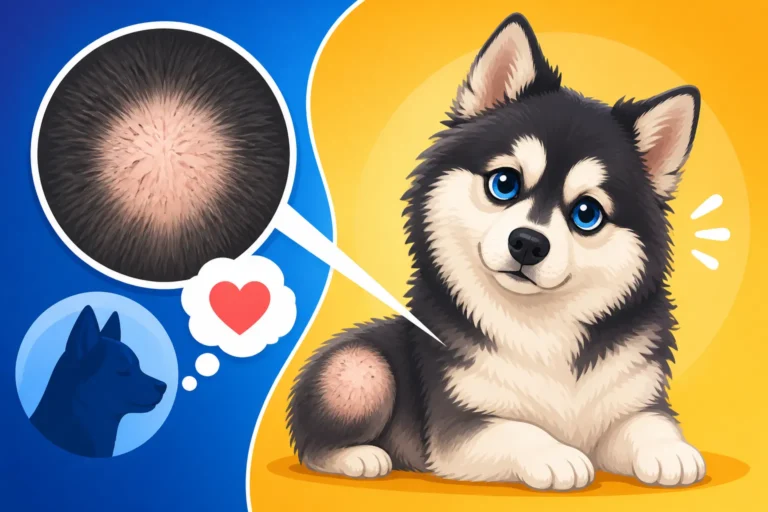
Hot spots, medically known as acute moist dermatitis or pyotraumatic dermatitis, are frustratingly common skin conditions that can quickly turn a small itch into a raw, infected lesion. They appear as red, inflamed, moist, and often painful areas on your dog's skin. The worst part? They grow incredibly fast, sometimes doubling in size in just a few hours. For Pomsky owners, this is a particularly vexing issue because their luxurious coats often hide these lesions until they're quite severe.
The Nature of Acute Moist Dermatitis
Imagine a small itch. Your Pomsky, like any dog, will lick, chew, or scratch that itch. This simple act of self-trauma, even if it starts innocently, breaks the skin's surface. Once the skin is compromised, bacteria that naturally live on the skin's surface, like Staphylococcus, seize the opportunity to invade and multiply. The constant licking and biting create a warm, moist environment – essentially a perfect petri dish – for these bacteria to thrive, leading to rapid infection and inflammation. It's a vicious cycle where the itching causes more trauma, which causes more inflammation, which causes more itching.
The skin's natural protective barrier is completely overwhelmed, and what started as a minor irritation becomes a full-blown infection. The discharge can mat the surrounding fur, making the area even more prone to bacterial growth and further hiding the extent of the problem. This is why quick identification and intervention are so crucial, but as many Pomsky parents know, that's easier said than done when you're dealing with such a thick coat.
Why the Pomsky's Double Coat Is a Breeding Ground
The Pomsky is a stunning breed, inheriting the dense double coat from both its Siberian Husky and Pomeranian parents. This coat is designed for warmth and protection in colder climates, but it also creates a significant challenge in managing skin health, especially in warmer or humid conditions. The thick undercoat, a hallmark of The Pomsky That Carries a Husky Coat at Twenty Pounds, traps moisture against the skin. This could be from a bath that wasn't thoroughly dried, a romp in wet grass, or even just humidity in the air.
Once moisture is trapped, combined with the warmth of the dog's body, it sets the stage for bacterial overgrowth. Furthermore, the sheer volume of fur means that air circulation to the skin is significantly reduced. This lack of airflow prevents the skin from drying properly and exacerbates the moist, humid conditions that bacteria love. It's a recipe for disaster, making hot spots a perennial concern for anyone living with one of these beautiful, fluffy companions.
Common Triggers for Hot Spots in Pomskies
Understanding the root cause of hot spots is key to both treating them effectively and preventing their recurrence. For Pomskies, these triggers often stem from their unique genetics, coat type, and environmental sensitivities. It’s rarely just one thing, but often a combination that creates the perfect storm for a hot spot to erupt.
Allergies and Environmental Factors
Just like people, Pomskies can suffer from a variety of allergies, which are a huge contributor to skin irritation and hot spots. Environmental allergens, such as pollen, dust mites, and mold, are incredibly common. When a Pomsky is exposed to these, their immune system can overreact, leading to itchy skin. This generalized itchiness then drives the dog to scratch, lick, or chew, targeting specific areas and initiating the hot spot cycle. If you've ever wondered Whether a Pomsky Gets Allergies, the answer is a resounding yes, and they often manifest as skin problems.
Food allergies or sensitivities can also play a significant role. Certain proteins or grains in a dog's diet might trigger an inflammatory response that manifests as persistent itching. Even insect bites, like those from fleas or mosquitos, can cause intense localized itching, leading a Pomsky to furiously scratch a small area until it becomes raw. Living in a humid climate or experiencing seasonal changes that increase allergens can make your Pomsky particularly vulnerable to hot spots, especially during Hot Spots on a Pomsky in Summer.
Parasites and Infections
Fleas are a classic culprit behind hot spots. Even a single flea bite can trigger an intense allergic reaction in sensitive dogs, leading to furious scratching, especially if your Pomsky has flea allergy dermatitis. The intense itching from fleas can cause them to chew relentlessly at an area, rapidly creating a hot spot. Ticks, mites (like Sarcoptes or Demodex), and other external parasites can also cause localized irritation that prompts scratching and sets the stage for acute moist dermatitis.
Beyond external parasites, underlying skin infections, such as fungal or yeast infections, can also make the skin itchy and inflamed. These can exist subtly beneath the fur, causing discomfort that leads your Pomsky to lick or chew, escalating into a hot spot. Regular parasite prevention is therefore not just about keeping creepy crawlies off your dog, but it's a critical component in maintaining skin health and preventing these painful lesions. Ensuring your Pomsky is on a consistent, veterinarian-approved preventative regimen is paramount.
Grooming Neglect and Moisture Trapping
The Pomsky's magnificent double coat, while beautiful, is a high-maintenance affair. Neglecting regular grooming is a fast track to skin problems, including hot spots. When the undercoat is not properly brushed out, especially during seasonal shedding cycles (like when a Pomsky Blows Its Coat Twice a Year), it can become matted and dense. This creates an impenetrable barrier that traps heat and, more importantly, moisture against the skin.
Think about what happens after a bath: if your Pomsky isn't dried thoroughly, particularly deep down in the undercoat, that dampness sits there. Similarly, playing in wet grass or getting caught in the rain can leave their skin perpetually damp, creating the perfect anaerobic environment for bacteria to flourish. This is why thorough drying with a high-velocity dryer after every bath, combined with consistent brushing using tools like The Undercoat Rake a Pomsky Owner Lives With, is not just about aesthetics – it's crucial for skin health. Ignoring this can easily lead to the very scenario where a Damp Pomsky Undercoat Causes Hot Spots.
Recognizing the Signs and Symptoms of Hot Spots
Identifying a hot spot early in a Pomsky can feel like finding a needle in a haystack. Their dense fur is a master at concealing skin issues, allowing them to progress significantly before they become visually obvious. However, paying close attention to both their physical appearance and behavioral changes can help you catch these painful lesions sooner rather than later.
The Hidden Dangers of a Dense Undercoat
The very trait that makes Pomskies so captivating – their thick, luxurious double coat – is also their biggest vulnerability when it comes to hot spots. These lesions often begin as a small red patch, perhaps the size of a dime, and are usually deep within the fur, close to the skin. Because the outer guard hairs often remain unaffected, you might not see anything amiss from a superficial glance. The first visible sign might be a clump of matted, wet fur, often with a slightly unpleasant odor, as the infection produces discharge.
By the time you notice matted fur or an obvious wound, the hot spot has likely been brewing for a while and has already grown considerably. This deep-seated nature means that regular, thorough grooming sessions aren't just for shedding; they're vital health checks, allowing you to part the fur and visually inspect the skin. Common areas where hot spots like to hide include behind the ears, on the neck, flanks, and around the tail or hind legs – places that are easy for a dog to reach with their mouth or paws.
Behavioral Cues and Physical Manifestations
While visual confirmation might be delayed, your Pomsky will often give you clues through their behavior. One of the most telling signs is excessive licking, chewing, or scratching at a particular area. If you notice your dog focusing intensely on one spot, even if you can't see anything yet, it's time for a closer inspection. They might also pace restlessly, whine, or become unusually sensitive when you touch the affected area.
Physical signs, once the hot spot progresses, include:
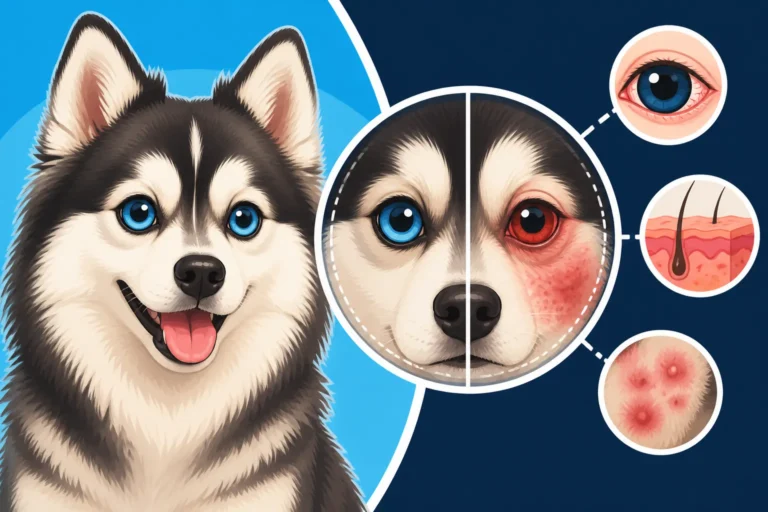
- Redness and inflammation: The skin will be visibly red and swollen.
- Moisture and discharge: The area will be wet, oozy, and may have a yellowish or crusty discharge. This often causes the surrounding fur to stick together.
- Hair loss: As the hot spot spreads and is traumatized by licking, the fur in and around the lesion will fall out, revealing the raw, angry skin beneath.
- Pain: The area will be tender to the touch. Your Pomsky might pull away, yelp, or even snap if you try to examine it.
- Odor: A distinctive, often unpleasant smell, indicating bacterial infection, might emanate from the affected area.
Catching these behavioral changes early is crucial. The sooner you identify the obsessive licking or scratching, the sooner you can investigate and address the problem, potentially preventing a small irritation from exploding into a full-blown, deeply uncomfortable hot spot.
First Aid and Immediate Steps for Managing a Hot Spot
Discovering a hot spot on your Pomsky can be alarming, but acting quickly and calmly is the best approach. The immediate goal is to stop the cycle of self-trauma, clean the area, and allow it to breathe. Remember, if the hot spot is large, deeply infected, or your dog is in significant pain, a vet visit is the priority. However, for smaller, nascent spots, you can take some crucial first aid steps at home.
Safe Cleaning and Hair Trimming
The very first and most critical step is to expose the hot spot to air and thoroughly clean it. This means carefully trimming the fur around the lesion. Use blunt-nosed scissors or electric clippers with a fine blade (like a #10 or #40) to clip all the fur away, extending at least an inch beyond the visible red, irritated skin. This might feel drastic, especially on such a beautiful coat, but it’s absolutely essential. Removing the hair allows you to see the full extent of the problem, prevents more moisture and bacteria from getting trapped, and lets the skin dry out.
Once the area is clipped, gently clean the hot spot. You can use a mild antiseptic solution, such as chlorhexidine-based wipe or spray (available at most pet stores or through your vet), or even just warm water and a gentle, unscented soap. Pat the area dry with a clean cloth or paper towel; do not rub, as this can cause further irritation. The aim is to remove any pus, crust, and debris. Repeat this cleaning several times a day. If you're concerned about further spread or your dog is reacting badly to the cleaning, it's a good time to consider seeking professional advice.
Preventing Further Irritation
After cleaning and clipping, the challenge is to prevent your Pomsky from continuing to lick, chew, or scratch the area. This is where many owners struggle, as the urge to scratch can be overwhelming for the dog. An Elizabethan collar (E-collar or "cone of shame") is often the most effective tool. While your dog might hate it, it's a necessary evil to allow the hot spot to heal. There are softer, more comfortable E-collars available, as well as inflatable collars, that some dogs tolerate better.
For some areas, protective clothing like a dog t-shirt or a bandage might work, but only if it doesn’t trap moisture and can be changed frequently to keep the area dry and clean. Avoid applying thick creams or ointments without veterinary guidance, as these can seal in moisture and worsen the infection. Topical treatments that are designed to dry out the skin and have antiseptic properties are usually better. Keep a close eye on the hot spot over the next 24-48 hours. If it shows no signs of improvement, continues to spread, or becomes more painful, it’s a clear signal that professional veterinary intervention is needed. This is also where pet insurance, like a plan from Healthy Paws, can really come in handy, covering unexpected vet costs.
| Hot Spot First Aid Steps | Description | Why It's Important |
|---|---|---|
| 1. Clip Hair | Carefully trim fur around and an inch beyond the visible hot spot with blunt-nosed scissors or clippers. | Exposes the lesion to air, prevents moisture trapping, allows full assessment. |
| 2. Clean Gently | Use mild antiseptic solution (e.g., chlorhexidine) or warm water and gentle soap. Pat dry, don't rub. | Removes bacteria, pus, and debris; reduces infection. |
| 3. Prevent Licking/Chewing | Apply an E-collar (cone) or protective clothing. Monitor constantly. | Breaks the cycle of self-trauma, allowing the skin to heal. |
| 4. Observe & Monitor | Check the hot spot several times daily for improvement or worsening. Note any changes in size, moisture, or pain. | Determines if home treatment is sufficient or if veterinary care is immediately needed. |
Veterinary Treatment Options for Persistent Hot Spots
When home care isn't enough, or if a hot spot is severe from the outset, a trip to the veterinarian is non-negotiable. Vets have a wider array of diagnostic tools and stronger medications to tackle stubborn infections and provide lasting relief for your Pomsky. Don't hesitate to seek professional help; early veterinary intervention can prevent a minor issue from escalating into a serious health concern.
Medications and Topical Treatments
Once at the vet, the first step is usually a thorough examination of the hot spot and surrounding skin. Your vet might take a sample for cytology to identify the type of bacteria or yeast involved, which guides treatment. Often, the hot spot will be clipped and cleaned more extensively than you could manage at home, sometimes even requiring light sedation for very painful or uncooperative dogs.
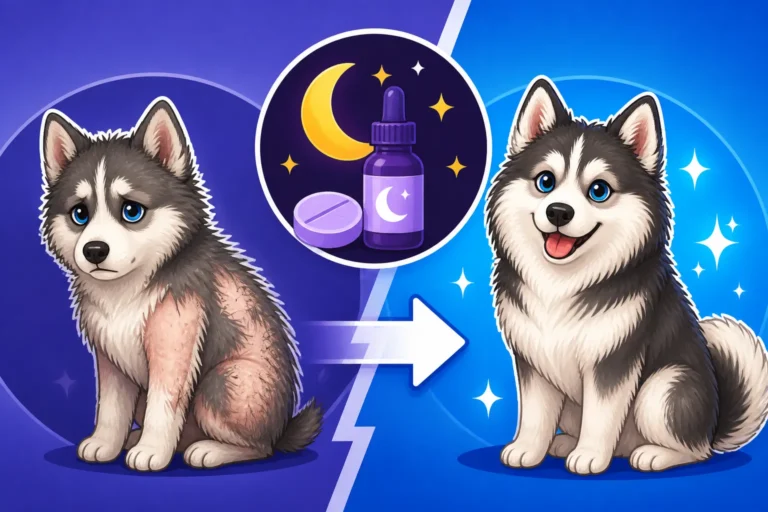
Treatment typically involves a combination of topical and oral medications. Topical treatments usually include medicated shampoos, sprays, or creams containing antiseptics, antibiotics, or steroids to reduce inflammation and kill bacteria. For systemic infections, oral antibiotics are frequently prescribed, sometimes for several weeks, to ensure the infection is completely cleared. Additionally, anti-inflammatory medications or antihistamines might be given to reduce the itching and pain, thereby breaking the itch-scratch cycle. Your vet will provide specific instructions on how to administer these, and it's vital to follow them precisely, even if the hot spot appears to be healing.
Addressing Underlying Causes
Treating the hot spot itself is only half the battle; the other, equally important half is identifying and addressing the underlying cause. If the root problem isn't resolved, the hot spots will likely return, leading to chronic discomfort for your Pomsky and ongoing frustration for you. Your vet will dig into your Pomsky's history, asking about diet, environment, parasite prevention, and any previous skin issues.
If allergies are suspected, your vet might recommend specific diagnostic tests, such as allergy testing (blood tests or intradermal skin tests) to pinpoint environmental triggers. They might also suggest a food elimination trial to rule out or identify dietary sensitivities. For suspected parasitic issues, they'll review and potentially adjust your Pomsky's flea and tick prevention regimen. Hormonal imbalances, like hypothyroidism, can also contribute to skin problems, and specific blood tests can help diagnose these conditions. This comprehensive approach, often involving a bit of detective work, is crucial for long-term management and preventing future hot spot flare-ups. A good pet insurance policy, like those offered by Healthy Paws, can be incredibly beneficial in covering the costs associated with these diagnostic tests and ongoing treatments.
Proactive Prevention Strategies for Pomsky Hot Spots
Prevention truly is better than cure, especially when it comes to hot spots that can develop so quickly and cause such discomfort. For a breed like the Pomsky, with its unique coat and sensitivities, a proactive, multifaceted approach is essential. By integrating consistent care and smart choices into your daily routine, you can significantly reduce the likelihood of these painful lesions appearing.
Consistent Grooming Routines
Regular, thorough grooming is perhaps the single most important preventative measure for Pomskies. Their dense double coats are not self-maintaining. During seasonal shedding, often referred to as "blowing coat," the undercoat comes out in massive clumps, and if not removed, it creates mats and traps moisture. You should be brushing your Pomsky several times a week, and even daily during a blow-out, using appropriate tools like an undercoat rake and a slicker brush. This routine helps to remove dead fur, prevent matting, and improve air circulation to the skin.
Bathing should be done as needed, but always ensure an incredibly thorough drying process afterward. This means using a high-velocity dryer, not just a towel, to ensure the undercoat is completely dry right down to the skin. This step alone can prevent a Damp Pomsky Undercoat Causes Hot Spots. Regular checks during grooming also allow you to spot any subtle redness, bumps, or excessive licking behavior before a full-blown hot spot develops. Additionally, don't forget areas like behind the ears and under the tail, which are common hiding spots for developing irritations. Consider a professional groomer who is experienced with double-coated breeds for routine maintenance and especially during heavy shedding periods.
Allergy Management and Diet Considerations
If your Pomsky has known allergies or sensitivities, actively managing them is critical for preventing hot spots. For environmental allergies, this might involve wiping your dog's paws and belly after outdoor excursions to remove pollen, using air purifiers indoors, and regular vacuuming. Your vet might also suggest antihistamines or other allergy medications during peak allergy seasons.
Diet plays a significant role in overall skin health. Feeding a high-quality, balanced diet that supports a healthy skin barrier is crucial. If food sensitivities are suspected, working with your vet on an elimination diet to identify and avoid trigger ingredients can make a huge difference. Some Pomsky owners find that supplements like omega-3 fatty acids (fish oil) can improve skin and coat health, reducing dryness and inflammation. However, always consult your vet before adding any supplements to your Pomsky's diet. A healthy, robust immune system, supported by good nutrition, is better equipped to handle minor irritations before they escalate. You might even find yourself researching Whether a Pomsky Needs Extra Zinc if certain skin issues persist.
Environmental Control and Parasite Prevention
Keeping your Pomsky's environment clean and free of irritants is another key preventive measure. This includes regularly washing their bedding, especially if they spend a lot of time outdoors. Avoid harsh cleaning chemicals on floors or carpets that your dog comes into contact with, as these can irritate their paws and skin. Also, be mindful of where your Pomsky spends time outdoors. Areas with tall, damp grass can promote moisture retention in their coat and expose them to various parasites and allergens.
Consistent and effective parasite prevention is non-negotiable. Use veterinarian-recommended flea, tick, and mite prevention products year-round, not just during warmer months. These parasites are not only annoying but are a leading cause of the intense itching that kickstarts the hot spot cycle. Discuss the best options with your vet, considering your local parasite prevalence and your Pomsky's lifestyle. Being vigilant about preventing the initial itch is your best defense against those rapidly spreading, miserable hot spots. For unexpected vet visits, especially if a serious skin issue requires multiple consultations or extensive treatment, having pet insurance like Healthy Paws can provide significant peace of mind.
Disclaimer
The information provided in this article is for general informational purposes only and is not intended as a substitute for professional veterinary advice, diagnosis, or treatment. Always seek the advice of your veterinarian or other qualified health provider with any questions you may have regarding a medical condition or the health and welfare of your pet. Never disregard professional veterinary advice or delay in seeking it because of something you have read in this article.