The First Bald Patch on a Pomsky
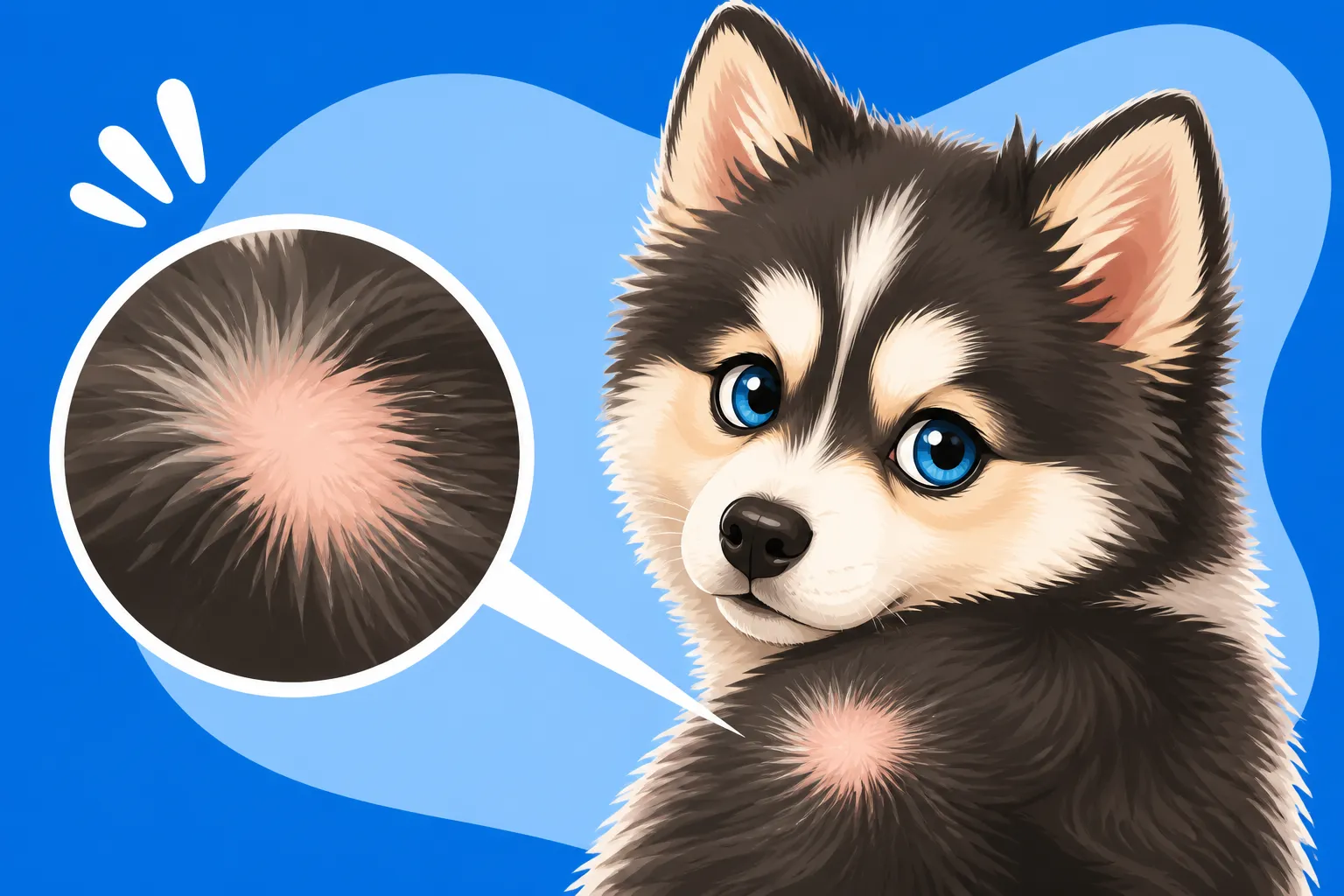
Spotting that first bald patch on your beloved Pomsky can be incredibly alarming. One moment you're admiring their gorgeous, fluffy coat, and the next, there's a tell-tale spot of sparse fur or completely bare skin, often accompanied by redness or irritation. It's a moment that can send any pet parent spiraling into worry, wondering what on earth is happening and if their furry friend is in pain or suffering from something serious. This comprehensive guide is here to walk you through the common reasons why a Pomsky might develop a bald patch, what steps you can take, and how to get your pup back to their glorious, healthy best.
Understanding Pomsky Coat Health and Common Issues
Pomskies are stunning dogs, often inheriting the luxurious double coat of their Husky parent combined with the plushness of a Pomeranian. This unique blend gives them their signature look, but it also makes their skin and coat susceptible to certain issues.
The Double Coat and Its Vulnerabilities
A Pomsky's double coat is a marvel of nature, designed to regulate their body temperature in various climates. It consists of a dense, soft undercoat for insulation and longer, coarser guard hairs that protect against elements like sun, rain, and snow. This type of coat requires specific care and attention, and its very structure can sometimes mask underlying skin problems until they become more noticeable.
Because the undercoat is so thick, issues can brew underneath before you even see them. A small rash or irritation can quickly become a hot spot, hidden by the outer layer of fur. This is why regular grooming and tactile checks are so important – you need to get your hands on their skin to truly know what's going on. Owners often find themselves surprised by the sheer volume of fur during shedding seasons, but a bald patch is an entirely different beast than a normal 'blowout'.
Differentiating Normal Shedding from Bald Patches
Every Pomsky owner quickly learns about the "Pomsky tumbleweeds" that accumulate during their bi-annual coat blowouts. During these periods, your dog will shed an astonishing amount of undercoat, and while their fur might appear thinner, it's generally an even distribution of loss. You might notice more guard hairs falling out too, but it's typically not in distinct, completely bare patches.
A true bald patch, on the other hand, is usually characterized by a localized area where hair is completely absent, or significantly thinned to the point where the skin is clearly visible. This isn't just a heavier shed; it often signals an underlying problem that needs investigation. The skin in these areas might look different—red, inflamed, flaky, crusty, or even oily. If you're observing distinct spots rather than overall thinning, it's time to pay closer attention.
Common Causes Behind a Pomsky's First Bald Patch
When you discover that unsettling bald patch, your mind probably races through a million possibilities. The good news is that many causes are treatable, but identifying the root problem is key.
Allergic Reactions and Skin Irritations
Just like people, dogs can suffer from allergies, and the skin is often the first place these reactions show up. A bald patch could be a direct result of your Pomsky persistently scratching, licking, or chewing an itchy area due to an allergic reaction.
- Environmental Allergies: These are super common and can be triggered by pollen, dust mites, mold, or even certain grasses. Your Pomsky might develop a bald spot on their paws from constant licking, around their muzzle, or on their belly. The incessant scratching and rubbing eventually break the hair shaft and pull out the fur. If your Pomsky gets Whether a Pomsky Gets Allergies, these environmental triggers are a likely culprit.
- Food Allergies: While less common than environmental allergies, food sensitivities can also cause skin issues. Certain proteins (like chicken or beef) or grains can trigger an immune response, leading to itchiness, skin inflammation, and subsequent hair loss. If the bald patch is accompanied by digestive upset, a food allergy might be higher on the list.
- Contact Dermatitis: This happens when your Pomsky comes into direct contact with an irritant. Think about new cleaning products on the floor, certain plants in the yard, or even the material of their bedding or collar. The bald spot would typically appear right where the irritant touched the skin. It’s important to think about any recent changes in their environment or products.
Parasites and Fungal Infections
Tiny invaders can wreak havoc on a Pomsky's skin and coat, causing discomfort and hair loss. These are often intensely itchy, leading to the dog self-traumatizing the area.
- Fleas and Ticks: Even if you don't see the culprits, a single flea bite can trigger an intense allergic reaction in some dogs, known as flea allergy dermatitis. This leads to severe itching, especially around the base of the tail, hind legs, and inner thighs, resulting in bald patches from scratching and chewing. Ticks, while not causing widespread hair loss, can leave a localized red, irritated spot where they were attached, and if pulled improperly, can take hair with them.
- Mites (Mange): Mites are microscopic creatures that burrow into the skin or live on the surface.
- Sarcoptic Mange (Scabies): This is incredibly itchy and highly contagious. It often starts on the ears, elbows, hocks, and chest, leading to intense scratching, redness, crusting, and rapid hair loss in patches.
- Demodectic Mange: This type of mange is usually not itchy unless complicated by a secondary infection. It typically appears as small, localized bald spots, often around the eyes, mouth, and front legs. It's caused by a mite that is normally present on dog skin but overpopulates due to an immature or compromised immune system. This condition can sometimes be mistaken for other forms of alopecia.
- Ringworm (Dermatophytosis): Despite its name, ringworm isn't a worm at all, but a fungal infection. It causes circular patches of hair loss, often with redness, scaling, and crusting, and the center of the lesion might appear clearer, forming a "ring" shape. It's contagious to other pets and humans, so quick action is important.
Hormonal Imbalances and Alopecia X
Sometimes, hair loss isn't about external irritants or pesky parasites but rather internal imbalances. Your Pomsky’s endocrine system, responsible for hormone production, can play a significant role.
- Hypothyroidism: This is a condition where the thyroid gland doesn't produce enough hormones. It can lead to a dull, dry coat, overall thinning, and symmetrical hair loss on the flanks, chest, and tail, sometimes starting as a bald patch. Other symptoms might include weight gain, lethargy, and cold intolerance. If you're wondering Whether a Pomsky's Coat Loss Is Thyroid or Alopecia X, a vet will typically test for hypothyroidism first.
- Cushing's Disease (Hyperadrenocorticism): This occurs when the body produces too much cortisol. Symptoms often include a pot-bellied appearance, increased thirst and urination, thinning skin, and symmetrical hair loss, especially on the trunk, leaving the head and limbs unaffected.
- Alopecia X (Black Skin Disease or Adrenal-Related Alopecia): This is a frustrating and often perplexing condition unique to certain double-coated breeds, including Pomeranians, and thus, Pomskies are susceptible. Alopecia X and the Pomsky That Loses Its Coat can manifest as gradual hair thinning or distinct bald patches, often starting on the flanks, hindquarters, or areas of friction. The skin in these areas may also darken. It's a diagnosis of exclusion, meaning other causes must be ruled out first. When you notice The First Bald Patch on a Pomsky and other common causes are ruled out, Alopecia X becomes a strong consideration, especially if you're concerned about What Alopecia X Does to a Pomsky's Coat. Some wonder Whether an Affected Pomsky Should Be Bred, which is a critical ethical consideration given the genetic component.
Other Less Common Causes
While the above are the most frequent culprits, other issues can lead to hair loss:
- Pressure Sores: If your Pomsky spends a lot of time lying on hard surfaces, they might develop bald spots on their elbows, hocks, or hips due to constant pressure and friction.
- Nutritional Deficiencies: While rare with a good quality diet, severe deficiencies can impact coat health. For instance, Whether a Pomsky Needs Extra Zinc is a question because Zinc Responsive Dermatosis is a known issue for some northern breeds and their crosses, leading to crusting and hair loss, often around the eyes, mouth, and pressure points. This is where conditions like Zinc Responsive Dermatosis in a Pomsky come into play, potentially causing Whether a Pomsky's Skin Cracks Around the Mouth.
- Stress or Anxiety: Excessive licking or chewing in response to stress or boredom can also create self-inflicted bald patches, particularly on the legs or flanks.
- Bacterial Infections (Pyoderma): Secondary bacterial infections can develop in any area of skin irritation, leading to red, inflamed, pus-filled lesions and hair loss, commonly known as Hot Spots Under a Pomsky's Undercoat.
Taking Action When You Find a Bald Patch
Finding a bald patch can be scary, but a systematic approach can help you get answers and relief for your Pomsky.
Initial Steps and Home Observation
Before rushing to the vet, there are a few things you can do at home to gather information and potentially provide some immediate comfort.
First, gently examine the bald patch. What does the skin look like? Is it red, flaky, bumpy, crusty, or oily? Are there any visible parasites like fleas or flea dirt (tiny black specks that turn reddish-brown when wet)? Note if your Pomsky seems itchy, painful, or completely unaware of the patch. Check other areas of their body for similar spots.
Think about any recent changes: new food, new treats, new shampoo, new cleaning products, a recent trip outdoors, or even new furniture. Has their behavior changed? Are they more stressed or anxious? Keeping a detailed log of your observations can be incredibly helpful for your vet. For instance, if you note that the skin feels raw and they're licking constantly, it points more towards an irritant or allergy. If the hair loss seems gradual and the skin is dry and darkened, it might lean towards a hormonal issue.
When to See the Vet and What to Expect
While some minor irritations might resolve on their own, a persistent or worsening bald patch, especially if it’s itchy, painful, or accompanied by other symptoms, absolutely warrants a vet visit. Don't try to self-diagnose complex skin conditions; they often look similar but require vastly different treatments.
When you go to the vet, be prepared to discuss:
- When you first noticed the patch and how it has progressed.
- Any other symptoms (itching, pain, changes in appetite, thirst, energy levels, etc.).
- Your Pomsky's diet, including treats and supplements.
- Their parasite prevention routine (flea, tick, heartworm).
- Recent environmental changes or exposures.
- Their grooming routine and products used.
Your vet will conduct a thorough physical examination, focusing on the skin and coat. To get to the bottom of it, they might perform several diagnostic tests:
- Skin Scrape: This involves gently scraping the surface of the skin with a blade to collect cells and debris, which are then examined under a microscope for mites (like Demodex or Sarcoptes).
- Fungal Culture: Hairs and skin scales are collected and cultured to test for ringworm.
- Cytology: Swabs or impressions of the skin can be taken to look for yeast or bacteria, especially if a secondary infection is suspected.
- Blood Tests: These can check for underlying systemic issues like hypothyroidism or other hormonal imbalances.
- Biopsy: In some cases, a small tissue sample may be taken for histopathological examination, particularly for less common conditions or when previous tests are inconclusive. This is a common step when investigating Alopecia X and the Pomsky That Loses Its Coat or other idiopathic skin conditions. Understanding What a Skin Workup Costs on a Pomsky can help you prepare financially, and this is where pet insurance providers like Healthy Paws can be a lifesaver, covering a significant portion of these diagnostic and treatment costs.
Management and Treatment Options
Once your vet has a diagnosis, they can recommend a targeted treatment plan. This might include:
- Medications: Antibiotics for bacterial infections, antifungals for ringworm, antiparasitics for mites or fleas. For allergies, your vet might prescribe antihistamines, steroids, or newer allergy medications to control the itch.
- Topical Treatments: Medicated shampoos, sprays, or ointments can soothe irritated skin, kill parasites, or treat fungal infections.
- Dietary Changes: If a food allergy is suspected, a prescription hydrolyzed protein diet or a novel protein diet will be recommended for an elimination trial.
- Supplements: For conditions like Zinc Responsive Dermatosis, zinc supplements will be necessary. For Alopecia X, melatonin or other hormone-balancing supplements might be explored, though results can vary.
- Environmental Control: This might involve stricter flea control, regular cleaning to reduce dust mites, or avoiding known outdoor allergens.
It's crucial to follow your vet's instructions precisely and complete the full course of treatment, even if the bald patch starts to improve. Stopping too early can lead to a recurrence of the problem.
Preventing Future Bald Patches
Once you've tackled the immediate problem, prevention becomes key to maintaining your Pomsky's magnificent coat and healthy skin.
Proactive Coat and Skin Care
A healthy coat starts with consistent, proper grooming. This is especially true for Pomskies with their dense double coats.
- Regular Brushing: Brush your Pomsky several times a week, and daily during shedding seasons, using tools like The Undercoat Rake a Pomsky Owner Lives With. This helps remove loose hair, prevents matting, and distributes natural oils, which keeps the skin and coat healthy. Regular brushing also gives you an opportunity to inspect their skin for any new lumps, bumps, or irritations.
- Appropriate Bathing: Don't over-bathe your Pomsky, as this can strip natural oils and dry out their skin. Aim for a bath every 4-6 weeks, or as needed, using a high-quality dog shampoo formulated for sensitive skin or double coats. Ensure you rinse thoroughly to avoid leaving residue, which can cause irritation. Always dry them completely to prevent moisture-related skin issues.
- Professional Grooming: Consider professional grooming sessions, especially during coat blowouts. Groomers have specialized equipment, like high-velocity dryers, that can effectively remove dead undercoat without damaging the guard hairs, preventing matting and improving skin aeration.
Nutrition and Supplements
What goes into your Pomsky's bowl directly impacts their skin and coat health.
- High-Quality Diet: Feed a well-balanced, high-quality dog food appropriate for their age, size, and activity level. Look for foods with clearly named meat as the first ingredient and healthy fats like omega-3 and omega-6 fatty acids, which are crucial for skin and coat health.
- Omega Fatty Acid Supplements: Many vets recommend adding a fish oil supplement (rich in EPA and DHA) to your Pomsky's diet. These fatty acids help reduce inflammation, promote a healthy skin barrier, and contribute to a shiny coat.
- Zinc Supplementation: As mentioned earlier, some Pomskies might be predisposed to zinc deficiency, similar to their Husky ancestors. If your vet suspects Zinc Responsive Dermatosis in a Pomsky, they will prescribe a zinc supplement. Never supplement zinc without veterinary guidance, as too much can be toxic. Discuss with your vet Whether a Pomsky Needs Extra Zinc before adding any supplements.
Environmental Management
Controlling their environment plays a significant role in preventing skin issues.
- Parasite Prevention: Maintain a consistent and effective flea and tick prevention program year-round, as recommended by your vet. This is your first line of defense against these irritating pests.
- Allergen Reduction: If environmental allergies are a concern, try to minimize exposure to known triggers. This might mean wiping down your Pomsky's paws after outdoor walks, using air purifiers in your home, regular vacuuming, and washing their bedding frequently.
- Stress Reduction: Ensure your Pomsky gets adequate exercise and mental stimulation to prevent boredom and anxiety-related licking. A tired Pomsky is a happy Pomsky, less prone to destructive behaviors or self-inflicted skin trauma.
Remember, a healthy Pomsky is a happy Pomsky. Being proactive and observant of their skin and coat is crucial for their overall well-being.
| Common Cause | Symptoms Beyond Bald Patch | Initial Actions You Can Take | When to See a Vet |
|---|---|---|---|
| Allergies | Itching, redness, licking paws, ear infections, sneezing, digestive upset | Observe triggers, clean area, use a mild shampoo | If itching is severe, widespread, or persistent. |
| Fleas/Ticks | Intense itching, flea dirt, visible parasites, scabs, restlessness | Check for fleas/ticks, use flea comb, ensure current prevention | If infestation is heavy, dog is severely irritated, or bald patches worsen. |
| Mites (Mange) | Severe itching, red skin, crusts, scabs (Sarcoptic); localized bald spots (Demodectic) | Do not self-treat; highly contagious (Sarcoptic) | Immediately for diagnosis and specific treatment. |
| Ringworm | Circular bald patches, red, scaly, crusty skin | Avoid touching without gloves, isolate from other pets/people | Immediately for diagnosis and antifungal treatment. |
| Hormonal Imbalance | Symmetrical hair loss, lethargy, weight changes, pot belly, dull coat | Monitor other symptoms, keep a detailed log | If multiple symptoms are present, or hair loss is symmetrical/progressive. |
| Zinc Deficiency | Crusty lesions around eyes/mouth, scaling, lethargy (less common) | Ensure high-quality diet, but avoid self-supplementing zinc | If skin issues around face/paws, vet can test and supplement correctly. |
| Hot Spots (Pyoderma) | Red, moist, painful lesions; matted hair, foul odor | Gently clean and dry area if dog allows, prevent further licking/chewing | If hot spot is large, growing rapidly, or very painful. |
Disclaimer
This guide is intended for informational purposes only and should not be considered a substitute for professional veterinary advice. Always consult with a qualified veterinarian for any health concerns or before making any decisions about your Pomsky's medical care or treatment plan.