Whether a Pomsky’s Coat Comes Back After a Shave
It’s a heartbreaking sight for any Pomsky parent: you thought you were doing something good by shaving their beautiful double coat, perhaps to help them cool down or just to manage shedding, only to find the fur growing back patchy, coarse, or even not at all. This common mistake leaves many owners wondering if their beloved Pomsky’s luxurious coat will ever truly recover. This comprehensive guide will walk you through exactly what happens when a Pomsky’s double coat is shaved, what you can realistically expect during regrowth, and how to best care for their unique fur without ever resorting to the clippers again.
The Unique Structure of a Pomsky's Double Coat
Pomskies inherit their stunning good looks and, more importantly, their intricate coat structure from both the Siberian Husky and the Pomeranian. Both parent breeds boast a dense, functional double coat, which is far more than just pretty fur; it’s a sophisticated natural system designed to protect them from the elements. Understanding this unique anatomy is crucial to appreciating why shaving is so detrimental.
Understanding Guard Hairs and Undercoat
Imagine your Pomsky’s coat as having two distinct layers, each with its own vital job. The outer layer consists of what we call "guard hairs." These are the longer, coarser, and often glossier hairs that give your Pomsky its color and pattern, like the striking Husky markings or the foxy Pomeranian fluff. Their primary role is protection: they repel water, block harmful UV rays, and shield the delicate skin underneath from scratches, dirt, and insects. They’re tough, resilient, and designed to stand up to the world.
Beneath this protective layer lies the "undercoat." This is where all that incredible fluff comes from – the soft, dense, downy fur that’s typically lighter in color and much finer in texture than the guard hairs. The undercoat's main purpose is insulation. It traps air close to the dog's body, creating a thermal barrier. In winter, this barrier keeps them warm, and, perhaps surprisingly, in summer, it helps keep them cool by preventing heat from penetrating the skin and allowing air to circulate. Without a properly functioning undercoat, your Pomsky would struggle to regulate their body temperature. This intricate design is precisely why The Pomsky That Carries a Husky Coat at Twenty Pounds requires such specific grooming.
Why the Double Coat is a Built-in Thermostat
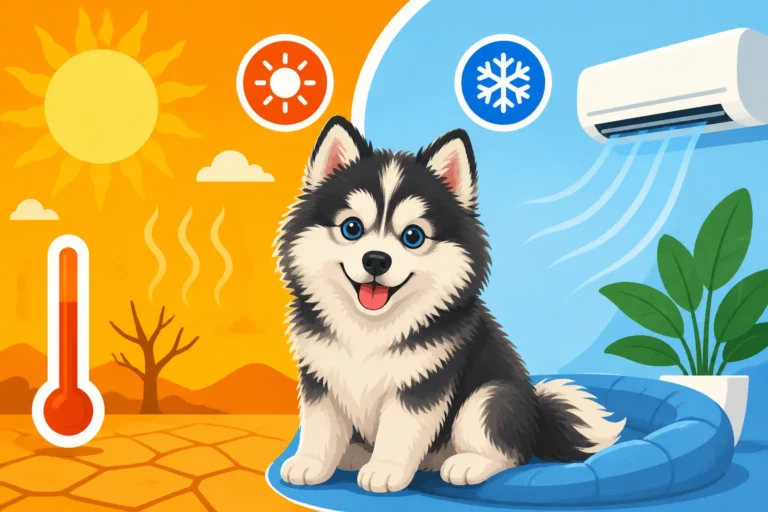
Many people mistakenly believe that shaving a double-coated dog helps them cool off in hot weather. While the idea might seem logical at first glance, it's actually counterproductive and can be dangerous. Think of your Pomsky's double coat as a highly efficient, self-regulating climate control system. The dense undercoat acts like a natural air conditioner in the summer by creating an insulating layer that prevents external heat from reaching the skin. At the same time, the guard hairs provide shade, protecting the skin from direct sun exposure and potential sunburn, much like wearing a wide-brimmed hat.
When you shave this coat, you destroy this natural thermoregulation system. You remove the insulating undercoat, which means your dog's body has to work much harder to stay cool. You also strip away the protective guard hairs, leaving their skin exposed to direct sunlight. This greatly increases their risk of heatstroke and severe sunburn. In winter, without that insulating layer, they become much more susceptible to the cold. The double coat helps them adapt to various climates, making them surprisingly versatile, though extreme heat still poses a risk, and Whether a Pomsky Tolerates Heat Worse Than a Husky is a question many owners ponder.
The Risks and Realities of Shaving a Pomsky's Coat
Shaving a Pomsky's coat isn't just an aesthetic gamble; it carries significant health risks and can permanently alter the texture and function of their fur. It's a decision often made with good intentions but lacking a full understanding of double coats.
Post-Clipping Alopecia and Uneven Regrowth
One of the most common and distressing outcomes of shaving a Pomsky is a condition often referred to as "Post-Clipping Alopecia" or "clipper alopecia." This isn't true alopecia in the disease sense, but rather a disruption of the normal hair growth cycle caused by the trauma of shaving, especially when the undercoat is aggressively cut. After being shaved, some areas of the coat may grow back very slowly, sparsely, or even not at all for an extended period. The growth can be incredibly uneven, with some patches remaining bald or nearly bald, while other areas grow in normally.
Furthermore, the texture of the regrowing coat can be dramatically different. Often, the soft, downy undercoat grows back faster and denser than the coarser guard hairs, leading to a woolly, dull, and even matted appearance. The guard hairs, which define the breed's classic look and provide crucial protection, may struggle to grow back through the thick undercoat, or they might grow back with an altered texture. This results in a coat that not only looks different but also loses much of its natural protective qualities. It’s a very real concern, and it's why many experienced groomers will refuse to shave double-coated breeds, understanding Whether a Pomsky's Post Clipping Alopecia Is Different from other forms of hair loss.
Sunburn, Heatstroke, and Skin Issues
Removing a Pomsky's double coat leaves their delicate skin completely exposed to the elements, presenting several serious health risks. The most immediate concern in warm climates or during sunny days is sunburn. Just like human skin, a dog's skin can get severely sunburned, leading to pain, redness, peeling, and in severe cases, increasing the risk of skin cancer over time. This exposure also makes them much more vulnerable to harmful UV rays. Many owners ask Whether a Pomsky With Alopecia X Sunburns, and the answer is a resounding yes for any dog with exposed skin.
Beyond sunburn, shaving compromises their natural temperature regulation, making them far more susceptible to overheating and heatstroke. Without the insulating barrier of the double coat, their body absorbs heat directly, and they struggle to dissipate it effectively. This is particularly dangerous for active Pomskies, who love to play and exert energy. Symptoms of heatstroke can escalate quickly and include excessive panting, drooling, lethargy, vomiting, and even collapse, requiring immediate veterinary intervention. Moreover, the exposed skin is more prone to environmental irritants, bug bites, and skin infections, including painful "hot spots" that can develop rapidly on irritated skin. Pet insurance plans, such as those offered by Healthy Paws, can be incredibly valuable in covering unexpected veterinary costs associated with these kinds of skin problems or heat-related emergencies.
What to Expect from Coat Regrowth After Shaving
So, you've made the mistake, and now you're anxious about your Pomsky's coat. The good news is that in most cases, a Pomsky's coat will eventually grow back. The bad news is that it’s often a long, slow, and sometimes frustrating process, and the coat might never return to its original glory. Patience and proper care are absolutely key here.
The Timeline and Texture of a Regrowing Pomsky Coat
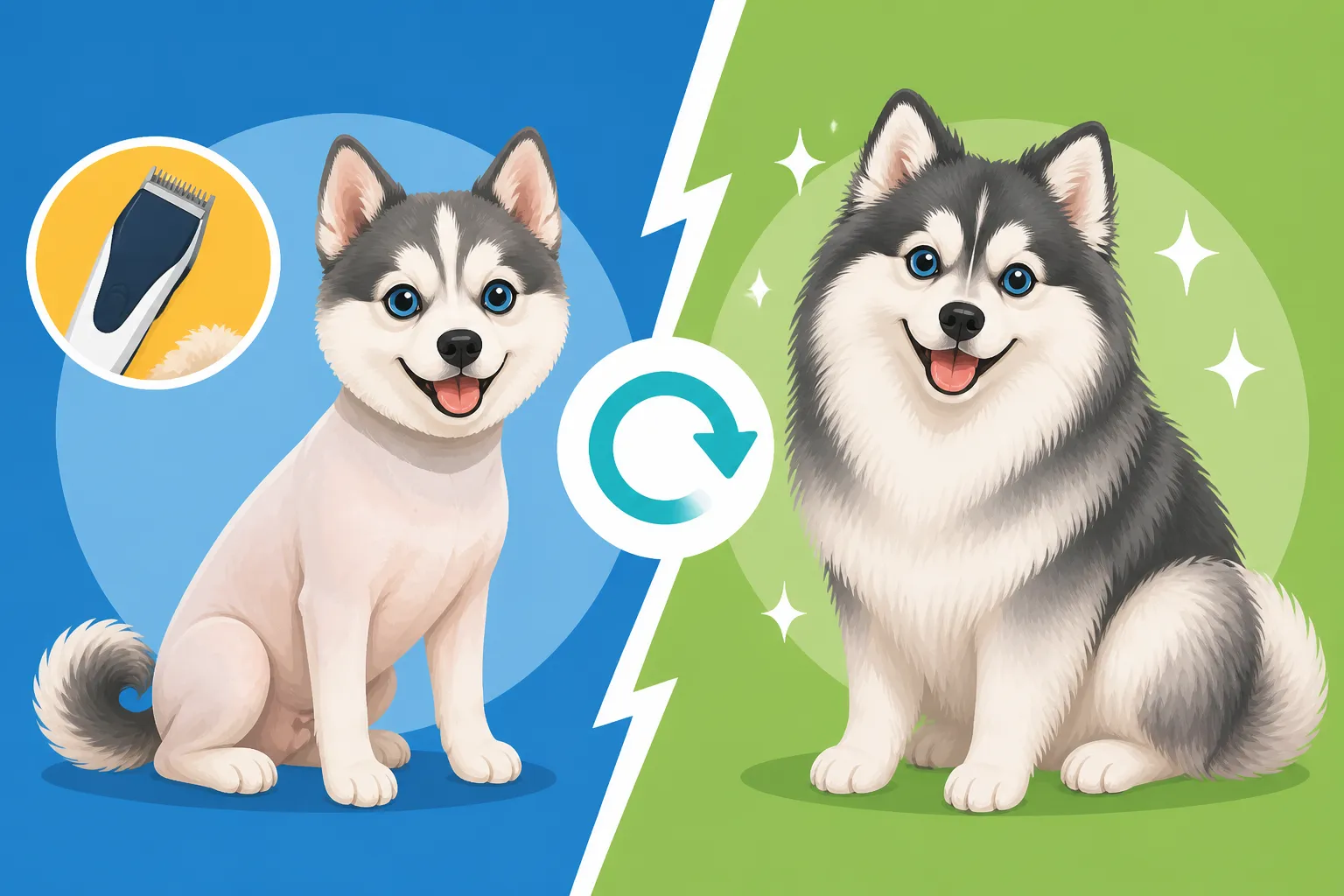
The timeline for a Pomsky’s coat to regrow fully after shaving can vary wildly, from a few months to over a year, and sometimes, sadly, it may never completely recover its original texture and density. The rate of regrowth depends on several factors, including the individual dog's genetics, age, overall health, and the quality of their nutrition. Typically, the soft undercoat tends to grow back first, and often much more densely than the guard hairs. This can result in a fluffy, woolly, and even matted appearance, which lacks the sleek, water-repellent qualities of the original coat.
The guard hairs, which are crucial for protection and the breed's distinctive look, can take much longer to grow in, or they may grow back thinner and more brittle. In some cases, owners report that the coat grows back with an altered color, becoming duller or patchy. It's a common concern when people consider Whether a Shaved Pomsky Regrows Only Undercoat. It's a waiting game, and during this time, consistent grooming and diligent protection from the elements are paramount. You might find yourself grappling with an entirely new coat texture, requiring different grooming approaches than before the shave.
Strategies to Encourage Healthy Coat Regrowth
While you can't magically speed up hair growth, there are several things you can do to support your Pomsky's coat during this regrowth phase and encourage the healthiest possible outcome.
- Nutrition: A high-quality diet rich in essential fatty acids (like Omega-3 and Omega-6) is vital for skin and coat health. Look for dog foods that list fish oils, flaxseed, or sunflower oil. Many owners also add supplements like fish oil capsules or a dedicated skin and coat supplement to their dog's diet. A healthy gut also contributes to overall health, including coat quality. Discuss options with your vet to ensure you're providing appropriate dietary support for their individual needs.
- Regular Brushing: Gentle, consistent brushing with the right tools, like an undercoat rake and a slicker brush, is crucial. This helps to stimulate circulation to the hair follicles, remove dead hair, and prevent matting, especially as the undercoat comes in thick and fast. However, be extremely gentle on any areas that are still sensitive or thin. This daily ritual is essential, and getting your Pomsky used to The Undercoat Rake a Pomsky Owner Lives With early is beneficial.
- Protection from the Elements: Until the coat is fully grown back, your Pomsky will be more vulnerable to sunburn and cold. Use dog-safe sunscreen on exposed areas if they're going to be in the sun for extended periods, and consider a light, breathable UV-protective shirt for outdoor adventures. In colder weather, a warm dog coat will be necessary.
- Patience and Professional Guidance: This is not a quick fix. It takes time, sometimes over a year, for the coat to potentially return to a semblance of its former self. Resist the urge to shave again or apply harsh treatments. Consult with a professional groomer specializing in double coats (not just any groomer!) or your veterinarian. They can offer personalized advice and monitor the skin for any issues like Hot Spots Under a Pomsky's Undercoat that might arise during regrowth.
A Look at Coat Regrowth Outcomes
Here's a simplified comparison of what you might expect regarding coat regrowth after shaving, versus what a healthy, unshaved coat provides:
| Feature | Healthy, Unshaved Double Coat | Shaved and Regrowing Coat |
|---|---|---|
| Texture | Soft, dense undercoat; coarse, protective guard hairs. | Often woolly, dull undercoat; sparse, brittle guard hairs. |
| Density | Thick, insulating, and protective. | Patchy, uneven, can be overly dense in undercoat areas. |
| Insulation | Excellent for both heat and cold regulation. | Severely compromised, poor insulation, risk of overheating/cold. |
| UV Protection | Natural barrier against sun. | Minimal to none, high risk of sunburn. |
| Water Repellency | Guard hairs shed water effectively. | Poor, coat absorbs water, takes longer to dry. |
| Appearance | Lustrous, vibrant color, defined markings. | Dull, faded appearance, loss of distinct markings, often patchy. |
| Growth Timeline | Consistent, seasonal shedding and growth. | Slow, unpredictable, can take 6-18 months for significant regrowth. |
| Maintenance | Regular brushing for shedding control. | Intensive brushing to prevent matting, manage uneven growth. |
This table highlights why the initial decision to shave can lead to a long-term struggle and why it's vital to avoid it if possible.
Better Alternatives to Shaving for Pomsky Grooming
Now that we understand why shaving is a detrimental practice, let's talk about what you should be doing. There are effective, humane, and healthy ways to manage your Pomsky's beautiful double coat, keeping them comfortable and looking their best. These methods work with their natural coat structure, not against it.
The Art of Deshedding
The absolute best way to manage a Pomsky's double coat, especially during shedding seasons, is through diligent deshedding. This process focuses on removing the loose, dead undercoat without touching the protective guard hairs. When done correctly, deshedding helps your Pomsky stay cooler in the summer by allowing air to circulate more effectively, and it significantly reduces the amount of fur floating around your house. Many Pomskies truly do blow their coat twice a year, turning your home into a furry wonderland if not managed.
The key to effective deshedding lies in using the right tools and techniques. A high-quality undercoat rake is indispensable; it reaches down into the undercoat and gently pulls out loose fur. A slicker brush is excellent for removing dead hair from the guard coat and for finishing. A metal comb can help check for any mats developing. During peak shedding periods, daily brushing might be necessary. It’s also incredibly helpful to incorporate a de-shedding bath, followed by a thorough blow-dry with a high-velocity dryer. This process helps to loosen and remove even more undercoat, making brushing more effective and comfortable for your dog. For more detailed advice, you can learn about The Undercoat Rake a Pomsky Owner Lives With.
Professional Grooming for Double-Coated Breeds
While regular at-home deshedding is crucial, a professional groomer who specializes in double-coated breeds can be an invaluable asset. These groomers have the expertise, tools, and facilities to perform a thorough de-shedding treatment that many owners simply can't replicate at home. They often use specialized shampoos and conditioners designed to release undercoat, followed by powerful high-velocity dryers that literally blow out vast amounts of loose fur. This process is much more efficient and less stressful for the dog than attempting it piecemeal at home.
A good professional groomer will also be able to identify and address any potential skin or coat issues you might not notice. They can check for mats, hot spots, or other problems beneath the dense fur. They understand that Why a Pomsky Must Never Be Shaved is fundamental to their health and well-being, and they will never suggest clippering their coat unless medically necessary. While there's a The Grooming Bill on a Double Coated Pomsky to consider, the benefits of maintaining a healthy, functional coat far outweigh the costs, preventing many future problems. Consider this an investment in your Pomsky's health and comfort, rather than just an aesthetic treatment.
Disclaimer
Please remember that the information provided in this guide is for general educational purposes only and should not be considered a substitute for professional veterinary advice. Always consult with a qualified veterinarian or a certified professional groomer for any health concerns or before making any decisions related to your Pomsky's care and well-being.