Whether a Pomsky’s Bones Are Fragile
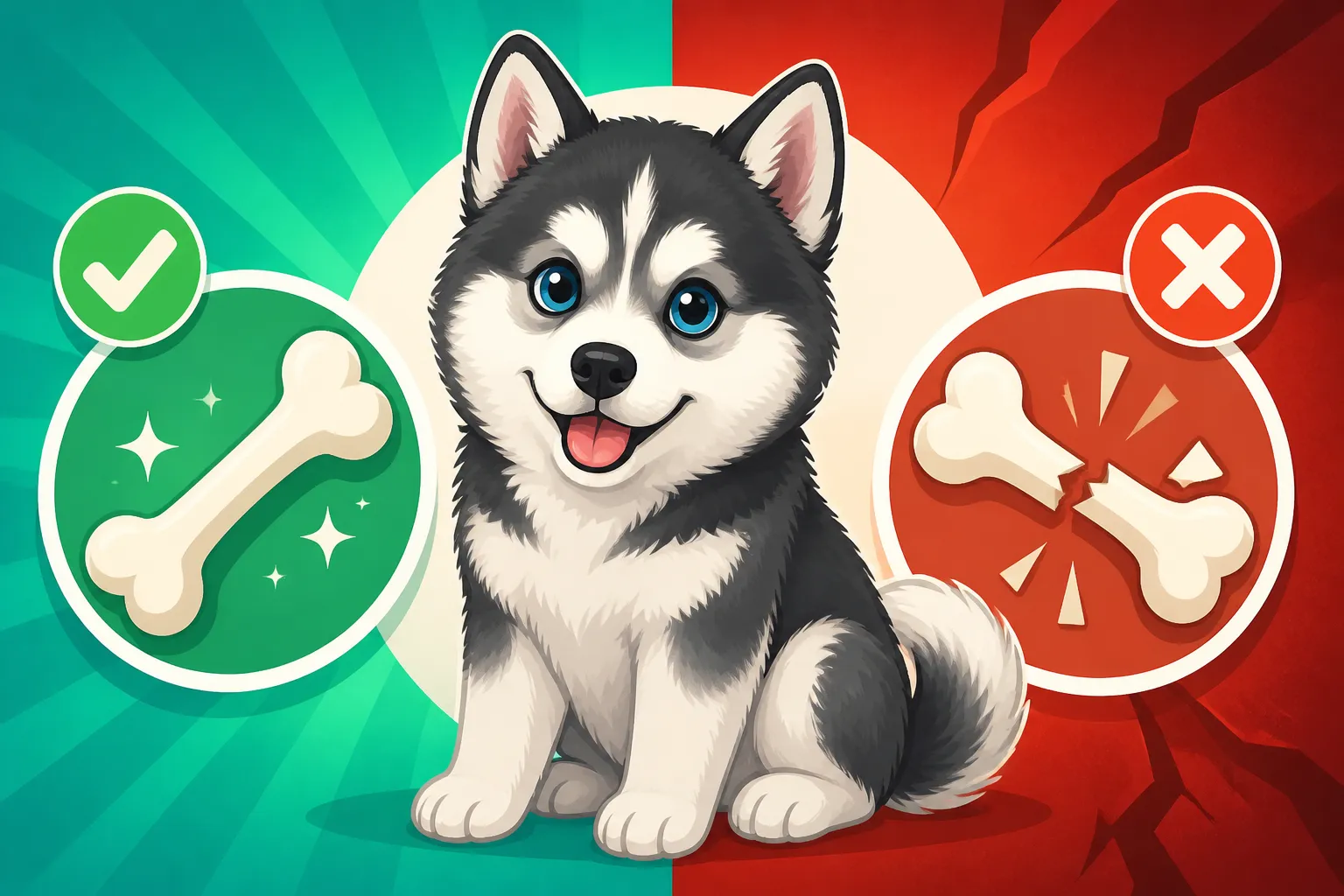
The worry that your adorable Pomsky might have fragile bones is completely understandable. When you bring home a smaller dog, especially one bred from breeds with different body structures, you naturally want to know if their skeletal system is robust enough to handle their active nature. It’s a valid concern, particularly given the varying sizes within the Pomsky breed. This guide aims to clear up common misconceptions and provide a comprehensive look into the reality of your Pomsky’s bone health, helping you understand their unique needs and how to best support them throughout their life.
Understanding Pomsky Bone Structure and Genetics
Pomskies are a fascinating blend, inheriting traits from both the Siberian Husky and the Pomeranian. This genetic lottery means their skeletal structure can vary quite a bit, leading to legitimate questions about their inherent strength or potential fragility. It's not as simple as saying all small dogs have weak bones; rather, it's about understanding the specific influences at play.
The Husky Influence on Bone Density
Siberian Huskies are medium-sized, athletic dogs known for their incredible endurance and strong, well-muscled bodies. Their bones are built for sustained activity, pulling sleds, and navigating tough terrain. They typically have dense, robust bone structures designed to withstand significant impact and stress. When these genetics are passed down to a Pomsky, it often contributes to a solid foundation. Many Pomskies inherit a good portion of this strong bone density, making their bones far from "fragile" in the typical sense. Instead, they can often be surprisingly sturdy for their size, capable of handling a lot of zoomies and adventures.
However, the size reduction from the Husky to the Pomeranian parent can sometimes lead to different stresses on these otherwise strong bones, especially if growth isn't managed properly. A Pomsky might have the bone density of a Husky but in a smaller, more compact frame, which generally is a good thing for durability. It’s a significant factor in why a Pomsky's bones aren't inherently weak or brittle.
The Pomeranian Contribution to Bone Size
On the other side of the genetic coin, we have the Pomeranian, a toy breed known for its diminutive size and delicate appearance. Pomeranians naturally have much smaller, finer bones compared to a Husky. While their bones are perfectly suited for their small stature, they are, by necessity, less substantial than those of a larger breed. The key here is not fragility, but size. A Pomeranian's bones are appropriate for its body weight and activity level.
When a Pomsky inherits more of the Pomeranian's bone structure, particularly if they end up on the smaller side of the Pomsky spectrum, their bones will naturally be finer. This doesn't automatically mean they are fragile, but it does mean they might be more susceptible to certain types of injuries if not properly cared for. For instance, a Pomsky with finer bones might be at higher risk for fractures from significant falls or blunt trauma that a larger, more robust dog might shrug off. It highlights the importance of safe play and preventing Whether a Pomsky Should Jump Off Furniture.
How Hybrid Vigor Impacts Skeletal Health
Hybrid vigor, also known as heterosis, is a phenomenon often observed in mixed-breed dogs, where the offspring are generally healthier and more robust than either parent breed. This increased genetic diversity can sometimes lead to a stronger immune system and a reduced incidence of certain genetic health problems that plague purebred lines. In terms of skeletal health, hybrid vigor can, in theory, contribute to more resilient bones and joints in a Pomsky.
However, it's not a magic bullet. While hybrid vigor can offer some protective benefits, it doesn't eliminate the possibility of inheriting predispositions to conditions from either parent. For instance, if both parent breeds carry genes for certain orthopedic issues, even with hybrid vigor, the Pomsky could still inherit them. This is why understanding Whether an F1 Pomsky Is Healthier Than an F2 or other generations is important, as the genetic mix can influence overall health outcomes. The bottom line is that while hybrid vigor can contribute positively, responsible breeding practices and health screening remain paramount.
Common Skeletal Issues in Pomskies and Are They Related to Fragility?
While Pomskies generally do not have "fragile" bones in the sense of being unusually brittle, they can be predisposed to certain orthopedic conditions inherited from their parent breeds. These conditions are not usually about the inherent strength of the bone material itself, but rather about the way joints form or how bones fit together.
Patellar Luxation: A More Common Concern
Patellar luxation, often referred to as "slipping kneecaps," is a condition where the kneecap (patella) dislocates or moves out of its normal groove in the thigh bone (femur). This is a common issue in smaller breeds like the Pomeranian, and unfortunately, it's a condition that Pomskies can inherit. It’s not an issue of fragile bones, but rather a problem with the anatomical structure of the knee joint. The groove might be too shallow, or the ligaments might be too loose, allowing the patella to slip.
Owners might notice their Pomsky skipping a step, holding up a back leg for a few strides, or even yelping in pain if the kneecap gets stuck out of place. The severity of patellar luxation is graded from 1 to 4, with Grade 1 being minor and Grade 4 being severe. You can learn more about Patellar Luxation Grades in a Pomsky. It's crucial for breeders to screen for this condition, and for owners to be aware of the signs. Mild cases might be managed with pain medication and physical therapy, while more severe cases often require surgical correction to prevent long-term arthritis and discomfort. The age a Pomsky's kneecap first slips can vary, but it's often noticed in puppies or young adults.
Hip Dysplasia: Not Just for Big Dogs
Hip dysplasia is a malformation of the hip joint where the ball and socket don't fit together properly, leading to grinding, pain, and eventually arthritis. While most commonly associated with larger breeds like the Husky, smaller dogs, including Pomskies, can also be affected. It's a complex genetic condition influenced by environmental factors. Again, this isn't about fragile bones but about the improper development of the joint itself. A Pomsky might inherit genes from the Husky parent that predispose them to this condition, even if they are much smaller.
Symptoms can range from a subtle limp or stiffness, especially after exercise or rest, to severe lameness. Some dogs compensate so well that owners might not notice until the arthritis is advanced. Early diagnosis, often through X-rays, is crucial for managing the condition and improving the dog's quality of life. Understanding Hip Dysplasia in a Pomsky is key for any Pomsky owner, as even a twenty-pound Pomsky can suffer from this debilitating condition. Treatments range from weight management and joint supplements to various surgical interventions, depending on the severity.
Legg-Calve-Perthes Disease: A Small Breed Ailment
Legg-Calve-Perthes disease (LCP) is another orthopedic condition that can affect Pomskies, particularly those that lean more towards the Pomeranian's size. This condition involves the spontaneous degeneration of the head of the femur (the ball part of the hip joint), leading to collapse and necrosis of the bone tissue. The cause is not fully understood, but it is believed to have a genetic component and typically affects small breed dogs between 5 to 12 months of age.
LCP presents as sudden lameness in one of the hind legs, often progressing quickly. The affected leg will be painful, and the dog may be reluctant to bear weight on it. Diagnosis is confirmed through X-rays. Treatment almost always involves surgery to remove the affected femoral head, creating a "false joint" that allows the dog to move pain-free, though with a slightly altered gait. This condition is a good example of a skeletal issue that is specific to smaller breeds and not indicative of overall bone fragility, but rather a unique pathological process affecting bone supply. Knowing The Age Legg Calve Perthes Shows in a Pomsky can help owners identify and act on symptoms promptly.
Preventing Bone and Joint Problems in Your Pomsky
While some orthopedic issues have a genetic component, there's a lot you can do as a responsible Pomsky owner to support your dog's skeletal health and minimize the risk of injury or exacerbation of conditions. Proactive care is truly the best approach.
The Importance of Proper Nutrition
Nutrition plays a monumental role in bone and joint development and maintenance. Feeding your Pomsky a high-quality, balanced diet specifically formulated for their age and size is foundational. Puppies, in particular, need carefully controlled growth. Overfeeding a puppy can lead to excessively rapid growth, placing undue stress on developing joints and bones, potentially contributing to conditions like hip dysplasia. Always choose a reputable dog food brand that meets AAFCO nutritional guidelines. If you’re ever unsure, your veterinarian can provide excellent guidance on appropriate puppy and adult dog food.
Beyond general nutrition, some dietary supplements can be beneficial, especially for breeds prone to joint issues or older dogs. Glucosamine and chondroitin are popular joint supplements that support cartilage health. Omega-3 fatty acids, often found in fish oil, have anti-inflammatory properties that can help reduce joint pain. Discussing Whether Joint Supplements Help a Pomsky with your vet is a good idea to determine if and what supplements are appropriate for your individual dog, as not all Pomskies will require them. Remember, supplements are not a substitute for a balanced diet but can complement it.
Safe Exercise and Play Habits
Pomskies are energetic dogs, and appropriate exercise is vital for building strong muscles that support their joints. However, too much high-impact exercise, especially in growing puppies, can be detrimental. Avoid activities that involve excessive jumping, twisting, or repetitive pounding on hard surfaces until your Pomsky is fully grown. For puppies, short, frequent play sessions are better than long, strenuous ones.
Supervise play with other dogs to ensure it doesn't get too rough, particularly if your Pomsky is on the smaller side. If your Pomsky enjoys jumping on and off furniture, consider providing ramps or steps. Small, repetitive impacts over time can contribute to joint wear and tear, and a single bad landing can lead to an injury. For instance, an unexpected twist during rough play could worsen a mild case of Slipping Kneecaps in a Pomsky. During walks, using a harness instead of a collar can help prevent strain on the neck and spine, especially if they pull. Regular, moderate exercise, like walks and controlled play, is key to maintaining a healthy weight and strong musculature without overstressing their developing skeletal system.
Regular Veterinary Check-ups and Screening
Consistent veterinary care is non-negotiable for monitoring your Pomsky's overall health, including their skeletal system. Regular check-ups allow your vet to assess your dog's gait, joint mobility, and general condition. They can catch subtle signs of orthopedic issues early, often before they become severe or painful. This proactive approach can make a huge difference in long-term outcomes.
For Pomskies, especially if you're getting them from a breeder, it's vital to inquire about the health screening of the parent dogs. Reputable breeders will perform genetic and orthopedic screenings for conditions like hip and patellar luxation. This information should be readily available and is a good indicator of the breeder's commitment to producing healthy puppies. You can ask about The Health Tests a Pomsky Breeder Should Show. As your Pomsky grows, your vet may recommend specific screenings, particularly if they notice any concerns during examinations. Many pet owners find that pet insurance, such as plans from Healthy Paws, provides financial peace of mind, helping cover the costs of unexpected veterinary care for skeletal issues. It means you can always prioritize your Pomsky's health without financial worry.
When to Seek Veterinary Attention
Even with the best preventative care, issues can arise. Knowing when to consult your veterinarian is crucial for addressing any skeletal concerns promptly and effectively. Early intervention can often lead to better outcomes and reduce discomfort for your Pomsky.
Recognizing Signs of Pain or Lameness
Your Pomsky can't tell you in words when something hurts, so it's up to you to be attuned to their behavior and physical cues. Any change in their gait or activity level warrants attention. Signs of pain or lameness can include:
- Limping or favouring a limb: This is the most obvious sign. It might be continuous or intermittent, especially after rest or exercise.
- Difficulty rising or lying down: They might seem stiff or struggle with movements that used to be easy.
- Reluctance to jump, run, or climb stairs: A sudden decrease in their usual enthusiasm for these activities can be a red flag.
- Decreased activity or playfulness: They might seem less energetic or more withdrawn.
- Vocalization: Whining, yelping, or crying when moving or when a specific area is touched.
- Swelling or warmth in a joint: This indicates inflammation.
- Changes in appetite or demeanor: Pain can manifest as a lack of interest in food or a general grumpy disposition.
- Muscle atrophy: If a limb is not being used properly, the muscles can start to waste away.
If you notice any of these signs, even if they seem minor, it’s always best to err on the side of caution and consult your veterinarian. Don't wait to see if it "gets better" on its own, as early diagnosis can prevent conditions from worsening.
Diagnostic Tests and Treatment Options
When you bring your Pomsky to the vet with concerns about their bones or joints, your vet will perform a thorough physical examination. This will include palpating joints, assessing range of motion, and observing your dog's gait. Depending on their findings, they may recommend further diagnostic tests. These commonly include:
- X-rays (radiographs): These are essential for visualizing bone structures and joint alignment, helping to diagnose conditions like hip dysplasia, LCP, fractures, or severe arthritis. Your vet can determine When a Pomsky's Hips Can Be X Rayed for optimal screening.
- Blood tests: While not directly for bone issues, blood work can rule out other underlying conditions or assess overall health before procedures.
- Joint fluid analysis: In some cases, fluid might be drawn from a joint to check for infection or inflammatory conditions.
- MRI or CT scans: For more complex cases or when soft tissue damage is suspected, advanced imaging might be necessary.
Once a diagnosis is made, your vet will discuss treatment options. These can range from conservative management, such as rest, anti-inflammatory medications, pain relief, physical therapy, and weight management, to surgical intervention. For example, some grades of patellar luxation or severe hip dysplasia might require surgery. Remember, organizations like Healthy Paws offer comprehensive pet insurance plans that can significantly ease the financial burden of these diagnostic tests and treatments, allowing you to focus on your Pomsky's recovery.
Long-Term Management and Support
For many orthopedic conditions, particularly those involving chronic issues like arthritis from hip dysplasia or patellar luxation, long-term management is key to maintaining your Pomsky's quality of life. This isn't just about medications but a holistic approach to their care.
This might involve ongoing pain management strategies, including NSAIDs (non-steroidal anti-inflammatory drugs) or other pain relief medications prescribed by your vet. Physical therapy, hydrotherapy, and therapeutic exercises can help maintain muscle strength and joint flexibility. Weight management is crucial; even a few extra pounds can put significant strain on compromised joints. Consider an orthopedic bed for comfort, and ramps or steps to help them navigate furniture without painful jumps. Regular, gentle exercise tailored to their condition is often recommended to keep joints mobile and muscles strong without causing further damage. Your veterinarian will work with you to create a personalized long-term care plan, adjusting it as your Pomsky ages and their needs evolve, ensuring they remain as comfortable and happy as possible for their entire The Twelve to Fifteen Years a Pomsky Lives.
Disclaimer
This article is for general informational purposes only and does not constitute professional advice. Laws, prices and regulations vary by location and change over time. Consult a qualified professional for guidance on your specific situation.