Whether a Pomsky’s Skin Crusts Around the Eyes
It's incredibly worrying to notice something amiss with your beloved Pomsky, especially when it involves their eyes. That delicate skin around their eyes, so often framed by those striking Husky-like features or the fluffy Pomeranian charm, can sometimes develop crusts, redness, or irritation, leaving you wondering what on earth is going on. This guide is here to shed light on why your Pomsky might be experiencing crusting around their eyes, what steps you can take, and how to keep those precious peepers healthy.
Understanding Why Your Pomsky's Skin Might Crust Around the Eyes
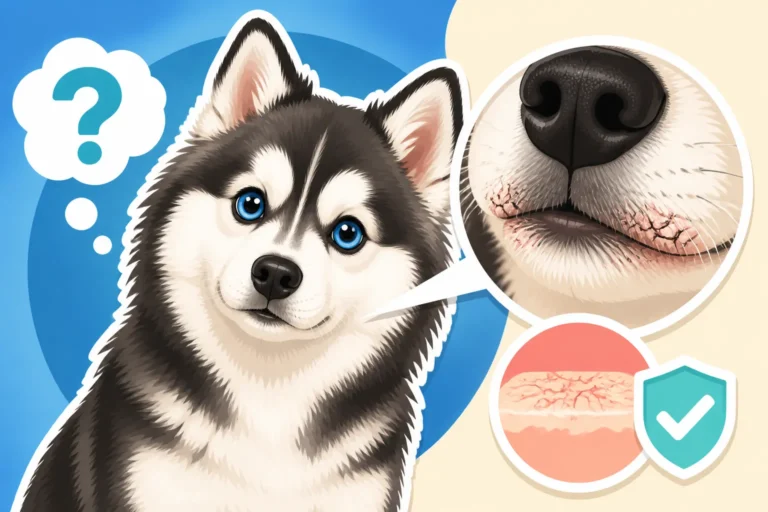
The skin around a Pomsky's eyes is incredibly sensitive, just like ours. It's an area prone to various irritations, infections, and even congenital issues inherited from their parent breeds. When you see crusting, it's often a sign that something is irritating the eye itself or the surrounding skin, leading to discharge that dries and hardens.
Tears and Tear Staining: The Most Common Culprit
Let's be honest, we all love a Pomsky with bright, clear eyes, but sometimes, excessive tearing can lead to unsightly and problematic crusting. Many Pomskies, particularly those with more prominent Pomeranian features or shallower eye sockets, are prone to tear overflow, a condition known as epiphora. When tears constantly spill onto the fur and skin around the eyes, they create a moist environment that's a perfect breeding ground for bacteria and yeast. This isn't just an aesthetic issue; the constant moisture and microbial growth can lead to inflammation and itching, and as the tears dry, they leave behind a crusty residue.
Think about it like this: if you constantly have water on your skin and it never properly dries, it starts to get irritated, right? The same goes for your Pomsky. The mineral content in tears, combined with porphyrins (pigments found in tears that contain iron), can also react with sunlight, leading to that reddish-brown staining often seen on lighter-colored Pomskies. This staining itself isn't crusting, but the accompanying moisture almost invariably leads to it if not managed. Sometimes, the crusting can be so bad it glues the fur together, making it uncomfortable for your pup and difficult to clean. This can become a vicious cycle, as the irritation encourages more rubbing, which in turn can exacerbate the tearing and crusting.
Allergic Reactions and Irritants
Just like people, Pomskies can suffer from allergies, and these can manifest as itchy, red, and crusty skin, often around the face and eyes. Environmental allergens like pollen, dust mites, or mold spores can cause what's known as atopic dermatitis. Your Pomsky might be rolling around in the grass, sniffing every flower, and unknowingly picking up allergens that irritate their eyes. Food allergies or sensitivities can also be a culprit, leading to systemic itchiness that often includes the facial area. If your Pomsky's eyes are watery, red, and the surrounding skin is crusty and they're rubbing their face on the carpet or furniture a lot, allergies are definitely something to consider.
Beyond true allergies, simple irritants in the environment can cause similar reactions. Perhaps you've changed cleaning products, or there's a new air freshener in the house. Smoke, strong perfumes, or even certain shampoos can cause a localized reaction around the eyes. Imagine getting soap in your eye – it stings, it waters, and if it happens repeatedly, the delicate skin around the eye can become inflamed and crusty. Even the material of their food bowl or bed can trigger contact dermatitis if they're sensitive to it. It's a detective game sometimes, trying to pinpoint the exact irritant in their daily life.
Skin Infections: Bacterial or Fungal
If the crusting is accompanied by redness, swelling, pus, or a foul odor, a skin infection is a strong possibility. The warm, moist environment created by excessive tearing or allergic irritation is an open invitation for opportunistic bacteria and yeast to set up shop. Staphylococcal bacteria, for example, are very common on dog skin and can cause pyoderma (bacterial skin infection) when the skin barrier is compromised. You might see small pustules or scabs forming in the crusty areas.
Yeast infections, often caused by Malassezia, can also thrive in these moist spots. They typically result in greasy, reddish-brown, itchy skin, and the discharge can certainly contribute to crusting. Sometimes, the infection can be quite deep, affecting the hair follicles and leading to more severe crusting and even hair loss around the eyes. It's crucial not to ignore these signs, as an untreated infection can become more widespread and cause significant discomfort to your Pomsky. It's a situation where early intervention from your vet can make a huge difference in your pup's comfort and recovery.
Recognizing Other Potential Eye-Related Issues
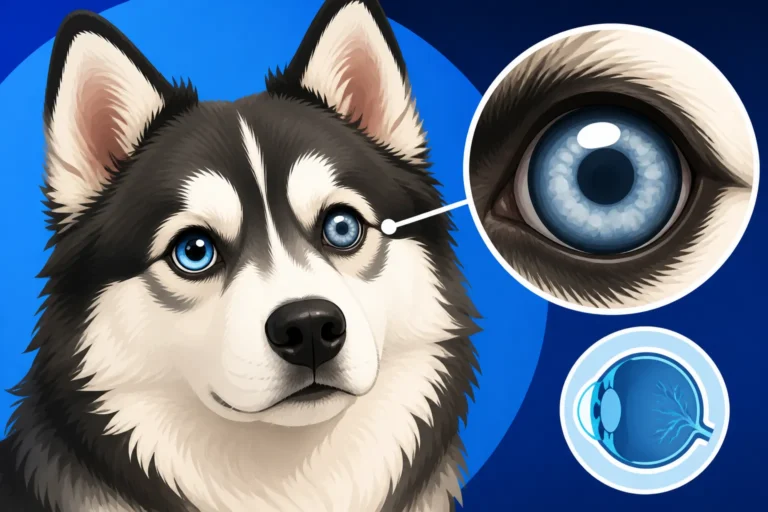
Crusting around the eyes isn't always just about the skin; sometimes it's a symptom of an underlying eye condition that requires specific attention. Pomskies, being a hybrid breed, can inherit eye problems from both their Siberian Husky and Pomeranian lineages.
Dry Eye: More Than Just Dryness
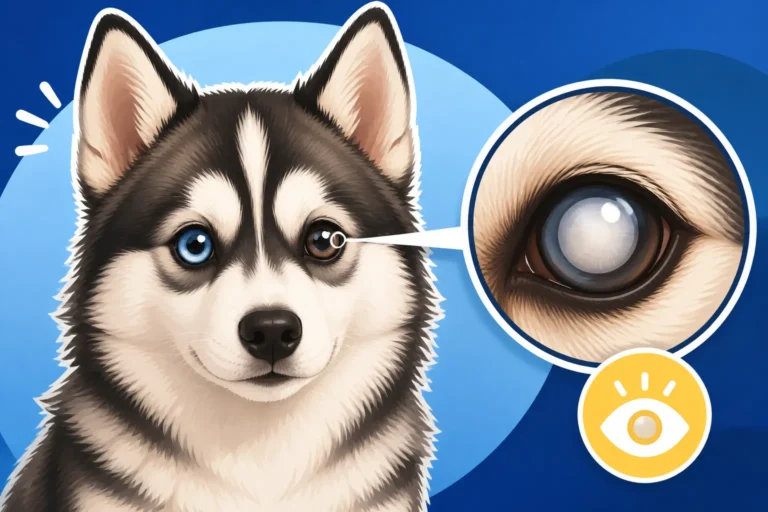
Ironically, while excessive tearing can cause crusting, insufficient tear production can also lead to similar-looking crusts. This condition, known as Keratoconjunctivitis Sicca (KCS) or "dry eye," means the eyes aren't producing enough lubricating tears. When the eyes are dry, they become irritated, inflamed, and often produce a thick, stringy, mucoid discharge to compensate. This discharge, when it dries, forms crusts around the eyes, sometimes appearing yellowish or greenish.
Dry eye is far more serious than just an inconvenience; chronic dryness can lead to corneal damage, pain, and even blindness if left untreated. If your Pomsky is squinting, blinking excessively, or has dull, reddened eyes along with the crusting, especially with that thick discharge, it's definitely time to see the vet. Breeds like the Husky can be prone to certain immune-mediated conditions, and some of these can impact tear production. Early diagnosis and management are key to preserving your Pomsky's vision and comfort. This is where pet insurance like Healthy Paws can truly be a lifesaver, helping manage the ongoing costs of such chronic conditions. You might also want to read about Whether a Pomsky Gets Dry Eye for more detailed information.
Eyelid Abnormalities and Ingrown Hairs
Sometimes, the issue isn't with the tears or the skin itself, but with the structure of the eyelids. Conditions like entropion, where the eyelid rolls inward, cause the eyelashes and eyelid hairs to constantly rub against the cornea, leading to irritation, excessive tearing, and a thick discharge that dries into crusts. Ectropion, where the eyelid rolls outward, can expose the delicate conjunctiva to irritants, making the eye prone to inflammation and discharge.
Distichiasis or ectopic cilia are other abnormalities where extra eyelashes grow in problematic locations, also rubbing against the eye and causing chronic irritation. Think about how annoying just one rogue eyelash can be for us – now imagine it constantly irritating your eye. This chronic irritation stimulates tear production and can lead to secondary bacterial infections, both contributing to crusting. These structural issues are often genetic and can be seen in both parent breeds. If you notice persistent redness, squinting, or a change in the shape of your Pomsky's eyelids, it's essential to have a vet examine them. It's also worth understanding The Eyes a Pomsky Gets From the Husky to be aware of potential inherited conditions.
Parasites and Mites
While less common directly around the eyes, certain parasites can cause skin issues that extend to the facial area, leading to irritation and crusting. Demodectic mange, caused by Demodex mites, can sometimes present as localized patches of hair loss, redness, and crusting, often starting around the eyes, mouth, and front legs. These mites live naturally in the hair follicles, but an overgrowth due to a compromised immune system can lead to problems, especially in puppies or dogs with underlying health issues.
Sarcoptic mange, or scabies, caused by Sarcoptes scabiei mites, is intensely itchy and highly contagious. While it typically affects ears, elbows, and hocks first, severe cases can certainly involve the face and areas around the eyes. The scratching and irritation from these mites can lead to secondary skin infections and, you guessed it, crusting. If the crusting is intensely itchy, rapidly spreading, or accompanied by other skin lesions on the body, your vet will likely want to rule out parasitic infestations.
Steps to Take When You Notice Crusting
Finding crusts around your Pomsky's eyes can be alarming, but there are immediate steps you can take at home while also knowing when it's time to call in the professionals.
Gentle Cleaning and At-Home Care
Your first instinct might be to vigorously scrub, but that's the last thing you want to do to sensitive eye skin. Gentle care is paramount. Use a soft, clean cloth or cotton ball soaked in warm water or a veterinarian-approved eyewash solution. Carefully dab and wipe away the crusts, always moving away from the eye itself. Avoid using harsh soaps, hydrogen peroxide, or human eye drops unless specifically instructed by your vet. For stubborn crusts that have matted the fur, place the warm, wet cloth over the area for a few minutes to soften them before gently attempting to wipe them away. This prevents painful tugging on the fur and skin.
Once the area is clean, ensure it's dry. Residual moisture can perpetuate the problem. You might use a clean, dry piece of gauze or let it air dry completely. For light-colored Pomskies prone to tear staining, a small dab of cornstarch or a pet-safe tear stain powder can help absorb moisture and prevent new stains from forming, but always ensure it doesn't get into the eye. Consistency is key here; a quick, gentle cleaning once or twice a day can make a world of difference. Remember, the goal is to keep the area clean and dry without causing further irritation.
When to Seek Veterinary Attention
While gentle cleaning can help with minor crusting, there are clear signs that warrant a trip to the vet. If the crusting is persistent, severe, accompanied by redness, swelling, pain (your Pomsky might be pawing at their face or squinting), or if the discharge is yellow, green, or thick and opaque, don't delay. These are all indicators of a potential infection, dry eye, or a more serious underlying issue.
Additionally, if your Pomsky seems generally unwell, has a fever, is lethargic, or if the problem rapidly worsens despite your home care, call your vet immediately. Conditions like glaucoma or corneal ulcers can progress quickly and lead to permanent vision loss if not treated promptly. It's always better to be overly cautious when it comes to your Pomsky's eyes. A professional eye exam can pinpoint the exact cause and get your furry friend the right treatment. And if you're wondering about the cost of potential diagnoses and treatments, many pet owners find that pet insurance, such as a policy from Healthy Paws, offers valuable peace of mind. For more on diagnostic steps, you might look at What a Skin Workup Costs on a Pomsky.
Preparing for Your Vet Visit
To make your vet visit as productive as possible, come prepared with information. Note down when you first noticed the crusting, if it's getting worse or better, and what color or consistency the discharge typically is. Have you introduced any new foods, treats, or household products recently? Has your Pomsky been exposed to other animals? Does your Pomsky have any other symptoms like itching, pawing at the face, or a change in appetite or energy levels?
Your vet will likely perform a thorough physical exam, focusing on the eyes. This might include a Schirmer tear test to check for dry eye, a fluorescein stain test to check for corneal ulcers, or even specialized ophthalmological tools to examine the internal structures of the eye. They might take samples of the discharge for cytology (looking at cells under a microscope) or culture to identify bacteria or yeast. Providing a comprehensive history will help your vet narrow down the possibilities and get to a diagnosis faster, ensuring your Pomsky receives the most effective treatment.
Prevention and Long-Term Eye Health for Your Pomsky
Proactive care is always better than reactive treatment, especially when it comes to something as delicate as your Pomsky's eyes. Establishing good habits can significantly reduce the risk of crusting and other eye issues.
Regular Grooming and Hygiene Practices
Given that Pomskies have a double coat and can shed quite a bit, especially during their "blowout" seasons, regular grooming is paramount. This includes gently wiping their eyes daily with a damp cloth to remove any fresh tears or debris before they dry and become crusts. For longer-haired Pomskies, keeping the fur around the eyes trimmed can prevent irritation from hair poking the eye and make cleaning easier. Be incredibly careful if you're trimming near their eyes, or better yet, leave it to a professional groomer.
Consider using pet-specific wipes designed for eye areas, often infused with soothing agents like aloe vera or witch hazel, but always check with your vet first to ensure they are suitable for your Pomsky. Regular bathing with a mild, tearless shampoo can also help keep the facial area clean, just be sure to thoroughly rinse and dry the fur around the eyes to prevent moisture buildup. Grooming isn't just about looking good; it's a vital part of preventative health care for your Pomsky. For more grooming insights, check out The Pomsky That Carries a Husky Coat at Twenty Pounds.
Environmental Management and Allergen Control
Minimizing exposure to potential irritants and allergens in your Pomsky's environment can go a long way in preventing eye crusting. If you suspect environmental allergies, regular vacuuming, especially with a HEPA filter vacuum, can reduce dust mites and pet dander. Washing your Pomsky's bedding frequently in hot water can also help. During high pollen seasons, limiting outdoor walks during peak pollen times and wiping your Pomsky's face and paws after coming inside can reduce allergen transfer.
Using an air purifier in your home can also make a significant difference for dogs with environmental sensitivities. Avoid using strong air fresheners, scented candles, or chemical cleaning products near your Pomsky's living areas, as these airborne irritants can directly affect their eyes. If you identify a specific contact allergen, like a certain fabric or cleaning solution, remove it from their environment. Switching to stainless steel or ceramic food and water bowls, and washing them daily, can also help if your Pomsky has contact dermatitis from plastic. Understanding Whether a Pomsky Gets Allergies can help guide these environmental adjustments.
Nutritional Support and Routine Check-ups
A balanced, high-quality diet plays a crucial role in your Pomsky's overall health, including their skin and eye health. Ensure their food provides all the necessary vitamins, minerals, and essential fatty acids. Sometimes, a diet lacking in certain nutrients, like zinc, can lead to skin issues that might include crusting around the eyes. If you suspect a nutritional deficiency, your vet might recommend specific supplements. For example, some Pomskies may benefit from extra zinc, especially if they show signs of Zinc Responsive Dermatosis in a Pomsky.
Beyond daily care, routine veterinary check-ups are indispensable. Your vet can catch subtle signs of eye or skin problems before they become severe. Annual exams often include a basic eye check, and for breeds prone to certain conditions, your vet might recommend more frequent or specialized screenings. Keeping up with vaccinations and parasite prevention will also help maintain a strong immune system, making your Pomsky less susceptible to infections that can lead to eye crusting. Think of these check-ups as an investment in your Pomsky's long-term health and happiness.
| Cause of Eye Crusting | Key Characteristics | What to Look For | Initial At-Home Steps | When to See a Vet |
|---|---|---|---|---|
| Excessive Tearing | Reddish-brown stains, constant moisture, mild crusts. | Wet fur, staining, mild irritation. | Gentle daily cleaning, keep dry. | If persistent, worsening, or signs of pain. |
| Allergies | Itchiness, redness, pawing at face, often seasonal. | Red skin, watery eyes, generalized itch. | Allergen avoidance, gentle cleaning. | If severe itch, swelling, or no improvement. |
| Skin Infections | Yellow/green discharge, odor, pustules, severe redness. | Pus, strong odor, painful to touch. | Keep clean, avoid spreading. | Immediately for diagnosis and antibiotics/antifungals. |
| Dry Eye (KCS) | Thick, stringy, mucoid discharge, dull eye. | Squinting, red eye, thick crusts. | Keep clean (discharge is thick). | Immediately to prevent corneal damage. |
| Eyelid Issues | Constant eye rubbing, chronic tearing/discharge. | Visible lid abnormality (in/outward roll). | Gentle cleaning. | For surgical correction or medical management. |
| Parasites | Intense itch, hair loss, visible mites (sometimes). | Lesions elsewhere, intense scratching. | Isolate from other pets. | For diagnosis and antiparasitic treatment. |
Crusting around your Pomsky's eyes is rarely just a minor cosmetic issue. It's often a sign that something deeper is at play, whether it's an environmental irritant, an allergy, an infection, or an underlying eye condition. By being observant, providing consistent and gentle care, and knowing when to seek professional veterinary help, you can ensure your Pomsky's eyes remain bright, clear, and comfortable for years to come.
Disclaimer
The information provided in this article is for general informational purposes only and is not a substitute for professional veterinary advice, diagnosis, or treatment. Always seek the advice of your veterinarian or other qualified animal health provider with any questions you may have regarding a medical condition or the health and welfare of your pet. Never disregard professional veterinary advice or delay in seeking it because of something you have read in this article.