Getting a Pomsky Used to the Undercoat Rake
Ah, the undercoat rake. For many Pomsky parents, this grooming tool can feel like a weapon of mass destruction, especially when your otherwise sweet fluffball suddenly transforms into a squirming, nipping, or outright fleeing Houdini at its sight. It's incredibly frustrating when you know you need to tackle that dense double coat, especially during those infamous "blowout" seasons, but your Pomsky just isn't having it. This guide is here to help you navigate that challenge, turning potential battlegrounds into calm, even enjoyable, grooming sessions.
Understanding Your Pomsky's Coat and the Necessity of Raking
Let's face it, one of the biggest draws to a Pomsky is that magnificent, fluffy coat. It's stunning to look at, but it comes with a serious commitment to grooming. Ignoring that dense fur isn't just about aesthetics; it's a direct route to discomfort and potential health issues for your beloved companion.
The Double Coat: A Blessing and a Burden
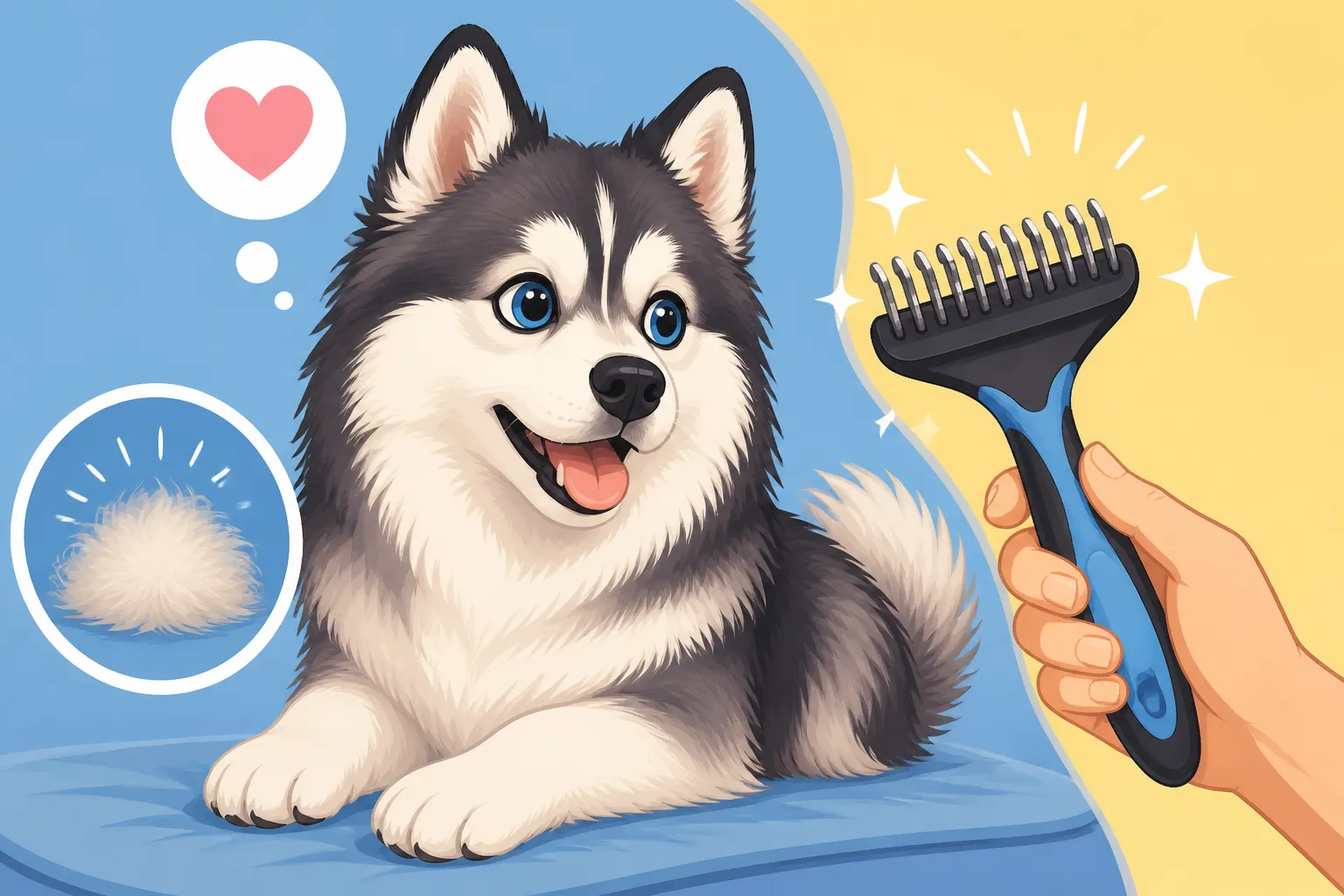
Your Pomsky inherited its glorious double coat from both the Siberian Husky and the Pomeranian. This isn't just a single layer of fur; it's a sophisticated insulation system. You've got those longer, coarser guard hairs on top, which are designed to repel water and dirt, and underneath, a thick, soft, downy undercoat that provides warmth in winter and helps regulate body temperature in summer. It’s truly amazing how efficient it is, but it's also incredibly high maintenance. When you're trying to keep that undercoat from becoming a matted mess, the right tools are paramount. Many owners find a good quality undercoat rake, perhaps one found easily on Amazon, to be indispensable for reaching deep into the dense undercoat without damaging the top layer.
During seasonal changes, usually spring and fall, your Pomsky will "blow" its coat. This isn't just regular shedding; it's an explosion of loose undercoat. Imagine a snowstorm, but indoors, and made of dog fur. If this loose fur isn't removed, it quickly compacts, forming painful mats and restricting airflow to the skin. These mats can pull on the skin, cause irritation, and create a breeding ground for bacteria and moisture, leading to skin infections or "hot spots." It's a truly miserable experience for your dog and a costly one for you if it requires veterinary attention or a full shave-down at the groomer. This is precisely why the undercoat rake isn't optional; it's a necessity. It’s one of those things that becomes a regular part of life, like understanding The Undercoat Rake a Pomsky Owner Lives With.
Why the Rake is Non-Negotiable
You might be thinking, "Can't I just use a regular brush?" The truth is, a standard slicker brush or pin brush might get some of the surface hairs, but it often struggles to penetrate that dense undercoat effectively. It's like trying to rake leaves with a broom – you'll move some, but the bulk stays behind. The undercoat rake, with its specially designed teeth, is engineered to reach down, grab that loose, dead undercoat, and pull it out without cutting the healthy guard hairs. This process allows for proper ventilation, reduces shedding dramatically, and prevents painful matting. Without consistent raking, especially during a Whether a Pomsky Blows Its Coat Twice a Year event, you're setting your Pomsky up for discomfort, and yourself up for endless vacuuming and potential vet bills. It’s about more than just keeping your house clean; it's about your dog's comfort and skin health.
Deciphering Your Pomsky's Resistance to Grooming Tools
It's easy to take it personally when your dog fights you during grooming. You're just trying to help, right? But your Pomsky isn't resisting out of spite. There are often very good reasons for their aversion, and understanding them is the first step toward overcoming the challenge.
Fear and Past Negative Experiences
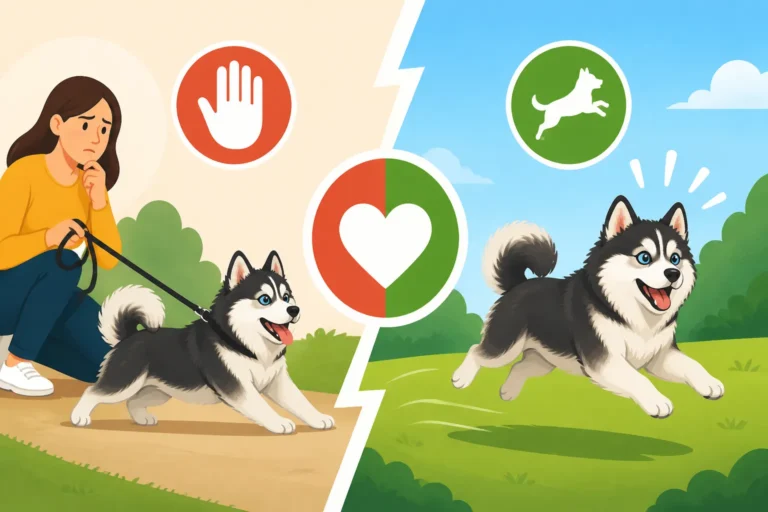
Imagine something being used on you that you don't understand, perhaps it's a bit poky, or it once pulled painfully. That's how a grooming tool can feel to a dog, especially if they haven't been properly introduced to it or had a bad experience. Maybe a sharp tooth on the rake caught a snag, or perhaps a previous grooming session was rushed and rough. Even a minor discomfort can create a strong negative association. Dogs don't generalize well; one painful pull could teach them that the rake, and all similar grooming tools, are inherently scary or dangerous. This fear can manifest as struggling, growling, nipping, or trying to escape. They're not being "bad"; they're reacting out of self-preservation. Some Pomskies might have inherited a sensitive nature from their Pomeranian side, making them more prone to anxiety during new experiences.
Sensitivity and Discomfort
Pomskies can be quite sensitive, both physically and emotionally. Their skin, especially if it's prone to conditions like allergies or Zinc Responsive Dermatosis in a Pomsky, might be sore or itchy, making any brushing uncomfortable. If there's already a small mat developing close to the skin, even a gentle rake can pull and cause pain, reinforcing their avoidance. Beyond physical sensitivity, some Pomskies are just naturally wary of being handled in certain ways. They might not like the feeling of the rake's tines on their skin, or they might simply be uncomfortable with the restraint involved in a grooming session. It's crucial to differentiate between general stubbornness and genuine discomfort. If your Pomsky is yelping, flinching excessively, or showing signs of pain, it's time to stop and investigate for mats, skin issues, or injuries.
Lack of Training and Desensitization
Let's be honest, many of us get a puppy and focus on the fun stuff: walks, tricks, cuddles. Grooming often takes a backseat until it becomes an unavoidable chore. If your Pomsky wasn't gradually introduced to grooming tools and handling from a young age, they simply haven't learned to tolerate it. Puppies need slow, positive exposure to everything new – sounds, sights, touches, and yes, grooming tools. Without this foundational desensitization, an adult Pomsky will naturally resist something unfamiliar and potentially uncomfortable. They haven't been taught that the rake is a benign tool that leads to good things (like treats and praise), so their instinct is to avoid it. This is why resources like Teaching a Pomsky to Be Brushed are so important.
Building Positive Associations: Starting Early and Slow
Overcoming a Pomsky's resistance to the undercoat rake requires patience, consistency, and a whole lot of positive reinforcement. It's about changing their perception from "scary stick" to "treat-delivery device."
Puppy Foundations: Early Introduction is Key
The absolute best time to start is when your Pomsky is a puppy. Their minds are sponges, and they're generally more accepting of new experiences. Don't wait until they're matted to introduce the rake. Start with simply letting them see and sniff the rake. Place it on the floor, let them investigate. Reward curiosity with high-value treats. Next, gently touch the back of the rake to their body, then their legs, then their back – just for a second or two. The goal here is not to rake, but to associate the presence of the tool with positive experiences.
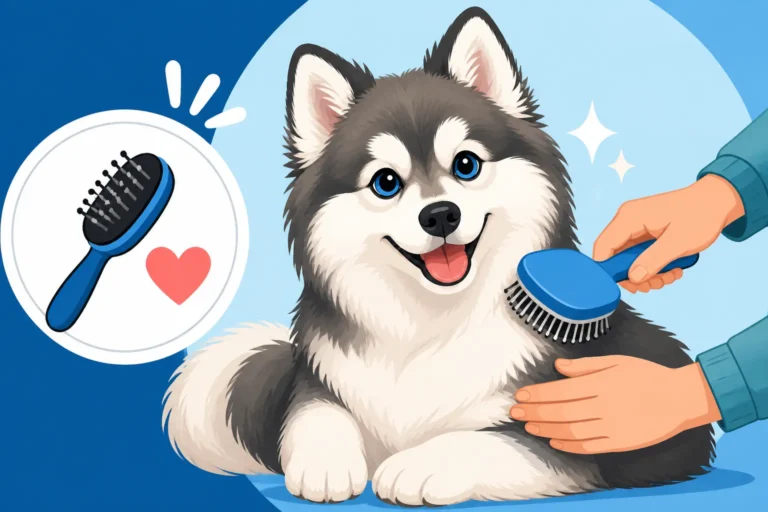
Once they're comfortable with the rake touching them, move to very light, brief strokes. Think of it as petting with the rake. Do one stroke, then immediately reward with a tiny, delicious treat and verbal praise ("Good boy/girl!"). Put the rake down. End the session before they get bored or stressed. Even 30-second sessions multiple times a day are more effective than one long, unpleasant struggle. The key is to keep it short, positive, and frequent. Many comprehensive puppy programs, like those offered by BAXTER & Bella, incorporate handling and grooming desensitization into their curriculum, which can be invaluable for new Pomsky owners. It also applies to things like Teaching a Pomsky to Give a Foot for nail trims.
Desensitization and Counter-Conditioning for Adult Pomskies
If you have an adult Pomsky who already dislikes the rake, the process is similar but requires even more patience. You're essentially undoing negative associations and building new, positive ones.
- Reintroduce the Rake Positively: Start by bringing out the rake only when something wonderful is happening. Are you giving them their favorite chew toy? Offer the rake for a quick sniff, then give them the toy. Are they getting their dinner? Show the rake, then put the food down. The rake should predict good things, not scary things.
- Gradual Touch with Rewards: Once they are neutral to the rake's presence, move to touch. As before, gently touch the rake to their shoulder or back for just a second. Immediately give a high-value treat and praise. Repeat. If they remain calm, try two strokes, then reward. The moment they show any sign of discomfort (stiffening, turning away, tensing), stop. Wait for them to relax, then try again with an even shorter duration or a lighter touch.
- Find the Sweet Spot: Pay attention to where your Pomsky is most comfortable being touched and groomed. Many dogs tolerate their chest, shoulders, or sides better than their sensitive belly, tail, or legs. Start in the easy spots and gradually work towards the more sensitive areas. Always keep sessions very short, building up duration only when your Pomsky is consistently relaxed. A good rule of thumb is to aim for just a few strokes in any one area during a session, always ending on a positive note.
| Resistance Sign | Why it Might Be Happening | What to Do (Desensitization) |
|---|---|---|
| Tensing up, pulling away | Fear, discomfort, previous bad experience | Reduce duration, lighten touch, increase treat value, slow down |
| Nipping or snapping | Fear, pain, warning to stop | Stop immediately, re-evaluate, consult vet/trainer for pain |
| Growling | Fear, aggression, warning to stop | Stop, evaluate for pain/fear, work at a much slower pace |
| Whining | Anxiety, frustration, mild discomfort | Shorten sessions, provide more frequent, high-value rewards |
| Excessive licking/chewing | Stress displacement, boredom | More engaging treats (lick mat), vary strokes, keep it positive |
| Hiding/fleeing | Fear, strong negative association | Reduce pressure, start from scratch with positive intro to tool |
Tools and Techniques for a Stress-Free Raking Session
Having the right tools and employing gentle, thoughtful techniques can make all the difference in your Pomsky's grooming experience. It's not just about getting the job done, but doing it in a way that preserves your bond and minimizes stress.
Choosing the Right Undercoat Rake
Not all undercoat rakes are created equal, and selecting the right one for your Pomsky's specific coat type and size is crucial. A good undercoat rake will have blunted, rotating pins or teeth that can penetrate the topcoat without snagging or pulling, reaching deep into the undercoat to remove loose hair. Avoid rakes with sharp, rigid teeth that can scratch the skin or cut the coat. You might need to experiment with a few different types, perhaps checking reviews on Amazon, to find the one your Pomsky tolerates best and that works most effectively on their particular fur. Some prefer a single row of pins, while others might find a rake with two rows more efficient for thicker coats.
Beyond the rake itself, consider other grooming aids. A good quality slicker brush can help after raking to smooth the topcoat and catch any remaining loose hairs. A long-toothed comb is essential for checking for mats, especially behind the ears, in the armpits, and on the pants. If your Pomsky's coat is particularly dense or prone to matting, a deshedding tool or even a force dryer, which can blast out loose undercoat, might be a worthwhile investment. Getting your Pomsky used to a force dryer is a separate journey, but definitely helps reduce the amount of manual raking needed. Getting a Pomsky Used to a Force Dryer is a whole other learning curve, but one that pays dividends!
Gentle Handling and Effective Techniques
Once you have your tools, it's all about technique and a calm demeanor.
- Create a Calm Environment: Choose a quiet time when your Pomsky is already relaxed, perhaps after a walk or a play session. A designated grooming spot, like a mat on the floor or a non-slip surface, can help them associate the area with grooming. Have all your tools and plenty of high-value treats ready.
- Start with Short, Positive Sessions: As mentioned, brief sessions are key, especially in the beginning. Aim for 2-5 minutes, ending before your Pomsky shows signs of stress or starts to fidget. Always conclude with a big reward and praise, leaving them wanting more.
- Support and Secure: Gently hold your Pomsky in a way that is secure but not restrictive. You might sit on the floor with them, or have them on a grooming table if they're used to it. The goal is to prevent them from squirming away, which can lead to accidental pulls and further negative associations.
- Section by Section: Don't try to tackle the entire dog at once. Work in small sections, perhaps starting with an area they tolerate well, like their shoulder or flank. Use short, gentle strokes, following the direction of hair growth. After a few strokes in one spot, lift the rake, praise, and give a treat. Then move to an adjacent spot.
- Check for Mats Constantly: Before you rake, always run your fingers through the section you're about to work on to feel for any tangles or mats. Raking over a mat will be painful. If you find one, gently try to loosen it with your fingers or a mat splitter before using the rake around it. Sometimes, a mat may need to be carefully snipped out with blunt-nosed scissors, but always proceed with extreme caution or defer to a professional groomer. Remember to be gentle and patient, especially around sensitive areas. A great resource for understanding exactly how often you'll need to do this is How Often a Pomsky Needs Raking During a Blowout.
When to Seek Professional Help (and how to prepare for it)
Sometimes, despite your best efforts, your Pomsky's resistance to grooming tools, particularly the undercoat rake, might be too ingrained or too challenging to manage on your own. That's perfectly okay, and it's a sign of a responsible pet owner to recognize when professional intervention is needed.
Consulting a Professional Groomer
Professional groomers are absolute wizards when it comes to handling resistant dogs and managing difficult coats. They have specialized tools, techniques, and often, a dedicated grooming space that can help a dog feel more secure. They can also quickly identify mats you might have missed or skin issues that are causing discomfort. If your Pomsky is truly fighting you every step of the way, consider booking a "desensitization" session with a groomer, rather than a full grooming appointment. In these sessions, the groomer will focus solely on positive exposure to the tools, often for very short periods, gradually building your Pomsky's tolerance. They understand the nuances of a double coat and can work efficiently while minimizing stress. Remember, their expertise is invaluable, especially if your Pomsky gets Hot Spots Under a Pomsky's Undercoat or has other skin concerns that make grooming tricky.
When you contact a groomer, be upfront about your Pomsky's history and current behavior with the rake. Explain their specific triggers and what you've tried. This information allows the groomer to tailor their approach. It’s also wise to ask about their experience with anxious or resistant dogs and their philosophy on positive reinforcement. Some groomers might even allow you to stay during the initial desensitization sessions, or provide homework to continue the positive reinforcement at home. Just like any professional service, it's worth investing in a good relationship with a groomer who truly understands your Pomsky's needs. This is especially true if you are concerned about Whether a Pomsky Bites the Groomer.
Enlisting the Help of a Certified Dog Trainer or Behaviorist
If your Pomsky's aversion to the rake is severe – involving aggressive displays like growling, snapping, or prolonged fear – it might be more than just a grooming issue. It could stem from deeper behavioral challenges or anxiety. In such cases, a certified professional dog trainer or a veterinary behaviorist can provide invaluable guidance. They can assess your Pomsky's overall temperament, identify underlying anxieties, and develop a comprehensive behavior modification plan. This plan might involve more advanced counter-conditioning techniques, classical conditioning, or even environmental management strategies to reduce stress.
A trainer can also help you hone your own handling skills, teaching you how to read your Pomsky's body language more effectively and respond in a way that builds trust rather than fear. They might suggest using specific management tools, like a muzzle for safety during grooming, but only after proper desensitization to the muzzle itself. The goal is always to address the root cause of the resistance, ensuring both your safety and your Pomsky's well-being. Don't be ashamed to seek help; it shows you're committed to your dog's happiness and comfort, and want to avoid situations like Whether a Pomsky Should Be Muzzled to Be Brushed without proper training first.
Maintaining the Routine: Making Raking a Regular, Pleasant Experience
Consistency is truly the unsung hero of successful grooming. Once you've established a foundation of positive association, the goal is to weave raking into your regular routine so it becomes just another normal, non-threatening part of life for your Pomsky.
Regularity and Predictability
Dogs thrive on routine and predictability. Establishing a consistent grooming schedule, even if it's just short, daily mini-sessions, will help your Pomsky understand what to expect. Think about it: if grooming only happens when their coat is already matted and painful, they'll always associate it with discomfort. But if it's a regular occurrence, with lots of praise and treats, they'll learn that it's a harmless, even pleasant, interaction.
During periods of heavy shedding, like their seasonal "blowouts," you'll need to increase the frequency and duration of your raking sessions. Instead of one long, arduous session, break it down into multiple shorter ones throughout the day. For example, rake their back in the morning, their sides in the afternoon, and their tail and pants in the evening. This prevents any one session from becoming overwhelming and ensures you're effectively managing the shedding fur. A solid routine prevents those emergencies that can be stressful for everyone involved. How Often a Pomsky Needs Raking During a Blowout is a fantastic resource to help you plan.
Incorporating Grooming into Daily Life
Grooming shouldn't be a separate, isolated event; it should be integrated into your daily interactions with your Pomsky. While you're cuddling on the couch, gently stroke them with your hands, run a soft brush over their back, or give a couple of quick, gentle strokes with the undercoat rake, followed by a treat. Make it a casual, low-stakes affair. The more you touch and handle your Pomsky positively in everyday situations, the less intimidating the dedicated grooming sessions will feel.
Consider using a lick mat spread with a dollop of peanut butter or plain yogurt during grooming sessions. This provides a delicious, distracting activity that keeps them occupied and creates a strong positive association with being groomed. They'll be so focused on their tasty treat that they'll hardly notice the rake doing its work. You can also incorporate training commands like "settle" or "lie down" during grooming, rewarding them for holding still. Over time, your Pomsky will not only tolerate the undercoat rake but might even come to enjoy the feeling of having that itchy, dead undercoat removed, especially when it’s accompanied by tasty rewards and your undivided attention. It's truly amazing what consistent, positive effort can achieve, turning a daunting task into a peaceful bonding experience.
Disclaimer
This article is for general informational purposes only and does not constitute professional advice. Laws, prices and regulations vary by location and change over time. Consult a qualified professional for guidance on your specific situation.