Whether a Pomsky’s Mask Fades
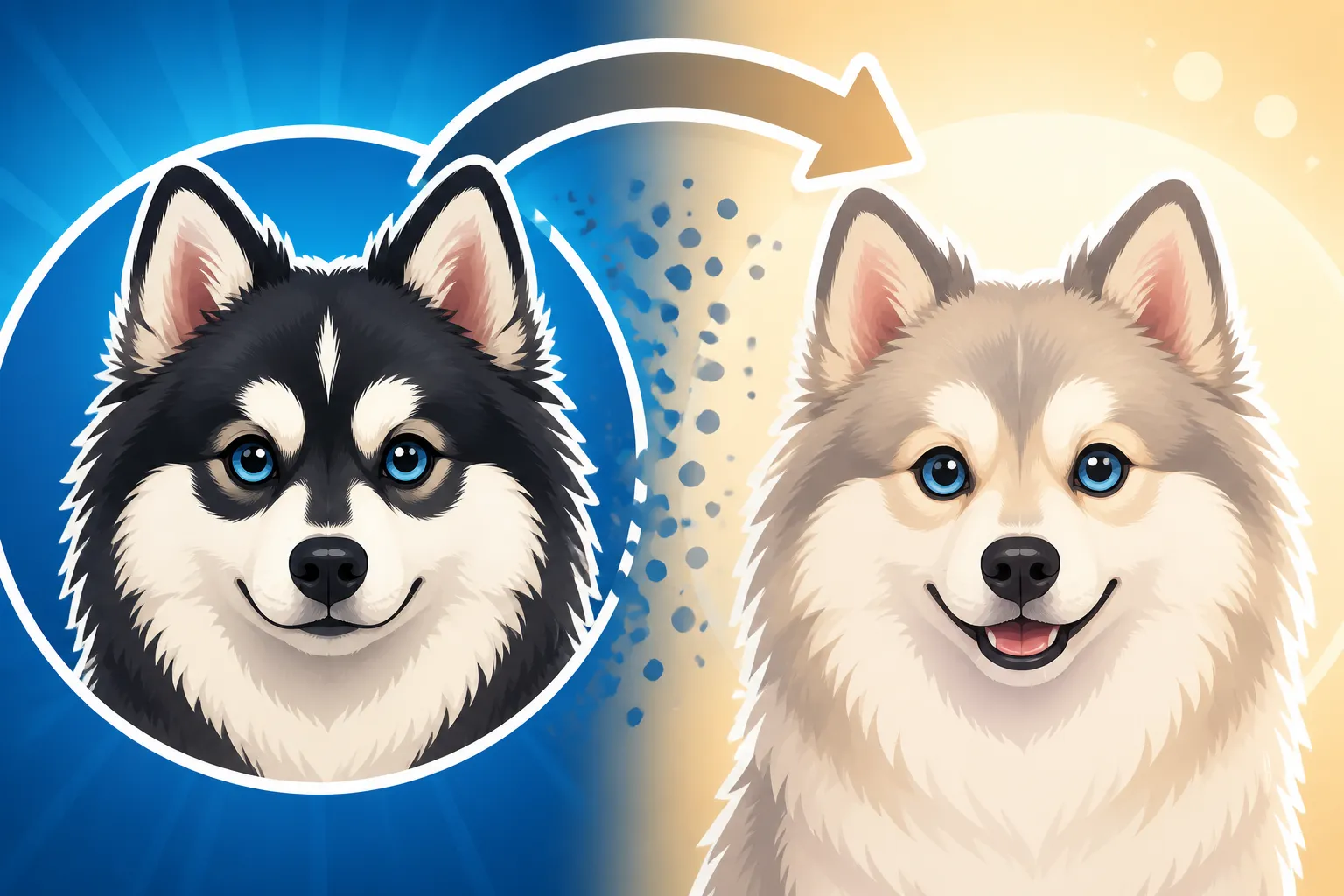
It’s a truly common worry when you bring home your adorable Pomsky puppy with that distinct, striking mask – often reminiscent of their Husky heritage – only to start noticing it seems to be softening, blurring, or even disappearing as they grow. You picked them, in part, for that distinctive face, and now you’re wondering if you imagined it, or if something is wrong. This guide is here to reassure you and explain why your Pomsky’s mask might appear to fade, what’s actually happening, and how you can support their coat health.
Understanding the Pomsky Mask and Its Origins
When we talk about a Pomsky’s mask, we’re usually referring to the darker facial markings that create a contrasting pattern around their eyes, muzzle, and forehead. This isn’t just a random splash of color; it’s a genetic trait, primarily inherited from the Siberian Husky side of their lineage. These masks give many Pomskies that wolf-like or wild aesthetic that makes them so captivating.
The Husky Influence on Pomsky Masks
Siberian Huskies are renowned for their incredible variety of coat colors and patterns, and their facial masks are a big part of that. You see everything from a full 'closed' mask that covers most of the face, leaving only the eyebrows and cheekbones lighter, to 'open' masks that are more like spectacles around the eyes. There are also 'saddle' masks, 'bar' masks, and sometimes just a simple line or smudge. These patterns are all coded in their genes. When a Husky is bred with a Pomeranian to create a Pomsky, those Husky genes are very much in play. The Pomsky puppy often displays a version of these masks, sometimes very pronounced, making them look like a tiny, fluffy wolf. It’s this inherited artistry that often draws us to them in the first place, hoping for that miniature Husky look.
Pomeranian Genetics and Mask Presence
While the Husky brings the potential for striking masks, the Pomeranian parent’s genetics can influence how those masks manifest in a Pomsky. Pomeranians don’t typically carry masking genes in the same way Huskies do; their facial markings are usually just part of their overall solid or parti-color coat. The Pomeranian’s influence can sometimes lighten the overall coat color or even dilute the intensity of the Husky mask. Think of it like mixing paints: a strong dark color mixed with a lighter color might result in a less intense version of the dark. This means that even if a Pomsky inherits the pattern for a mask from its Husky parent, the pigmentation and boldness of that mask can be softened by the Pomeranian genetics. This is why you see such a wide spectrum of mask clarity and intensity in Pomskies, even within the same litter. Some might have a very crisp, dark mask, while others might have a much softer, more blended facial pattern.
Why Your Pomsky's Mask Might Appear to Fade
It's natural to feel a pang of disappointment when that sharp puppy mask starts to look a bit less defined. But don’t worry, this isn’t necessarily a sign that anything is wrong. There are several very common and completely normal reasons why your Pomsky’s mask might change its appearance over time.
Puppy Coat Changes to Adult Coat
One of the biggest reasons for a perceived fading mask is the natural transition from a puppy's coat to their adult coat. Just like human babies lose their soft, fine hair and grow stronger, coarser adult hair, Pomsky puppies go through a significant coat change. Their puppy coat is typically softer, fluffier, and often has slightly different coloring and texture than their mature double coat. As your Pomsky grows, usually between 6 to 18 months, that fluffy puppy coat gives way to the dense, often coarser, double coat characteristic of the breed. This new coat can come in with a slightly different shade, density, or even a different distribution of pigments.
Imagine a paint-by-number picture. When it's first painted, the lines are sharp and clear. But if you then put a fine, semi-transparent layer over the top, those lines might appear softer, even if they're still there underneath. The changing texture and thickness of the adult fur can make the underlying mask pattern appear less distinct. Sometimes, lighter guard hairs grow in over darker mask areas, or the density of the undercoat changes, causing the contrast to lessen. This is all part of them maturing into The Pomsky That Carries a Husky Coat at Twenty Pounds.
Seasonal Shedding and Coat Blows
Another major factor that plays a trick on your eyes is seasonal shedding, often referred to as a "coat blow." Pomskies, inheriting their double coat from both Huskies and Pomeranians, are notorious for their shedding, especially during seasonal changes. Whether a Pomsky Blows Its Coat Twice a Year is a common question, and the answer is usually a resounding "yes," typically in spring and fall. During these periods, they shed their dense undercoat to prepare for warmer or colder weather.
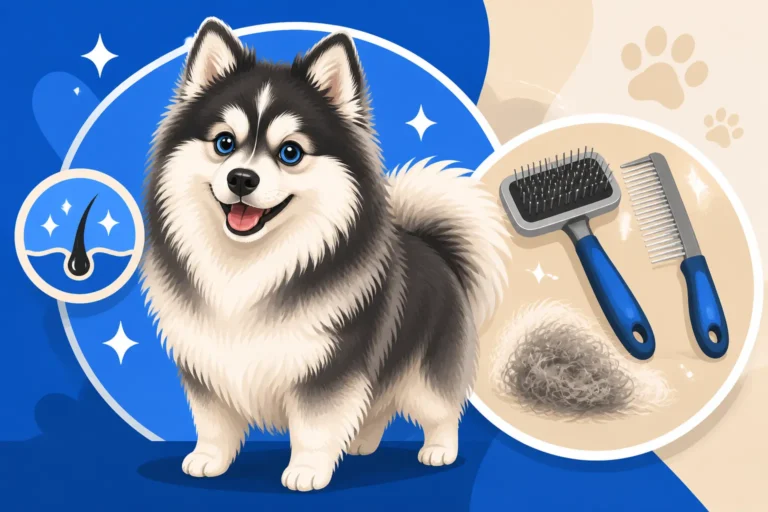
When a Pomsky is "blowing coat," the sheer volume of loose fur, particularly the lighter undercoat, can cling to the longer, darker guard hairs that form the mask. This creates a visually lighter, less contrasted appearance. You might notice clumps of lighter fur making your dog look a bit mottled or dusty, even on their face. Once the coat blow is complete and the new coat grows in, you might find the mask appears more defined again, or it might have subtly changed in intensity due to the new growth. Regular grooming, especially with tools like The Undercoat Rake a Pomsky Owner Lives With, can help manage this loose fur and give a clearer picture of their true coat pattern.
Sun Exposure and Pigment Changes
Just like our hair can lighten in the sun, a Pomsky’s coat pigment, particularly in their mask areas, can be affected by prolonged sun exposure. UV rays can break down the melanin (the pigment responsible for color) in their fur, causing it to appear faded, bleached, or even reddish over time. If your Pomsky spends a lot of time outdoors, especially during peak sunny hours, you might notice their darker mask areas developing a softer, more sun-kissed look.
This isn't necessarily a permanent genetic change but rather a superficial alteration to the hair shafts themselves. It’s more noticeable on darker coats because the contrast is starker, but it can happen to any colored fur. It’s an environmental factor that literally lightens the hair, making the mask less vibrant. This is why some dogs might appear to have a more faded mask in the summer months and then regain some intensity as the days shorten and new, un-bleached fur grows in. Signs a Pomsky Has Had Too Much Sun can include lethargy or excessive panting, but coat lightening is a subtle, cumulative effect.
Nutritional Factors and General Coat Health
A Pomsky's diet plays a crucial role in the overall health and vibrancy of their coat, which can indirectly affect the appearance of their mask. A diet lacking essential nutrients, particularly specific fatty acids, vitamins, and minerals, can lead to a dull, brittle, or less richly pigmented coat. If your Pomsky isn't getting a balanced diet, their fur might not be as vibrant or deeply colored as it could be, making any existing mask appear less striking.
For instance, omega-3 and omega-6 fatty acids are vital for skin and coat health, contributing to a shiny, strong coat. Zinc is another mineral directly linked to skin and hair pigment. If a Pomsky has a zinc deficiency, their coat might appear dull or even develop crusting around the eyes and nose, which could certainly impact the look of their facial markings. Many high-quality dog foods, available from retailers like Chewy or specialized fresh food services like Ollie, are formulated to provide these essential nutrients. However, if you suspect a deficiency, it’s always best to consult your vet. They might recommend specific supplements or dietary changes to ensure your Pomsky is getting everything they need. Whether a Pomsky Needs Extra Zinc is a valid question for many owners, especially if they notice issues with skin or coat quality.
What You Can Expect from Your Pomsky's Mask
Understanding that change is a natural part of a Pomsky's development and life cycle can help manage expectations. That adorable, sharply defined puppy mask might evolve, but that doesn’t mean it disappears entirely or that your dog is any less beautiful.
Variability in Mask Fading
It's crucial to remember that every Pomsky is an individual, and the degree to which their mask changes or fades is highly variable. You might see two littermates with identical-looking masks as puppies, and one grows up with a slightly softened but still prominent mask, while the other's mask almost completely blends into their overall facial color. This variability is due to the complex interplay of their Husky and Pomeranian genetics, environmental factors, and even their specific The Three Pomsky Coat Types.
A "wooly" coated Pomsky, for instance, might have such dense and fluffy fur that their mask appears softer simply because the hair is longer and less sleek. A "standard" coat, which is often shorter and smoother, might hold a mask with more definition. There's no single "correct" trajectory for a Pomsky's mask; it's part of their unique charm. Some owners even report that their Pomsky's mask seems to darken or re-emerge subtly with age, while others see a consistent lightening. It's a journey, not a static picture.
Permanent Changes vs. Temporary Appearance
It's important to distinguish between a truly "faded" mask and a temporarily "less visible" one.
- Permanent Changes (Genetic): Some fading is due to genetic programming. As a puppy matures, the genes that control pigment distribution and intensity continue to express themselves. What looked like a strong mask at 8 weeks might simply be part of a larger genetic plan for a lighter adult facial pattern. This type of fading is inherent and not something you can change through diet or grooming. It's simply how your specific Pomsky's coat matures. Whether a Pomsky's Coat Gets Thicker With Age also plays into this, as a denser, thicker coat can change how patterns are perceived.
- Temporary Appearance (Environmental/Seasonal): Much of what owners perceive as fading is actually temporary. Sun bleaching, seasonal coat blows, and even nutritional deficiencies can all make a mask appear less prominent. In these cases, the underlying genetic potential for the mask is still there, but external factors are making it less obvious. By addressing these factors (e.g., providing shade, consistent grooming, good nutrition), you might see the mask regain some of its intensity.
It’s often a combination of both. Your Pomsky's mask might genetically soften as they age, and then environmental factors like sun exposure or shedding periods further diminish its appearance. The main takeaway is that a changing mask is a normal part of having a Pomsky.
Caring for Your Pomsky's Coat to Maintain Mask Vibrancy
While you can't fundamentally alter your Pomsky's genetic blueprint for mask pigment, you can certainly support their overall coat health to ensure their mask (and the rest of their beautiful fur) looks its very best. A healthy coat is a vibrant coat, and that means their mask will be as defined as their genetics allow.
Consistent Grooming Practices
Regular and thorough grooming is paramount for any double-coated breed like the Pomsky, and it directly impacts how their mask appears. During those heavy seasonal coat blows, shedding undercoat can dramatically obscure facial markings. Consistent brushing helps remove dead hair, prevents matting, and allows the true colors and patterns of their guard hairs to shine through.
- Daily Brushing: A few minutes of daily brushing, especially around the face, neck, and behind the ears, can make a huge difference. Use an undercoat rake and a slicker brush, both readily available on Amazon, to get deep into the coat without irritating their skin.
- De-shedding: During intense shedding seasons, incorporate more frequent and thorough de-shedding sessions. A high-velocity dryer can also be incredibly effective at blowing out loose undercoat, which can instantly make the mask appear clearer. While How Often a Pomsky Should Be Bathed is something to discuss with your vet or groomer, a good bath and thorough dry can also help loosen and remove dead hair.
- Avoid Shaving: Seriously, never shave a double-coated dog like a Pomsky. Whether Shaving a Pomsky Damages the Coat is a definite "yes." Shaving can permanently damage their coat's ability to regulate temperature and often leads to improper regrowth, where the undercoat dominates and guard hairs don't grow back correctly, potentially altering all coat patterns, including the mask.
Sun Protection Strategies
If you notice your Pomsky's mask lightening due to sun exposure, there are steps you can take to protect their coat:
- Limit Peak Sun Exposure: Try to walk your Pomsky during cooler, less sunny times of the day, such as early morning or late evening.
- Provide Shade: When outdoors, ensure your Pomsky always has access to shade. A shady spot in the yard or a large umbrella can make a difference.
- Canine Sun Shirts: Believe it or not, there are lightweight, UV-protective shirts designed for dogs. While they might seem a bit much, for dogs prone to sun bleaching or sunburn (especially on areas with thinner hair), they can be effective.
- Sunscreen (Dog-Specific): For very short-haired or sensitive areas, your vet might recommend a dog-safe sunscreen. Never use human sunscreen, as many ingredients are toxic to dogs if ingested. Focus on the nose and ear tips, which are more vulnerable, rather than trying to cover the entire mask area.
Optimal Nutrition for a Healthy Coat
A healthy coat starts from the inside out. Providing your Pomsky with a high-quality, balanced diet is fundamental to maintaining not just their mask's vibrancy but their overall health.
- High-Quality Protein: Ensure their food has a good source of animal protein as the first ingredient. Protein is the building block for hair.
- Essential Fatty Acids: Look for foods rich in omega-3 and omega-6 fatty acids. These can often be found in fish oils (like salmon oil) or flaxseed. These fats are crucial for skin barrier function and producing a shiny, healthy coat. Many premium kibbles found on Chewy incorporate these, or you can supplement with a fresh food diet from a brand like Ollie. Feeding a Twenty Pound Pomsky adequately with proper nutrition is key.
- Vitamins and Minerals: A complete and balanced diet should provide all the necessary vitamins and minerals. Zinc, as mentioned, is particularly important for pigment.
- Consult Your Vet: If you're concerned about your Pomsky's coat quality or suspect a nutritional deficiency, your veterinarian is the best resource. They can assess their diet, perform blood tests if necessary, and recommend appropriate supplements or dietary changes. Never add supplements without professional advice, as too much of certain nutrients can be harmful.
Here’s a quick overview of factors impacting your Pomsky's mask:
| Factor | Description | Impact on Mask Appearance |
|---|---|---|
| Age | Transition from puppy coat to adult coat, maturity. | Can soften, lighten, or subtly change definition due to new hair growth/texture. |
| Season | Seasonal shedding (coat blows) in spring and fall. | Loose undercoat can obscure and lighten the mask, making it less distinct. |
| Sun Exposure | Prolonged exposure to UV rays. | Can bleach hair shafts, causing darker mask areas to lighten or appear reddish. |
| Diet | Quality of nutrition, presence of essential fatty acids, vitamins, minerals. | Poor diet can lead to dull, less richly pigmented fur, reducing mask vibrancy. |
| Genetics | Inherited traits from Husky and Pomeranian parents. | Determines the inherent potential for mask presence, pattern, and pigment intensity. |
| Grooming | Regular brushing, de-shedding practices. | Helps remove loose hair, allowing the true mask pattern to be more visible and defined. |
Ultimately, a fading mask is usually a completely normal part of your Pomsky's life and development. Embrace the unique changes, ensure they are healthy and well-cared for, and continue to adore that beautiful, evolving face. The Colors and Masks a Pomsky Comes In are incredibly diverse, and your dog’s specific journey is part of what makes them special.
Disclaimer
This article is for general informational purposes only and does not constitute professional advice. Laws, prices and regulations vary by location and change over time. Consult a qualified professional for guidance on your specific situation.