Whether a Deshedding Blade Cuts a Pomsky’s Guard Hairs
One of the biggest anxieties for a Pomsky parent is maintaining that magnificent double coat without accidentally damaging it. You worry about keeping shedding under control, especially during those infamous "blowout" seasons, but also about protecting the guard hairs that give your Pomsky their beautiful, distinctive look. This guide will dive deep into whether deshedding blades pose a risk to your Pomsky's precious outer coat and how to navigate grooming safely and effectively.
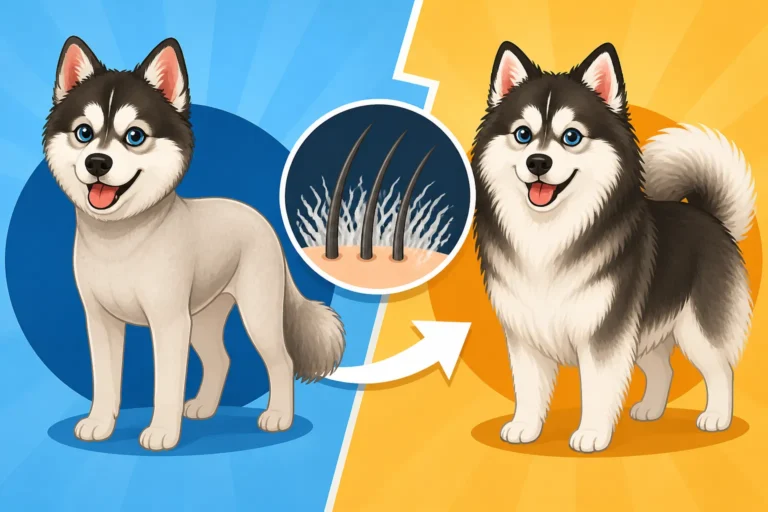
Understanding the Pomsky's Double Coat
Before we even touch on tools, it's crucial to truly understand the incredible coat your Pomsky sports. It's not just hair; it's a complex, two-layered system that serves vital functions, inherited from both the Husky and the Pomeranian. Misunderstanding this can lead to well-intentioned but damaging grooming practices.
The Guard Hairs and Undercoat in Detail
Think of your Pomsky's coat as having two distinct types of hair, each with its own job.
The guard hairs are the longer, coarser, and often stiffer hairs that form the outermost layer. These are the hairs that give your Pomsky their color, pattern, and overall sleek appearance. They're designed to be water-resistant, protecting the dog from rain, snow, and even UV rays. They stand out, creating a barrier against external elements. If you look closely at your Pomsky, especially after they've been brushed, these are the hairs that lie smoothly over the top, defining their silhouette. They're strong and resilient, but not indestructible. Damage to these guard hairs can impact both the aesthetic and protective qualities of the coat.
Beneath this protective layer lies the undercoat. This is the soft, dense, fluffy layer that's often much lighter in color, or sometimes even a different shade entirely. The undercoat is all about insulation. In winter, it traps warm air close to the body, keeping your Pomsky toasty. In summer, it helps to regulate body temperature by preventing excessive heat absorption and allowing air circulation when shed out properly. This is the layer that sheds profusely, especially during seasonal changes, and it's the primary target of most deshedding efforts. When you feel like you're drowning in Pomsky fur, it's usually this undercoat that's coming out in droves. Managing this undercoat is key to keeping your Pomsky comfortable and your home cleaner.
Why This Double Layer Is So Special
This dual-layer system is a marvel of natural engineering, perfectly adapted for the varied climates that their ancestral breeds, the Siberian Husky and Pomeranian, originated from. The guard hairs are like a built-in raincoat and sunscreen, repelling moisture and blocking harmful UV rays from reaching the skin. They also provide a first line of defense against thorns, scratches, and insect bites. Without healthy guard hairs, your Pomsky's skin becomes far more vulnerable. You might notice your Pomsky will get hot spots, or their skin crusts around the eyes, if this protective layer isn't doing its job.
The undercoat, meanwhile, is the climate control system. It's incredibly efficient at trapping air, providing insulation in cold weather. In warmer weather, as your Pomsky "blows their coat," this loose undercoat needs to be removed. If it isn't, it can become matted and compacted, preventing air from circulating against the skin. This can lead to overheating, skin irritations, and even infection. It’s why you'll often hear us talk about The Pomsky That Carries a Husky Coat at Twenty Pounds and the importance of its care. Understanding how these layers work together is fundamental to proper grooming; it's not just about aesthetics, but about health and comfort.
The Mechanics of Deshedding Blades (aka "Stripping Tools")
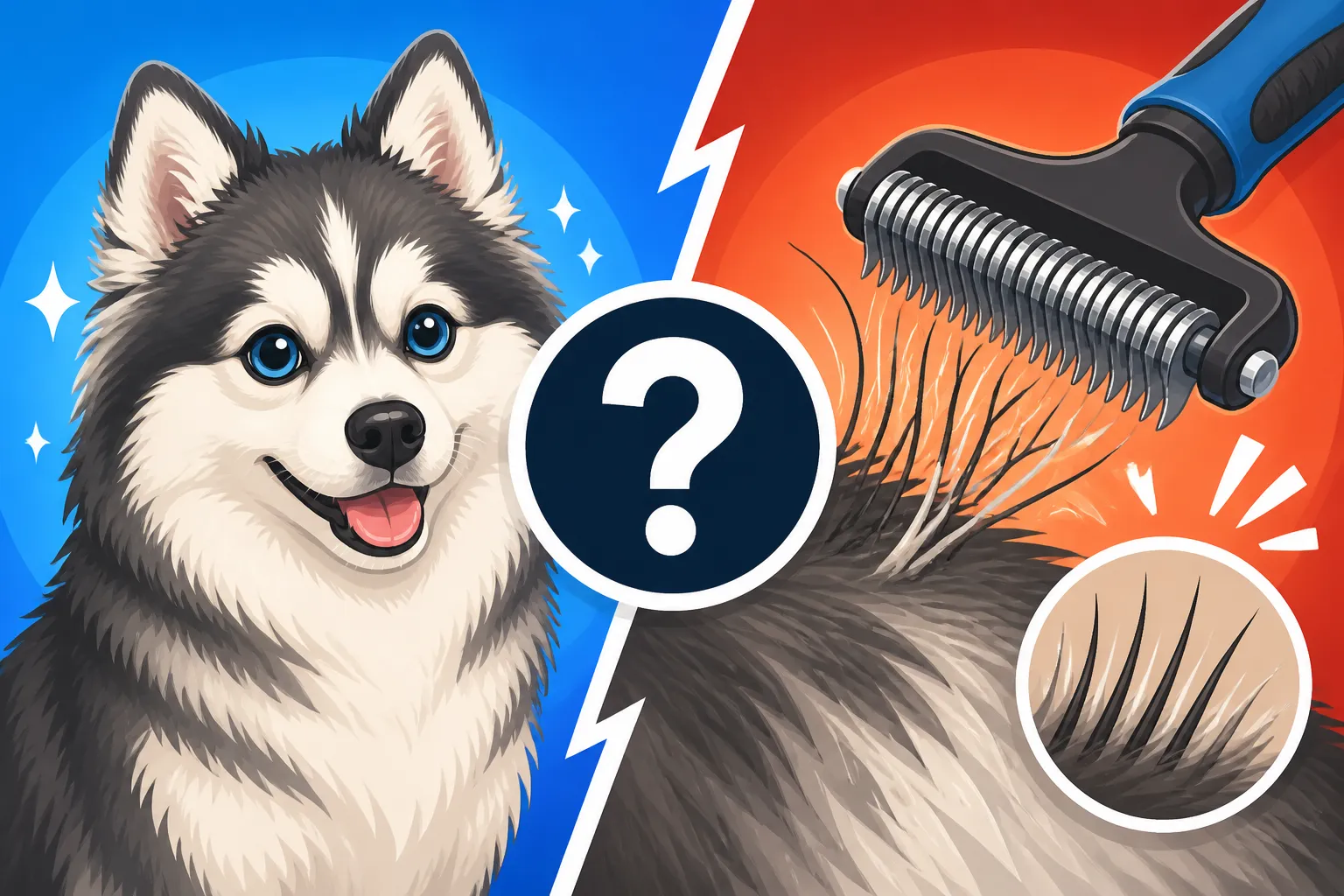
The term "deshedding blade" can sometimes be a bit of a misnomer, or at least lead to confusion. Many people immediately think of tools like the Furminator, which are incredibly popular but also frequently misused. These tools are designed with fine, comb-like teeth that aim to reach through the guard coat and pull out the loose undercoat. The problem lies in the word "blade" and how it implies cutting, which is exactly what we want to avoid for guard hairs.
How Deshedding Blades Are Designed to Work
These tools are generally designed with a series of very short, closely spaced teeth, sometimes with a bladed edge or a serrated pattern. The idea is that these teeth will penetrate the outer layer of guard hairs and "grab" only the dead, loose undercoat as you pull the tool through the coat. When used correctly, with light pressure and in the direction of hair growth, they can be quite effective at removing large quantities of shed undercoat, especially during peak shedding periods. The marketing often highlights how much hair they remove, which can be very appealing when your home is covered in a fine layer of Pomsky fluff.
The mechanism is supposed to mimic a natural shedding process, pulling out hairs that are already detached from the follicle but trapped within the coat. It's meant to be a non-cutting action on the guard hairs. However, this is where technique and coat type become critically important. For certain coat types, and with specific techniques, these tools can indeed be beneficial for undercoat removal. But the Pomsky's unique double coat, with its dense undercoat and fine, protective guard hairs, presents a particular challenge.
The Risk to Guard Hairs
Here's the rub: while deshedding blades are designed to target only the undercoat, in practice, it's incredibly easy for them to inadvertently cut or damage the guard hairs. This happens for a few reasons:
- Over-Aggressive Use: Applying too much pressure, going too fast, or using the tool repeatedly over the same spot can cause the bladed edges to snag and cut the guard hairs. Owners, frustrated by the sheer volume of shedding, might press harder or comb more vigorously, unknowingly damaging the very coat they're trying to maintain.
- Improper Angle: The angle at which you hold the tool matters. If held incorrectly, the teeth might not penetrate the undercoat effectively and instead graze or cut the guard hairs.
- Coat Type Variations: While Pomskies all have double coats, the exact texture and density can vary greatly between individuals, even within the same litter. Some Pomskies might have softer guard hairs, making them more susceptible to damage from these tools. The Three Pomsky Coat Types also play a role here; a wooly coat might react differently than a standard or short coat.
- Tangled Undercoat: If the undercoat is already matted or tangled, a deshedding blade can pull and tear both the undercoat and the guard hairs, causing pain and damage. This is why pre-brushing with a different tool is always advised.
When guard hairs are cut, they don't just grow back the same way. They can become brittle, coarse, and prone to breakage. This alters the coat's texture, making it feel rougher and look duller. More importantly, it compromises the coat's natural protective functions, leaving your Pomsky more vulnerable to sunburn, skin irritation, and even making them feel colder in winter or hotter in summer because the natural insulation system is disrupted. Many a Pomsky owner has discovered this the hard way, wishing they had known the potential harm.
Recognizing a Damaged Coat
It's not always immediately obvious that guard hairs have been damaged, especially if the cutting is subtle. However, over time, certain signs will become clear.
Firstly, feel your Pomsky's coat. Healthy guard hairs should feel relatively smooth and resilient. If you've been using a deshedding blade aggressively and notice the coat feels coarser, rougher, or even a bit "fuzzy" on the surface, that's a red flag. The smooth, sleek texture will be replaced by a more uneven, sometimes straw-like feel.
Visually, you might see small, uneven hairs poking out, particularly along the back and flanks. This is often where guard hairs have been cut short, creating a choppy appearance rather than the natural, flowing lines of a healthy double coat. The coat might also appear duller, losing its natural sheen, as the light doesn't reflect off broken hairs as well as intact ones. Another tell-tale sign is increased shedding, surprisingly. When guard hairs are damaged, they can become weak and break off more easily, contributing to more hair around the house, which ironically, is what you were trying to prevent.
In severe cases, you might even notice thinning patches where guard hairs have been repeatedly cut or broken. This can be particularly concerning because it leaves the skin exposed and vulnerable. It's a frustrating situation to be in, realizing that a tool meant to help your Pomsky's coat might have actually harmed it. This is similar to the issue some owners face after a full shave, leading to Whether a Pomsky's Coat Comes Back After a Shave, where the texture and regrowth can be unpredictable and undesirable.
Proper Deshedding Techniques for Your Pomsky
So, if deshedding blades carry risks, what's a conscientious Pomsky owner to do? The good news is that there are much safer and more effective ways to manage your Pomsky's coat, focusing on preservation rather than aggressive removal.
Choosing the Right Tools
The key is to select tools that are designed to remove loose undercoat without cutting or breaking the guard hairs. Here are some essentials for your grooming kit:
- Undercoat Rakes: These are fantastic for Pomskies. An undercoat rake has widely spaced, blunt teeth that are designed to penetrate the topcoat and gently pull out loose undercoat without snagging the guard hairs. Look for one with rotating teeth, as these are even gentler. You can find excellent options on Chewy or Amazon.
- Slicker Brushes: A good quality slicker brush can help detangle and remove some loose undercoat and surface debris. Use it gently, focusing on removing small tangles and lifting loose hair.
- Pin Brushes: Ideal for daily brushing to keep the topcoat smooth and free of debris, and to help stimulate the skin.
- High-Velocity Force Dryer: This is arguably the most effective tool for managing a Pomsky's coat, especially during a "blowout." A force dryer literally blows the loose undercoat out of the coat with a powerful stream of air. It's non-contact, won't cut anything, and is incredibly efficient. It also helps to prevent matting and keeps the skin healthy by ensuring it's thoroughly dry after baths. Getting a Pomsky Used to a Force Dryer is an important step in your grooming routine.
You'll quickly find that The Undercoat Rake a Pomsky Owner Lives With is no exaggeration! These tools, used correctly, will be your best friends in the battle against shedding.
Gentle and Effective Deshedding Steps
Here's a routine that prioritizes your Pomsky's coat health while effectively managing shedding:
- Start with Detangling: Before any deshedding, always go through your Pomsky's coat with a pin brush or a wide-toothed comb to ensure there are no mats or tangles. Trying to use a rake or deshedding tool on matted fur will only cause pain and damage. Pay special attention to areas behind the ears, under the legs, and around the tail, as these are common matting spots.
- Use an Undercoat Rake: Once detangled, use your undercoat rake. Work in small sections, always brushing in the direction of hair growth. Use short, light strokes, lifting the rake away from the coat after each stroke to pull out the loose undercoat. You'll be amazed at how much hair comes out safely. Be patient and systematic.
- The Deshedding Bath (Optional but Recommended): A warm bath with a good quality deshedding shampoo and conditioner can work wonders. The warm water helps to loosen dead hair follicles, and the conditioner can make the undercoat easier to release. Make sure to rinse thoroughly to prevent skin irritation.
- Force Drying is Your Secret Weapon: After the bath, or even between baths, use a high-velocity force dryer. This is where you'll see the most dramatic results. The powerful air stream physically pushes the loose undercoat out of the coat. Work in sections, ensuring the skin is completely dry and the undercoat is fluffy and free. This process is far more effective and safer than any blade for removing shed hair. This is particularly useful when a Pomsky blows its coat which typically happens twice a year.
- Finish with a Slicker Brush: After force drying, a final pass with a slicker brush can smooth the topcoat and catch any remaining loose hairs.
Remember, consistency is key. Regular brushing, especially during shedding seasons, will keep the undercoat manageable and prevent matting, reducing the need for aggressive tools.
When to Seek Professional Help
There are times when even the most dedicated home groomer needs a professional touch. Don't feel ashamed; Pomsky coats are challenging!
- Severe Matting: If your Pomsky has developed severe mats, particularly close to the skin, a professional groomer is your best bet. They have the right tools and expertise to safely remove mats without hurting your dog. Attempting to cut out tight mats at home can easily lead to accidental nicks or cuts on the skin.
- Overwhelming Shedding: During heavy shedding periods, if you feel overwhelmed by the sheer volume of hair, a professional deshedding service can be invaluable. They have industrial-strength force dryers and specialized techniques to quickly and efficiently remove large amounts of undercoat. It's often worth the cost to get a clean slate, especially if a deshedding bath is worth it for a Pomsky.
- Coat Damage Concerns: If you suspect your Pomsky's guard hairs have been damaged, or you're unsure if a tool is safe, consult a professional groomer. They can assess the coat condition and recommend specific strategies or products to help restore its health. They can also demonstrate proper techniques for your specific Pomsky's coat type.
- Fear or Discomfort with Grooming: If your Pomsky is particularly anxious or resistant to grooming, a professional can often work wonders with their experience and specialized setups. Early positive experiences with a groomer can also help establish a good routine for your dog.
A good professional groomer understands double coats and will prioritize techniques that preserve the integrity of your Pomsky's natural insulation and protection. They won't shave your Pomsky unless medically necessary and will guide you on the best home care practices.
Long-Term Coat Health and Maintenance
Caring for your Pomsky's coat goes far beyond just brushing. It's a holistic approach that involves nutrition, lifestyle, and consistent attention to detail. Think of it as investing in their overall well-being, which directly translates to a healthy, beautiful coat.
Beyond Brushing: Nutrition and Skin Health
What your Pomsky eats directly impacts the quality of their skin and coat. A diet rich in high-quality protein, essential fatty acids (like Omega-3 and Omega-6), and vitamins can make a world of difference.
- Quality Food: Look for dog foods where meat is the first ingredient, and that avoid excessive fillers. Brands like Ollie focus on fresh, human-grade ingredients that can significantly improve skin and coat health, often leading to less dry skin and a shinier coat. Even if you feed kibble, ensure it's a reputable brand known for its nutritional value. A dull, dry, or excessively flaky coat can sometimes be a sign that something is lacking in their diet.
- Supplements: Consider adding fish oil (Omega-3 fatty acids) to your Pomsky's diet, especially if their coat seems dry or they have flaky skin. These fatty acids are crucial for skin barrier function and can contribute to a lustrous coat. Biotin and zinc supplements can also be beneficial, particularly if your Pomsky shows signs of Zinc Responsive Dermatosis in a Pomsky or other skin issues. Always consult your vet before adding any supplements to ensure they are appropriate for your dog's specific needs and don't interact with any existing medications.
- Hydration: Just like humans, dogs need plenty of fresh water for healthy skin and coat. Ensure your Pomsky always has access to clean, fresh water.
- Regular Vet Check-ups: Sometimes, coat issues can be a sign of underlying health problems like thyroid issues (Signs a Pomsky's Thyroid Has Failed), allergies (Whether a Pomsky Gets Allergies), or parasites. Regular vet check-ups are important to catch any potential health concerns early. Your vet can advise on the best dietary and supplement strategies for your individual Pomsky.
Remember, a healthy coat starts from within. Good nutrition provides the building blocks for strong guard hairs and a dense, healthy undercoat, making grooming much easier in the long run.
Seasonal Shedding and Management
The "blowing coat" phenomenon is a rite of passage for Pomsky owners, typically happening twice a year, in spring and fall. This is when your Pomsky sheds their entire undercoat to prepare for the upcoming season. It’s an intense period, and it will challenge your patience and your vacuum cleaner.
During these times, your regular grooming routine needs to step up a notch. Daily brushing with an undercoat rake becomes almost essential. It's not about preventing the shedding – that's a natural process – but about managing it efficiently to keep your dog comfortable and your home livable.
- Increase Brushing Frequency: Instead of two or three times a week, aim for daily brushing sessions during a blowout. Even short 10-15 minute sessions can remove a surprising amount of loose hair.
- Utilize Force Drying: As mentioned, the force dryer is your best friend here. A weekly or bi-weekly force drying session during a blowout can significantly reduce the amount of loose hair floating around your house. Many groomers offer "bath and blow-out" services specifically for this purpose if you don't own a dryer yourself.
- Be Patient: This period can last for several weeks. It's messy, but it's temporary. Consistent effort will get you through it.
- Avoid Shaving: It cannot be stressed enough: do not shave your Pomsky in an attempt to "stop" the shedding or "cool them down." This severely damages their double coat, often leading to uneven regrowth, permanent texture changes, and compromising their natural insulation, making them less able to regulate their temperature. Why a Pomsky Must Never Be Shaved is a crucial lesson for every owner.
By understanding your Pomsky's coat and employing the right tools and techniques, you can ensure they stay comfortable, healthy, and looking their best, guard hairs intact!
Comparing Deshedding Tools for Your Pomsky
Choosing the right tool is paramount for maintaining your Pomsky's double coat. Here's a quick comparison of common deshedding tools and their suitability:
| Tool Type | Primary Function | Pros | Cons | Suitability for Pomskies |
|---|---|---|---|---|
| Undercoat Rake | Removes loose undercoat from deep within the coat. | Excellent for removing large amounts of shed undercoat; safe for guard hairs. | Requires patience and systematic use; may not remove very fine loose hairs. | Highly Recommended |
| Slicker Brush | Detangles, removes surface mats, smooths topcoat. | Good for general grooming and finishing; gentle on most coats. | Can be harsh if used too aggressively; not ideal for deep undercoat removal alone. | Recommended for detangling and finishing |
| Pin Brush | Daily brushing, removes loose surface hair, distributes oils. | Gentle for regular maintenance; good for checking for tangles. | Limited effectiveness for heavy undercoat removal. | Recommended for daily maintenance |
| High-Velocity Force Dryer | Physically blows loose undercoat out, dries coat quickly. | Most effective for rapid undercoat removal; prevents matting; no cutting. | Requires training for dog to accept noise/air; initial cost for the dryer. | Highly Recommended (especially during blowouts) |
| Deshedding Blade (e.g., Furminator-style) | Designed to pull out loose undercoat. | Can remove a lot of hair quickly. | High risk of cutting or damaging guard hairs; can cause coat texture changes. | Use with extreme caution, or avoid |
Disclaimer
This article is for general informational purposes only and does not constitute professional advice. Laws, prices and regulations vary by location and change over time. Consult a qualified professional for guidance on your specific situation.