How Often a Pomsky’s Nails Need Cutting
One of the trickiest parts of owning a Pomsky, beyond their glorious double coat, is getting a handle on their nail care. Many new Pomsky parents find themselves completely bewildered by how quickly those little claws grow, and the thought of clipping them can be downright terrifying. This guide is here to walk you through everything you need to know about keeping your Pomsky's nails healthy, comfortable, and at the perfect length, removing the mystery and dread from a vital part of their routine care.
The Undeniable Importance of Regular Pomsky Nail Care
Let's be honest, nail trims often fall to the bottom of the grooming list for many dog owners. We focus on brushing out that gorgeous Pomsky fluff, maybe a bath, but those nails? They're out of sight, out of mind, until you start hearing that tell-tale clicking on your hardwood floors. But neglecting your Pomsky's nails isn't just an aesthetic issue; it's a profound health and comfort concern that can lead to significant problems down the line.
Why Long Nails Are a Big Deal for Your Pomsky's Health
Imagine wearing shoes that are too small, forcing your toes back into an unnatural position with every step. That's essentially what long nails do to your Pomsky. When a dog's nails grow too long, they push back into the nail bed, changing the angle of their toes. This seemingly small shift can put immense pressure on their foot joints, leading to discomfort and even pain over time. Your Pomsky might start to compensate by changing their gait, walking differently to avoid pressure on their sensitive quicks, which then transfers stress to other joints, like their ankles, knees, and even hips.
Over months and years, this constant strain can contribute to or worsen conditions like arthritis, especially as your Pomsky ages. It's not uncommon to see older dogs struggling with mobility, and while age plays a role, decades of improperly managed nails can certainly exacerbate joint pain and stiffness. Think about your active Pomsky, bouncing around the house or joining you for a hike. Every jump, every sprint, every sudden stop becomes a little more jarring when their nails are too long, impacting their quality of life and potentially shortening their comfortable, active years.
The Risk of Ingrown Nails and Infections
Beyond joint issues, excessively long nails can curve and grow into the paw pad itself. This is incredibly painful and creates an open wound, an invitation for bacterial infections. Picture your Pomsky romping through the park, picking up dirt and debris; if a nail has grown into their pad, all that grime has a direct route into their bloodstream. These infections can become quite serious, requiring veterinary attention, antibiotics, and sometimes even surgical removal of the ingrown portion.
And let's not forget the sheer discomfort. A Pomsky with an ingrown nail might limp, refuse to put weight on a paw, or constantly lick at the affected area. This obsessive licking can further irritate the skin, creating hot spots that are yet another secondary infection waiting to happen. It's a cascading problem that all starts with a nail that simply grew too long. Keeping those nails trimmed is a preventative measure that saves your Pomsky from pain and you from hefty vet bills down the road.
Factors Influencing How Often Your Pomsky's Nails Need Cutting
There's no one-size-fits-all answer to "how often?" because every Pomsky is an individual, and their lifestyle plays a huge role. Understanding these factors will help you gauge the right frequency for your furry companion.
Activity Level and Surface Type
This is perhaps the biggest determinant. Think of a Pomsky who spends a lot of time on soft surfaces – plush carpets, grassy yards, or even a nice, soft dog bed. These surfaces offer very little natural abrasion for their nails, meaning those claws will grow longer, faster. This Pomsky will likely need more frequent trims, perhaps every 2-3 weeks, to keep their nails in check.
On the flip side, a Pomsky who is an avid adventurer, regularly walking on concrete sidewalks, asphalt trails, or rough terrain, will naturally wear down their nails. The constant friction acts like a slow, continuous file. For these active dogs, you might find you can stretch out the time between professional trims to 4-6 weeks, or even longer, as long as you're monitoring them closely. If your Pomsky gets a lot of outdoor exercise, especially on pavement, it's worth noting that their nails might self-trim quite effectively. However, even with ample outdoor time, the dewclaws (those nails higher up on the inside of their legs that don't touch the ground) will still need regular attention, as they don't get any natural wear. Regular vigorous The Exercise a Pomsky Needs Every Day can contribute to healthy nail wear.
Genetics and Nail Growth Rate
Just like humans, some dogs simply have faster-growing nails than others. This is often a genetic predisposition. You might have two Pomskies from the same litter, eating the same food and getting similar exercise, yet one's nails seem to sprout overnight while the other's grow at a more leisurely pace. This is where observation is key. Get to know your individual Pomsky's growth rate. A breeder might be able to give you some insight into the nail growth tendencies of their lines, but ultimately, it's about watching your own dog.
Some Pomskies also inherit darker nails from their Husky side, which can make locating the quick (the sensitive pink part containing blood vessels and nerves) more challenging. This isn't a factor in how often they need cutting, but it certainly impacts the ease of cutting and might lead you to seek professional help more frequently if you're uncomfortable doing it yourself.
Diet and Overall Health
While less direct than activity, a balanced diet plays a supporting role in overall nail health. Dogs on a high-quality, nutrient-rich diet tend to have stronger, healthier nails that are less prone to splitting or becoming brittle. While a specific diet won't magically slow down nail growth, it does ensure the nails themselves are robust. If you notice your Pomsky's nails seem unusually brittle or are breaking easily, it might be worth a chat with your vet about their diet.
Hydration also subtly contributes to nail health. A well-hydrated dog will generally have healthier skin, coat, and nails. While it's not a primary driver of growth rate, it's part of the holistic picture of good health that supports all bodily functions, including healthy nail production. For quality nutrition, many owners explore options available on platforms like Chewy or look into fresh food options like Ollie, ensuring their Pomsky gets everything they need.
Recognizing When Your Pomsky's Nails Are Too Long
It's not always obvious when those nails have crossed the line from "just right" to "too long." Knowing the signs can help you maintain a consistent trimming schedule and prevent discomfort for your Pomsky.
The Click-Clack Test on Hard Floors
This is the classic indicator, and it’s usually the first sign most owners notice. If you hear a distinct "click-clack, click-clack" sound every time your Pomsky walks across your hardwood, tile, or laminate floors, their nails are too long. Ideally, when your dog is standing normally on a flat surface, their nails should not be touching the ground at all. They should hover just above the surface.
When the nails touch the ground, it pushes them back into the nail bed, creating that uncomfortable pressure we talked about earlier. This isn't just about noise; it's about the physical mechanics of their paw. The goal is for the paw pads to bear the weight, not the nails. If you're hearing the clicking, it's definitely time for a trim, and probably a sign you need to increase the frequency of your grooming routine.
Splayed Toes and Altered Gait
Take a good look at your Pomsky's paws when they are standing naturally. Are their toes spreading out more than usual, looking somewhat splayed? Long nails can force the toes to spread apart, which puts unnatural stress on the ligaments and tendons within the paw. This splaying isn't just visual; it's an indication of internal discomfort and potential long-term damage to the paw structure.
You might also notice a subtle change in their walk. A Pomsky with long nails might walk more gingerly, shift their weight, or even appear to be walking on the backs of their paws rather than planting their pads firmly. They might be trying to avoid putting pressure on the quick, which can be sensitive when overgrown. This altered gait can be very subtle at first, almost imperceptible, but it's your dog's way of telling you something isn't right. If you suspect any limping or lameness, it's always best to consult your veterinarian to rule out more serious issues, but don't overlook the possibility that overly long nails could be a contributing factor. For older Pomskies, who might already be prone to Arthritis in a Pomsky at Ten or Slipping Kneecaps in a Pomsky, long nails can significantly worsen their comfort and mobility.
Visual Inspection of Nail Length
The simplest method is a visual check. With your Pomsky standing on a flat, firm surface, observe their nails. Can you easily slide a piece of paper under their nails without it catching? If not, they're too long. The tips of the nails should ideally be flush with the paw pad or just slightly shorter. Remember, dogs have a quick inside each nail, which contains nerves and blood vessels. You want to trim above the quick. On light-colored nails, you can usually see the pink quick. On dark nails, it’s much harder, and often requires trimming tiny bits at a time, looking for a grey or black center that indicates you're nearing the quick.
Don't forget the dewclaws! These are the nails located higher up on the inner side of their front legs (and sometimes hind legs). Since they don't touch the ground, they don't wear down naturally and are especially prone to growing excessively long, curving around, and potentially growing into the leg itself. Always check these during your visual inspection, as they are often overlooked until they become a problem.
Here's a quick guide to assessing your Pomsky's nail length:
| Nail Length Indicator | What it Means | Action Required |
|---|---|---|
| Clicking Sound | Nails are touching the ground with every step. | Immediate trim needed. |
| Splayed Toes | Nails are pushing toes apart, causing discomfort. | Trim immediately and evaluate long-term impact. |
| Nails Touch Ground | When standing, nails make contact with floor. | Trim needed. Aim for nails not touching. |
| Nails Hover | Nails are just above the ground when standing. | Ideal length, maintain current schedule. |
| Paw Pad Flush | Nail tip is even with the paw pad. | Ideal length, maintain current schedule. |
| Curved Dewclaws | Dewclaws are curling, risk of growing into leg. | Immediate trim needed. |
The Nitty-Gritty: How to Trim Your Pomsky's Nails
Alright, let's get down to business. Trimming your Pomsky's nails doesn't have to be a wrestling match or a nerve-wracking experience. With the right tools, a calm approach, and a little patience, you can make it a regular, stress-free part of your routine. And if you're not comfortable, remember that professional groomers or your vet clinic are always there to help.
Essential Tools for a Successful Trim
Before you even think about starting, gather your supplies. Having everything within reach will make the process smoother and less stressful for both you and your Pomsky.
- Nail Clippers: There are generally two types: scissor-style and guillotine-style. Many small to medium dog owners find scissor-style clippers, often resembling human nail clippers but much sturdier, easier to use for Pomsky-sized nails. Ensure they are sharp; dull clippers can crush the nail rather than cut it cleanly, which is painful for your dog. Brands like Safari or Millers Forge are often available on platforms like Amazon or Chewy.
- Nail Grinder (Optional but Recommended): A rotary tool, often referred to as a Dremel, can be a fantastic alternative or a supplement to clippers. Grinders allow you to file down the nail slowly, giving you more control and reducing the risk of cutting the quick. They also create a smoother edge, preventing snags. Many dogs tolerate grinders better than clippers once they get used to the sound and vibration.
- Styptic Powder: This is an absolute must-have. Accidents happen, and even the most experienced groomer can nick the quick. Styptic powder (or cornstarch in a pinch) will quickly stop any bleeding. Have it open and ready before you begin.
- High-Value Treats: Positive reinforcement is your best friend. Have plenty of delicious, tiny treats on hand to reward good behavior and create positive associations with nail trims.
- Comfortable Surface: Choose a non-slip surface where your Pomsky feels secure. A bath mat on the floor or a grooming table with a non-slip surface works well.
Step-by-Step Nail Trimming for the Anxious Pomsky (and Owner!)
Starting with a relaxed Pomsky is half the battle. If your Pomsky is already anxious about their paws, you'll need to go slowly. Teaching a Pomsky to Have Its Nails Done is a process, not a one-time event.
- Preparation is Key: Start with short, positive sessions away from the actual trimming. Just handle their paws, praise them, and give treats. Touch each toe, mimic clipping with your fingers, then reward. Do this daily for a few minutes until they are comfortable with their paws being handled.
- Introduce the Tools: Let your Pomsky sniff the clippers or grinder. Turn the grinder on briefly, let them hear the sound, give a treat, then turn it off. Repeat until they associate the sound with good things. Don't rush this step.
- The Actual Trim (One Nail at a Time):
- Find a comfortable position where you can clearly see the paw. Gently but firmly hold one paw.
- Isolate one toe and push the paw pad up slightly to extend the nail.
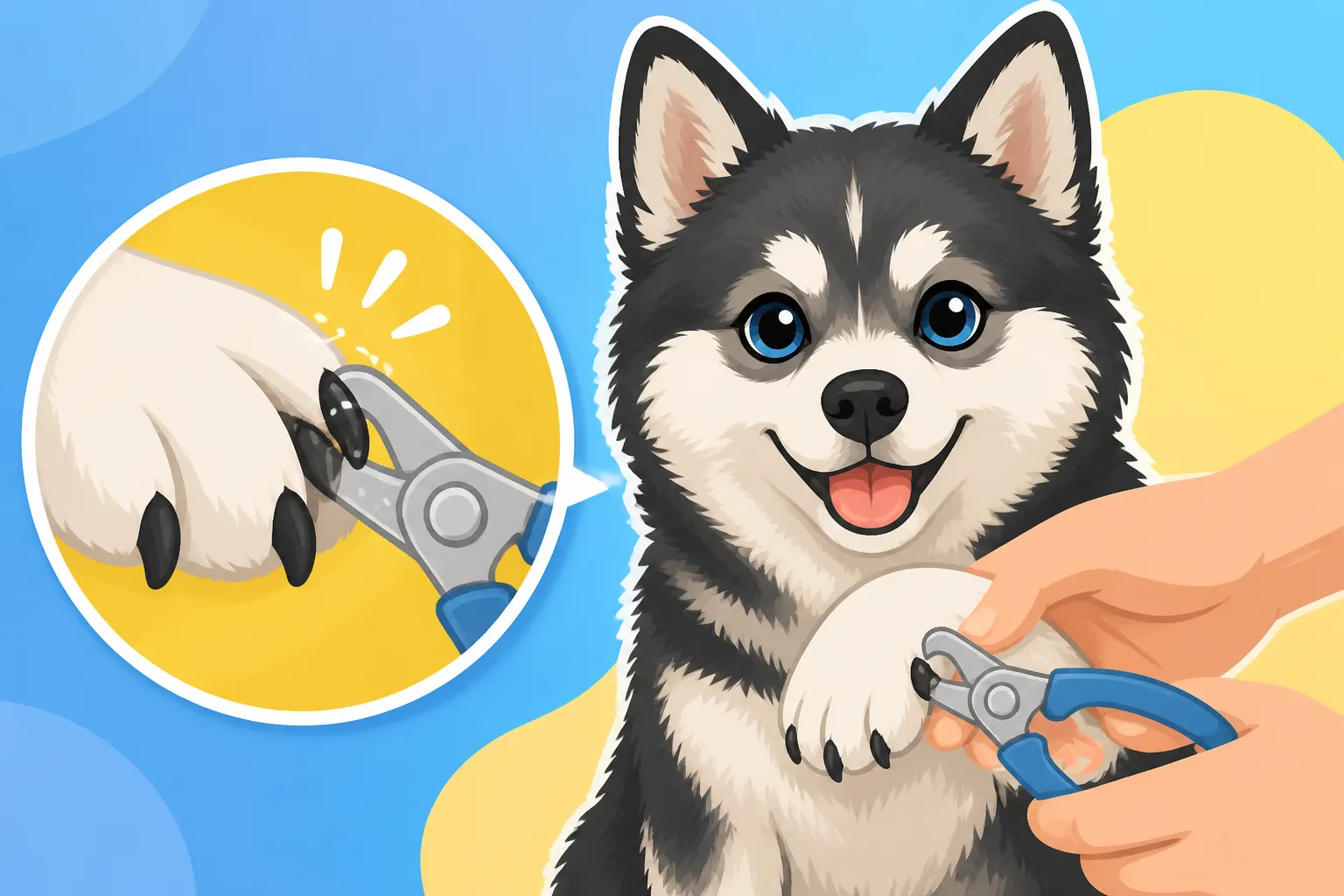
- For clippers: Identify where to cut. On light nails, you'll see the pink quick. Cut just beyond this, at a 45-degree angle, removing only the sharp tip. For dark nails, take off tiny, thin slices. You're looking for a small, grey or black dot in the center of the cut surface. Stop immediately if you see this, or if your dog reacts.
- For grinders: Turn it on (low speed to start). Touch the spinning barrel to the very tip of the nail for only a second or two. Lift, check, and repeat. Grind from the bottom of the nail up to the top, rounding the edges slightly. Don't press hard, and don't stay on one nail too long, as the friction can create heat and discomfort.
- Reward, Reward, Reward: After each nail (or even after a few seconds of grinding), offer praise and a treat. If your Pomsky is stressed, do just one paw, or even one nail, and stop for the day, finishing the rest later or the next day. The goal is positive association.
- Don't Forget the Dewclaws: These are often overgrown and can be painful. They are typically easier to trim as the quick is usually more visible.
- If You Nick the Quick: Don't panic! This happens to everyone. Apply styptic powder directly to the bleeding nail and apply gentle pressure. Reassure your Pomsky and give them a break. Don't scold them; it will only create more fear.
Making Nail Trims a Positive Experience
Building a positive association with nail trims takes time and consistency. It's not about forcing your Pomsky; it's about conditioning them to tolerate and even enjoy the process.
- Consistency is Key: Don't wait until their nails are painfully long. Regular, short sessions are far better than infrequent, traumatic ones. If you manage to do one nail every other day, that's better than trying to do all 20 at once every month.
- High-Value Rewards: Use treats they absolutely adore. Cheese, cooked chicken, peanut butter (xylitol-free!), or even a lick mat smeared with something tasty can distract them and make the experience enjoyable.
- Calm Energy: Dogs pick up on our emotions. If you're stressed and anxious, your Pomsky will be too. Take a deep breath, speak in a calm, soothing voice, and project confidence.
- Practice Handling: Even outside of trimming sessions, regularly touch and handle your Pomsky's paws. Make it part of their daily cuddle time. This desensitization is crucial.
- Professional Help: If despite your best efforts, your Pomsky remains terrified or you are too anxious to do it yourself, don't hesitate to seek professional help. Your vet tech or a professional groomer (you can find local groomers via a quick search on Chewy or even by checking reviews on Amazon for grooming services in your area) can trim nails quickly and safely. They can also demonstrate techniques and help desensitize your Pomsky. While there is a What a Pomsky Nail Trim Costs, the peace of mind and prevention of issues can be well worth it. Consider if Whether a Pomsky Needs a Professional Groomer at All is right for you.
Common Challenges and Troubleshooting Nail Care for Your Pomsky
Even with the best intentions, nail care can throw a few curveballs. Here's how to tackle some common issues that Pomsky owners face.
The Retreating Quick: Grinding vs. Clipping
Many dogs who have had long nails for an extended period develop a "long quick," meaning the blood vessel grows further down the nail. This makes it impossible to cut the nail short without causing bleeding. This is a common frustration for owners who inherit a dog with neglected nails or who are just starting a consistent routine.
The good news is that the quick can recede with consistent, frequent trimming. If you trim or grind the very tip of the nail every few days, the quick will gradually pull back, allowing you to achieve a shorter nail length over time. This is where a grinder really shines. Instead of making one big cut, you can gently file down tiny bits, always staying just ahead of the quick. This process can take weeks or even months, but it's incredibly effective. Patience and persistence are key here. Don't try to force the quick back too quickly; slow and steady wins the race.
When Your Pomsky Hates Their Paws Touched
This is a common hurdle, especially for Pomskies who might not have been regularly handled as puppies or who had a bad experience with nail trims in the past. If your Pomsky guards their paws or pulls away aggressively, you need to go back to basics with desensitization.
Start by simply touching their leg, giving a treat. Gradually work your way down to their paw, then to their toes. Each step should be brief and followed by immediate positive reinforcement. Don't move to the next step until they are completely comfortable with the current one. This could take days or even weeks. Practice these handling exercises multiple times a day for short durations. Remember, it's about building trust and positive associations. If you have trouble, consider consulting a professional trainer or your vet for guidance on positive reinforcement techniques. Think of it as part of their overall training and behavior journey, not just grooming.
The Dreaded "Dremel Phobia"
Some dogs are terrified of the sound or vibration of a nail grinder. This is completely understandable – it's an unfamiliar, buzzing object near a sensitive part of their body. If your Pomsky has Dremel phobia, you'll need a very gradual desensitization process.
Start by simply having the grinder in the room, off, while you give treats. Then, turn it on in another room, very far away, while you give treats. Gradually bring the grinder closer, always paired with high-value rewards, until you can have it on next to them without them reacting. The next step is to touch the off grinder to their nails, then briefly touch the on grinder to one nail, lifting it off quickly and rewarding. This process requires immense patience and should never be rushed. If the sound is the main issue, some modern grinders are designed to be quieter, which might help. You could also try masking the sound with background music or a fan. Many dog owners also find success with techniques for getting their dog used to other noisy grooming tools, like learning how to train their Pomsky for Getting a Pomsky Used to a Force Dryer.
Long-Term Nail Health for Your Pomsky
Consistent, thoughtful nail care isn't just about avoiding problems; it's about ensuring your Pomsky lives a long, comfortable, and active life. Think of it as an ongoing commitment to their well-being.
Establishing a Routine and Sticking to It
The most effective strategy for Pomsky nail care is consistency. Don't wait for the click-clack to start your routine. Mark it on your calendar, set a reminder on your phone, or incorporate it into a weekly grooming ritual. For many Pomskies, a trim every 2-4 weeks is ideal, but as we discussed, this depends on their activity levels and genetics. Aim for a frequency that keeps their nails just off the ground.
If you opt for professional grooming, ensure your groomer includes nail trims (and potentially grinding for a smoother finish) in their service. Discuss your Pomsky's specific needs with them. For overall grooming needs beyond nails, consider checking out resources like The Pomsky That Carries a Husky Coat at Twenty Pounds to understand the full scope of their double-coat maintenance. Regular brushing and ear cleaning (How Often a Pomsky's Ears Should Be Cleaned) can be part of this broader grooming routine.
The Role of Regular Exercise in Natural Nail Wear
Never underestimate the power of a good walk on concrete! While it won't replace trimming entirely, regular exercise on abrasive surfaces can significantly contribute to natural nail wear. Take your Pomsky for daily strolls around the neighborhood, or find paved walking paths. This natural abrasion helps keep the tips blunted and can extend the time between trims.
However, remember that grassy parks or soft hiking trails won't have the same effect. If your Pomsky's primary outdoor activity is on soft ground, you'll need to be more diligent with your trimming schedule. A combination of good exercise and consistent home or professional trims is the winning formula for healthy Pomsky nails. This is also important for their overall health and mental stimulation, as covered in The Exercise a Pomsky Needs Every Day.
Monitoring for Changes and Seeking Veterinary Advice
Always pay attention to your Pomsky's paws and nails. Are you noticing any changes in nail color, texture, or shape? Is there any swelling, redness, or discharge around the nail beds? Are they licking their paws excessively? These could all be signs of an underlying issue, such as an infection, fungal growth, or even a nutritional deficiency.
If you're unsure, or if your Pomsky develops an issue that doesn't resolve quickly, don't hesitate to consult your veterinarian. They can diagnose problems, recommend appropriate treatment, and even offer advice on proper trimming techniques if you're struggling. Maintaining vigilant oversight of your Pomsky's paw health is a crucial part of responsible pet ownership and contributes significantly to The Twelve to Fifteen Years a Pomsky Lives.
Disclaimer
This article is for general informational purposes only and does not constitute professional advice. Laws, prices and regulations vary by location and change over time. Consult a qualified professional for guidance on your specific situation.