Whether an Old Pomsky Still Needs Long Walks
It's a bittersweet moment when you start noticing your lively, energetic Pomsky, who once bounded through parks with endless enthusiasm, beginning to slow down. That little skip in their step might be replaced by a more hesitant gait, and those marathon walks you both enjoyed now seem like a distant memory. The question naturally arises: does your older Pomsky still need those long walks they used to love? It’s a common worry for many of us, navigating the delicate balance between keeping our beloved companions active and not pushing them beyond their comfort. This guide is here to help you understand the evolving exercise needs of your senior Pomsky and how to adapt to ensure their golden years are as comfortable and happy as possible.
The Shifting Landscape of an Aging Pomsky's Needs
Just like us, as our Pomskies age, their bodies go through natural changes that affect their physical capabilities and overall energy levels. It's not about them being lazy; it's about their bodies telling a different story, one of wisdom and wear. What was once easy, like leaping onto the couch or chasing a ball for twenty minutes straight, might now be a challenge.
Recognizing the Signs of Aging
The first step in adapting your Pomsky’s exercise routine is to become a keen observer of their behavior. They can’t tell us in words what hurts or what feels difficult, so it's up to us to pick up on the subtle cues. You might notice your Pomsky taking longer to get up after a nap, or perhaps they seem stiff in the mornings. Maybe their enthusiasm for the leash has waned a little, or they tire more quickly during a walk that used to be a breeze. Some owners describe their senior Pomsky's play sessions as shorter bursts of energy followed by longer rest periods.
Their coat might even start to show signs of age, perhaps thinning or becoming coarser in places, and some develop greying around the muzzle, eyes, and paws. Pay attention to how they interact with stairs, how they position themselves for a snooze, or if they seem less interested in games they once adored. These aren't just minor changes; they're valuable indicators that their physical needs are evolving. For a more detailed look at what to expect, you might find our article The Signs a Pomsky Is Getting Old really helpful.
Understanding Joint Pain and Stiffness
One of the most common culprits behind an older Pomsky's reduced mobility is joint pain and stiffness, often due to conditions like arthritis or the worsening of pre-existing issues. Years of running, jumping, and playing can take a toll on their joints, leading to inflammation and discomfort. Imagine your own knees or hips aching after a long day; your Pomsky feels something similar. This isn't just a slight annoyance; it can be genuinely painful and make even simple movements feel like a chore.
Many Pomskies, inheriting traits from their parent breeds, can be predisposed to conditions such as Slipping Kneecaps in a Pomsky (patellar luxation) or Hip Dysplasia in a Pomsky. While these issues might have been managed or even asymptomatic in their younger years, aging can exacerbate them, leading to more noticeable pain and reduced range of motion. It's a tough pill to swallow, seeing your once-agile dog struggle, and it’s a clear signal that their exercise approach needs a thoughtful re-evaluation. Ignoring these signs can lead to further discomfort and potentially worsen their condition.
Assessing Your Senior Pomsky's Mobility and Health
Before making any drastic changes to your Pomsky's routine, it's crucial to get a clear picture of their current health status. This isn't just guesswork; it involves careful observation and, most importantly, professional veterinary advice.
Observing Daily Activity Levels
Take a mental inventory of your Pomsky's day-to-day movements. Do they still jump up to greet you, even if it’s a slower, more deliberate jump? Are they able to navigate stairs without hesitation, or do they pause and take them one at a time? Watch how they lie down and stand up. A young dog typically pops up without a second thought, but an older dog might grunt, shift their weight, or take several attempts to find their footing. Note any limping, stiffness, or changes in gait, especially after periods of rest or strenuous activity.
It’s also helpful to keep a journal for a week or two, logging their activity, energy levels, and any signs of discomfort. This can give you an objective overview and help you spot patterns you might otherwise miss. For example, you might realize they're fine in the morning but really struggle by evening, or that colder weather seems to make their joints ache more. This kind of detailed observation will be invaluable when you talk to your vet.
Consulting Your Veterinarian for a Health Check
This step cannot be stressed enough. Your veterinarian is your best partner in navigating your Pomsky's senior years. Schedule a comprehensive check-up, specifically mentioning your concerns about their activity levels and any changes you’ve noticed. Your vet can perform a thorough physical examination, checking their joints, muscle mass, and overall soundness. They might suggest blood tests to rule out underlying conditions like Whether a Pomsky Gets Hypothyroidism or organ issues that could affect energy.
X-rays are often recommended to assess the severity of arthritis, hip dysplasia, or patellar luxation. This medical insight is critical because it will guide the type and intensity of exercise that is safe and beneficial for your Pomsky. They can also advise on pain management strategies, whether through medication, supplements (like those found on Chewy or Amazon), or other therapies. Don’t hesitate to ask about The Screening a Pomsky Should Have Yearly for older dogs.
Common Ailments Affecting Mobility
Beyond general arthritis, several conditions are particularly relevant to Pomskies and can impact their ability to enjoy long walks as they age. We've already touched on patellar luxation and hip dysplasia, but there are others. Spinal issues, such as degenerative disc disease, can cause back pain, weakness, or even nerve damage in the legs, making walking painful and difficult. Muscle atrophy, the natural loss of muscle mass with age, can also contribute to weakness and instability, making them more prone to falls or injury.
Some older Pomskies might also develop neurological conditions that affect coordination or balance. It's a complex picture, and each Pomsky is an individual. A thorough veterinary assessment helps differentiate between general age-related slowing and specific medical conditions that require targeted treatment. For instance, a Pomsky with advanced arthritis might benefit greatly from a combination of anti-inflammatory medication and joint supplements, while one with a collapsing trachea might need a very different exercise approach to prevent respiratory distress.
Adapting Exercise Routines for an Older Pomsky
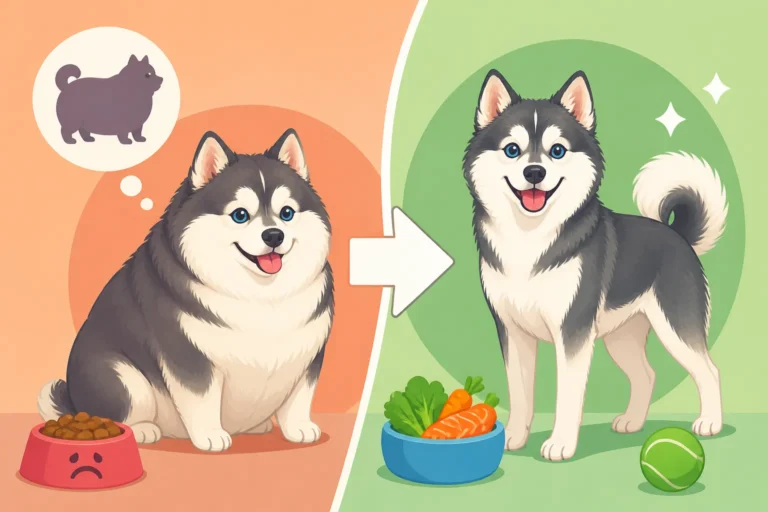
The good news is that reducing the length of walks doesn't mean stopping exercise altogether. In fact, keeping an older Pomsky moving is vital for their health, circulation, weight management, and mental well-being. It’s all about tailoring the activity to their current capabilities.
Prioritizing Quality Over Quantity
The days of hour-long treks through the woods might be behind you, and that’s perfectly okay. For an older Pomsky, the focus shifts from endurance to gentle, consistent movement. Instead of one long walk, consider several shorter, more frequent outings throughout the day. A 15-minute gentle stroll three times a day can be far more beneficial for stiff joints than a single 45-minute slog that leaves them sore and exhausted.
These shorter walks should be at a comfortable pace, allowing your Pomsky to sniff and explore without feeling rushed. Think of it as a pleasant amble rather than a brisk workout. This approach minimizes strain on joints, keeps muscles engaged, and helps prevent stiffness that can set in after prolonged inactivity. This is a common adjustment, and many owners find their Pomskies actually prefer these more manageable adventures.
Incorporating Gentle, Regular Movement
Beyond walks, there are many ways to keep your senior Pomsky active without overdoing it. Gentle playtime in a secure, flat yard can be wonderful. Tossing a soft toy a short distance, encouraging them to sniff out treats hidden in the grass, or engaging in a slow game of tug (if their teeth and neck allow) can provide physical and mental stimulation. Swimming, if your Pomsky enjoys it and your vet approves, is an excellent low-impact exercise that supports joints while building muscle strength. A qualified hydrotherapist can guide you.
Consider incorporating simple stretches or massage into their daily routine, especially if recommended by your vet or a canine rehabilitation therapist. These can improve flexibility and circulation. Regular movement helps lubricate joints and prevents muscles from wasting away, which is crucial for maintaining mobility as they age. For a more in-depth look at alternative exercises, our guide Exercise for an Old Pomsky offers great suggestions.
| Activity Type | Benefits for Senior Pomskies | Considerations |
|---|---|---|
| Short, Frequent Walks | Maintains muscle, joint lubrication, mental stimulation | Flat, even surfaces; avoid extreme weather; keep pace slow |
| Gentle Playtime | Mental engagement, light cardio, joy | Soft toys, short distances; avoid high jumps or sudden stops |
| Swimming/Hydrotherapy | Excellent low-impact, builds muscle without joint strain | Vet approval essential; supervised environment; warm water ideal |
| Massage & Stretching | Improves flexibility, circulation, reduces stiffness | Learn proper techniques from vet/therapist; gentle movements only |
| Sniffing Games | Mental stimulation, low physical impact, satisfying | Hide treats indoors or in a quiet, safe outdoor space |
| Canine Fitness Classes | Supervised, tailored exercises, builds strength & balance | Find classes specifically for senior dogs; qualified instructor is key |
Safe Environments for Senior Strolls
Choosing the right environment for your senior Pomsky's walks is just as important as the length and frequency. Pavement can be hard on arthritic joints, especially during longer outings. Opt for softer surfaces like grass or dirt trails whenever possible. Avoid steep hills, uneven terrain, or areas with many stairs, which can be challenging and increase the risk of falls.
Consider walking during cooler parts of the day in warmer climates, or during midday in colder weather to avoid extreme temperatures that can exacerbate joint pain. If you live somewhere with icy sidewalks or very hot asphalt, invest in protective booties to safeguard their paws. A well-fitting harness is also a must, as it distributes pressure evenly across their chest, unlike a collar which can strain the neck, especially if they have any tracheal sensitivity or a slight cough. Why a Pomsky Should Wear a Harness is a good read on this.
The Importance of Mental Stimulation and Shorter Outings
Even if your Pomsky can't physically do as much as they used to, their brain is still active and needs engagement. Mental stimulation is just as vital as physical activity for their overall well-being, especially as they enter their senior years.
Engaging the Mind When the Body Slows
When long walks become less feasible, redirecting some of that energy into mental exercises can work wonders. Puzzle toys, where your Pomsky has to figure out how to get a treat, are fantastic. Products available on platforms like Amazon or Chewy offer a wide range of difficulty levels. Scent work, even simple "find the treat" games around the house, can be incredibly engaging and tiring for their brains without taxing their bodies. Teaching new, simple tricks or revisiting old ones can also keep their minds sharp and build confidence.
Think about interactive feeders that make them work a little for their meal, rather than just gulping down kibble from a bowl. Brands like Ollie also offer specialized diets that can be perfect for senior dogs, and their fresh ingredients can be quite enticing for a Pomsky whose appetite might have waned slightly. These activities prevent boredom, which can often manifest as destructive behaviors or anxiety, even in older dogs. Keeping their minds active helps maintain cognitive function and a good quality of life.
Making Shorter Walks More Enriching
Even short walks can be incredibly enriching if approached mindfully. Allow your Pomsky to take their time and sniff everything! Smelling is a dog's primary way of experiencing the world, and letting them explore scents is a highly satisfying and mentally stimulating activity. Instead of rushing them past every lamppost, give them five minutes to investigate. Think of it as "sniffari" rather than a speed walk.
Vary your routes, even if it's just walking around a different block or exploring a new section of your local park. New sights, sounds, and smells provide novel experiences that keep their brains engaged and prevent monotony. These outings, while shorter in duration, can be incredibly fulfilling and leave your Pomsky feeling content and pleasantly tired.
The Social Benefits of Continued Outings
Finally, let’s not forget the social aspect of walks. Even an older Pomsky benefits greatly from being out and about, seeing other dogs, people, and just being part of the world. Isolation can lead to boredom, anxiety, and even depression in dogs, regardless of age. Short, calm outings provide opportunities for gentle greetings with friendly dogs (if your Pomsky enjoys it) and positive interactions with people.
These social connections help maintain their confidence and prevent them from becoming withdrawn. If your Pomsky isn't up for much walking, even sitting on a bench at a quiet park or going for a short car ride to a pet-friendly store can offer valuable sensory input and social exposure. It's about maintaining their engagement with life, even if the pace has changed. Sometimes, the most important thing we can give our aging companions is simply our presence and understanding as they navigate this new chapter.
Disclaimer
This article is for general informational purposes only and does not constitute professional advice. Laws, prices and regulations vary by location and change over time. Consult a qualified professional for guidance on your specific situation.