Whether an Affected Pomsky Should Be Bred
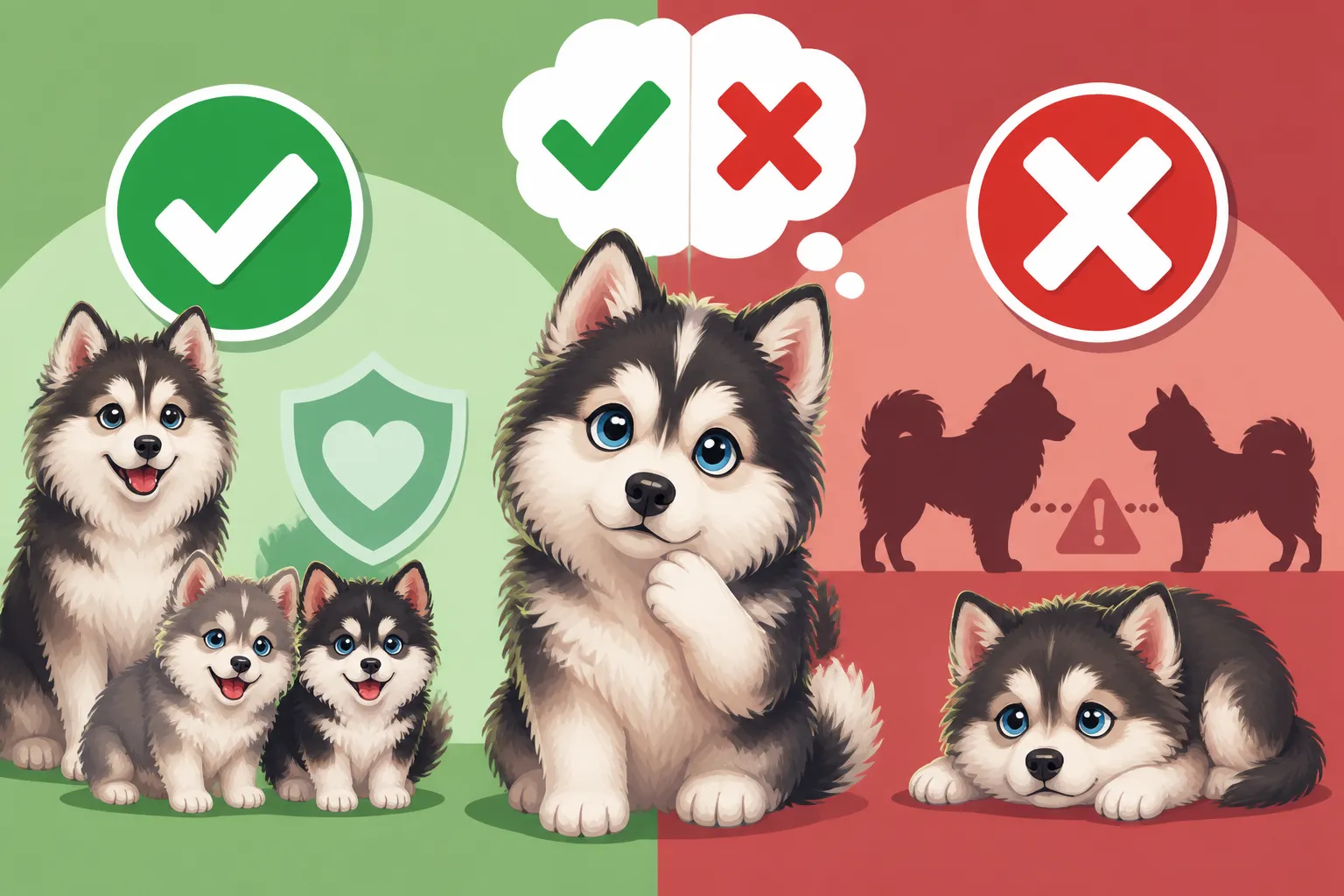
It's a tough pill to swallow when you've invested your heart into a Pomsky, maybe even dreaming of carrying on their beautiful lineage, only to discover they have a health condition. The thought of potentially passing that issue on to a new generation of puppies is a significant ethical and practical dilemma for any aspiring breeder. This guide will walk you through the complexities of deciding whether to breed a Pomsky affected by a health condition, focusing on responsible practices and the long-term well-being of the breed.
The Weight of Responsibility in Pomsky Breeding
When you embark on the journey of breeding Pomskies, you’re not just facilitating cute puppies; you're taking on a profound responsibility for the health and future of the breed. It's about more than just matching two dogs; it's about understanding the genetic legacies they carry and making choices that improve, rather than diminish, the overall health of Pomskies.
Understanding the Genetic Tapestry of Pomskies
Pomskies are a relatively new designer cross, a blend of the Siberian Husky and the Pomeranian. This means they inherit traits—both desirable and undesirable—from two distinct parent breeds. While hybrid vigor is often touted, it doesn't magically eliminate all genetic predispositions. In reality, a Pomsky can inherit any condition found in either parent breed. This complex genetic cocktail means breeders must be exceptionally diligent in understanding potential health risks. You’re essentially dealing with The Two Opposite Disease Lists a Pomsky Inherits, trying to predict which blend of traits your puppies might express. Without careful consideration, you could inadvertently concentrate undesirable traits.
Why Breeding an Affected Pomsky Is a Risky Endeavor
Breeding a Pomsky that has already been diagnosed with a health condition carries substantial risks, not just for the individual dog but for its offspring and the wider breed population. The primary concern is the potential to perpetuate genetic diseases. If a condition is hereditary, breeding an affected dog guarantees that the genes for that condition will be present in some, if not all, of the puppies. Even if the puppies don't express the disease themselves, they can become carriers, silently passing it down to future generations. This can create a ripple effect, making certain health problems more prevalent in the breed over time, leading to more heartache and expense for future owners.
Common Genetic Concerns in Pomskies and Their Inheritance
Many health conditions found in Pomskies have a genetic component, meaning they can be passed down from parents to offspring. Understanding these conditions and their modes of inheritance is crucial for responsible breeding decisions.
Skeletal and Joint Issues to Consider
Joint and skeletal problems are unfortunately common in many dog breeds, and Pomskies are no exception, inheriting risks from both the Husky and Pomeranian sides.
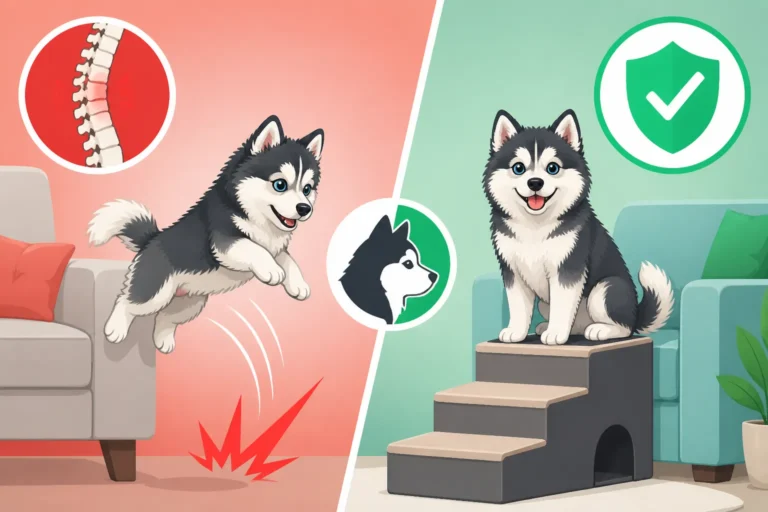
One of the most frequently discussed conditions is patellar luxation, or Slipping Kneecaps in a Pomsky. This occurs when the kneecap dislocates from its normal position, often causing pain and lameness. It's a polygenic trait, meaning multiple genes contribute to its development, and it can range from mild to severe. Breeding a Pomsky with even a low-grade luxation means you're introducing those genes into the gene pool, and their puppies could inherit more severe forms. Owners often face significant veterinary bills for corrective surgery, and sometimes it's excluded from pet insurance policies like those offered by Healthy Paws if it's considered a pre-existing or inherited condition.
Another serious concern is Hip Dysplasia in a Twenty Pound Pomsky. While often associated with larger breeds, it can affect smaller dogs too, especially those with Husky lineage. This condition involves the malformation of the hip joint, leading to arthritis and pain. Like patellar luxation, it's often polygenic and influenced by environmental factors, but genetics play a substantial role. Breeding a dog with dysplastic hips significantly increases the likelihood that their puppies will also develop the condition, leading to chronic pain and reduced quality of life.
Ocular and Skin Conditions with Genetic Links
Eye and skin issues are also prevalent in Pomskies and can have strong genetic underpinnings.
From the Husky side, Pomskies can inherit a range of eye conditions, as explored in The Eyes a Pomsky Gets From the Husky. These can include juvenile cataracts, progressive retinal atrophy (PRA), and corneal dystrophy. Juvenile cataracts can impair vision early in life, while PRA leads to eventual blindness. Corneal dystrophy affects the clarity of the cornea. These are often autosomal recessive traits, meaning a puppy must inherit a copy of the faulty gene from both parents to be affected. However, if you breed an affected Pomsky, every one of its puppies will at least be a carrier, perpetuating the gene in the breed.
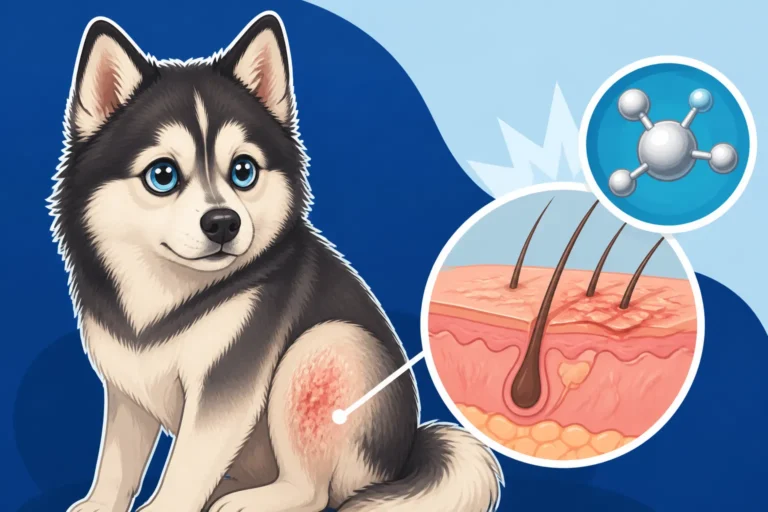
Skin conditions, too, can be inherited. Alopecia X and the Pomsky That Loses Its Coat, often referred to as Black Skin Disease, is a common concern, particularly from the Pomeranian side. This condition causes significant hair loss, often starting on the flanks and body. While the exact genetic mechanism is still being researched, it's widely accepted to have a hereditary component. Breeding an affected Pomsky could mean producing more puppies prone to this frustrating and cosmetically impactful condition. Similarly, Zinc Responsive Dermatosis in a Pomsky can be an inherited metabolic issue, leading to crusty, scaly skin lesions, especially around the face and joints. While manageable with supplementation, it’s a lifelong condition that is passed down.
Other Heritable Health Challenges
Beyond bones, joints, eyes, and skin, Pomskies can be susceptible to other conditions that are inherited:
- Collapsed Trachea: More commonly seen in smaller breeds like the Pomeranian, a collapsed trachea can result in a chronic honking cough and breathing difficulties. As discussed in The Collapsing Trachea a Pomsky Gets From the Pomeranian, this can severely impact a dog's quality of life and often requires ongoing management, sometimes even surgery.
- Epilepsy: While idiopathic epilepsy can affect any breed, certain forms have a genetic basis. Seizures are distressing for both the dog and owner and require lifelong medication.
- Heart Disease: Conditions like Patent Ductus Arteriosus (PDA) or various forms of cardiomyopathy can be inherited. While less common, breeding a dog with a known congenital heart defect is highly irresponsible.
- Hypothyroidism: An underactive thyroid gland, often autoimmune in nature, can be hereditary. It leads to symptoms like lethargy, weight gain, and coat issues.
Here's a quick overview of some common inherited conditions and recommended screening:
| Condition | Parent Breed Origin | Mode of Inheritance (Common) | Recommended Screening | Impact on Dog & Owner |
|---|---|---|---|---|
| Patellar Luxation | Pomeranian | Polygenic | Orthopedic Exam (OFA, PennHIP) | Pain, lameness, costly surgery |
| Hip Dysplasia | Husky | Polygenic | Hip X-rays (OFA, PennHIP) | Arthritis, chronic pain, reduced mobility |
| Juvenile Cataracts | Husky | Autosomal Recessive | Eye Exam (CERF/OFA CAER) | Impaired vision, potential blindness, surgery |
| Progressive Retinal Atrophy | Husky | Autosomal Recessive | Eye Exam (CERF/OFA CAER) | Progressive vision loss, eventual blindness |
| Alopecia X | Pomeranian | Unknown, strongly suspected genetic | Biopsy (ruling out other causes) | Hair loss, skin irritation, cosmetic concern |
| Zinc Responsive Dermatosis | Husky | Autosomal Recessive | Skin biopsy, zinc levels | Crusty lesions, discomfort, lifelong supplementation |
| Collapsed Trachea | Pomeranian | Congenital/Genetic Predisposition | X-rays, tracheoscopy | Chronic cough, breathing difficulties, ongoing management |
The Ethical Compass for Pomsky Breeders
The allure of breeding beautiful, high-demand puppies can sometimes overshadow the ethical obligations involved. However, for a truly responsible breeder, ethics must always come first.
Prioritizing Health Over Aesthetics or Demand
It's tempting to want to breed a Pomsky purely because of its stunning blue eyes or perfect Husky mask, or because there's a huge demand for puppies. But a responsible breeder understands that genetic health must be the paramount concern. Breeding a Pomsky affected by a genetic condition, even if it's visually appealing or boasts a rare coat color, is a disservice to the breed. It prioritizes superficial traits or monetary gain over the long-term well-being of the puppies and the breed's genetic integrity. This practice can lead to Whether Breeding Pomsky to Pomsky Concentrates Faults, undermining all efforts to establish healthy lines.
For instance, if a Pomsky has a beautiful coat but severe allergies that are suspected to be hereditary, breeding that dog could lead to more puppies with itchy, miserable lives. The short-term appeal of a pretty face simply doesn't outweigh the potential for lifelong suffering or chronic health problems. Many prospective owners of Pomskies don't fully grasp the potential health challenges, and it's the breeder's ethical duty to ensure they are getting a puppy with the best possible genetic start in life.
The Importance of Thorough Health Screening
Before any breeding takes place, both prospective parents should undergo comprehensive health screenings relevant to the Pomsky breed. This is outlined in detail in guides like The Health Tests a Pomsky Breeder Should Show. For Pomskies, this typically includes orthopedic evaluations (for hips and patellas), eye certifications (like OFA CAER exams), and sometimes genetic testing for specific conditions known to affect Huskies and Pomeranians, such as certain forms of PRA or inherited skin conditions.
If a Pomsky fails one of these health screenings, it's a clear indicator that breeding should be reconsidered, if not outright halted. For example, if a Pomsky has a diagnosed case of patellar luxation, breeding them would be irresponsible, even if they show no other symptoms. These tests are designed to identify carriers and affected dogs so that informed decisions can be made to prevent the spread of genetic diseases. While genetic testing can't predict everything, it offers critical insights into the potential health outcomes of a litter.
Considering the Lifelong Impact on Puppies and Owners
Every decision a breeder makes has a direct impact on the lives of the puppies they produce and the families who will welcome them into their homes. Breeding an affected Pomsky can mean burdening new owners with significant emotional and financial stress. Imagine adopting a puppy only to discover it has a debilitating genetic condition requiring expensive treatments or ongoing care that What a Pomsky Health Guarantee Covers might not fully alleviate. Pet insurance, even from providers like Healthy Paws, often has waiting periods or exclusions for pre-existing or congenital conditions, leaving owners with the full financial weight.
Furthermore, a dog suffering from a chronic, painful, or debilitating genetic condition might not live a full, happy life. Responsible breeding is about giving puppies the best possible chance at a long, healthy, and pain-free existence. It’s about building trust with prospective owners, assuring them that every effort has been made to produce sound, healthy companions.
Navigating the Decision to Breed or Not
Making the final decision about whether to breed a Pomsky with a health condition requires careful thought, professional advice, and a commitment to the breed's future.
When to Absolutely Say No to Breeding
There are certain scenarios where the answer to breeding an affected Pomsky should be an unequivocal "no." If a Pomsky has a severe, debilitating, or painful hereditary condition that significantly impacts their quality of life, they should not be bred. This includes conditions like severe hip or elbow dysplasia, advanced patellar luxation, blindness due to inherited eye disease, or any condition that necessitates extensive medical intervention throughout their life.
Similarly, if the condition is known to be hereditary and the Pomsky is a carrier of a recessive gene that, when paired with another carrier, would produce affected offspring, breeding should be avoided unless extensive genetic counseling and testing can ensure no affected puppies are produced. While it's sometimes possible to breed a carrier to a "clear" dog to produce only carriers and clear puppies, this decision still needs to be approached with extreme caution and complete transparency with puppy buyers. The goal should always be to reduce the incidence of these genes, not merely manage their expression.
The Role of Veterinary Guidance and Genetic Counseling
You are not alone in making these difficult decisions. Your veterinarian is your most important ally. They can provide accurate diagnoses, explain the likely mode of inheritance for specific conditions, and advise on appropriate health screenings. For more complex genetic questions, a board-certified veterinary geneticist can offer specialized counseling. They can help you understand genetic tests, assess risks, and recommend ethical breeding strategies, if any are even advisable, for your specific Pomsky.
They can help interpret findings from health tests and discuss the probability of passing on certain conditions. For instance, if you're wondering Whether a Pomsky Puppy's Size Can Be Predicted or other traits, a vet can help temper expectations and provide realistic outlooks on potential inherited issues. Always follow your vet's recommendations and be honest with them about your breeding intentions. They have the expertise to help you make the best, most responsible choice.
Support for Owners of Affected Pomskies
If your beloved Pomsky has a genetic health condition and cannot be bred, remember that their value as a companion is undiminished. Focus on providing them with the best possible care, managing their condition, and ensuring they live a comfortable and happy life. There are many ways to contribute to the Pomsky community and advocate for responsible breeding, even if you can't breed your own dog. You can share your experiences, educate others about the importance of health testing, and support breeders who prioritize health and ethical practices.
For owners facing the financial burden of managing an inherited condition, exploring pet insurance options like those offered by Healthy Paws early in a puppy's life can be critical, as it might help cover future unexpected costs, though it's important to understand the exclusions, such as Whether Patella Trouble Is Excluded on a Pomsky Policy, or other pre-existing conditions. Support groups for specific conditions can also provide invaluable emotional support and practical advice. The love and companionship your Pomsky offers are priceless, regardless of their breeding potential.
Disclaimer
The information provided in this article is for educational and informational purposes only and does not constitute veterinary advice. Always consult with a qualified veterinarian or veterinary specialist for any health concerns or before making any decisions related to your Pomsky's health or breeding.