The Age a Pomsky’s Kneecap First Slips
It's incredibly unsettling when you notice something isn't quite right with your beloved Pomsky, especially when they suddenly start limping or skipping a step during play. That momentary hitch in their gait can send a wave of worry through any pet parent. This guide is here to shed light on a common joint issue in our furry friends: patellar luxation, often known as a slipping kneecap. We’ll delve into when this typically begins, what signs to look for, and how to best support your Pomsky if they face this challenge.
Understanding Patellar Luxation in Pomskies: The Early Warning Signs
Finding out your Pomsky might have a genetic predisposition to a joint problem can be tough news. Many owners worry they've done something wrong, but with patellar luxation, it's often an inherited structural issue rather than an injury you could have prevented. Understanding what it is and how it shows up is the first step toward proactive care.
What Exactly is a Slipping Kneecap?
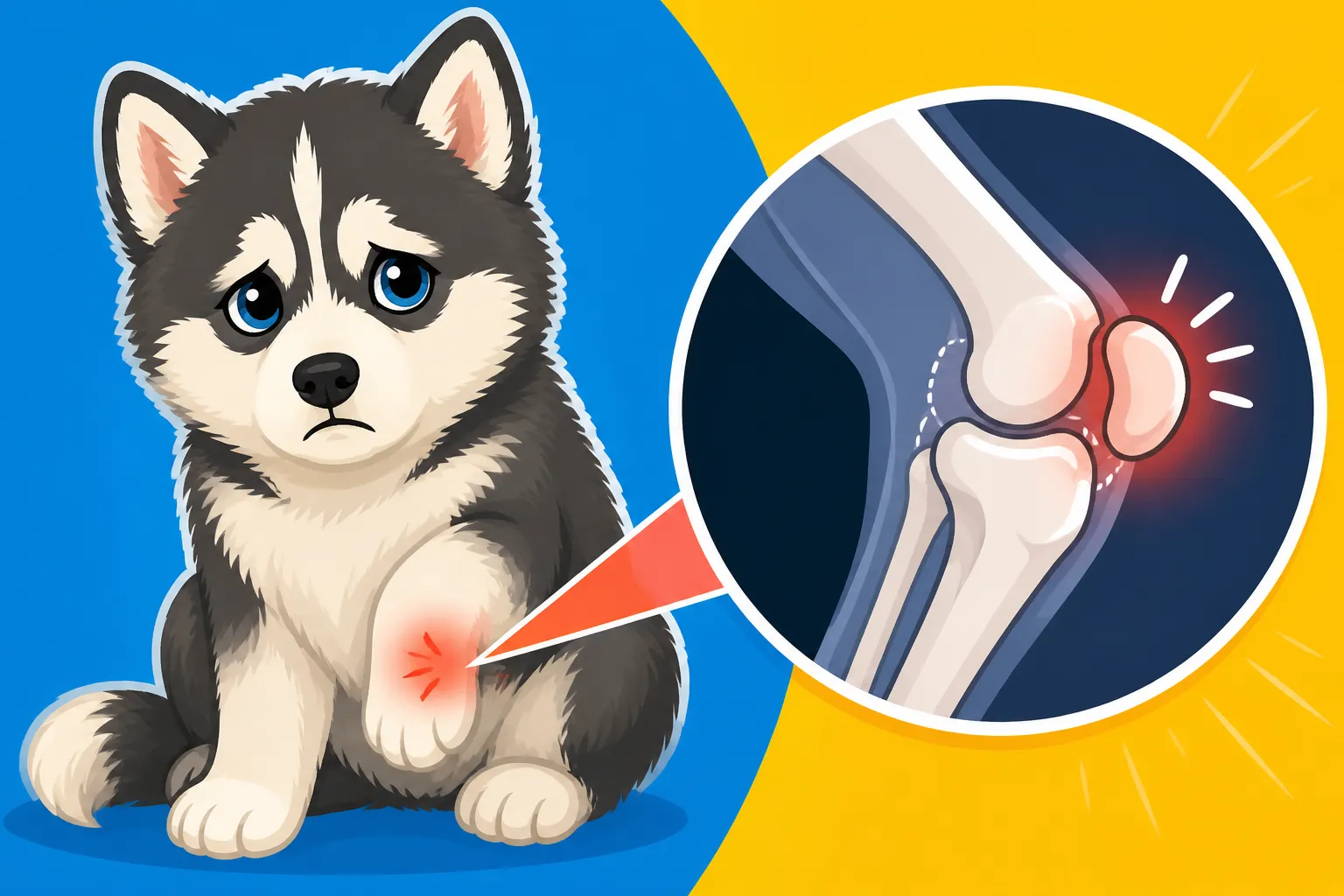
At its core, patellar luxation simply means that your dog's kneecap, or patella, moves out of its natural groove in the thigh bone (femur). Imagine a train running on a track; the kneecap is the train, and the groove is the track. When the train derails, that's luxation. This "slipping" can happen to the inside of the leg (medial luxation, which is more common in smaller breeds) or to the outside (lateral luxation). While it sounds alarming, the degree of displacement and the frequency can vary wildly. A puppy might yelp in a moment of play, hold a leg up for a few seconds, and then be perfectly fine as the kneecap pops back into place on its own. It's easy to dismiss these fleeting moments, but they are often the earliest indicators that something is amiss. For a deeper dive, our comprehensive article on Slipping Kneecaps in a Pomsky covers the mechanics in detail.
Why Pomskies Are Prone to Patellar Luxation
Pomskies inherit traits from both their Siberian Husky and Pomeranian parents. While Huskies are generally robust, the Pomeranian side of the family brings with it a higher incidence of patellar luxation. Small and toy breeds have a well-documented predisposition to this condition, primarily due to genetics influencing the development of their knee joints. Often, the trochlear groove (the track for the kneecap) is too shallow, or the ligaments supporting the kneecap are too lax, allowing it to easily slip. This isn't a flaw in your Pomsky, but rather a structural characteristic passed down through generations. It's a frustrating reality for many Pomsky owners who specifically chose the breed for its perceived health and vigor, only to encounter a common small-breed ailment.
Common Behaviors That Indicate a Problem
The most classic sign of a slipping kneecap is what owners often call a "skip" or a "bunny hop" in their dog's gait. Your Pomsky might be trotting along normally, suddenly lift one back leg for a few steps, and then put it down and continue as if nothing happened. This behavior, sometimes referred to as The Skip That Means a Pomsky's Knee Has Gone, occurs when the kneecap temporarily dislocates, causing a moment of discomfort or instability. Other indicators include your dog shaking its leg vigorously or extending it straight back to try and pop the kneecap back into its groove. You might also notice stiffness after periods of rest, a reluctance to jump onto furniture, or even an audible "click" or "pop" when they move. These signs can be subtle at first, especially in energetic puppies, making them easy to overlook amidst their boundless enthusiasm.
When Do Pomsky Kneecaps Typically Start to Slip?
This is often the burning question for worried Pomsky parents. Understanding the typical age of onset can help you be vigilant and seek veterinary advice promptly, potentially preventing further complications.
The Typical Age Range for Onset
For many Pomskies, the first signs of patellar luxation can appear surprisingly early, often between four and six months of age. This period coincides with significant growth spurts and increased activity levels as puppies transition into adolescence. While some dogs might not show symptoms until they are young adults, experiencing the occasional skip during their first year is quite common. The early signs are frequently intermittent, meaning your Pomsky might have a good day with no issues, followed by a day where the skip is more noticeable. It's not always a sudden, dramatic lameness but a subtle, recurring interruption to their movement. For instance, after a particularly rambunctious play session at the dog park, your six-month-old Pomsky might show a distinct skip, only for it to vanish entirely after a short rest.
Factors That Can Influence Early Onset
While genetics are undoubtedly the primary driver behind patellar luxation in Pomskies, several factors can influence how early and how severely the condition manifests. Early onset can sometimes be exacerbated by environmental stressors. For example, excessive jumping, particularly from high places like beds or couches, can put undue strain on developing joints. Similarly, repetitive high-impact activities during puppyhood might contribute. Obesity is another significant factor, as extra weight puts immense pressure on all joints, including the knees. It’s easy for owners to fall into a trap of blaming themselves, thinking they pushed their puppy too hard or let them jump too much, but it’s crucial to remember that the underlying genetic predisposition is paramount. However, being mindful of your Pomsky’s activity, especially when they are young and their bones are still developing, can certainly help manage the condition. Our guide on Whether a Pomsky Should Jump Off Furniture provides valuable insights into protecting their joints.
The Progression from Occasional Skip to Consistent Issue
Unfortunately, if left unmanaged, patellar luxation often progresses over time. What starts as an occasional, fleeting skip can become more frequent, last longer, and eventually lead to more persistent lameness. Each time the kneecap slips out of its groove, it can cause friction and wear on the cartilage, leading to inflammation and pain. This repeated trauma can contribute to the early development of arthritis in the knee joint. Over time, the joint capsule can stretch, and the groove can become even shallower, making luxation more common and severe. This progression means that ignoring those early, subtle signs can lead to more significant problems down the line, affecting your Pomsky's quality of life and potentially requiring more invasive interventions.
Navigating a Diagnosis and Early Management
Discovering your Pomsky might have patellar luxation can be a worrying time, but an early diagnosis and a clear management plan can make a world of difference. Your veterinarian is your best partner in this journey.
When to See the Vet for a Limp or Skip
The moment you first notice your Pomsky skipping, holding up a leg, or showing any signs of discomfort or lameness, it's time to schedule a visit to your veterinarian. Even if the symptoms are intermittent and resolve quickly, these are crucial clues that shouldn't be ignored. Early intervention allows your vet to assess the situation before it potentially worsens. When you go to the appointment, be prepared to describe exactly what you've observed: when it happens, how long it lasts, what your Pomsky is doing when it occurs, and if anything seems to make it better or worse. This detailed information will be invaluable to your vet in making an accurate diagnosis. Don't second-guess yourself; your observations as a loving pet parent are often the first alert that something needs attention.
Diagnostic Process and Grading the Luxation
When you bring your Pomsky to the vet, the diagnostic process usually begins with a thorough physical examination. Your vet will carefully palpate your dog's knee joint, gently manipulating it to feel for any instability or slippage of the kneecap. This examination will help them determine if luxation is present and, if so, its severity. Patellar luxation is typically graded on a scale from 1 to 4, with Grade 1 being the mildest and Grade 4 the most severe. This grading system is critical because it guides the treatment recommendations. In some cases, X-rays might be recommended to assess the bone structure, look for signs of arthritis, or rule out other orthopedic issues like Hip Dysplasia in a Pomsky. Occasionally, your vet might suggest a consultation with a veterinary orthopedic specialist for a more in-depth evaluation. Our article on Patellar Luxation Grades in a Pomsky provides a detailed breakdown of each grade.
To give you a clearer picture, here's a general overview of the grades:
| Grade | Description | Common Symptoms | Typical Treatment Approach |
|---|---|---|---|
| Grade 1 | Kneecap luxates manually but returns spontaneously. | Occasional skip, intermittent lameness, usually pain-free. | Conservative management, monitoring. |
| Grade 2 | Kneecap luxates frequently or stays out, can be manually replaced. | More frequent skips, lameness more apparent, sometimes pain. | Conservative or surgical, depending on impact. |
| Grade 3 | Kneecap is luxated most of the time but can be manually replaced. | Persistent lameness, abnormal gait, significant discomfort. | Often surgical intervention recommended. |
| Grade 4 | Kneecap is permanently luxated, cannot be manually replaced. | Severe, chronic lameness, significant pain, abnormal leg posture. | Surgical intervention usually necessary. |
Non-Surgical Approaches for Young Pomskies
For Pomskies diagnosed with lower grades of patellar luxation (typically Grade 1 or sometimes Grade 2), a non-surgical, conservative management plan is often the first course of action. This approach focuses on reducing pain, improving joint stability, and slowing the progression of arthritis. Key components include strict weight management, as even a few extra pounds can significantly burden the knees. Your vet might prescribe anti-inflammatory medications during flare-ups and recommend specific joint supplements, such as glucosamine and chondroitin, to support cartilage health. For more on this, check out Whether Joint Supplements Help a Pomsky. Controlled exercise, avoiding high-impact activities, and ensuring a non-slip environment at home (think rugs on hardwood floors, or ramps instead of stairs if your Pomsky is prone to jumping) are also vital. Physical therapy, including gentle range-of-motion exercises, can also be incredibly beneficial in strengthening the muscles around the knee and improving flexibility. Investing in a good pet insurance plan, like one from Healthy Paws, early on can really ease the financial burden of managing these chronic conditions and diagnostic costs, covering much of these ongoing expenses.
Long-Term Outlook and Preventive Measures
Living with a Pomsky with patellar luxation means committing to a long-term care strategy. While it can be daunting, there are many ways to ensure your furry friend lives a comfortable and happy life.
When Surgery Becomes a Consideration
For Pomskies with higher grades of patellar luxation (Grade 3 or 4), or those with lower grades that cause persistent pain, lameness, or significantly impact their quality of life despite conservative management, surgery often becomes the recommended path. It's a big decision, and your vet will discuss the pros and cons in detail. Common surgical procedures aim to deepen the trochlear groove where the kneecap sits and to realign the patellar tendon, ensuring the kneecap tracks correctly. Our article Whether a Pomsky's Kneecap Needs Operating provides excellent context for this decision. While the thought of surgery is scary, these procedures typically have a high success rate in improving mobility and reducing pain. Post-operative care involves strict rest, pain management, and often a comprehensive rehabilitation program, including physical therapy, to regain strength and flexibility. Many owners find themselves facing significant surgical costs, which can range from hundreds to thousands of dollars. Having a comprehensive pet insurance plan from a provider like Healthy Paws can be a lifesaver, covering a substantial portion of these unexpected expenses and making vital care accessible. For a realistic look at the financial aspect, our guide on What Patella Surgery Costs a Pomsky Owner can be very illuminating.
Lifestyle Adjustments for Joint Health
Beyond any medical interventions, the cornerstone of long-term care for a Pomsky with patellar luxation involves proactive lifestyle adjustments. Maintaining a lean body weight is absolutely paramount; even a pound or two of excess weight can put undue strain on already compromised joints. Regular, moderate, low-impact exercise is encouraged to keep muscles strong and joints flexible, but high-impact activities like intense fetch, repetitive jumping, or sudden starts and stops should be minimized. Think brisk walks, controlled leash time, and perhaps some swimming, rather than agility training that involves quick turns and leaps. Our article Exercise for a Pomsky With Bad Knees delves into appropriate physical activity. Creating a safe home environment with non-slip surfaces and ramps for accessing furniture can prevent accidental slips and painful luxations. Consistent veterinary check-ups are also crucial, as your vet can monitor the condition's progression and adjust the management plan as needed. Don't forget that The Screening a Pomsky Should Have Yearly should include a thorough orthopedic examination, especially for dogs with known joint issues.
Financial Planning for Long-Term Care
It's a truth often overlooked when we bring a fluffy puppy home: the financial commitment to their long-term health can be substantial, especially with chronic conditions like patellar luxation. This isn't just about potential surgery; it includes ongoing costs for medications, prescription diets, joint supplements, physical therapy sessions, and regular veterinary check-ups. When budgeting for a Pomsky, it’s not just the initial purchase price, but the lifetime care that truly adds up over their The Twelve to Fifteen Years a Pomsky Lives. Companies like Healthy Paws offer various plans that can help manage these unforeseen medical expenses, giving you peace of mind that you won't have to choose between your Pomsky's health and your wallet. Setting aside an emergency fund specifically for veterinary care is another wise strategy if pet insurance isn't an option for you. Early and consistent management can delay or even prevent the need for more costly interventions later, so being financially prepared helps you always choose the best path for your beloved Pomsky.
Disclaimer
This guide offers general information and advice and is not a substitute for professional veterinary medical advice. Always consult with a qualified veterinarian for any health concerns or before making any decisions about your Pomsky's health or treatment plan.