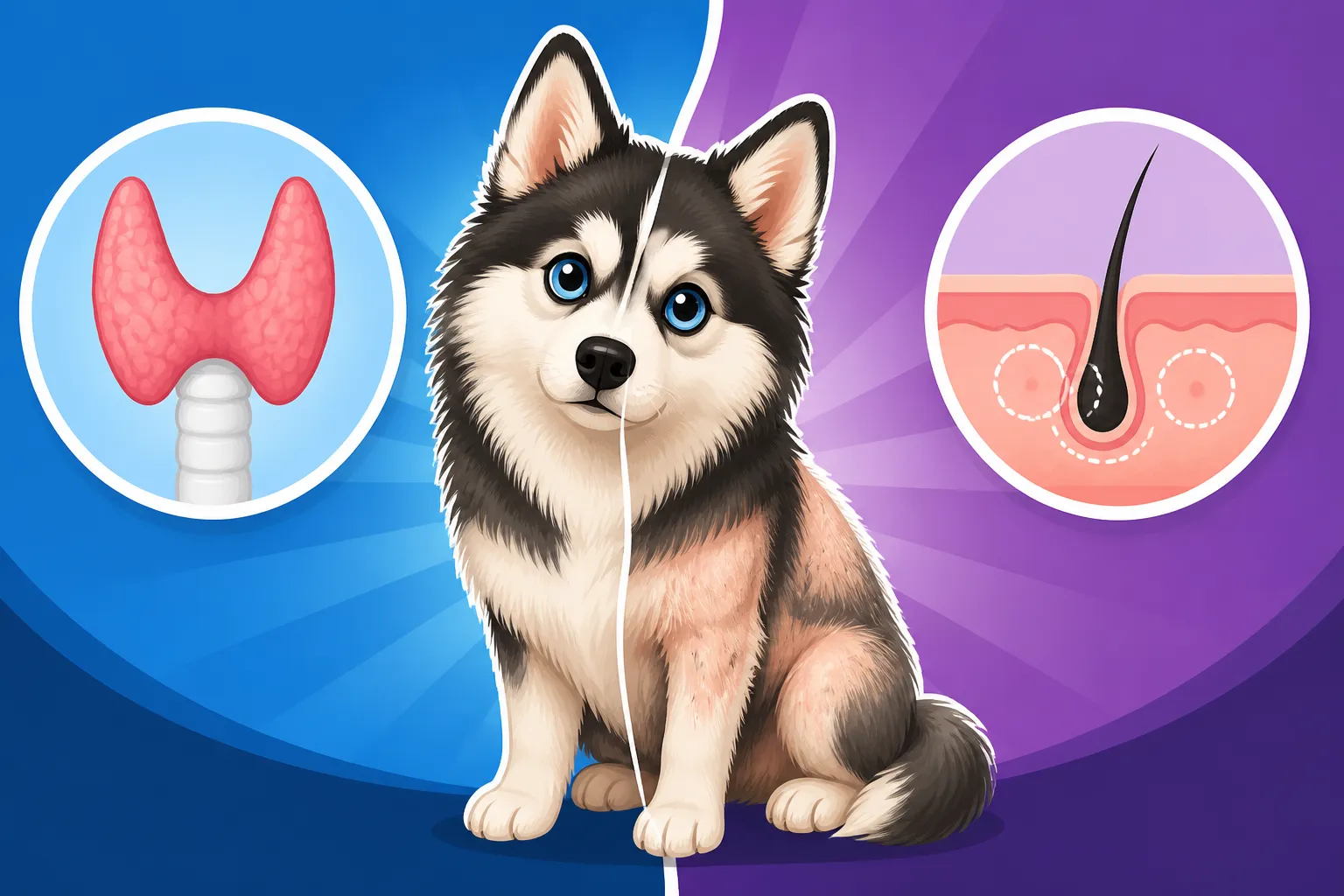
Whether a Pomsky’s Coat Loss Is Thyroid or Alopecia X
It's incredibly disheartening and often downright puzzling when your fluffy Pomsky, who usually boasts such a magnificent double coat, starts losing their fur. You see those thinning patches, perhaps a bare tail or bald flanks, and your mind immediately races through a million possibilities. Is it a nutritional deficiency? Allergies? Or something more serious lurking beneath that disappearing fluff? This guide is here to untangle the confusion surrounding two common culprits for coat loss in Pomskies: Alopecia X and hypothyroidism, offering clear insights into how to tell them apart and what steps you can take.
Understanding Pomsky Coat Loss: Is it Alopecia X?
When your Pomsky's beautiful coat starts to thin or disappear, Alopecia X is often one of the first conditions that comes to mind for many owners and even some veterinarians. It’s a frustrating and often misunderstood dermatological condition that can leave your beloved dog looking quite different from their fluffy norm. The "X" in its name literally stands for "unknown," highlighting how perplexing this non-inflammatory, non-itchy coat loss can be, even for seasoned vets.
The Enigma of Alopecia X in Pomskies
Alopecia X, sometimes known as Black Skin Disease (BSD), follicular dysplasia, or coat funk, is primarily a cosmetic condition, but that doesn't make it any less distressing for owners. It's particularly prevalent in breeds with dense double coats, especially those with a strong Pomeranian lineage, which is, of course, half of what makes a Pomsky! The exact cause remains elusive, though it's believed to be linked to an imbalance in adrenal hormones or a genetic predisposition affecting hair follicle cycles. It’s not an autoimmune disease, nor is it infectious, but rather a quirky problem with how the hair follicles decide to grow.
Typically, this condition manifests as a gradual, symmetrical thinning of the coat, often starting on the flanks, hindquarters, and tail. You might notice the fur around the neck or behind the ears also becoming sparse. Owners often describe the hair loss beginning with a dulling of the guard hairs, followed by a loss of the softer undercoat. It’s not uncommon to see "The First Bald Patch on a Pomsky" appear on the back of the thighs or the tail, slowly spreading over time. What’s particularly frustrating is that the skin underneath, while potentially hyperpigmented (turning black, hence the "Black Skin Disease" moniker), usually isn't red, inflamed, or itchy. Your dog isn't scratching it; the hair just… falls out. It's a silent, baffling process that leaves many owners wondering what they did wrong, which, I assure you, is absolutely nothing. Your Pomsky’s genetics are simply doing their own thing. To truly understand its complexities, it helps to delve into What Alopecia X Does to a Pomsky's Coat.
Diagnosing Alopecia X: A Process of Elimination
Diagnosing Alopecia X isn't as straightforward as a simple blood test. Because its symptoms can mimic other conditions, veterinarians usually approach it as a diagnosis of exclusion. This means they will methodically rule out every other possible cause of coat loss before settling on Alopecia X. This can be a long and sometimes expensive journey, involving multiple tests.
First, your vet will perform a comprehensive physical exam and likely recommend a full blood panel to check for underlying systemic issues. This is where conditions like hypothyroidism, adrenal gland imbalances (Cushing's disease), or even certain nutritional deficiencies are investigated. For instance, Whether a Thyroid Test Rules Out Alopecia X in a Pomsky is a crucial step in this process. Skin scrapes and fungal cultures will also be done to rule out parasitic infestations like mange or fungal infections such as ringworm, which can cause similar hair loss patterns. These tests are usually quick and relatively inexpensive but are vital to ensure you're not missing a treatable condition. If all these initial tests come back negative, the vet might then suggest a skin biopsy. This involves taking small samples of skin and hair follicles, usually under local anesthetic, which are then sent to a specialized veterinary dermatopathologist. Under the microscope, Alopecia X has a distinctive appearance in the hair follicles, confirming the diagnosis. This entire diagnostic process can be covered by pet insurance like Healthy Paws, which can be a huge relief given the potential costs involved in ruling out various conditions.
Living with Alopecia X: Management, Not Cure
Once a diagnosis of Alopecia X is confirmed, it's important to understand that there isn't a definitive "cure" in the traditional sense. The focus shifts to management and making your Pomsky comfortable. One of the most common and often effective treatments, especially if your Pomsky is still intact, is spaying or neutering. Many anecdotal reports and some studies suggest that Whether Neutering Triggers a Pomsky's Coat Loss can actually be a treatment, with some dogs experiencing significant coat regrowth after the procedure. However, the timing of the procedure can also play a role, as sometimes coat loss can begin after neutering in certain predisposed individuals.
Other treatment options often involve hormone therapies or supplements. Melatonin is a popular choice for owners, given orally, and many Pomskies show improvement. While not universally effective, it's generally safe and can lead to partial or even full coat regrowth in some dogs. You can learn more about What Melatonin Does for a Pomsky With Alopecia X. Other therapies might include adrenal suppression drugs or deslorelin implants, which are typically used off-label under close veterinary supervision, particularly if melatonin isn't yielding results. For Pomskies with Alopecia X, protecting their exposed skin from sunburn is crucial, especially if they have large bald patches. Regular sunscreen (dog-safe, of course) or protective clothing might be necessary. It’s a journey of trial and error, and while Whether a Pomsky's Coat Grows Back is a common question, the answer is often "it depends," varying greatly from dog to dog and with the chosen treatment.
The Thyroid Connection: Hypothyroidism in Pomskies
While Alopecia X is a common topic in Pomsky circles when it comes to hair loss, it’s absolutely critical not to overlook another significant health issue that can cause similar symptoms: hypothyroidism. This condition, which means an underactive thyroid gland, affects many breeds and can have much more profound impacts on your Pomsky's overall health than just their coat. Unlike Alopecia X, which is primarily cosmetic, hypothyroidism is a systemic disease that can lead to a host of other health problems if left untreated.
Unpacking Hypothyroidism: A Systemic Issue
Hypothyroidism occurs when the thyroid gland, located in your dog's neck, doesn't produce enough thyroid hormones. These hormones are absolutely vital for regulating metabolism, energy levels, and the function of nearly every cell and organ in the body. When hormone levels drop, everything slows down. This includes cellular regeneration, which is crucial for healthy skin and hair growth. Without adequate thyroid hormones, hair follicles can enter a resting phase and stay there, leading to hair loss and a dull, dry, and brittle coat.
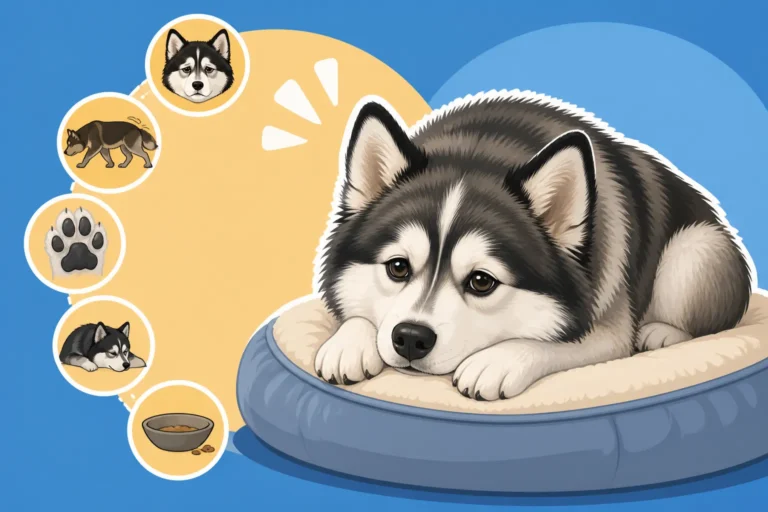
The impact of hypothyroidism extends far beyond just the coat. Dogs with an underactive thyroid often experience a range of symptoms, including lethargy and a noticeable decrease in activity levels. They might seem less enthusiastic about walks or play, preferring to nap more. Weight gain is another common sign, even if their diet and exercise haven't changed, because their metabolism is sluggish. Other subtle indicators can include intolerance to cold, a dull or sparse coat that feels coarse to the touch, and recurrent skin infections due to a compromised immune system. This wide array of symptoms makes it clear why diagnosing hypothyroidism is so important; it’s not just about aesthetics but about your Pomsky's overall well-being. Knowing The Two Opposite Disease Lists a Pomsky Inherits can help you understand the potential predispositions.
Recognizing Hypothyroidism Specifics in Pomskies
In Pomskies, identifying hypothyroidism can sometimes be tricky because some of its symptoms, like a dull coat or a tendency towards being a bit "couch potato," might be mistaken for normal variations in breed traits or personality. However, there are typically some distinguishing patterns when it comes to coat loss due to thyroid issues. Hypothyroidism often causes symmetrical hair loss, meaning both sides of the body are affected similarly. This loss frequently appears on the trunk, chest, neck, and the bridge of the nose, often sparing the head and legs. The skin might become thickened, scaly, and darker (hyperpigmented), particularly in the areas of hair loss, but unlike Alopecia X, it often feels more oily or greasy.
Beyond coat changes, owners should watch for other classic signs. A Pomsky with hypothyroidism might seem unusually cold, even indoors or in mild weather, and seek out warm spots. They might develop a "tragic" facial expression due to muscle weakness and puffiness around the eyes. Some dogs even experience mental dullness or behavioral changes, becoming less alert or more irritable. While Huskies are generally robust and Pomeranians can be prone to Alopecia X, Whether a Pomsky Gets Hypothyroidism is a valid concern, as the condition can affect any dog, and careful observation of these systemic signs is crucial for early detection. If you notice Signs a Pomsky's Thyroid Has Failed, it’s definitely time for a vet visit.
Diagnosing and Treating Thyroid Dysfunction
Diagnosing hypothyroidism requires specific blood tests. Your veterinarian will typically order a full thyroid panel, which includes measuring total T4 (thyroxine), free T4 (fT4), and thyroid-stimulating hormone (TSH). The total T4 level gives a snapshot of the thyroid hormone circulating in the blood, while free T4 is a more accurate measure of the biologically active hormone. TSH levels are also important; if they are high, it indicates the pituitary gland is working overtime to try and stimulate an underperforming thyroid. In some cases, testing for thyroid autoantibodies (TgAA) might also be recommended, as autoimmune thyroiditis is a common cause of hypothyroidism.
Once diagnosed, the good news is that hypothyroidism is highly treatable. The standard treatment involves daily oral administration of synthetic thyroid hormone, usually levothyroxine. This medication is affordable and generally very effective. Most dogs show significant improvement in energy levels, weight management, and coat quality within a few weeks to months of starting treatment. Your vet will want to recheck blood levels regularly, especially in the initial stages, to ensure the dosage is correct and adjust it as needed. This ongoing monitoring ensures your Pomsky maintains optimal hormone levels for a healthy, vibrant life. Having pet insurance like Healthy Paws can be incredibly helpful for covering the costs of these diagnostic tests and long-term medication, easing the financial burden on owners.
Distinguishing Between Alopecia X and Hypothyroidism
While both Alopecia X and hypothyroidism can lead to frustrating coat loss in your Pomsky, understanding their subtle differences is key to getting an accurate diagnosis and appropriate treatment. It's easy to jump to conclusions when you see hair falling out, but a careful look at the whole picture, guided by your vet, will point you in the right direction.
Key Differences in Clinical Presentation
One of the most telling differences often lies in the overall health of your Pomsky. With Alopecia X, dogs usually remain bright, active, and otherwise healthy. Their coat loss is primarily a cosmetic issue. They don't typically exhibit lethargy, weight gain, or cold intolerance. The skin in areas of Alopecia X-related hair loss, while it can darken (hyperpigmentation), usually remains smooth and unaffected by flaking or greasiness. The hair loss itself is typically non-inflammatory and non-itchy; your dog isn't scratching at the bald patches. The pattern of hair loss tends to focus on the trunk, flanks, tail, and sometimes the neck, often leaving the head and legs fully furred. The Pomsky That Carries a Husky Coat at Twenty Pounds might be particularly prone to the characteristic "fluffy" coat loss of Alopecia X where the undercoat disappears.
Conversely, a Pomsky suffering from hypothyroidism will likely show more than just hair loss. They often appear dull, tired, and may have gained weight even with no change in diet. They might be sluggish, less playful, and seek out warm places due more to their intolerance to cold. The hair loss with hypothyroidism is often symmetrical and can be accompanied by a dry, brittle, or greasy coat texture. The skin might become scaly, thickened, and prone to secondary infections due to a weakened immune system. Think about it: Alopecia X is largely a skin-deep issue, whereas hypothyroidism is a full-body slowdown. These comprehensive The Screening a Pomsky Should Have Yearly can help catch these underlying issues early.
Here's a quick comparison to help visualize the distinctions:
| Feature | Alopecia X (Black Skin Disease) | Hypothyroidism |
|---|---|---|
| Overall Health | Usually bright, active, healthy | Lethargic, dull, often overweight |
| Hair Loss Pattern | Symmetrical, often flanks, tail, hindquarters | Symmetrical, trunk, chest, neck, bridge of nose |
| Skin Appearance | Often hyperpigmented (black), non-inflamed | Can be thickened, scaly, oily, hyperpigmented |
| Itchiness | Generally non-itchy | May be itchy if secondary infections occur |
| Coat Texture | Dull, sparse, sometimes wooly regrowth | Dry, brittle, coarse, or greasy |
| Other Symptoms | None systemic, purely cosmetic | Lethargy, weight gain, cold intolerance, mental dullness |
| Primary Cause | Unknown (hormonal imbalance, genetic) | Underactive thyroid gland |
The Diagnostic Path: Why Both Need to Be Ruled Out
Given the overlapping symptoms, it's paramount that your veterinarian thoroughly investigates both possibilities. You absolutely cannot reliably distinguish these conditions at home, and self-diagnosis could lead to delaying crucial treatment for a systemic disease like hypothyroidism. The diagnostic process will typically start with a detailed physical examination and a discussion of your Pomsky's full medical history and current symptoms.
Your vet will almost certainly recommend a full thyroid panel to check for hypothyroidism. This usually includes tests like total T4, free T4, and TSH, as discussed earlier. If these tests indicate an underactive thyroid, treatment will begin, and improvements should be observed relatively quickly. If the thyroid panel comes back normal, the vet will then turn their attention more squarely towards Alopecia X and other dermatological conditions. This might involve skin scrapes, fungal cultures, and eventually, a skin biopsy for a definitive diagnosis of Alopecia X. It’s a methodical process to ensure no stone is left unturned. This is where pet health insurance can truly shine, covering a good portion of the diagnostic workup that ensures your Pomsky gets the correct answers and care. Companies like Healthy Paws are well-regarded for their comprehensive coverage, which can be invaluable during these detailed investigations.
Prognosis and Long-Term Care Considerations
The long-term outlook for your Pomsky depends significantly on which condition they have. For hypothyroidism, the prognosis is excellent with treatment. Once your Pomsky is on daily thyroid medication, their symptoms, including coat loss, lethargy, and weight issues, typically resolve, and they can live a full, normal life. It’s a condition that requires lifelong medication and regular monitoring, but it’s completely manageable. You'll need to stay on top of their medication and annual blood tests to ensure the dosage remains appropriate.
Alopecia X, on the other hand, has a more variable prognosis regarding coat regrowth. While some Pomskies respond beautifully to treatments like melatonin or deslorelin implants, or even simply being spayed or neutered, others may experience only partial regrowth, or none at all. However, it's important to remember that Alopecia X is primarily a cosmetic issue. It doesn't typically affect your Pomsky's overall health or lifespan. The main concerns are preventing sunburn on exposed skin and managing any secondary skin infections if they arise, which are less common if the skin is kept clean and dry. Both conditions underscore the importance of regular veterinary check-ups and open communication with your vet about any changes in your Pomsky's health or appearance. What Actually Kills Most Pomskies rarely includes Alopecia X, highlighting its non-life-threatening nature.
Disclaimer
This article is intended for informational purposes only and does not constitute veterinary advice. Always consult with a qualified veterinarian for any health concerns or before making any decisions about your pet's health or treatment.