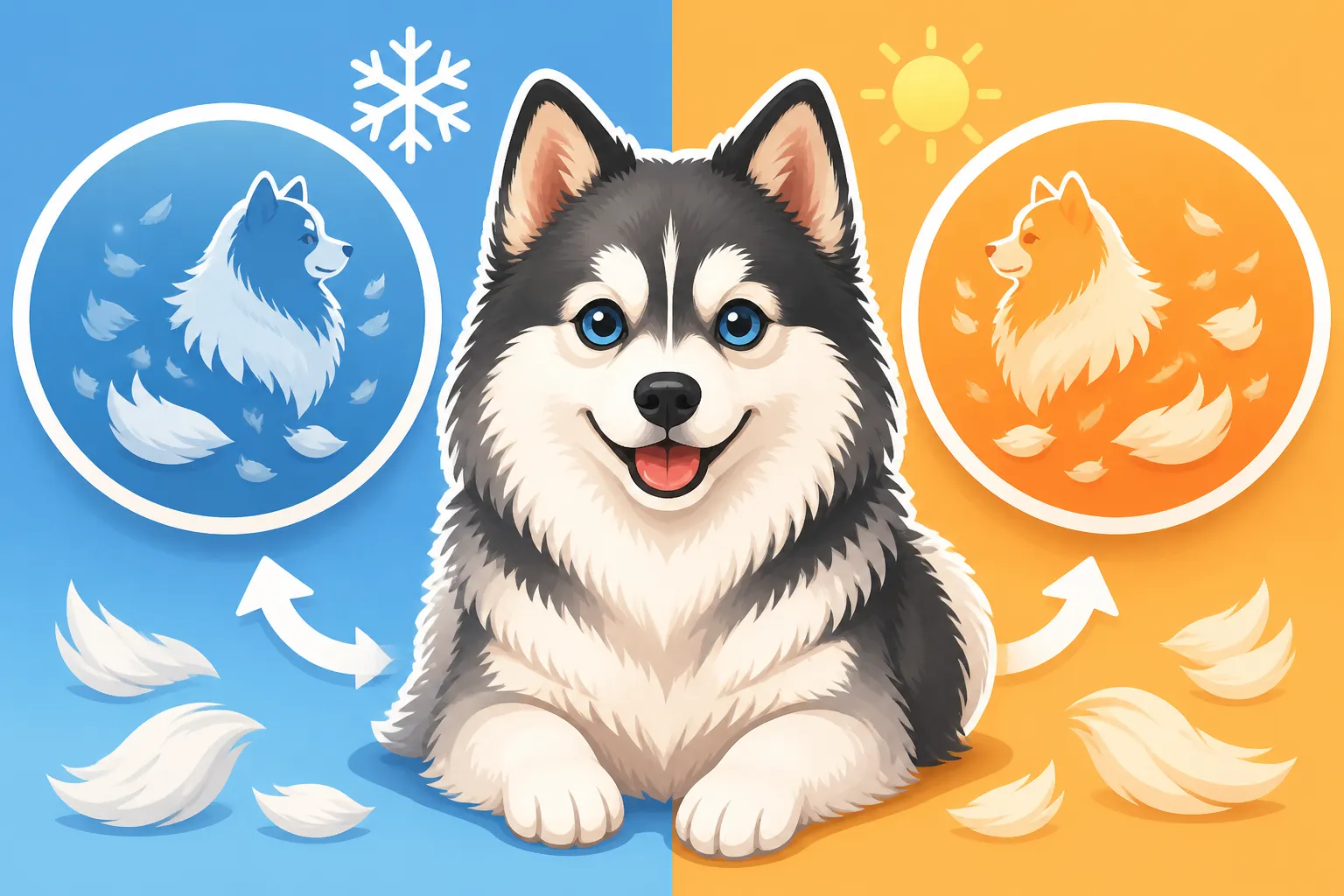
Whether a Pomsky Blows Its Coat Twice a Year
If you're a Pomsky owner, or dreaming of becoming one, you've probably heard the whispers, the warnings, the deep sighs about shedding. One of the most common questions that comes up is whether these beautiful dogs truly "blow their coat" twice a year, unleashing a veritable snowstorm of fur in your home. This guide dives deep into the realities of Pomsky shedding, explaining the science behind their magnificent double coat and what you can genuinely expect from your furry family member throughout the year.
Understanding the Pomsky's Double Coat
Before we even get to the shedding schedule, it’s crucial to understand the unique coat your Pomsky inherits. This isn't just any fur; it's a marvel of canine engineering designed for extreme climates, a direct legacy from their Siberian Husky and Pomeranian parents. Understanding its structure is the first step to managing its magnificent, yet sometimes overwhelming, output.
The Husky and Pomeranian Influence
The Pomsky is a designer crossbreed, combining the hardy, resilient Siberian Husky with the elegant, fluffy Pomeranian. Both parent breeds possess a double coat, meaning your Pomsky will undoubtedly have one too. From the Husky, they inherit a thick, dense undercoat that acts as insulation, protecting them from both bitter cold and intense heat. This undercoat is soft, downy, and incredibly prolific. From the Pomeranian, they get a similarly dense undercoat, often combined with a longer, stand-off outer coat, giving them that characteristic fluffy appearance. The blend of these two creates a coat that is thick, luxurious, and designed to thrive in varied weather, but it also comes with a significant amount of upkeep and, yes, shedding.
It’s this genetic predisposition that means a Pomsky's coat is built for serious climate control, providing warmth in winter and reflecting heat in summer. This double layer isn't just for aesthetics; it's a functional necessity for these breeds in their native environments. When you consider the practical purpose, the amount of fur suddenly makes a lot more sense, even if it still feels like a lot when you’re sweeping it up daily.
The Structure of a Double Coat
A double coat, as the name suggests, consists of two distinct layers: the outer coat (or guard hairs) and the undercoat. The guard hairs are longer, coarser, and generally stiffer. They are water-repellent and act as a protective shield against dirt, snow, rain, and UV rays. Think of them as the roof tiles on a house. These hairs are typically what give your Pomsky their color and pattern, like the striking markings often seen in Huskies, or the rich solid colors of some Pomeranians.
Beneath these guard hairs lies the undercoat. This layer is much softer, denser, and shorter, composed of fine, woolly hairs. Its primary function is insulation. In cold weather, it traps warm air close to the body, keeping your Pomsky toasty. In warmer weather, it helps create an insulating layer that prevents heat from penetrating the skin and allows for air circulation, keeping them cooler. It’s this undercoat that is primarily responsible for the bulk of shedding, especially during seasonal changes. Imagine trying to keep a cozy, warm house without insulation – that's what your dog's undercoat does.
Why a Double Coat is Essential
Many people, especially those new to double-coated breeds, often wonder why such a thick coat is necessary, particularly if they live in a milder climate. The truth is, this double coat is vital for a Pomsky's overall health and comfort. It's not just about insulation; it's about protection from the elements, regulation of body temperature, and even guarding against skin issues. The guard hairs protect the delicate skin from sunburn, scratches, and insect bites. The undercoat, when healthy and properly maintained, allows for crucial air circulation against the skin.
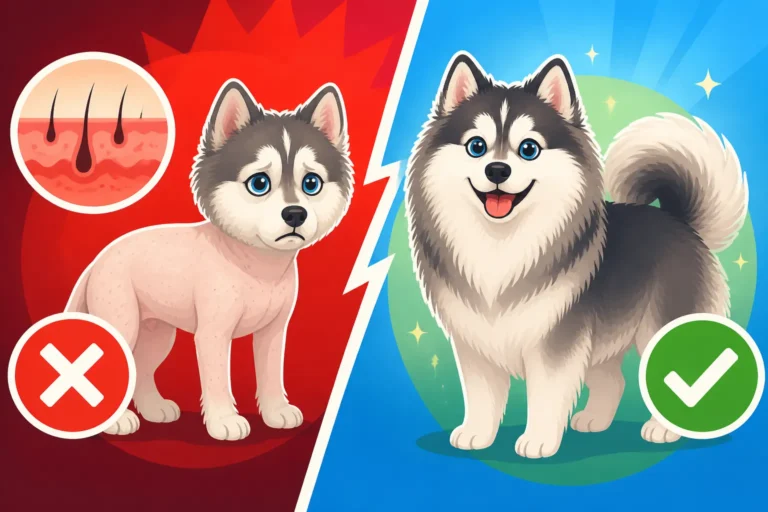
Removing or damaging this double coat, for example, by shaving, can severely disrupt its natural function. It can lead to problems like sunburn, inability to regulate temperature effectively (making them prone to overheating), and even "post-clipping alopecia," where the fur may not grow back correctly, if at all. This is why you'll often hear strict warnings from groomers and vets alike about the dangers of shaving a double-coated dog. Whether Shaving Triggers Coat Loss in a Pomsky is a real concern, and understanding the coat's purpose helps you appreciate why certain grooming practices are so strongly discouraged.
The Phenomenon of "Blowing Coat"
When people talk about a Pomsky "blowing its coat," they're not just referring to regular shedding. This is a specific, intense period of shedding that can be quite a shock if you're not prepared. It's an evolutionary process, a biological necessity, and it involves a significant amount of fur release.
What Exactly is a Coat Blow?
A coat blow is essentially a massive, accelerated shedding event where your Pomsky sheds a significant portion, primarily the undercoat, to adapt to changing seasonal temperatures. It's like your dog is emptying out their winter wardrobe to prepare for summer, or vice versa, but all at once. During this time, you'll notice clumps of fur coming off your dog with minimal effort – sometimes just by stroking them. It's not uncommon to fill a brush with fur after just a few strokes, and it can feel like your dog is literally disintegrating into a pile of fluff.
This isn't just loose hairs; it's entire sections of undercoat that are no longer needed. The process can last for several weeks, and during this time, regular grooming becomes absolutely essential. If you don't help them shed this dead undercoat, it can become matted, trap moisture, and lead to skin irritations or hot spots. Think of it as a natural, albeit messy, reset button for their fur.
The Hormonal and Seasonal Triggers
The primary triggers for a coat blow are changes in temperature and daylight hours, which directly influence a dog's hormones. As the days get longer and warmer in spring, a Pomsky's body signals that it's time to shed the dense winter undercoat, making way for a lighter, thinner layer that's more suitable for summer. Conversely, as the days shorten and temperatures drop in fall, their body prepares for winter by shedding the old, thinner summer coat to allow a new, thicker, insulating undercoat to grow in.
Beyond just the seasons, other factors can influence shedding patterns. Hormonal changes due to spaying or neutering can sometimes affect coat cycles, though this is more complex and not a universal trigger for a "blow." Stress, diet, and overall health can also play a role, either intensifying or prolonging shedding. For instance, a poor diet might lead to a duller coat and more shedding, while a healthy dog might manage their coat blow more efficiently.
The Sheer Volume of Shedding
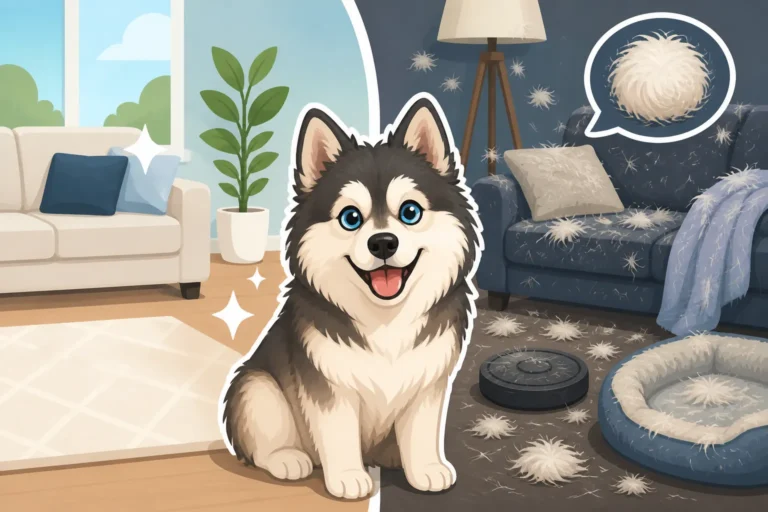
Let's not sugarcoat it: the volume of shedding during a coat blow is considerable. It can feel like your house is constantly covered in a fine layer of Pomsky glitter. Owners often report filling multiple grocery bags with fur over the course of a few weeks. This isn't just a few stray hairs; it's enough to build a small, fuzzy clone of your dog. If you're someone who is particular about a pristine home, this period will test your patience and your vacuum cleaner's endurance.
During peak shedding, you might see tumbleweeds of fur rolling across your floors, sticking to your clothes, and even finding their way into your coffee. It's the kind of shedding that necessitates daily brushing, frequent vacuuming, and perhaps a good lint roller always within arm's reach. Understanding that this is normal, albeit inconvenient, helps set realistic expectations for Pomsky ownership.
The Seasonal Shed: Twice a Year?
So, back to the core question: does a Pomsky blow its coat twice a year? For most Pomskies, the answer is a resounding "yes," aligning with the major seasonal shifts of spring and fall. These are the two primary periods of intense shedding.
Spring Shed: Ditching the Winter Undercoat
As winter loosens its grip and the days grow longer and warmer, typically from late winter through spring, your Pomsky will begin to shed their heavy winter undercoat. This is often the most dramatic shedding event of the year, as they are essentially trying to get rid of the thickest layer of insulation. Imagine wearing a heavy wool coat in July – your Pomsky feels similarly eager to lighten their load.
During this spring blowout, you'll see a massive release of the dense, soft undercoat. This process is crucial for preventing your dog from overheating in the upcoming warmer months. If this dead undercoat isn't properly removed, it can become matted, trap heat, and lead to skin problems. It’s a full-on seasonal transition, and their bodies are remarkably efficient at it. The Months a Pomsky Blows Its Coat can vary slightly depending on your local climate, but spring is almost always one of them.
Fall Shed: Preparing for Winter
The second major coat blow typically occurs in the fall, as summer fades and cooler temperatures signal the approach of winter. During this period, your Pomsky will shed their lighter summer undercoat to make room for a new, thicker, and more insulating winter coat. While often not as dramatic as the spring shed in terms of sheer volume, it's still a significant event that will result in noticeable hair loss.
This fall shed prepares them to withstand the cold temperatures of winter, ensuring they have a dense, protective layer of fur. It’s their natural way of gearing up for colder weather, much like a bear bulking up for hibernation, but with fur instead of fat. Both spring and fall shedding are natural, healthy processes that ensure your Pomsky's coat remains functional and comfortable for the prevailing weather conditions.
Individual Variation and Other Factors
While twice a year is the general rule, it's important to remember that every Pomsky is an individual. Factors like genetics, climate, indoor living conditions, diet, and even hormonal status (intact vs. spayed/neutered) can influence the timing and intensity of coat blows.
For example, a Pomsky living in a strictly indoor, temperature-controlled environment might have a less pronounced seasonal shed, or their shedding might be more spread out throughout the year, blurring the lines of distinct "blowouts." A dog that spends more time outdoors and is exposed to the natural fluctuations of daylight and temperature will likely follow a more traditional twice-a-year pattern. Furthermore, some Pomskies may shed more profusely than others due to their specific genetic inheritance from their Husky or Pomeranian lineage. When a Pomsky Blows Its Coat can truly depend on their individual circumstances.
Beyond the Seasonal Shed: Year-Round Hair
Even outside of the two major seasonal coat blows, a Pomsky is not a low-shedding dog. They will consistently shed a certain amount of hair throughout the year. If you were hoping for a dog that rarely sheds, the Pomsky might not be the right fit.
Constant, Lower-Level Shedding
Unlike breeds with single coats or those with hair that grows continuously (like Poodles), a Pomsky's double coat means there's always some level of hair turnover happening. Even during non-blowout periods, you'll find loose hairs around your home, on your clothes, and clinging to furniture. This is just the normal lifecycle of their fur, with old hairs dying and new ones growing in to replace them.
This constant, lower-level shedding is often manageable with regular weekly brushing and routine vacuuming. It's the background hum of living with a double-coated dog, always present but usually not overwhelming, provided you stay on top of it. It's the difference between a light dusting and a full spring cleaning.
Factors Increasing Daily Shedding
Several factors can increase a Pomsky's daily shedding beyond the seasonal norms:
- Stress: Just like humans, dogs can shed more when stressed. A trip to the vet, moving to a new home, or even changes in routine can cause a temporary increase in shedding.
- Diet and Nutrition: A poor-quality diet lacking essential nutrients can lead to a dull, unhealthy coat and excessive shedding. High-quality dog food, like that from brands such as Ollie, can contribute to a healthier coat and potentially reduce non-seasonal shedding. Look for foods rich in omega fatty acids, which are fantastic for skin and coat health.
- Health Issues: Underlying health problems, skin allergies, parasites, or even certain medications can cause abnormal shedding or patchy hair loss. If you notice sudden, excessive, or uneven shedding, it's always best to consult your vet. Whether a Pomsky Gets Allergies or Zinc Responsive Dermatosis in a Pomsky are examples of conditions that can affect coat health and lead to more shedding.
- Lack of Grooming: If you're not brushing your Pomsky regularly, the dead undercoat and loose guard hairs will accumulate, making shedding appear worse than it is. Consistent grooming helps to remove these hairs before they fall out naturally all over your home.
Managing Daily Hair Around the House
Living with a Pomsky means embracing a certain level of dog hair in your life. However, there are plenty of strategies to keep it manageable. Regular vacuuming with a good pet-specific vacuum is crucial. Robot vacuums, like those available on Amazon, can be a lifesaver for daily maintenance, picking up loose fur before it accumulates into larger dust bunnies.
Investing in furniture covers, washable throws, and lint rollers is also a smart move. Choose furniture fabrics that are less likely to trap pet hair, or opt for colors that blend with your dog's fur. Regularly washing pet bedding, blankets, and your own clothes that come into contact with your Pomsky will also help. The goal isn't to eliminate hair entirely – that's impossible – but to control it and keep your living space as clean as possible.
Grooming Through a Coat Blow
Successfully navigating a Pomsky's coat blow requires dedication and the right tools. This isn't just about brushing; it's a strategic approach to maintaining their skin and coat health during a period of intense turnover.
Essential Tools for a Pomsky Blowout
When your Pomsky is blowing their coat, your regular brush might not cut it. You'll need specific tools designed to penetrate the thick double coat and effectively remove the dense undercoat without damaging the guard hairs.
- Undercoat Rake: This is your MVP. An undercoat rake has long, widely spaced teeth designed to reach deep into the undercoat and pull out loose, dead fur. Use it gently, working in sections. Brands like Furminator (widely available on Chewy) offer effective undercoat rakes and deshedding tools.
- Slicker Brush: A slicker brush with fine, wire bristles is excellent for removing loose hair from the top coat and any remaining undercoat, as well as for detangling. It's great for finishing and fluffing after using the rake.
- Pin Brush: A pin brush is good for general brushing, especially on longer guard hairs, and can help to separate and prepare the coat for the undercoat rake.
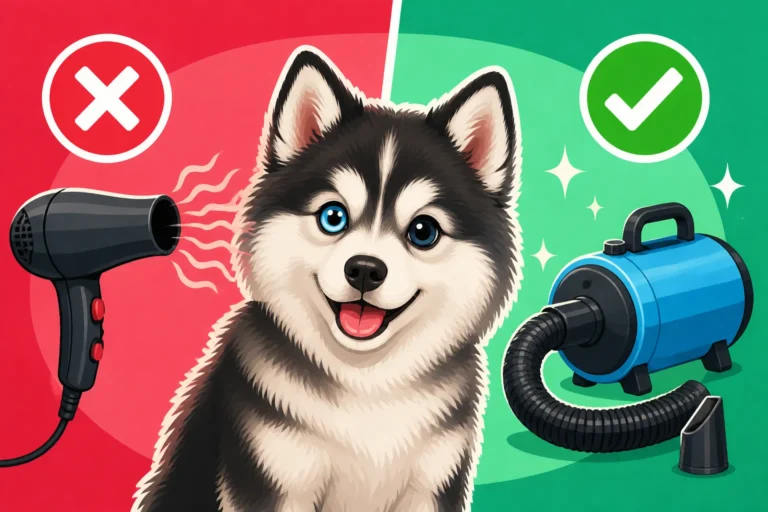
- High-Velocity Dryer: This might seem like an advanced tool, but a good quality high-velocity dryer can be a game-changer during a coat blow. After a bath, it blasts air through the coat, physically pushing out loose undercoat. It’s incredibly effective and can reduce shedding significantly. Whether a Force Dryer Is Essential for a Pomsky is a question many owners ask, and during a coat blow, it can truly make a difference.
- Wide-toothed Comb: Essential for checking for any tangles or mats after brushing and ensuring you've worked through all sections of the coat.
The Importance of Regular Brushing
During a coat blow, "regular brushing" means daily, sometimes even twice daily, dedicated sessions. This isn't just about reducing the hair on your furniture; it's vital for your Pomsky's health. Failing to remove the dead undercoat can lead to serious matting, especially behind the ears, under the legs, and around the tail. Mats can pull on the skin, causing pain and irritation. They can also trap moisture, leading to skin infections or hot spots.
Brushing stimulates blood circulation in the skin, which promotes healthy coat growth. It also distributes natural oils, keeping the coat shiny and healthy. Make brushing a positive experience for your Pomsky from a young age, using treats and praise. Starting with short sessions and gradually increasing duration helps them tolerate the process. Getting a Pomsky Used to the Undercoat Rake is key to making this a peaceful routine.
Professional Grooming vs. At-Home Care
While at-home grooming is essential, many Pomsky owners find professional grooming invaluable, especially during coat blows. A professional groomer has specialized tools, knowledge, and techniques to efficiently and effectively manage a double coat. They can perform a "deshedding treatment," which typically involves a special shampoo and conditioner, followed by a thorough blow-out with a high-velocity dryer and extensive brushing.
This can significantly reduce the amount of loose hair your Pomsky carries, making your life much easier for weeks afterward. For dogs prone to matting, or owners short on time, a professional deshedding service can be a lifesaver. However, be sure to find a groomer experienced with double-coated breeds who understands the importance of not shaving a Pomsky unless medically necessary.
Here's a quick comparison of at-home vs. professional grooming during a coat blow:
| Feature | At-Home Grooming | Professional Grooming |
|---|---|---|
| Cost | Low (initial tool purchase) | Higher (per visit) |
| Frequency | Daily during blow, 2-3x/week otherwise | Every 4-8 weeks, or as needed during blow |
| Tools Needed | Undercoat rake, slicker, pin brush, comb, dryer | Commercial-grade tools, specialized products |
| Effort | High, time-consuming | Low for owner, high for groomer |
| Effectiveness | Good with consistent effort | Excellent, removes more undercoat effectively |
| Expertise | Learned through practice | Professional knowledge of coat types and skin health |
| Benefits | Bonding, convenience, cost-saving | Thorough deshedding, mat prevention, skin checks |
Debunking Myths About Pomsky Shedding
The topic of dog shedding is ripe with misconceptions, and Pomskies are no exception. Let's clear up some common myths to ensure you have accurate expectations and care practices.
The "Hypoallergenic" Misconception
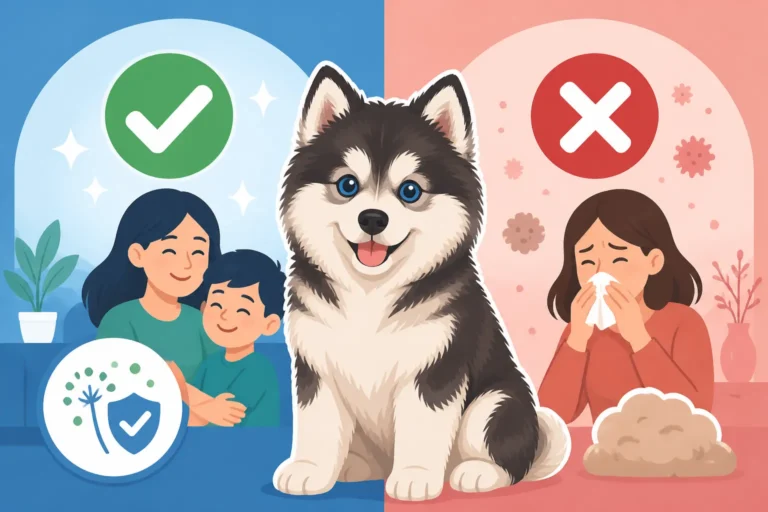
One of the biggest myths you'll hear about Pomskies, and frankly, most designer breeds, is that they are "hypoallergenic." This is simply not true. A truly hypoallergenic dog breed does not exist; rather, some breeds produce less dander (the dead skin cells that often trigger allergies) or shed less, thus releasing less dander into the environment.
The Pomsky, with its dense double coat and tendency to shed heavily, especially during seasonal blows, produces and releases a significant amount of dander and hair. If you or someone in your household suffers from dog allergies, a Pomsky is likely to be a challenging companion. Expecting a Pomsky to be hypoallergenic will only lead to disappointment and potential rehoming issues. It's crucial for prospective owners with allergies to spend time with Pomskies before committing, to assess their individual reaction. Whether a Pomsky Suits a Household With Allergies is a question that needs a realistic answer, and that answer is generally no.
Does Shaving Help or Harm?
Another common misconception is that shaving a double-coated dog like a Pomsky will help reduce shedding or keep them cooler in the summer. This is a myth that can actually harm your dog. As discussed earlier, a Pomsky's double coat is essential for their thermoregulation and protection.
Shaving a double-coated dog removes their natural insulation. In summer, it exposes their delicate skin to harmful UV rays, increasing the risk of sunburn and skin cancer, and can make them hotter by disrupting their natural cooling system. In winter, it removes their protective layer, making them colder. Furthermore, shaving can permanently damage the coat, leading to "clipper alopecia" or "post-clipping alopecia," where the guard hairs may not grow back, or the coat grows back patchy, uneven, and with a different texture, often just a woolly undercoat without the protective guard hairs. Whether Shaving a Pomsky Damages the Coat is a definite yes, and it's a decision that should be avoided at all costs unless directed by a vet for a medical reason.
Diet and Supplements: Real Impact on Shedding
While diet and supplements can't stop a Pomsky from blowing their coat, they can absolutely influence the health and quality of their fur, and potentially reduce non-seasonal shedding. A dog on a poor diet with nutrient deficiencies may experience dull, brittle fur and excessive shedding due to poor hair follicle health.
- High-Quality Diet: Feeding a well-balanced, high-quality dog food is foundational for a healthy coat. Look for foods with good protein sources and healthy fats. Some premium brands, like Ollie, focus on fresh, human-grade ingredients that can contribute to overall health, including skin and coat condition. Even high-quality kibble from reputable brands like Chewy’s house brands can be excellent.
- Omega Fatty Acids: Supplements rich in Omega-3 and Omega-6 fatty acids (like fish oil or flaxseed oil) are renowned for promoting healthy skin and a shiny coat. They can help reduce dryness and inflammation, which sometimes contribute to excessive shedding.
- Biotin and Zinc: These nutrients are also important for skin and coat health. If your Pomsky has specific deficiencies, a vet-prescribed supplement might help, but over-supplementation can be harmful. Whether a Pomsky Needs Extra Zinc is something to discuss with your vet, especially if you see signs of zinc deficiency.
Always consult your veterinarian before adding any supplements to your Pomsky's diet, as they can recommend appropriate dosages and types based on your dog's individual needs.
Living with a Shedding Pomsky
Accepting that your Pomsky will shed is the first step. The next is learning how to live harmoniously with the fur, making smart choices for your home and lifestyle. It's about preparedness and consistent effort, not wishing the fur away.
Home Management Strategies
Dealing with a shedding Pomsky effectively involves a multi-pronged attack on loose hair within your home.
- Vacuum Power: Invest in a powerful vacuum cleaner designed for pet hair. Look for models with strong suction, good filtration (like HEPA filters), and specialized attachments for upholstery and tight spaces. Using it frequently, even daily during coat blows, will make a huge difference. Robot vacuums are a fantastic invention for continuous light cleaning. You can often find great options on Amazon.
- Flooring Choices: If you're building or renovating, consider flooring options that are easy to clean and don't trap hair. Hardwood, laminate, or tile floors are much easier to sweep and vacuum than carpets. If you love carpets, choose low-pile options and be prepared for more frequent, intensive cleaning.
- Furniture Covers: For upholstered furniture, consider washable slipcovers or throws. These can be easily removed, shaken outside, and laundered, saving your actual furniture from a constant layer of fur.
- Designated Pet Areas: Provide specific, comfortable pet beds or blankets for your Pomsky, especially in areas where they spend a lot of time. This helps to contain some of the shedding to specific zones that can be cleaned regularly.
Protecting Furniture and Clothing
It’s an inevitable truth that Pomsky hair will find its way onto your furniture and clothing. But there are ways to minimize its impact.
- Lint Rollers are Your Friend: Keep lint rollers in strategic locations – near the door, in your car, in your closet – for quick touch-ups before you head out.
- Pet-Friendly Fabrics: When choosing clothing, some fabrics attract and hold pet hair more than others. Smooth, tightly woven fabrics like denim, silk, and some synthetic blends tend to repel hair better than wool, fleece, or corduroy.
- Brushing Before Hugging: A quick brush down of your Pomsky before a cuddle session can help reduce the amount of hair transferred to your clothes.
- Car Protection: If your Pomsky rides in the car, use seat covers or blankets specifically designed for pets. These are easy to remove and wash, protecting your car’s interior from accumulating fur. You can find many options on Chewy or Amazon.
Maintaining Hygiene for Your Pomsky and Your Home
Beyond just managing the hair, maintaining overall hygiene for both your Pomsky and your home environment is important.
- Regular Baths: While not a substitute for brushing, regular bathing (every 4-6 weeks, or as needed) can help loosen dead hair and keep your Pomsky's coat clean and fresh. Use a shampoo designed for double coats and ensure you rinse thoroughly. How Often a Pomsky Should Be Bathed really depends on their activity level and coat type.
- Air Filters: Regularly changing air filters in your home's HVAC system can help trap airborne pet dander and hair, improving air quality and reducing dust.
- Dedicated Cleaning Supplies: Keep a set of cleaning supplies specifically for pet messes and hair. This might include a handheld vacuum, a good quality broom for hard floors, and pet-safe cleaning sprays.
When to Be Concerned About Shedding
While shedding is completely normal for a Pomsky, there are instances when it can signal an underlying issue that warrants veterinary attention. Knowing the difference between a normal coat blow and abnormal hair loss is crucial for your dog's health.
Signs of Abnormal Coat Loss
Normal shedding typically involves a uniform loss of hair across the body, with new hair growing in to replace it. Abnormal coat loss, on the other hand, might look different:
- Patchy or Uneven Hair Loss: If your Pomsky is losing hair in specific patches, creating bald spots, or if one side of their body is shedding significantly more than the other, this is a red flag.
- Skin Irritation: Excessive scratching, redness, rashes, scabs, or flaky skin accompanied by hair loss are all signs that something is wrong.
- Dull, Brittle Coat: A healthy coat is typically shiny and pliable. If your Pomsky's fur appears dry, brittle, or coarse, it could indicate nutritional deficiencies or a health problem.
- Odor: An unusual or strong odor coming from the skin or coat can be a sign of infection, especially if accompanied by hair loss.
- Lethargy or Behavioral Changes: If abnormal shedding is accompanied by other symptoms like a lack of energy, changes in appetite or thirst, or unusual behavior, it's definitely time to see the vet. Signs a Pomsky's Thyroid Has Failed often include coat changes and lethargy.
Underlying Health Issues
Several health conditions can manifest as excessive or abnormal hair loss in Pomskies:
- Allergies: Environmental, food, or flea allergies can cause intense itching, leading to excessive scratching and licking, which in turn causes hair loss and skin irritation. Whether a Pomsky Gets Allergies is a common concern that can impact their coat.
- Parasites: Fleas, mites, and other external parasites can cause severe itching and skin irritation, leading to hair loss as your dog scratches and bites.
- Hormonal Imbalances: Conditions like hypothyroidism (underactive thyroid) or Cushing's disease (overproduction of cortisol) can significantly impact coat health, leading to thinning hair, dullness, and patchy loss. Whether a Thyroid Test Rules Out Alopecia X in a Pomsky highlights the importance of ruling out such conditions.
- Skin Infections: Bacterial, fungal (like ringworm), or yeast infections can cause localized hair loss, redness, and discomfort. Hot Spots Under a Pomsky's Undercoat are another common issue that can cause localized hair loss and discomfort.
- Nutritional Deficiencies: As mentioned, a lack of essential vitamins and minerals can impact skin and coat health.
- Stress: Chronic stress can sometimes lead to excessive shedding, though usually not patchy hair loss unless accompanied by over-grooming in specific areas.
- Alopecia X: This is a genetic condition, also known as Black Skin Disease or BSD, where a dog loses fur, often in patches or over large areas of the body. It’s particularly prevalent in Pomeranians and, by extension, Pomskies. What Alopecia X Does to a Pomsky's Coat can be a distressing sight for owners.
Seeking Veterinary Advice
If you notice any of the signs of abnormal coat loss or have concerns about your Pomsky's shedding, the best course of action is to schedule an appointment with your veterinarian. They can perform a thorough physical examination, ask about your dog's diet and lifestyle, and recommend diagnostic tests.
Tests might include blood work (to check for hormonal imbalances or other internal issues), skin scrapings (to look for parasites), fungal cultures, or allergy testing. Early diagnosis and treatment of underlying conditions are key to restoring your Pomsky's coat health and ensuring their overall well-being. Never try to self-diagnose or treat severe hair loss without professional guidance. Your vet is your best resource for keeping your Pomsky healthy and happy, fur and all.
Disclaimer
This article is for general informational purposes only and does not constitute professional advice. Laws, prices and regulations vary by location and change over time. Consult a qualified professional for guidance on your specific situation.