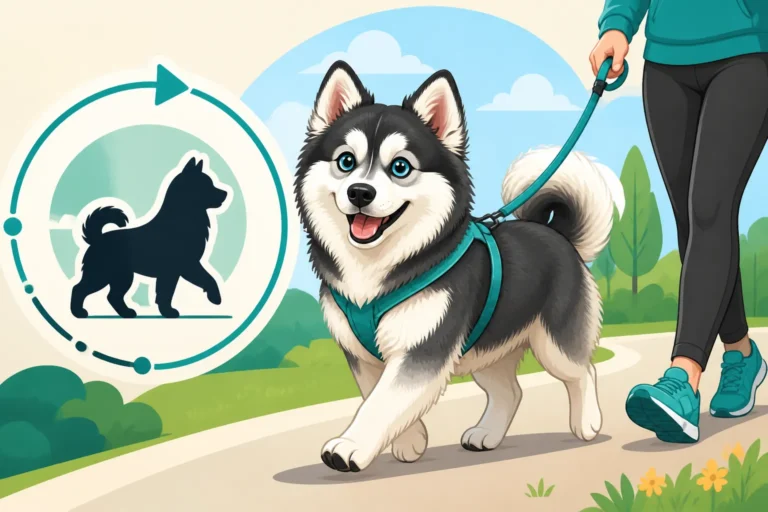
Keeping a Pomsky’s Weight in Range
One of the most common worries Pomsky parents share is about their furry friend's weight. It’s a delicate balance; you don't want them too skinny, looking gaunt and underfed, but the idea of them becoming overweight and facing health issues is equally concerning. This guide will walk you through everything you need to know about keeping your Pomsky in their ideal weight range, blending practical advice with a deep understanding of their unique needs.
Understanding Your Pomsky's Ideal Weight
It's natural to look at your adorable Pomsky and wonder if they're "just right." Unlike purebreds with strict weight standards, the Pomsky's mixed heritage means there's a wider spectrum of what's considered healthy. However, that doesn't mean it's a free-for-all. Understanding the factors that influence their size and how to assess their condition is crucial for their long-term health.
The Genetics of Pomsky Size and Weight
Your Pomsky is a blend of a Siberian Husky and a Pomeranian, and those two breeds are quite different in size! This genetic lottery is why Pomskies can vary so much in their adult weight, ranging from a petite 10 pounds to a more substantial 35 pounds or even a little more in some cases. It's not uncommon for littermates to have wildly different growth rates and final sizes. The dam (usually the Husky) and sire (usually the Pomeranian) both contribute genetic material that influences their offspring's bone structure, muscle mass, and metabolism.
While you might have seen parents, it's never a guaranteed prediction of your puppy's adult weight. The "miniature husky" look that many hope for often comes with a body type that requires careful monitoring. A larger framed Pomsky might naturally carry more weight, while a more Pomeranian-leaning one could be smaller and more delicate. Understanding these genetic possibilities helps set realistic expectations and prevents unnecessary worry about normal variations within the breed. For a more general understanding, you can refer to What a Pomsky Actually Weighs Full Grown.
Recognizing a Healthy Pomsky Body Condition Score
Forget the numbers on the scale for a moment – the best way to assess your Pomsky's weight is through a body condition score (BCS). This is a visual and hands-on assessment that veterinarians use, and you can learn to do it too. It's all about feeling their ribs, looking at their waist, and observing their overall physique. A healthy Pomsky should have ribs that are easily felt with light pressure, like the back of your hand, but not visibly sticking out. Their waist should tuck in behind the ribs when viewed from above, and they should have an abdominal tuck when seen from the side.
Think of it like this: if you have to press hard to feel their ribs, or if their waist is straight or bulging, they might be carrying too much weight. Conversely, if their ribs, hip bones, or spine are prominently visible or easily felt without any pressure, they might be underweight. Learning to "read" your dog's body condition is a powerful tool for proactive health management, allowing you to make adjustments before problems become serious.
| Body Condition Score | Description | Pomsky Appearance |
|---|---|---|
| 1: Emaciated | Ribs, spine, pelvic bones easily visible from a distance. No discernible body fat. Severe abdominal tuck. | Extremely thin, almost skeletal. Muscles visibly wasted. |
| 2: Very Thin | Ribs, spine, pelvic bones easily visible. Minimal body fat. Obvious abdominal tuck. | Clearly underweight, ribs and hip bones are prominent. |
| 3: Thin | Ribs easily palpable and may be visible. Top of lumbar vertebrae visible. Marked abdominal tuck. | Lean, but not gaunt. Ribs felt without much pressure, clear waist. |
| 4: Ideal | Ribs easily palpable with minimal fat covering. Waist easily noted when viewed from above. Abdominal tuck evident. | Healthy, well-proportioned. Ribs felt like the back of your hand. Clear waist and tuck. |
| 5: Overweight | Ribs palpable with slight excess fat covering. Waist discernible but not prominent. Abdominal tuck absent. | Ribs require more pressure to feel. Waist less defined. Body may appear more blocky. |
| 6: Obese | Ribs difficult to feel under heavy fat. No waist or abdominal tuck. Fat deposits on lumbar area and base of tail. | Rounder appearance. Difficulty feeling ribs. No waist, abdomen hangs. |
The Risks of Being Underweight
While most of the conversation around dog weight focuses on obesity, being underweight is also a significant concern, especially for a breed like the Pomsky which can sometimes inherit the Husky's tendency for fussiness. A Pomsky that's consistently too thin might not be getting adequate nutrition to support their energy levels, immune system, and overall bodily functions. This can lead to a dull coat, lack of energy, and increased susceptibility to illness.
In young puppies, being underweight can stunt growth and development. In older dogs, it can be a symptom of underlying health issues like parasites, dental problems, malabsorption, or even chronic diseases. If you notice your Pomsky is losing weight, or has always been on the thin side despite regular feeding, it's vital to consult your veterinarian to rule out any medical conditions and discuss dietary adjustments. It's not just about looking good; it's about making sure their body has the fuel it needs to thrive.
Common Weight Challenges for Pomskies
Pomskies, with their unique genetic makeup, often present a fascinating mix of traits from their parent breeds, and this extends to their eating habits and weight management. It's not always straightforward, and understanding these common challenges can help you be a more prepared and patient owner.
The Husky's Fussy Eating Tendencies
One of the most exasperating traits a Pomsky can inherit is the Siberian Husky's notorious pickiness, often referred to as "self-regulating" or "fussy eating." Huskies are known for eating only what they need, when they need it, and sometimes, they'll even skip meals entirely. This isn't necessarily a sign they dislike their food or are unwell, but rather a characteristic that evolved in a breed used to periods of feast and famine during long treks. If your Pomsky gets this trait, you might find yourself staring at a full bowl, wondering why they're turning their nose up at it. You might want to read more about Whether a Pomsky Skips Meals.
This can be incredibly frustrating for owners, especially those used to dogs who vacuum up every crumb. The temptation is often to constantly change foods, add toppers, or offer high-value human foods to entice them. While some variation can be good, constantly catering to fussiness can inadvertently create a picky eater who holds out for better options. It's a fine line to walk between ensuring they get enough calories and not reinforcing bad habits. This can make keeping a consistent weight challenging, as their intake can fluctuate daily.
The Pomeranian's Predisposition to Overweight
On the flip side, the Pomeranian side of your Pomsky's ancestry can bring a predisposition to weight gain. Pomeranians, being smaller dogs, don't require a huge amount of calories, and it's very easy to overfeed them, even with small portions. They can also be less active than a typical Husky, especially if they have a more sedentary lifestyle. If your Pomsky inherits a more compact, robust build from the Pomeranian and a love for food, they can quickly pack on the pounds if their diet isn't managed carefully.
Extra weight on a smaller frame, like a Pomeranian's, can put significant strain on their joints, heart, and respiratory system. This can exacerbate conditions like Slipping Kneecaps in a Pomsky or The Collapsing Trachea a Pomsky Gets From the Pomeranian, leading to discomfort and reduced quality of life. For a Pomsky, this means keeping a very close eye on portion sizes and ensuring they get consistent exercise to prevent the slow creep of excess weight.
Spaying/Neutering and Weight Gain
Another common hurdle many Pomsky owners face is managing weight after spaying or neutering. It's a well-documented phenomenon across many breeds: once those reproductive hormones are removed, a dog's metabolism can slow down, and their caloric needs often decrease by 20-30%. Yet, many owners continue to feed the same amount of food, or even more, leading to inevitable weight gain. For a deeper dive, consider Whether a Neutered Pomsky Gains Weight.
It's a tricky situation because the dog's appetite might not decrease, making them seem constantly hungry. Suddenly, that healthy, energetic Pomsky starts looking a little rounder, and their energy levels might even dip slightly. This post-procedure weight gain isn't a foregone conclusion, but it does require proactive adjustment of their diet and exercise routine. Ignoring it can lead to a gradual accumulation of fat that is much harder to shed later on.
Crafting a Balanced Diet for Weight Management
Feeding your Pomsky correctly is arguably the most impactful thing you can do for their weight and overall health. It's not just about dumping kibble in a bowl; it's about thoughtful selection, precise portions, and smart treat choices.
Choosing the Right Food Type and Quality
When it comes to your Pomsky's food, quality matters immensely. Look for high-quality commercial dog foods that list a named meat source (like "chicken meal" or "salmon") as the first ingredient, rather than generic "meat by-products" or excessive fillers. Options range from traditional kibble to wet food, fresh-prepared diets, or even raw feeding. Each has its proponents and benefits, but consistency and nutritional completeness are key. For instance, brands like Ollie offer fresh, human-grade food delivery that can be portioned precisely based on your dog's needs, which can be fantastic for weight management if your budget allows.
If you choose kibble, consider smaller kibble sizes for easier chewing, especially if your Pomsky has Dental Crowding in a Pomsky's Small Mouth. Grain-free diets were popular for a while, but consult your vet about whether they are truly necessary for your dog, as some studies have raised concerns about potential links to heart issues in certain breeds. Ultimately, the best food is one that provides balanced nutrition, is enthusiastically eaten by your Pomsky (most of the time!), and helps them maintain a healthy weight and energy level.
Portion Control and Feeding Schedules
This is where the rubber meets the road for weight management. Most dog food bags provide a general feeding guideline based on weight, but these are often just starting points and may suggest more food than your individual Pomsky actually needs, especially if they are less active or have a slower metabolism. Instead, use their ideal body condition score as your ultimate guide. Start with the recommended portion for their ideal adult weight, then adjust as needed. Many Pomsky owners find they need to feed slightly less than the bag suggests to maintain a lean physique.
A consistent feeding schedule, typically two meals a day for adult Pomskies, helps regulate their metabolism and prevents overeating. Avoid free-feeding, where food is left out all day, as this makes it impossible to track intake and can lead to mindless grazing. For those Pomskies prone to wolfing down their food, slow feeder bowls or puzzle toys from places like Amazon can be incredibly helpful, making mealtime last longer and aiding digestion. If you're wondering How Much an Adult Pomsky Eats Daily, it truly varies, so careful observation of their body is paramount.
Smart Snacking and Treat Strategies
Treats are an important part of training and bonding, but they can quickly derail a weight management plan. Many owners forget that treats contribute significantly to daily caloric intake. If your Pomsky is prone to weight gain, swap out high-calorie biscuits for low-calorie alternatives like small pieces of cooked chicken, carrots, green beans, or even frozen blueberries. These offer satisfying crunch and flavor without the added fat and sugar.
When using treats for training, break them into pea-sized pieces to stretch them further. Consider deducting the caloric value of treats from their main meals to ensure their total daily intake stays within range. Shopping on Chewy or other pet supply sites can help you find a wide variety of healthy, low-calorie treat options designed specifically for dogs on a diet, or simply stick to fresh veggies and fruits.
Exercise as a Cornerstone of Weight Health
No matter how perfectly portioned their meals are, a Pomsky needs adequate exercise to maintain a healthy weight, build strong muscles, and keep their minds stimulated. Their Husky heritage means they generally have a higher energy drive than many small breeds, but their Pomeranian genes can sometimes mean a more delicate structure or shorter legs. It's all about finding that sweet spot for your individual dog.
Tailoring Exercise to Your Pomsky's Energy Levels
Pomskies are energetic dogs, and under-exercised dogs are not only more prone to weight gain but also to behavioral issues like destructive chewing or excessive barking. The Exercise a Pomsky Needs Every Day will vary depending on their age, size, and individual temperament, but generally, expect at least 60-90 minutes of dedicated physical activity daily, broken into multiple sessions. This isn't just a quick potter around the block; it means brisk walks, jogging, playing fetch, or trips to a secure dog park (if they're well-socialized and have a reliable recall).
However, you also need to be mindful of their smaller size. While they might want to run like a Husky for miles, their smaller legs and potentially more delicate joints might not be built for extreme endurance. Watch for signs of fatigue, overheating, or lameness. On warmer days, shorten walks or stick to cooler times of day to prevent issues like Signs a Pomsky Is Overheating. Conversely, don't let their small stature trick you into thinking they don't need a good workout; a tired Pomsky is a happy Pomsky, and usually a well-weighted one!
Incorporating Mental Stimulation
Physical exercise is crucial, but mental stimulation is equally important for a Pomsky's overall well-being and can actually contribute to calorie expenditure. A mentally engaged dog is less likely to be bored and therefore less likely to develop stress-related eating habits or destructive behaviors that come from pent-up energy. Think of it like this: solving a puzzle toy or learning a new trick can be just as tiring for their brain as a brisk walk is for their body.
Incorporate activities like puzzle feeders, obedience training, scent work games (hiding treats for them to find), or interactive toys. These activities encourage problem-solving and focus, burning mental energy and promoting a healthy, balanced lifestyle. Even 15-20 minutes of dedicated training or a challenging puzzle can make a big difference in supplementing their physical activity and preventing boredom-induced overeating.
The Dangers of Overtraining or Underexercising
Finding the right balance of exercise is key. Underexercising a Pomsky is a clear path to weight gain, muscle loss, and behavioral problems. Without an outlet for their energy, they'll become bored, frustrated, and might try to find their own "fun" through destructive acts or simply becoming couch potatoes. This sedentary lifestyle naturally leads to fewer calories burned and a higher chance of becoming overweight.
On the other hand, overtraining can be just as detrimental, especially for a younger Pomsky whose bones and joints are still developing, or an older dog. Pushing them too hard can lead to injuries, joint problems (like exacerbating Slipping Kneecaps in a Pomsky), exhaustion, or even heatstroke. Always build up exercise intensity gradually, pay attention to their cues, and ensure they have plenty of rest and hydration. It's a marathon, not a sprint, when it comes to keeping your Pomsky fit and healthy for their The Twelve to Fifteen Years a Pomsky Lives.
Monitoring and Adjusting Your Pomsky's Weight
Maintaining your Pomsky's ideal weight is an ongoing process, not a one-time fix. Their needs will change with age, activity level, and health status, so consistent monitoring and willingness to adapt are essential.
Regular Weigh-Ins and Body Condition Checks
Make it a habit to check your Pomsky's body condition score at least once a month. This visual and tactile assessment is your primary tool. While you can weigh them at home on a regular scale (if they're small enough to be held while you weigh yourself, then subtract your weight), the BCS is often more informative than a number, especially given the breed's wide weight range. You can usually pop into your vet's office for a free weigh-in if you don't have a suitable scale at home.
These regular checks allow you to catch subtle changes before they become significant problems. Noticing a slight increase in fat over the ribs or a less defined waist means it's time to tweak their food portions or increase their activity. If you see signs they are getting too thin, it's a prompt to reassess their intake and general health. Consistency in monitoring empowers you to be proactive in their care.
When to Consult Your Veterinarian
Your veterinarian is your most valuable partner in your Pomsky's health journey. If you're struggling to get your Pomsky to a healthy weight, whether they are too thin or overweight, it's time to schedule a visit. Persistent weight issues can be a sign of underlying medical conditions. For instance, unexplained weight loss could point to parasites, dental disease, or metabolic disorders like hypothyroidism. Conversely, stubborn weight gain despite diet and exercise could indicate hormonal imbalances or other health concerns.
Your vet can provide personalized dietary recommendations, rule out medical causes for weight fluctuations, and help you create a safe and effective exercise plan. They can also perform necessary health screenings, like checking for Whether a Pomsky Gets Hypothyroidism or Hip Dysplasia in a Twenty Pound Pomsky, which can impact metabolism and mobility. Don't hesitate to seek professional guidance – it's an investment in your Pomsky's long-term well-being.
Long-Term Strategies for a Healthy Weight
Keeping your Pomsky at a healthy weight throughout their life requires a holistic and consistent approach. It’s about more than just food and exercise; it’s about a lifestyle. Here are some key long-term strategies:
- Consistency is Key: Stick to a consistent feeding schedule and type of food once you find what works. Avoid sudden changes unless medically necessary.
- Age-Appropriate Adjustments: A growing puppy has different caloric needs than a spayed adult or a senior dog. As your Pomsky ages, their metabolism will naturally slow down, and their activity levels might decrease. Be prepared to gradually reduce caloric intake and modify exercise routines. Caring for a Pomsky Past Ten often involves adjustments to diet and exercise to prevent weight gain and support aging joints.
- Regular Veterinary Check-ups: Annual (or semi-annual for seniors) vet visits are crucial not just for vaccinations but for a full health assessment, including weight and body condition. These check-ups can catch issues early.
- Mindful Treating: Keep treats as special rewards, not constant offerings. Opt for healthy, low-calorie options, and always account for them in your Pomsky's daily caloric budget.
- Engage Their Minds: Mental stimulation isn't just for puppies. Keep your adult and senior Pomsky engaged with puzzle toys, training refreshers, and new experiences. A happy, stimulated dog is often a healthier dog.
- Hydration: Always ensure your Pomsky has access to fresh, clean water. Sometimes, dogs can mistake thirst for hunger.
- Be Patient and Observant: Weight management is a journey. There will be times when you need to tweak things. Be patient with your Pomsky and yourself, and always be observant of their body and behavior for clues about their health.
By implementing these strategies, you're not just managing a number on a scale; you're actively contributing to your Pomsky's vibrant health and ensuring they lead a long, happy life by your side. Getting Weight Off an Overweight Pomsky can be a challenge, but with consistent effort, it's entirely achievable.
Disclaimer
This article is for general informational purposes only and does not constitute professional advice. Laws, prices and regulations vary by location and change over time. Consult a qualified professional for guidance on your specific situation.