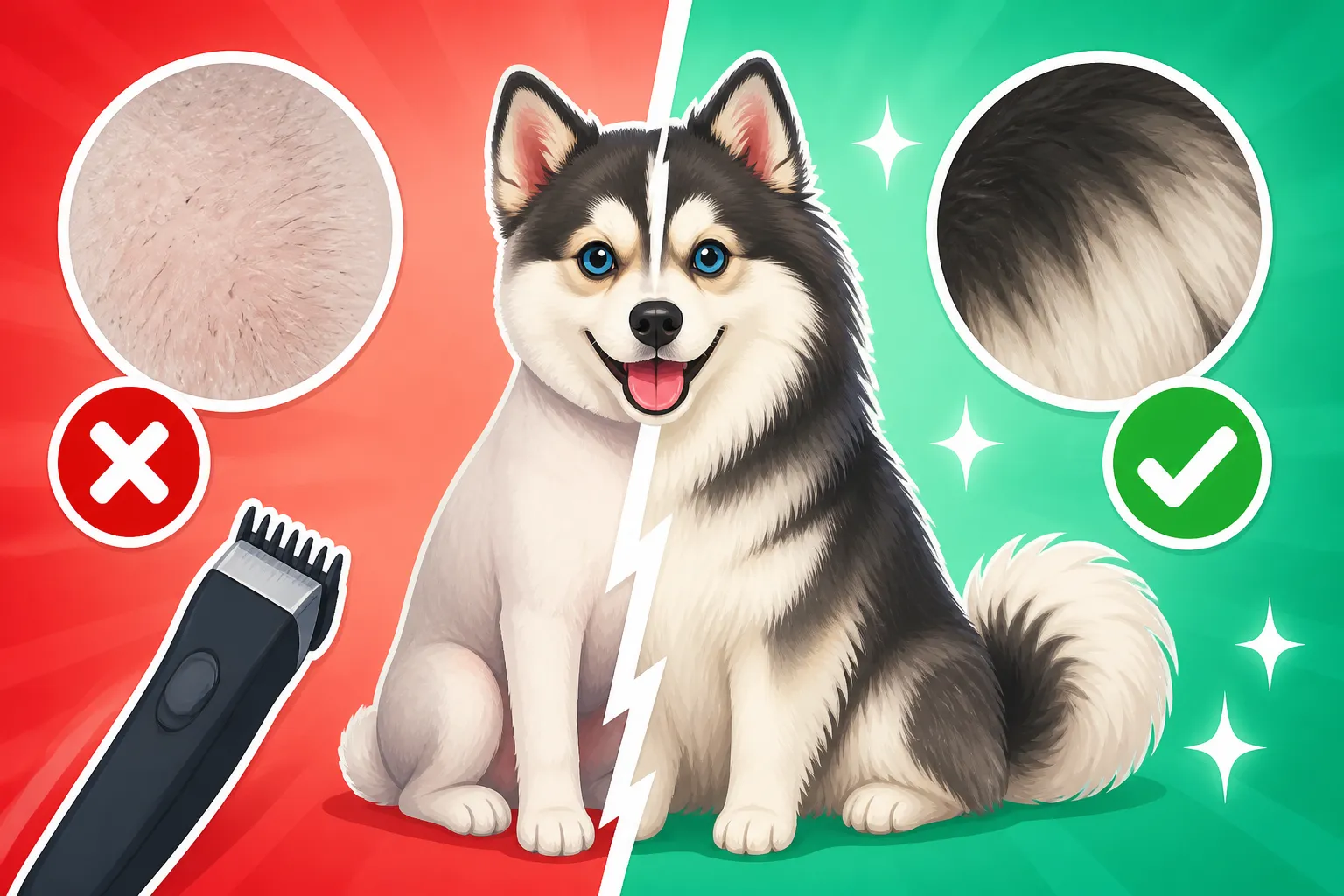
Whether Shaving a Pomsky Ruins the Coat Forever
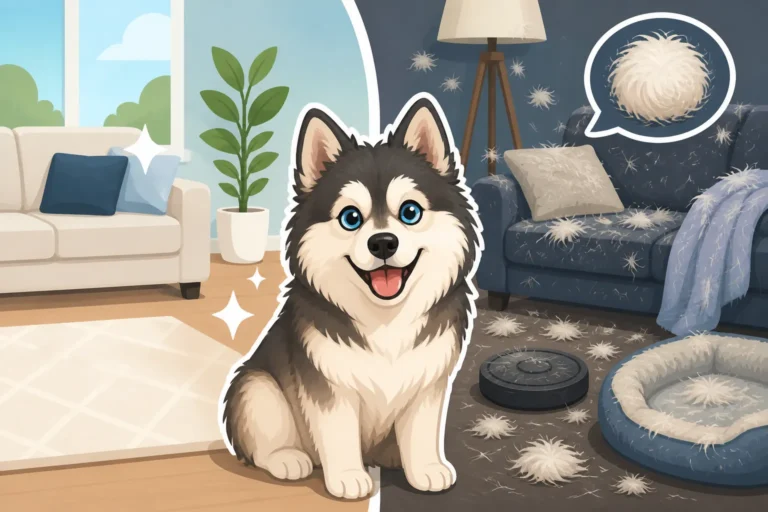
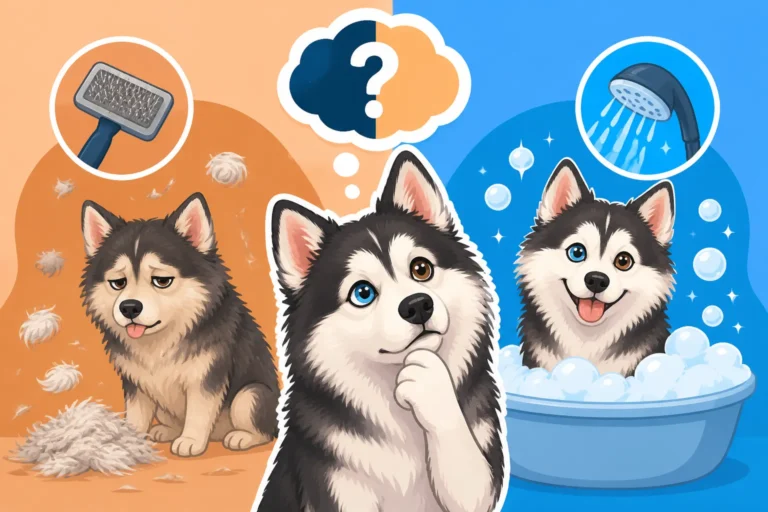
Oh, the sheer panic that grips a Pomsky owner during shedding season! You look at your beautiful, fluffy companion, and then at the tumbleweeds of fur floating across your floor, and a desperate thought creeps in: "Maybe I should just shave them?" It's a tempting idea, a quick fix to what feels like an insurmountable furry problem. But before you pick up those clippers or book that drastic grooming appointment, let's dive deep into whether shaving a Pomsky really ruins their coat forever, and what the true implications are for their health and well-being. This guide aims to unravel the mysteries of the Pomsky's unique coat and give you the realistic insights you need.
Understanding the Pomsky's Double Coat
Before we even consider altering a Pomsky's coat, it's crucial to understand what you're working with. A Pomsky isn't just fluffy; they inherit a highly specialized double coat from their Siberian Husky and Pomeranian parents. This isn't just for aesthetics; it's a marvel of natural engineering that serves vital functions.
The Structure of a Double Coat
Imagine your Pomsky's fur like a sophisticated layering system designed by nature. There are two distinct layers, each with its own purpose.
Firstly, you have the guard hairs. These are the longer, coarser, and often glossier hairs that form the outermost layer of the coat. They're what gives your Pomsky their color and distinctive markings – that beautiful husky mask or those striking patterns. More importantly, guard hairs are designed to be protective. They repel water, dirt, and debris, acting like a natural shield against the elements. Think of them as the roof tiles on a house, providing the first line of defense.
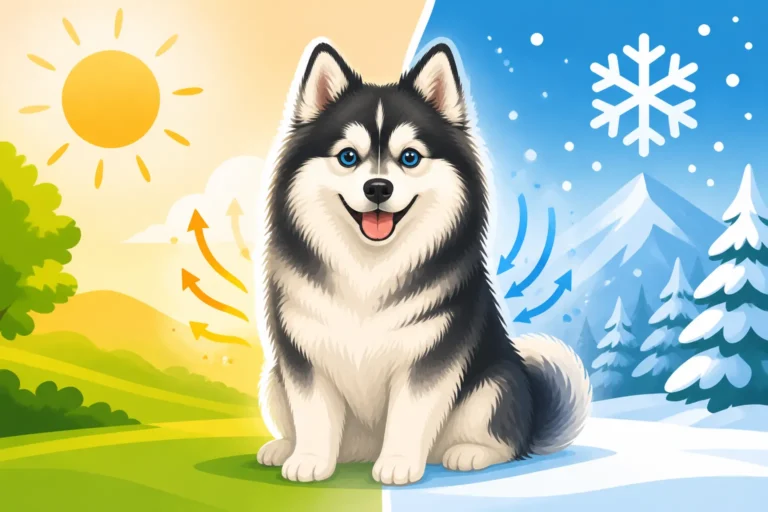
Beneath this protective outer layer lies the undercoat. This is the soft, dense, downy fluff that's usually much shorter than the guard hairs. The undercoat is your Pomsky's insulation system. In cold weather, it traps warm air close to their body, keeping them toasty. In hot weather, it works in reverse: it creates a barrier of cool air against the skin, allowing air to circulate and helping them regulate their body temperature. It's like a built-in air conditioner and heater all in one. Both the Husky and the Pomeranian possess variations of this double coat, and your Pomsky inherits this incredible genetic trait, making their coat incredibly versatile and effective.
Why a Double Coat is Essential
This dual-layer system isn't just a pretty feature; it's absolutely fundamental to a Pomsky's health and comfort.
During the colder months, that dense undercoat traps air, providing a warm, insulating layer that keeps your Pomsky snug even in frosty temperatures. Without it, they would struggle immensely to stay warm, burning extra calories just to maintain body heat. Conversely, when the temperatures climb, it's a common misconception that shaving a double-coated dog will cool them down. In reality, the opposite is often true. The undercoat actually helps create an insulating layer that prevents direct sunlight from hitting the skin and traps cooler air, allowing it to circulate and keep the dog from overheating. Think of it as shade for their skin. When you remove this layer, you expose their skin to direct sunlight and remove that crucial air-trapping mechanism.
Beyond temperature regulation, the double coat offers invaluable sun protection. Just like humans need sunscreen, dogs can get sunburned, especially on exposed skin. The guard hairs and dense undercoat act as a natural barrier, protecting your Pomsky's delicate skin from harmful UV rays. This also means fewer worries about skin cancer or discomfort from sun exposure. Furthermore, the coat provides a physical barrier against environmental hazards. It protects against scratches, scrapes, insect bites, and irritants found in plants or brush during walks and outdoor adventures. While that incredible shedding can feel like a never-ending battle, especially when you find Pomsky fluff in places you didn't know existed, it's important to remember that this seemingly endless hair is there for a reason. It's truly a frustration, I know, to constantly be vacuuming and brushing, but the integrity of their coat is vital for their overall health.
The Risks and Consequences of Shaving a Pomsky
When you bring clippers to a double coat, you're not just trimming hair; you're fundamentally disrupting a complex system. The consequences can be far more serious and long-lasting than simply getting rid of some shedding fur.
Coat Damage and "Clipper Alopecia"
This is perhaps the most significant and heartbreaking risk for Pomsky owners. When a double-coated dog is shaved, the clippers cut both the guard hairs and the undercoat at the same length. The problem is, these two types of hair grow back at different rates and with different textures.
Typically, the soft, downy undercoat grows back much faster and often thicker than the coarser guard hairs. This rapid, dense regrowth of undercoat can effectively "choke out" the slower-growing guard hairs. The result? The coat that regrows is no longer the beautiful, protective double coat you started with. Instead, it can become cottony, dull, uneven, and incredibly difficult to manage. It loses its natural luster and protective qualities. In some severe cases, dogs develop what's known as "clipper alopecia" or post-clipping alopecia. This is a condition where the shaved hair either grows back extremely slowly, grows in patchy sections, or in the worst-case scenario, doesn't grow back at all in certain areas. Imagine your Pomsky with permanent bald spots or areas of thin, wispy fur that never regains its former glory. This can be a devastating change for an owner and certainly impacts the dog's ability to regulate its own temperature. It truly is a situation where the cure can be worse than the disease. To learn more about this particular issue, you might want to look at Whether a Shaved Pomsky Regrows Only Undercoat or Whether Shaving a Pomsky Damages the Coat.
Compromised Temperature Regulation
One of the most common reasons owners consider shaving their Pomsky is the belief that it will keep them cooler in the summer. This is a dangerous misconception. As we discussed, the double coat works as an insulator in both hot and cold weather.
In the summer, the guard hairs prevent direct sunlight from reaching the skin, and the undercoat provides a layer of trapped air that acts as a natural air conditioner, allowing air to circulate and keep the dog cool. When you shave off this protective layer, you do several detrimental things. First, you expose the skin directly to the sun, increasing the risk of sunburn. Second, you remove that crucial insulating layer, which means their body has to work harder to cool itself down. It's like removing the insulation from your house in the summer – it doesn't make it cooler, it makes it harder to maintain a stable temperature. Your Pomsky can become much more prone to overheating because their natural cooling system has been compromised. The dense undercoat that grows back post-shave, without the proper guard hair coverage, can also trap heat rather than allowing it to dissipate effectively. For a deeper understanding of how their coat handles various climates, check out Why a Pomsky's Double Coat Works in Both Seasons and Whether a Pomsky Overheats in Summer.
Increased Skin and Health Issues
Beyond coat damage and temperature regulation, shaving a Pomsky can lead to a host of other health problems for their skin.
With the protective guard hairs gone, your Pomsky's skin is suddenly vulnerable. Sunburn becomes a very real and painful risk, just as it is for humans. Sunburned skin can be uncomfortable, lead to infections, and increase the long-term risk of skin cancer. Additionally, exposed skin is more susceptible to insect bites from mosquitoes, fleas, ticks, and other biting insects. These bites can cause irritation, allergic reactions, and even transmit diseases. The coat usually provides a good barrier against these pests.
Furthermore, changes in the skin's exposure and environment can lead to other skin issues. Some dogs develop allergies or experience more frequent hot spots – inflamed, infected patches of skin that can be incredibly itchy and painful. The natural oils and microbiome of the skin can be disrupted, leading to dryness, flakiness, or increased yeast and bacterial growth. It's a domino effect: you shave to solve one perceived problem, and inadvertently create several others. If you've ever dealt with hot spots, you know how quickly they can flare up, and a compromised coat can make them even worse. You might find more information in Hot Spots Under a Pomsky's Undercoat or even Whether a Pomsky With Alopecia X Sunburns for an idea of skin vulnerability.
| Feature | Shaving a Pomsky | Proper Grooming & Care |
|---|---|---|
| Coat Texture | Can become cottony, dull, uneven; "clipper alopecia" possible | Maintains natural softness, luster, and structure |
| Temperature Reg. | Compromised cooling in summer, insulation in winter; increased overheating risk | Optimal natural insulation and cooling |
| Sun Protection | Significantly reduced; high risk of sunburn | Excellent natural UV protection |
| Skin Health | Increased risk of hot spots, bites, allergies, dryness | Protected, healthy skin; reduced irritations |
| Shedding | Appears reduced initially, but undercoat sheds later; often harder to manage | Controlled and minimized through regular removal of loose hair |
| Long-Term Look | Can permanently alter appearance, sometimes patchy | Maintains breed-typical beautiful, fluffy coat |
Long-Term Impact on Coat Health and Appearance
The idea of "ruining the coat forever" isn't an exaggeration when it comes to double-coated breeds like Pomskies. While some dogs might recover better than others, the potential for permanent alteration is very real.
Permanent Changes to Coat Texture
When we talk about a coat being "ruined forever," it's often referring to the permanent alteration of its texture and quality. Even if some guard hairs eventually grow back, they might not return to their original strength, color, or protective sheen. The undercoat, having grown in thicker and faster, can dominate the overall feel of the coat, making it feel softer, more cotton-like, and less resilient. It can lose that distinctive plush, yet slightly coarse feel that's characteristic of a healthy Pomsky coat.
Think of it like cutting a robust, healthy shrub back too severely; it might grow back, but its shape and density might never be quite the same. While some individual Pomskies might experience relatively good regrowth, there's no guarantee. Many owners report that after shaving, their dog's coat became perpetually frizzy, dull, or just "off" from its original state. This isn't just an aesthetic issue; it impacts all the protective functions of the coat we've discussed. It can be incredibly disheartening for an owner who loves their Pomsky's unique look. It's a gamble with potentially irreversible consequences, and it's why most professional groomers and vets strongly advise against it. You might be interested in reading Whether a Pomsky's Coat Comes Back After a Shave for more on regrowth expectations.
Maintenance Challenges Post-Shave
Here's the frustrating irony: shaving a Pomsky often makes grooming more challenging, not less. While you might get a temporary reprieve from shedding immediately after the shave, the regrowing undercoat can become a nightmare. Because it often comes back denser and with a finer, more cottony texture, it is significantly more prone to matting.
Those fine undercoat hairs can tangle and knot very easily, especially in high-friction areas like behind the ears, under the legs, and around the tail. What was once a relatively straightforward (though time-consuming) brushing routine now becomes a battle against dense, felted mats. These mats are not only painful for your dog but can also hide skin infections and parasites. You might find yourself needing to brush even more frequently to prevent matting than you did before the shave. This added grooming burden, combined with a coat that no longer looks or feels its best, can be a source of constant frustration. Investing in good quality grooming tools, readily available on sites like Chewy or Amazon, becomes even more critical, as does learning proper line brushing techniques to get through the dense undercoat. Knowing Whether a Wooly Pomsky Mats can give you an idea of the matting challenges inherent in dense coats.
Genetic Predisposition and Coat Damage
It's also worth considering that some Pomskies might be genetically more susceptible to poor coat regrowth or skin issues after shaving. Just like people respond differently to medical procedures, dogs' bodies can react uniquely.
Pomskies inherit traits from both the Husky and the Pomeranian. Some may have a denser, more wooly undercoat inherited from a Pomeranian line, which could make them particularly prone to the undercoat overgrowing and matting issues after being shaved. Others might have underlying skin conditions or predispositions that are exacerbated by shaving. For instance, dogs with a tendency towards conditions like Alopecia X and the Pomsky That Loses Its Coat (also known as Black Skin Disease or BSD) might have an even more severe and possibly permanent negative reaction to being shaved. While shaving doesn't cause Alopecia X, it can certainly trigger or worsen hair loss in dogs already prone to it, making it harder for the coat to ever recover. It's an additional layer of risk that makes the decision to shave even more precarious for your precious companion.
Responsible Alternatives to Shaving
Now that we've thoroughly explored why shaving a Pomsky is generally a bad idea, let's talk about what you should be doing. There are plenty of effective and safe ways to manage their magnificent double coat and keep them comfortable, even in warmer weather.
Regular and Proper Grooming
The single most effective tool in managing a Pomsky's double coat, especially during shedding seasons, is consistent and correct grooming. This isn't just a quick once-over; it's a dedicated routine that helps maintain the health and integrity of their fur.
During heavy shedding, often called "blowing coat," you should be line brushing your Pomsky daily. This technique involves systematically brushing through small sections of their coat, starting from the bottom layers and working your way up, ensuring you get right down to the skin to remove all loose undercoat. Tools are key here. An undercoat rake is essential for getting through that dense undercoat without damaging the guard hairs. A good slicker brush can help remove loose hair from the top layer and smooth the coat, while a metal comb is useful for checking for any missed tangles or mats. For an in-depth look at what tools you need, check out The Undercoat Rake a Pomsky Owner Lives With.
Beyond manual brushing, a high-velocity dryer is an absolute game-changer, especially during a blowout. This isn't just for drying; it literally blasts out loose undercoat that brushing alone can't reach. It's amazing how much hair comes out with a force dryer, saving you hours of brushing and significantly reducing the amount of fur floating around your home. If you don't have one, or find the process too messy, professional groomers offer "deshedding baths" and blow-outs that are incredibly effective. These often involve specialized shampoos and conditioners designed to loosen undercoat, followed by thorough force drying. It's an investment, but it's far better than damaging your Pomsky's coat. To understand why this tool is so important, read Whether a Force Dryer Is Essential for a Pomsky.
Managing Heat Without Shaving
Given their Husky heritage, Pomskies are generally well-equipped for colder climates. However, they can still thrive in warmer regions with the right management strategies that don't involve shaving.
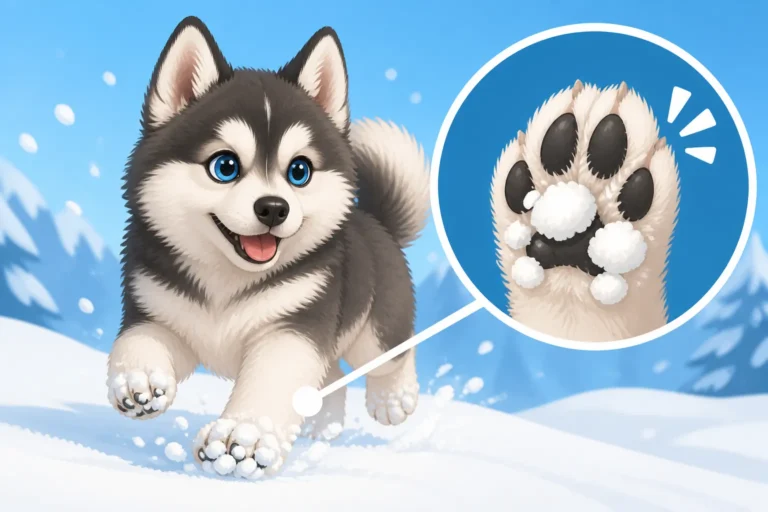
The most straightforward approach is to adjust their routine to the heat. This means walking your Pomsky during the coolest parts of the day – typically early morning and late evening. Avoid walks during the midday sun when pavement can be scorching hot (hot enough to burn their paw pads!). Always ensure they have access to plenty of fresh, cool water, both indoors and outdoors. Consider placing several water bowls around the house and yard. If you have an outdoor space, ensure there's ample shade where they can retreat. Many Pomskies love to dig cool spots in the dirt, which is a natural instinct to cool down.
Indoors, air conditioning is a must in hot climates. If your home doesn't have central A/C, portable units or fans can make a significant difference in their comfort. Cooling mats or elevated dog beds that allow air circulation can also provide a comfortable spot for them to rest. Some Pomskies enjoy wading in shallow water (like a kiddie pool) or playing with ice cubes. Always be vigilant for signs of overheating, such as excessive panting, lethargy, drooling, or wobbly legs. If you notice these, get them into a cool environment immediately and offer water. Remember, their coat works as their natural insulator; removing it actually makes them less efficient at regulating their temperature. For more tips on keeping them cool, see When to Walk a Pomsky in Summer and Whether a Pomsky Tolerates Heat Worse Than a Husky.
Nutritional Support for Coat Health
A healthy coat truly starts from the inside out. What you feed your Pomsky plays a vital role in the quality, strength, and integrity of their fur and skin.
Ensure your Pomsky is on a high-quality, nutritionally balanced diet. Look for foods with good sources of animal protein and healthy fats. Some owners find that fresh food options, like those from services such as Ollie, can make a noticeable difference in coat health due to the bioavailability of nutrients. These diets often include ingredients rich in omega fatty acids, which are crucial for skin hydration and a glossy coat.
Supplements can also play a supporting role. Fish oil (specifically omega-3 fatty acids like EPA and DHA) is one of the most beneficial supplements for coat health. It helps to reduce inflammation in the skin, promotes a healthy skin barrier, and contributes to a shiny, strong coat with less shedding. Zinc is another important mineral, especially for breeds with Nordic heritage, as deficiencies can manifest in skin and coat issues. Always consult with your veterinarian before adding any supplements to your Pomsky's diet to ensure appropriate dosage and to confirm they are necessary. A healthy, well-nourished coat will shed more predictably and be less prone to dryness, breakage, and other issues. This will make your regular grooming efforts even more effective. Dive deeper into this topic with Whether a Pomsky Needs Fish Oil.
Disclaimer
This article is for general informational purposes only and does not constitute professional advice. Laws, prices and regulations vary by location and change over time. Consult a qualified professional for guidance on your specific situation.