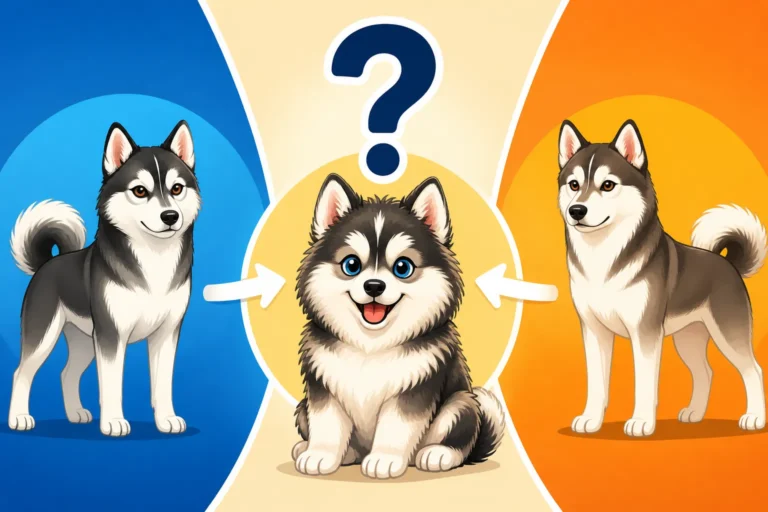
Whether a Pomsky Suits a First Time Owner
Bringing a new dog into your life is a huge decision, and if you've found yourself staring into the soulful, often mismatched eyes of a Pomsky puppy online, you're probably wondering if this captivating blend of Husky and Pomeranian is the right fit for your first foray into dog ownership. It's a common dilemma – the internet is full of adorable Pomsky photos, but the reality of living with this unique hybrid is far more complex than a picture lets on. This guide will walk you through the honest truth about what it takes to own a Pomsky, helping you understand if you're truly ready for the joys and significant challenges that come with welcoming one into your home, especially if you're a first-timer.
Understanding the Pomsky Temperament: Not Your Average Lapdog
When you combine two breeds with such distinct personalities as the Siberian Husky and the Pomeranian, you're going to get a very interesting mix. What often surprises first-time owners is the sheer unpredictability of a Pomsky's temperament. They aren't just scaled-down Huskies; they carry a strong blend of both parent breeds, and that can manifest in ways you might not expect. This means you might get a dog that's a perfect 50/50 split, or one that leans heavily towards one parent, bringing with it all the associated quirks.
The Energetic Husky Side
Don't let the smaller size fool you; many Pomskies inherit the boundless energy of their Husky ancestors. This isn't a dog content with a short walk around the block once a day. They need significant physical and mental stimulation to stay happy and well-behaved. Without it, that energy often translates into destructive behaviors, like chewing through furniture, digging up your yard, or developing an impressive talent for counter-surfing that would make a seasoned chef proud. A bored Pomsky is a mischievous Pomsky, and their intelligence only makes them more resourceful in finding ways to entertain themselves, often at your expense.
A first-time owner needs to be prepared for this commitment to exercise. We're talking vigorous play, long walks, runs, or even dog sports. Simply letting them out into the backyard, even a large one, usually isn't enough to satisfy their intrinsic drive. They need purposeful activity that tires both their body and their mind. For someone new to dogs, understanding and consistently meeting these high energy demands can be a steep learning curve, requiring a significant shift in daily routine and lifestyle.
The Alert Pomeranian Influence
While the Husky gives them energy, the Pomeranian often contributes a sharp, alert, and sometimes vocal nature. Pomskies can be excellent watchdogs, quick to notice anything out of place and just as quick to let you know about it with a distinctive bark or howl. This isn't always a bad thing, but for someone new to dogs, managing a dog that's prone to being vocal can be a challenge, especially if you live in an apartment or have close neighbors. Whether a Pomsky talks instead of barking is a common question, and the answer is usually "yes, and loudly."
Their alertness can also translate into a suspiciousness of strangers or new situations if not properly socialized from a young age. This isn't aggression, but rather a cautiousness that stems from the Pomeranian's small-dog confidence. They might be aloof with new people, or quick to let out a warning bark if someone approaches too quickly. This trait requires a patient and consistent owner who understands how to build positive associations and help their Pomsky feel secure in various environments. A first-timer might find it difficult to distinguish between normal caution and genuine anxiety, or how to properly intervene to prevent unwanted behaviors.
The Independent Streak
Both Huskies and Pomeranians possess a notable independent streak, and the Pomsky is no exception. This isn't a breed that lives to please its owner in the same way a Labrador might. They are smart, yes, but often use that intelligence to figure out how they can get what they want, rather than what you want them to do. This independent nature can be a source of endless frustration for a first-time owner expecting a dog that's eager to obey every command. You'll hear many seasoned Pomsky owners describe them as "cat-like" in their autonomy.
This independence often manifests during training sessions. While they can learn quickly, they might also decide that a particular command isn't worth their effort at that moment, especially if something more interesting catches their eye. Consistency, patience, and high-value rewards are absolutely paramount. A first-time owner needs to develop a strong leadership presence without resorting to harsh methods, which can backfire with this sensitive yet stubborn breed. Understanding their motivations and making training fun and rewarding for them is key.
Training Challenges for the Novice Owner
Let's be blunt: training a Pomsky is not for the faint of heart, especially if you're new to dog ownership. They are intelligent, yes, but that intelligence is often paired with a stubbornness and an independent nature that can be incredibly trying. What works for many other breeds might barely register with a Pomsky, meaning you need to be creative, consistent, and endlessly patient.
House Training and Crate Training Realities
House training a Pomsky puppy generally isn't more difficult than other breeds, but it requires unwavering consistency and vigilance, which can be a lot for a first-time owner to maintain. You'll need to establish a strict schedule for potty breaks, taking them out frequently, especially after waking, eating, and playing. Positive reinforcement is key – lots of praise and treats for doing their business outside. Expect accidents; they are part of the process, and reacting harshly will only set back your progress. How Long a Pomsky Puppy Takes to House Train is a common concern, and the answer varies, but consistent effort is the biggest factor.
Crate training can be a lifesaver for house training and managing a young Pomsky, but it needs to be introduced positively. Their independent nature means they won't automatically love being confined. You'll need to build a positive association with the crate, making it a comfortable, safe den rather than a punishment. Start with short periods, offering treats and praise, and gradually increase the time. A well-crate-trained Pomsky can prevent destructive chewing when you can't supervise and provide a secure space for them, but getting to that point requires dedication that a first-time owner might underestimate. Investing in a sturdy, appropriately sized crate and making it comfortable with soft bedding and engaging toys from Chewy can make a big difference in this process.
Leash Manners and Recall: A Constant Battle
This is where many first-time Pomsky owners hit a wall. Both Huskies and Pomeranians are known for their strong opinions on leashes and their even stronger desire to explore the world on their own terms. The result? A Pomsky with an impressive pull and a near-total disregard for recall, especially once a scent or movement catches their attention. Recall on a Pomsky Bred From a Dog That Runs is, to put it mildly, a significant undertaking. Many Pomsky owners will tell you that a truly reliable off-leash recall is a mythical creature.
For a first-time owner, learning how to manage a strong-willed dog on a leash without being pulled all over the neighborhood requires proper equipment, like a front-clip harness, and consistent training from day one. You'll be teaching loose-leash walking for months, if not years. When it comes to off-leash situations, many experienced Pomsky owners err on the side of caution, opting to keep their dogs leashed or only allowing them off-leash in securely fenced areas. The risk of them bolting and getting lost is too high. Whether a Pomsky Can Ever Be Off Leash is a question with a very nuanced answer, often leaning towards 'no' in unsecured public spaces.
Socialization: Crucial from the Start
A properly socialized Pomsky is a confident, well-adjusted companion; a poorly socialized one can be anxious, reactive, or even fearful. For a first-time owner, understanding the critical window for socialization (typically between 3-16 weeks) and how to safely expose a young puppy to a wide variety of sights, sounds, people, and other dogs is paramount. This isn't just about throwing them into a dog park; it's about controlled, positive experiences that build their confidence.
Think about enrolling in puppy classes, hosting puppy playdates, and taking them on adventures to pet-friendly stores or quiet parks where they can observe the world without being overwhelmed. Without proper socialization, their inherent wariness (from the Pomeranian side) or independent nature (from the Husky) can escalate into problematic behaviors like barking excessively at strangers, resource guarding, or reactivity towards other dogs. A first-time owner might struggle to identify subtle signs of stress in their puppy or how to intervene appropriately to ensure positive experiences.
Grooming and Care Expectations
If you're envisioning a low-maintenance grooming routine, you might want to reconsider a Pomsky. These dogs are double-coated, which means they come with a significant amount of fur and specific care requirements. Understanding these needs is crucial, and a first-time owner might be surprised by the sheer volume of hair involved.
The Double Coat Demands
Most Pomskies inherit the dense double coat of the Husky, scaled down for their size. This means they have a soft, insulating undercoat and a coarser, protective topcoat. This magnificent coat is designed to keep them warm in winter and cool in summer, but it also comes with a lot of shedding, especially during their "blowouts." The Pomsky That Carries a Husky Coat at Twenty Pounds is a living, shedding reality. Twice a year, usually in spring and fall, they will "blow" their undercoat, and you will find tumbleweeds of fur everywhere. Even outside of these periods, they are moderate to heavy year-round shedder.
For a first-time owner, managing this shedding requires dedication. Daily brushing, especially during blowout season, is non-negotiable. You'll need specialized tools like an undercoat rake and a slicker brush. The Undercoat Rake a Pomsky Owner Lives With is not an exaggeration – it's an essential tool. Beyond shedding, their thick coats can mat if not brushed regularly, especially behind the ears, under the legs, and around the tail. Regular baths, followed by thorough drying with a high-velocity dryer, are also important to keep their skin and coat healthy. This isn't just a quick wash; it's a multi-hour commitment. Skipping these steps can lead to skin issues, discomfort, and costly professional grooming appointments.
Exercise Needs Beyond a Quick Walk
As we touched on earlier, a Pomsky's exercise needs are significant. They are not suited for a sedentary lifestyle or for owners who only have time for a brief stroll. If you're a first-time owner thinking a small dog means small exercise needs, the Pomsky will quickly prove you wrong. They crave activity and mental engagement. Without adequate outlets, they will find their own, and you likely won't approve of their choices. This often leads to destructive chewing, excessive barking, or even attempts to escape the yard. The Exercise a Pomsky Needs Every Day is more than most people initially anticipate.
A healthy adult Pomsky typically needs at least an hour to two hours of dedicated exercise daily, which could include brisk walks, runs, hiking, fetch, or playtime at a securely fenced dog park. Beyond physical activity, they also need mental stimulation. Puzzle toys, training sessions, and interactive games are vital to prevent boredom. For a first-time owner, building a consistent routine that incorporates both physical and mental exercise can be challenging, especially when balancing it with work and other life commitments. They need an owner who is genuinely active and willing to include their dog in their adventures.
Dietary Considerations and Potential Pickiness
Feeding a Pomsky might seem straightforward, but it can present its own set of challenges for a first-time owner. Huskies are notoriously picky eaters, and this trait can certainly pass on to their Pomsky offspring. You might find your Pomsky turning up their nose at perfectly good kibble one day and devouring it the next, or simply deciding they don't like a particular brand anymore. This pickiness isn't always about health issues; it's often just their personality. Feeding a Twenty Pound Pomsky can sometimes feel like trying to please a tiny, furry food critic.
Beyond pickiness, their diet needs to be high-quality and appropriate for their age, size, and activity level. Some Pomskies can also have sensitive stomachs, requiring specific dietary management. For a first-time owner, navigating the vast world of dog foods, understanding nutritional labels, and troubleshooting a finicky eater can be overwhelming. It's often recommended to work with your vet to find a suitable diet and avoid frequent food changes, which can exacerbate digestive issues. Companies like Chewy offer a wide variety of high-quality foods, making it easier to find something that suits your Pomsky's specific needs, but the initial trial and error can be a lot.
Health and Longevity: What First-Timers Should Know
While Pomskies are a hybrid, they are not immune to health issues. In fact, they can inherit conditions from both parent breeds. A first-time owner needs to be fully aware of potential health concerns and the importance of choosing a reputable breeder to mitigate risks.
Inherited Health Concerns
Pomskies can potentially inherit health problems from both Siberian Huskies and Pomeranians. From the Husky side, concerns like The Eyes a Pomsky Gets From the Husky (such as juvenile cataracts, progressive retinal atrophy), hip dysplasia, and certain dermatological conditions like Zinc Responsive Dermatosis in a Pomsky can occur. From the Pomeranian side, patellar luxation (Slipping Kneecaps in a Pomsky), collapsing trachea, and dental issues (Dental Crowding in a Pomsky's Small Mouth) are possibilities. This means a Pomsky potentially has a broader list of inherited conditions than a purebred dog from a single line.
For a first-time owner, understanding these potential issues means being prepared for proactive veterinary care and potential medical costs. This isn't meant to scare you, but rather to arm you with realistic expectations. Regular vet check-ups, being observant of any changes in your dog's behavior or physical condition, and discussing screening tests with your veterinarian are all part of responsible ownership. Early detection can often lead to more effective management of these conditions. The Two Opposite Disease Lists a Pomsky Inherits is a key concept to grasp.
The Importance of a Reputable Breeder
This point cannot be stressed enough for first-time owners considering a Pomsky. Because they are a designer hybrid, the breeding practices can vary wildly, and many inexperienced or unethical breeders prioritize profit over health and temperament. A reputable breeder will perform extensive health testing on both parent dogs (Husky and Pomeranian) for conditions common to their breeds. This includes OFA certifications for hips and elbows, eye certifications through CERF, and patella evaluations. They should be transparent with these results and willing to discuss the health history of their breeding lines.
A responsible breeder will also prioritize temperament, ensuring their breeding dogs are well-adjusted and have good personalities. They will raise puppies in a stimulating, clean environment and begin early socialization. They will interview you thoroughly, ask about your lifestyle, and educate you on the needs of the breed. They won't pressure you into a sale and will be available for support throughout your dog's life. A first-time owner might not know what questions to ask or what red flags to look for, making it crucial to do your research and seek out established, ethical breeders. Avoiding backyard breeders or puppy mills is paramount to getting a healthy, well-adjusted Pomsky.
Long-Term Financial Commitment
Bringing home a Pomsky is not a one-time expense; it's a significant long-term financial commitment. The initial purchase price for a well-bred Pomsky can be substantial, often ranging from The Fifteen Hundred to Five Thousand a Pomsky Costs. But that's just the beginning. For a first-time owner, it's easy to overlook the ongoing costs. Consider food, which, especially if your Pomsky is picky or has sensitivities, can add up. Grooming supplies, regular vet visits, vaccinations, flea and tick prevention, and potential unexpected medical emergencies also contribute.
Then there are training classes, toys, leashes, harnesses, beds, and potentially doggy daycare or pet sitting. If you opt for pet insurance, that's another monthly bill. When planning for a Pomsky, it's wise to budget not just for the puppy, but for the lifetime of care. What Fourteen Years With a Pomsky Comes To is a substantial sum, and being prepared for this financial reality is crucial for any owner, especially a first-timer who might not have anticipated the full scope of dog-related expenses.
Lifestyle Compatibility: Is Your Home Pomsky-Ready?
Before you commit to a Pomsky, take a really honest look at your current lifestyle and living situation. These dogs aren't just pets; they become family members who significantly influence your daily routines and long-term plans. What might work for a seasoned dog owner could be overwhelming for someone new to the responsibilities.
Space Requirements and Activity Levels
Despite their often smaller size compared to a full Husky, Pomskies are not apartment dogs by default. While they can adapt to apartment living if their exercise and mental stimulation needs are rigorously met, they truly thrive in homes with securely fenced yards where they can run and play safely. Their intelligence and Husky heritage mean they can become quite destructive or vocal if confined to a small space without adequate outlets. A Pomsky That Digs is a common complaint from owners with unfenced or poorly secured yards.
For a first-time owner, managing a high-energy dog in a smaller living space means you are solely responsible for providing all their exercise outside the home, in all weather conditions, every single day. This is a considerable commitment. If you're a homebody or have a demanding work schedule that limits your ability to take long walks or frequent trips to the park, a Pomsky might not be the best fit. They need an active companion who shares their love for adventure, not someone who expects them to be content with a quick trot around the block.
Time Commitment: A Dog, Not a Decoration
A Pomsky is not a decorative accessory; they are intelligent, sensitive creatures that thrive on interaction and attention from their human companions. For a first-time owner, the sheer amount of time a dog requires can be a shock. This isn't just about walks and meals; it's about training, playtime, cuddles, grooming, and simply being present. Pomskies, like both their parent breeds, can be prone to separation anxiety if left alone for extended periods without proper training and management.
If your lifestyle involves long hours away from home, frequent travel, or a generally very busy schedule, you might struggle to provide the consistent companionship and engagement a Pomsky needs. A bored, lonely Pomsky is a recipe for behavioral problems. They need an owner who has the time and willingness to integrate them fully into their daily life, treating them as a true member of the family rather than an independent entity. This means dedicating time each day for focused attention, not just shared space.
Living with a "Talkative" Companion
If you prefer a quiet home, a Pomsky might challenge that preference. Both Huskies and Pomeranians are known for being vocal, though in different ways. Huskies are famous for their "woo-woos," howls, and expressive vocalizations that sound like they're having full conversations. Pomeranians, on the other hand, are often alert barkers, quick to sound the alarm at anything they perceive as new or out of place. Combine these two, and you often get a highly communicative dog.
For a first-time owner, managing a dog that might howl, bark, whine, and "talk" can be a significant adjustment. While some find their Pomsky's vocalizations endearing, others find it disruptive, especially in shared living spaces or quiet neighborhoods. Training can certainly help manage excessive barking, but entirely silencing a Pomsky is often an uphill battle. You need to be prepared for a dog that expresses itself audibly and embrace their unique communication style, rather than wishing for a silent companion.
Key Considerations for First-Time Pomsky Owners
| Feature | Needs of a Pomsky | Impact on First-Time Owner |
|---|---|---|
| Temperament | Energetic, independent, intelligent, vocal, can be stubborn. | Requires immense patience, consistent training, and understanding of dog behavior. Expect an opinionated companion. |
| Exercise | 1-2 hours vigorous activity daily (walks, runs, play) plus mental stimulation. | Requires an active lifestyle and dedication to daily engagement, regardless of weather or personal schedule. |
| Grooming | Dense double coat, moderate to heavy year-round shedding, seasonal "blowouts." Daily brushing during blowouts. | Significant time commitment to brushing (special tools needed) and cleaning up fur. Professional grooming may be required. |
| Training | Highly intelligent but can be stubborn; strong prey drive, questionable recall, requires positive reinforcement. | Challenges with leash pulling, recall, and consistency. Puppy classes and professional help highly recommended. |
| Socialization | Crucial from a young age to prevent wariness or reactivity. | Requires proactive exposure to diverse environments, people, and dogs in a controlled, positive manner. |
| Health | Potential for inherited conditions from both Huskies and Pomeranians (e.g., eye issues, patellar luxation, dental). | Need to research reputable breeders, be prepared for potential vet bills, consider pet insurance. |
| Time Alone | Prefers companionship, can develop separation anxiety if left alone for long periods. | May not suit owners with long work hours or frequent travel. Needs family integration. |
| Vocalization | Prone to howling, barking, "talking." | May cause issues in apartments or quiet neighborhoods. Training helps but won't eliminate all noise. |
Ultimately, while the Pomsky is undeniably adorable and full of personality, they are a significant undertaking for a first-time owner. They require an active, patient, and committed individual or family who is prepared for rigorous training, extensive grooming, and consistent exercise. If you're willing to dedicate the time, effort, and resources, a Pomsky can be an incredibly rewarding companion. But if you're looking for a low-maintenance, easy-to-train, quiet dog for your first experience, a Pomsky might prove to be more challenging than you anticipate.
Disclaimer
This article is for general informational purposes only and does not constitute professional advice. Laws, prices and regulations vary by location and change over time. Consult a qualified professional for guidance on your specific situation.