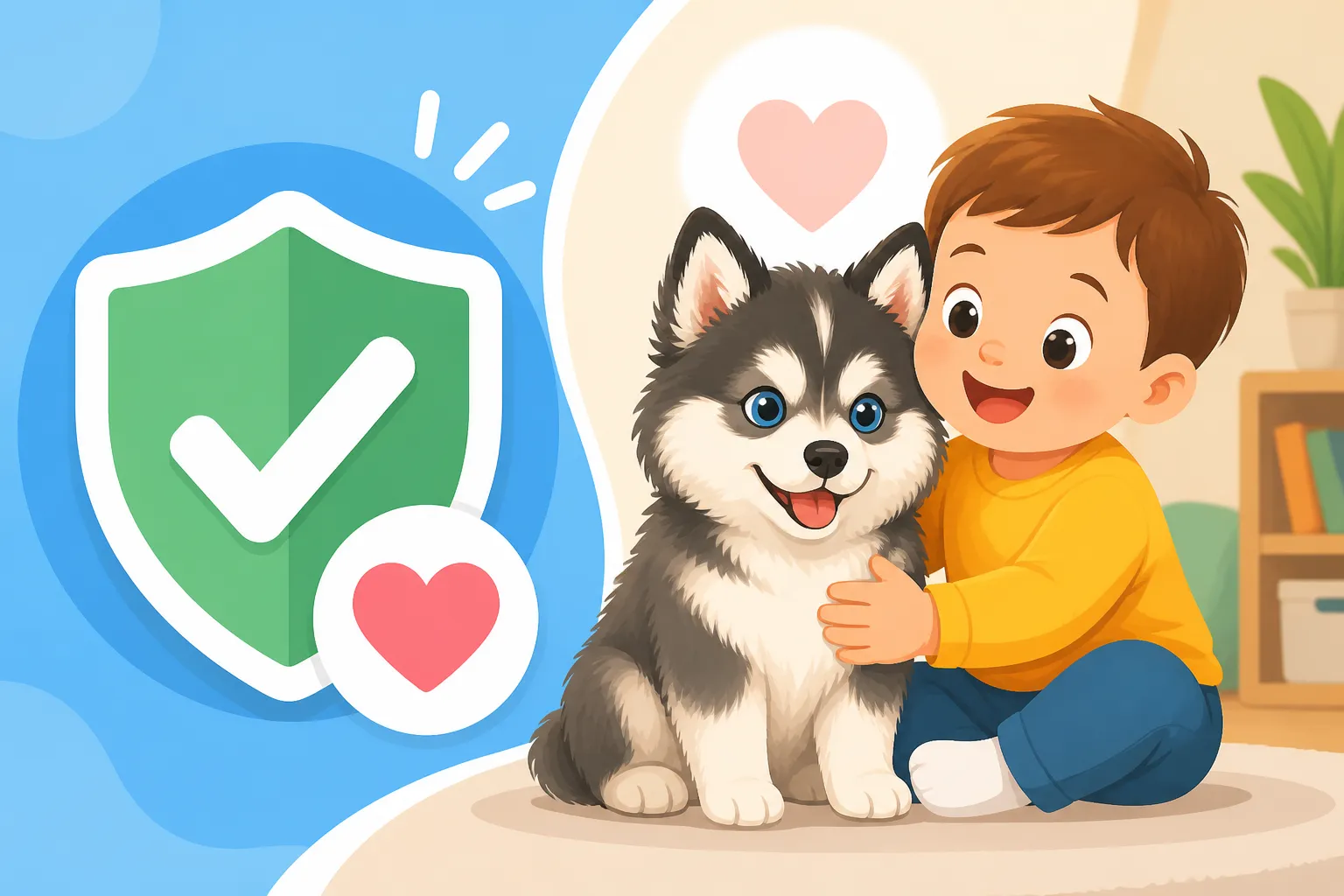
Whether a Pomsky Is Safe With Toddlers
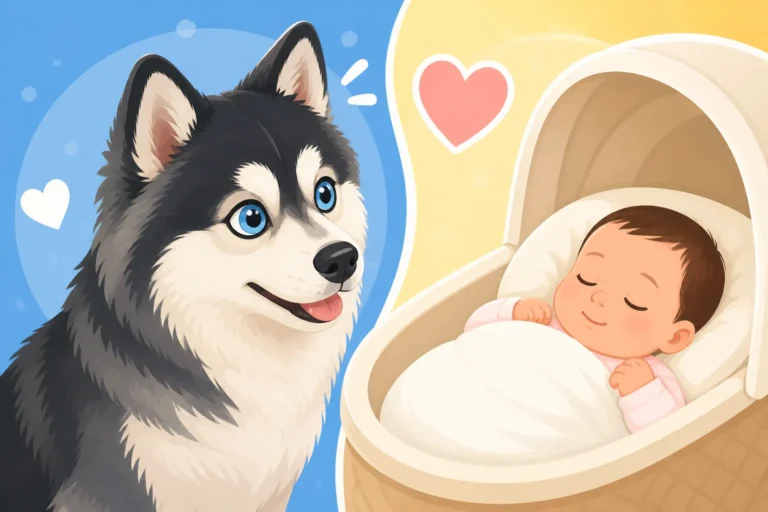
Bringing a new dog into a home with toddlers can feel like a high-stakes balancing act. You adore both your tiny humans and the idea of a furry companion, but the thought of a mismatch, or worse, an unsafe situation, is enough to keep any parent up at night. This guide isn't here to sugarcoat things; instead, we're going to dive deep into the specific traits of the Pomsky—a delightful, yet complex, mix of Husky and Pomeranian—and lay out the realistic considerations and proactive steps needed to help ensure a harmonious and safe environment for both your Pomsky and your little ones.
Understanding the Pomsky Temperament Mix
The Pomsky is a relatively new breed, and its temperament can be quite a roll of the dice, combining the traits of two very distinct parent breeds: the Siberian Husky and the Pomeranian. This genetic lottery means you might get a dog leaning more towards one parent than the other, making predictability a bit of a challenge. It's not like getting a purebred where you have centuries of predictable traits to fall back on. This variability is one of the biggest factors parents need to grapple with when considering A Pomsky in a House With Children.
The Husky's Boisterous Energy and Pack Mentality
Siberian Huskies are known for their incredible energy, their love for a good run, and their strong pack drive. They are often playful, social, and generally good-natured, but they can also be boisterous and unaware of their own strength. Imagine a miniature version of this, and you start to get a picture of a Pomsky. A Husky's idea of play might involve a lot of jumping, nipping, and chasing, which, while fun for another dog or an older child, can be overwhelming and potentially dangerous for a wobbly toddler. They might see a fast-moving, squealing toddler as a playmate to herd or chase, which can quickly escalate beyond what a small child can handle. Their natural inclination to be part of a "pack" also means they want to be involved in everything, which can sometimes lead to competition for attention or resources when a new, smaller pack member (like a toddler) arrives on the scene.
When a Pomsky inherits a strong dose of this Husky energy, they might constantly seek interaction, attention, and physical play. This isn't inherently bad, but it requires careful management around toddlers who don't understand canine body language or boundaries. A friendly nudge from a 20-pound Pomsky can easily knock over a toddler, turning a moment of playful greeting into a crying fit or even a minor injury. Furthermore, huskies are known for their independent streak and intelligence, which can make them quite cunning. A Pomsky inheriting this trait might be clever enough to open gates or slip past barriers, adding another layer of challenge to maintaining a safe environment.
The Pomeranian's Assertive Nature and Potential for Snapping
On the flip side, we have the Pomeranian influence. Poms are small, feisty, and often have a "big dog" personality in a tiny package. They can be incredibly loyal and affectionate with their families, but they can also be quite assertive, possessive, and prone to "small dog syndrome." This often manifests as territorial behavior or a lower tolerance for rough handling, loud noises, or sudden movements. A Pomeranian might snap or nip if it feels startled, threatened, or cornered, especially by a curious or clumsy toddler who doesn't understand personal space. This isn't malice; it's often a defense mechanism from a dog that feels vulnerable due to its size.
When a Pomsky leans more towards the Pomeranian side, they might exhibit some of these traits. They could be less tolerant of a toddler pulling an ear, grabbing their tail, or getting too close to their food bowl or favorite toy. This can be especially concerning if the Pomsky isn't well-socialized or if it hasn't learned bite inhibition. A quick nip from a Pomsky, even a warning one, could cause significant fear or injury to a toddler's delicate skin. It's crucial to remember that while Pomeranians are small, their bites can still break the skin and create a lasting negative impression for a child, making them wary of dogs in general. The combination of strong personality and smaller size means they might feel the need to stand their ground more vociferously. Whether a Pomsky Snaps at Children is a very real concern that needs proactive management.
The Unpredictability of a Hybrid Temperament
The true challenge with a Pomsky is that you don't always know which traits will dominate. You might get a Pomsky with the high energy of a Husky and the low tolerance of a Pomeranian, or a mix of traits that come out in unexpected ways. This unpredictability is what makes specific advice about Whether a Pomsky Is Gentle With a Toddler so difficult. Each Pomsky is truly an individual. They are not a standardized breed, meaning genetic consistency from one litter to the next is simply not there in the same way it would be for a well-established purebred. Two Pomsky puppies from the same litter could have vastly different temperaments and reactions to children. One might be incredibly tolerant and laid-back, while the other might be high-strung and reactive.
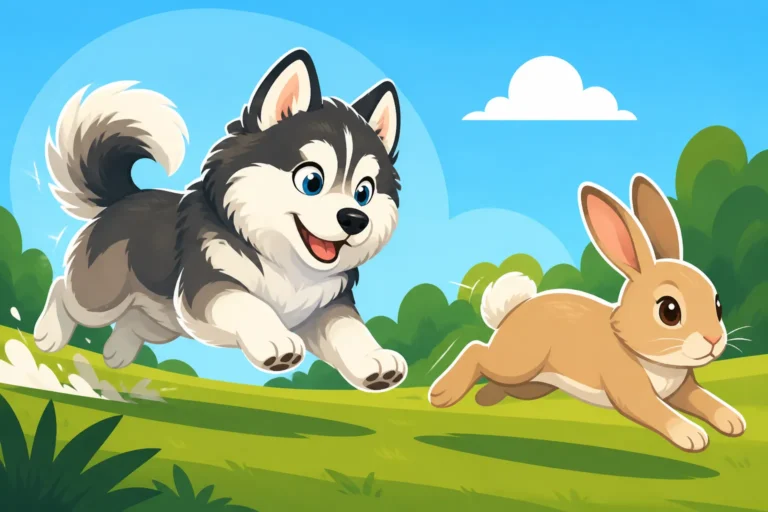
This blend of genetics means that a Pomsky might also inherit the prey drive common in Huskies, which can be problematic around small, fast-moving children. On the other hand, they might get the reserved or suspicious nature of some Pomeranians towards strangers, which could extend to unfamiliar children. It's not a matter of simply blending the best of both worlds; sometimes, you get a combination of challenging traits from both sides. This inherent unpredictability underscores the absolute necessity of rigorous socialization, consistent training, and constant vigilance, especially when integrating a Pomsky into a home with toddlers.
Common Challenges and Potential Risks
Even with the best intentions and a well-meaning Pomsky, certain inherent behaviors and characteristics can pose challenges or risks when they interact with toddlers. It's not about whether your dog is "good" or "bad," but about understanding natural canine instincts and how they might manifest around the unique developmental stage of a toddler. Toddlers are still learning cause and effect, personal space, and appropriate interactions, which can be a recipe for misunderstanding with a dog.
Nipping, Mouthing, and Resource Guarding Instincts
Puppies, regardless of breed, naturally explore the world with their mouths. This mouthing can escalate into nipping, especially during play or when overstimulated. While a puppy nip on an adult might be an annoyance, a nip from a Pomsky puppy on a toddler can be frightening and painful. Pomskies, particularly those with strong Husky genes, can be quite mouthy during play. Furthermore, both Huskies and Pomeranians can exhibit resource guarding behaviors—protecting their food, toys, or even their favorite resting spots from perceived threats. A toddler, unaware of these boundaries, might innocently approach a Pomsky's food bowl or try to grab a toy, triggering a growl, snap, or nip from the dog.
This isn't necessarily aggression in the malicious sense, but rather an instinctual preservation behavior. However, the outcome for a toddler can be severe, both physically and emotionally. It's a critical safety issue, as a child might not understand the warning signs, and a dog's patience has limits. Early training to teach bite inhibition and to prevent resource guarding is paramount. You need to be able to safely remove the dog from such situations or prevent them from happening in the first place. This is where programs like BAXTER & Bella can be incredibly helpful for Raising a Pomsky Puppy, offering guidance on how to manage these instinctual behaviors from a young age.
The Impulse to Chase or Herd Small, Fast-Moving Figures
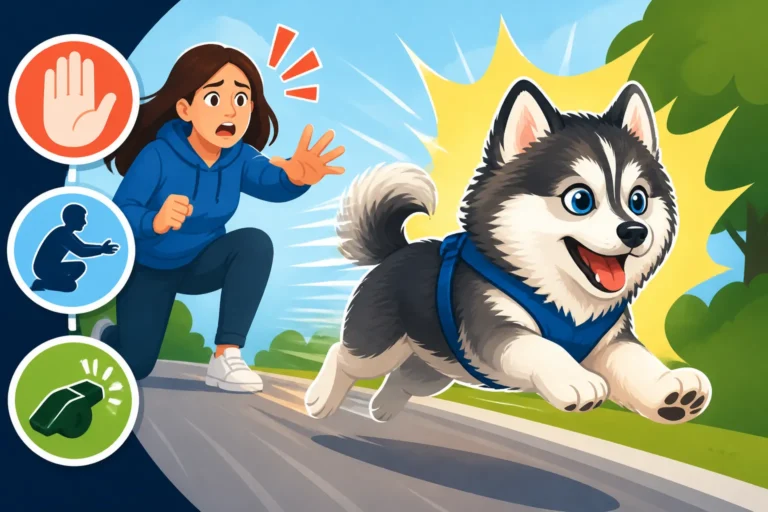
Siberian Huskies have a strong prey drive, an instinct to chase and sometimes catch small, fast-moving animals. While a toddler is certainly not prey, their quick, unpredictable movements, high-pitched squeals, and small stature can unfortunately trigger a similar instinct in a Pomsky that has inherited this trait. A Pomsky might see a toddler running across the room as an invitation to chase or "herd" them, which can involve nipping at heels, barking, or even knocking the child over. This is particularly relevant given The Prey Drive a Pomsky Gets From the Husky.
This behavior, though often playful in the dog's mind, can be terrifying for a toddler and can easily lead to accidental injuries. A Pomsky might not intend to hurt the child, but the force of a dog running into a small human, or a playful nip on the back of a leg, can cause them to fall and hit their head or get scratched. Managing this instinct requires constant supervision and training focused on impulse control and a reliable recall, even indoors. Without careful management, this can quickly become a significant safety concern for both the child and the dog.
Accidental Injuries Due to Size and Exuberance
Pomskies are small to medium-sized dogs, typically ranging from 15 to 35 pounds. While they aren't massive, a 20-pound dog enthusiastically jumping or charging can easily overpower a toddler. Their exuberance, especially during playtime or when greeting people, might lead them to jump up, bump into, or accidentally knock over a small child. This is less about aggression and more about a lack of awareness of their own body and the fragility of a human child.
Think about a common scenario: you come home, and your Pomsky is overjoyed. It jumps up to greet you. If a toddler is standing nearby, they could easily be caught in the crossfire. Even a tail wagging vigorously at eye level can be a hazard for a small child. The risk of accidental injury, such as a scratched face from an excited paw, a bump to the head from an enthusiastic jump, or a fall from being knocked over, is very real. This means that even the most loving and well-intentioned Pomsky needs careful supervision around toddlers, especially when the dog is excited.
Proactive Strategies for Safe Interaction
Successfully integrating a Pomsky into a home with toddlers requires a proactive and consistent approach. It’s not just about managing incidents as they happen; it’s about setting up an environment and routines that minimize risks and foster positive interactions from the start. This involves a commitment to training, constant supervision, and thoughtful management of your home environment.
Early and Consistent Socialization and Training
One of the most powerful tools in your arsenal is early and consistent socialization. From the moment you bring your Pomsky puppy home, expose them to a variety of sights, sounds, people, and appropriate experiences. This includes calm, supervised interactions with well-behaved children (once your puppy is fully vaccinated and cleared by your vet). The goal isn't just exposure but positive associations. Make sure these experiences are always positive and never overwhelming. Praise and reward calm behavior. Formal puppy classes, which often include exposure to different people and age groups, can be incredibly beneficial for Raising a Pomsky Puppy.
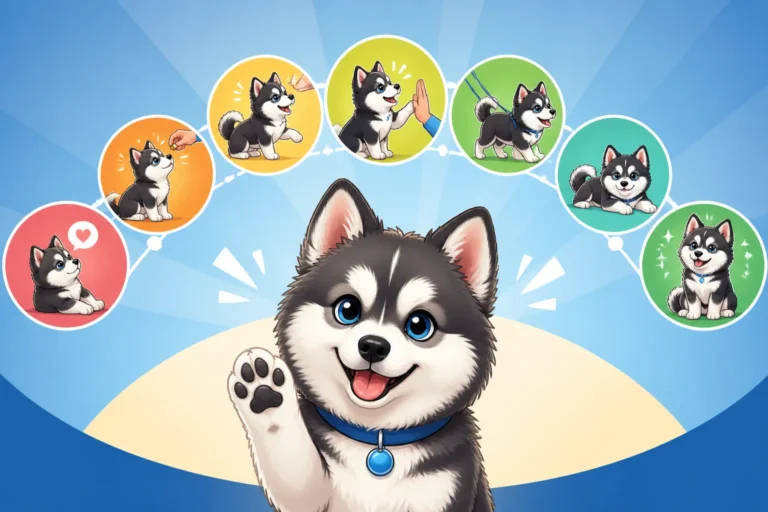
Beyond socialization, consistent training is non-negotiable. Focus on foundational commands like "sit," "stay," "down," "leave it," and a rock-solid "recall." These commands are not just tricks; they are vital safety cues that allow you to manage your Pomsky's behavior in real-time, especially when a toddler is nearby. If your Pomsky starts to get too excited, a firm "down" or "stay" can prevent a bump or a chase. Work on impulse control, teaching your dog to wait patiently for rewards rather than lunging. Consistent training, even just 10-15 minutes a day, makes a huge difference in building a well-behaved dog capable of navigating a busy household. Remember, Recall on a Pomsky Bred From a Dog That Runs can be challenging, so practice diligently.
Establishing Clear Boundaries and Constant Supervision
Clear boundaries are crucial for both your Pomsky and your toddler. Your Pomsky needs to understand what areas are theirs and what areas are off-limits, especially when children are present. This might mean having a designated dog bed or crate in a quiet corner where they can retreat. Likewise, your toddler needs to understand that the dog’s space is sacred and should not be disturbed. This mutual respect is built through consistent enforcement by you, the parent. A dog crate, for instance, can become your dog's safe haven. For tips on this, consider resources about Whether a Pomsky Should Sleep in a Crate.
More importantly, constant supervision is absolutely essential. This means never leaving your Pomsky and your toddler unsupervised, even for a moment. Accidents can happen in a blink of an eye. You should always be within arm's reach, ready to intervene, redirect, or separate if necessary. Think of it as supervising two toddlers—one furry, one human—who speak different languages. You are the interpreter and the safety manager. This level of vigilance can be exhausting, but it's the bedrock of a safe household when dogs and young children live together. When you can't actively supervise, use management tools like gates or crates.
Creating Designated Safe Spaces for Everyone
Both your Pomsky and your toddler need their own safe spaces where they can retreat and be undisturbed. For your Pomsky, this could be a comfortable crate, a dog bed behind a baby gate, or a room that is inaccessible to the toddler. This gives your dog an escape route from the sometimes-overwhelming attention or unpredictable movements of a child. It allows them to decompress and reduces the likelihood of them feeling cornered or stressed. This is particularly important when visitors are over, or when the household is generally chaotic.
Similarly, your toddler needs areas where they can play without the dog constantly hovering or potentially interfering. This might mean a playpen, a gated-off section of a room, or even just teaching your dog to stay on their bed while the child plays. These physical barriers are not just about safety; they're about teaching both parties appropriate boundaries and reducing the potential for conflict. For example, a baby gate might mean your Pomsky can still see and be part of the family action, but without direct access to your toddler's playtime. You can find a wide variety of sturdy dog gates on Amazon that can help create these necessary boundaries.
Essential Tools and Techniques for Management
Beyond the foundational training and environmental setup, there are specific tools and techniques that can greatly assist in managing a Pomsky in a home with toddlers. These aren't shortcuts but rather aids that empower you to be a more effective leader and ensure a safer, more predictable environment for everyone.
Utilizing Positive Reinforcement and Professional Guidance
Positive reinforcement is the cornerstone of effective dog training, especially when you're aiming for a well-adjusted family pet. This means rewarding desired behaviors with treats, praise, or toys, rather than punishing unwanted actions. For example, if your Pomsky is calmly lying on their bed while your toddler plays, reward them! This reinforces that calm behavior around children is good. If your Pomsky ignores a dropped cracker and looks to you instead, that's a jackpot moment. Positive reinforcement builds trust and encourages your Pomsky to want to behave appropriately, rather than acting out of fear.
For many families, professional guidance can be a game-changer. A certified professional dog trainer or a behaviorist specializing in family dogs can provide invaluable tailored advice and hands-on support. They can assess your specific Pomsky's temperament, your home environment, and your toddler's behaviors to create a personalized training plan. They can also help address specific issues like resource guarding or excessive mouthing. Resources like BAXTER & Bella offer online puppy training programs that provide comprehensive courses and one-on-one coaching, which can be incredibly helpful for new Pomsky owners navigating these challenges, even if you can't attend in-person classes. Don't hesitate to seek help; it's an investment in the safety and harmony of your household.
Selecting Appropriate Equipment and Management Aids
The right equipment can make a world of difference in managing your Pomsky's interactions with toddlers. High-quality, sturdy baby gates are indispensable for creating physical barriers between your dog and child when direct supervision isn't possible, or when one needs a break from the other. Look for gates that are tall enough that your Pomsky can't jump over them and that are securely installed. A secure crate, as mentioned before, provides a safe haven for your dog. Make sure it's comfortable and seen as a positive space, not a punishment.
For walks, a well-fitting harness is often preferable to a collar, especially for Pomskies who might inherit a tendency to pull or slip out of a collar. A harness gives you more control and is safer for their trachea. For puppies who are still learning bite inhibition, having a variety of appropriate chew toys readily available can redirect their mouthing away from human skin or household items. You can find a vast array of these safety and training items on Amazon, from durable chew toys to various types of gates and harnesses designed for active dogs. These aids are not substitutes for training and supervision, but they are essential tools in your management toolkit.
Educating Children on Respectful Dog Etiquette
It's not just about training the dog; it's equally important to train the tiny humans! Toddlers are naturally curious, but they don't instinctively understand how to interact safely and respectfully with a dog. Teach your toddler foundational rules like "no pulling tails or ears," "no bothering the dog when it's eating or sleeping," and "always use gentle hands." Use simple, consistent language. Demonstrate appropriate petting (gentle strokes on the back, not patting the head) and how to recognize when a dog wants to be left alone. Teaching them to "be a tree" (stand still and quiet) if the dog gets too bouncy can also be helpful.
Empower your child to understand that dogs have feelings and need their space. Supervise every single interaction, actively guiding your child's hands and reminding them of the rules. As your child gets older, they can participate more in the dog's care, like helping to fill the food bowl (under supervision) or throwing a toy, fostering a positive bond. Consistency is key here. If you allow your child to get away with rough handling once, it sends a mixed message and can erode the dog's trust or patience. Education on both sides creates a safer and more loving environment for everyone involved.
Before Bringing a Pomsky Home: Crucial Considerations
Deciding to bring a Pomsky into a family with toddlers is a big decision, and it’s one that should be approached with careful consideration and realistic expectations. It’s not just about how cute they are; it’s about ensuring a lifelong commitment to a safe and happy home for both your dog and your children. Rushing this decision can lead to heartbreak and difficult situations down the line.
Thoroughly Assessing the Individual Pomsky's Temperament
As we've discussed, Pomsky temperaments can vary wildly due to their hybrid nature. Therefore, it is absolutely paramount to assess the individual puppy or adult dog’s temperament before bringing them home. This means spending time with the specific dog, observing their reactions to noise, handling, other dogs, and ideally, calm children if the breeder or rescue allows. Look for signs of nervousness, aggression, or excessive exuberance. A Pomsky that is overly shy, nippy, or extremely high-energy might require more experienced handling than a family with toddlers can realistically provide.
A reputable breeder will often conduct temperament testing on their puppies or have a good understanding of each puppy's personality. They should also be transparent about the temperaments of the parent dogs. If you're considering an adult Pomsky from a rescue, ask about their history with children and observe their interactions closely. A dog’s past experiences heavily influence their current behavior. Don't choose the "runt" out of pity if it seems overly timid, nor the most dominant if you're not prepared for an assertive personality. Always prioritize a calm, confident, and well-socialized individual when children are in the home. You want a Pomsky that has already shown signs of being Whether a Pomsky Is Good With Children.
Evaluating Your Family's Lifestyle and Capacity for Management
Be brutally honest with yourself about your family's lifestyle and your capacity to manage a Pomsky's specific needs, especially alongside the demands of raising toddlers. Pomskies are intelligent, energetic dogs that require significant mental stimulation and physical exercise. They are not content to be left alone for long periods without activity, and a bored Pomsky can become a destructive or noisy Pomsky. Do you have the time and energy for daily walks, playtime, training sessions, and consistent supervision of both your dog and your child? A Pomsky needs more than just a yard; they need engaging activities. This often means daily, vigorous exercise, which is harder to fit in when you're chasing after a toddler.
Consider your home environment: Is it secure? Do you have a fenced yard (and remember that The Pomsky Escape Artist in a Twenty Pound Body means fences need to be secure)? Can you dedicate the necessary space and resources to provide separate safe zones? Are you prepared for the grooming commitment of a double-coated dog, which can be considerable, especially during "blowouts" when they shed heavily? The "fluffy mini-husky" image can be alluring, but the reality of living with an active, smart, and sometimes stubborn dog alongside young children requires a significant, ongoing commitment. Whether a Pomsky Can Be Left Alone for extended periods is a common challenge for many working families.
The Importance of a Responsible Breeder's Input
The breeder you choose plays an enormous role in the health and temperament of your future Pomsky. A responsible breeder prioritizes temperament, health, and ethical breeding practices. They will health test their parent dogs for genetic conditions common to Huskies and Pomeranians, helping to ensure puppies are as healthy as possible. They will also be transparent about the parent dogs' temperaments and provide early socialization for their puppies. They will not shy away from your questions and will likely ask you many questions in return, to ensure their puppies are going to suitable homes.
A responsible breeder will also educate you on the specific needs of the Pomsky, including potential challenges with children. They won't promise you a "miniature Husky" or guarantee a specific size or temperament without caveats. They should allow you to meet the parent dogs (at least the mother) and observe the puppies in their living environment. Avoid any breeder who pressures you into a sale, doesn't allow visits, or can't provide health clearances for the parents. Their guidance and the foundation they provide for the puppy are invaluable for setting your family up for success.
Here's a quick comparison of common Pomsky traits and how they might intersect with life with a toddler:
| Pomsky Trait (Potential) | Impact on Toddlers | Management Strategy |
|---|---|---|
| High Energy & Exuberance | Accidental bumps, knocking over, enthusiastic jumping. | Consistent exercise, training for impulse control, gates. |
| Prey Drive/Chasing Instinct | Chasing running toddlers, nipping at heels. | Strict "leave it" command, leashed walks, constant supervision. |
| Mouthiness/Nipping | Playful nips that hurt, exploration with mouth. | Redirect to appropriate chew toys, teach bite inhibition. |
| Resource Guarding | Protecting food/toys from curious toddlers. | Feed/treat in a separate room, teach "drop it," secure dog's space. |
| Assertive/Low Tolerance | Snapping if startled, poked, or cornered. | Teach "gentle hands" to children, create safe retreat for dog. |
| Need for Attention | Barking, nudging, competing for parent's attention. | Teach "place" command, provide engaging enrichment toys. |
| Escape Artist Tendencies | Slipping past gates, out of doors, off leash. | Secure containment, reliable recall, microchip, GPS tracker. |
| Double Coat Shedding | Hair on everything, potential allergens for sensitive kids. | Regular grooming (force dryer, rake), vacuuming, air purifiers. |
Disclaimer
This article is for general informational purposes only and does not constitute professional advice. Laws, prices and regulations vary by location and change over time. Consult a qualified professional for guidance on your specific situation.