Hip Dysplasia in a Twenty Pound Pomsky
It's heartbreaking to see your spirited Pomsky, especially a little twenty-pound dynamo, suddenly hesitant to jump, or limping after a playful romp. Many owners are caught off guard, thinking that smaller dogs are immune to severe joint conditions like hip dysplasia. This comprehensive guide will walk you through everything you need to know about hip dysplasia in your Pomsky, from understanding its origins to managing it effectively and ensuring your furry friend lives their happiest, most comfortable life.
Understanding Hip Dysplasia in Pomskies
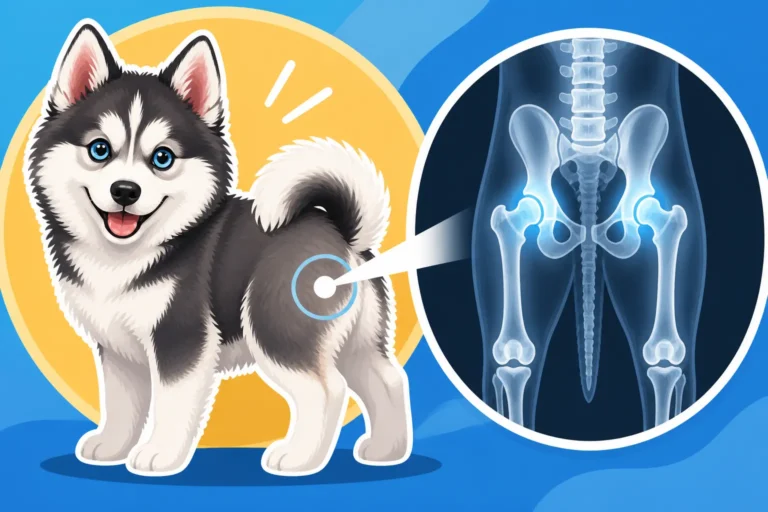
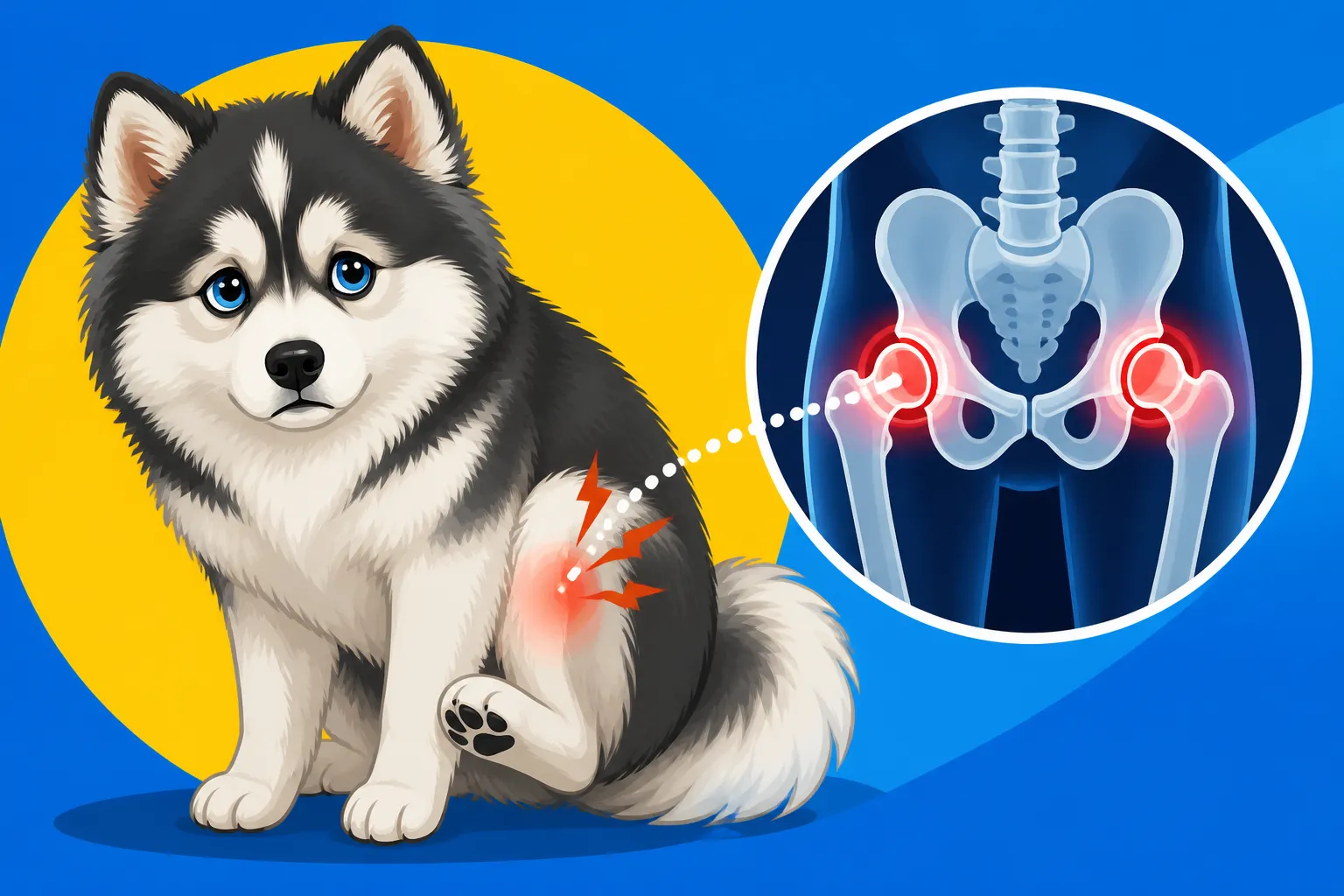
Hip dysplasia is a condition that sounds intimidating, and frankly, it can be. It's a malformation of the hip joint, where the ball (femoral head) and socket (acetabulum) don't fit together snugly. Instead of gliding smoothly, they grind and rub, leading to degeneration over time. This can cause pain, lameness, and eventually, debilitating arthritis. When you picture a Pomsky, you might envision a fluffy, energetic companion, and the idea of them struggling with mobility is truly distressing.
What is Hip Dysplasia Anyway?
At its core, hip dysplasia is a developmental orthopedic disease. It's not something that happens overnight, but rather a progressive condition that starts early in a dog's life, even if symptoms don't show up until much later. Imagine a poorly fitted puzzle piece; over time, forcing it into place will wear down the edges and cause damage. That's essentially what happens with a dysplastic hip. The loose fit causes excessive wear and tear on the cartilage and bone, leading to inflammation, pain, and the development of degenerative joint disease, or osteoarthritis. This degeneration means that even if the initial malformation is mild, the long-term consequences can be significant. It’s a silent thief of comfort and mobility, slowly but surely impacting your Pomsky’s ability to move freely and without pain.
Why a Smaller Pomsky Still Gets Hip Dysplasia
There's a common misconception that hip dysplasia is solely a problem for giant breeds like German Shepherds or Golden Retrievers. While it's certainly prevalent in larger dogs, smaller breeds, including a 20-pound Pomsky, are absolutely not exempt. The genetic predisposition exists in both parent breeds – the Siberian Husky and the Pomeranian – and therefore, it can be passed down to their offspring. A 20-pound Pomsky might not carry the same sheer body weight as a 70-pound Husky, but the mechanics of a poorly formed hip joint are still devastating.
In fact, sometimes the signs can even be harder to spot in a smaller dog because their agility and lighter frame might mask mild discomfort for longer. Owners might mistake a subtle limp or reduced activity for normal fatigue or just being a "lazy" dog, when in reality, their little one is experiencing chronic pain. It's not about the size of the dog, but the health of the joint structure itself. Whether your Pomsky is on the smaller end of the spectrum or closer to their Husky parent's size, the risk of Hip Dysplasia in a Pomsky remains a serious consideration.
How Hip Dysplasia Progresses
Hip dysplasia is a progressive disease, meaning it tends to get worse over time if left unmanaged. In the early stages, a young Pomsky might show intermittent lameness after heavy exercise, or a slight "bunny hop" gait when running. The pain might not be constant, perhaps only flaring up after strenuous activity. As the disease advances, the joint becomes more damaged. The cartilage erodes, bone spurs (osteophytes) can form around the joint, and the supportive ligaments can stretch or tear.
This leads to chronic pain, persistent lameness, and a noticeable reduction in activity. You might see your Pomsky struggling to get up from a lying position, avoiding stairs, or being reluctant to play. Eventually, severe arthritis sets in, making even simple movements excruciating. The muscles around the hip may also begin to atrophy due to disuse, further weakening the joint. Understanding this progression is key to early intervention, which can significantly slow the disease and improve your Pomsky's quality of life.
The Genetic Roots: Husky and Pomeranian Influence
One of the unique aspects of the Pomsky is its lineage, blending two very different breeds. This mix, while adorable, also means they inherit a "disease list" from both sides, as highlighted in "The Two Opposite Disease Lists a Pomsky Inherits". When it comes to hip dysplasia, both parent breeds contribute to the genetic lottery.
The Husky's Legacy: A Major Contributor
The Siberian Husky, known for its incredible endurance and powerful build, unfortunately, has a known predisposition to hip dysplasia. While not as high as some larger breeds, the risk is definitely present. A Pomsky inheriting more of the Husky's bone structure, even if scaled down to 20 pounds, carries that genetic blueprint. If a Husky parent has poor hip conformation, those genes can easily be passed on.
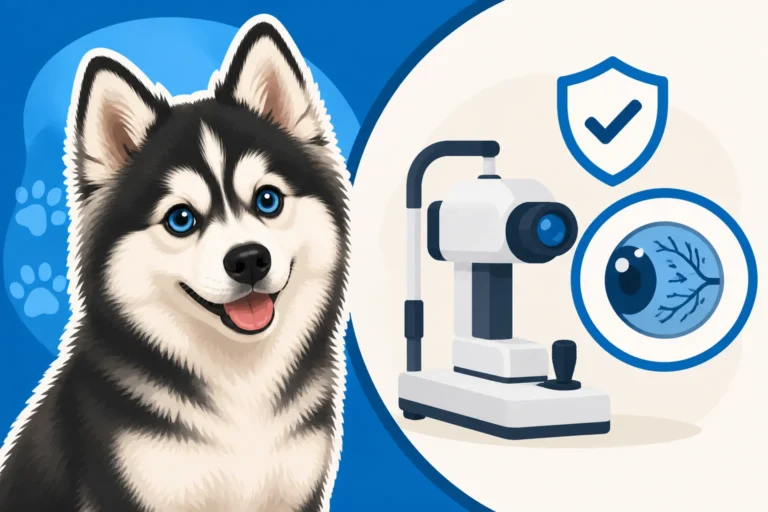
For a Pomsky, this means that even if they aren't built for sledding, the underlying genetic fault can still manifest. The powerful hindquarters that give Huskies their drive can be compromised if the hips aren't properly formed. This is why responsible breeders of Pomskies prioritize hip evaluations of their breeding Huskies, using certifications like those from the Orthopedic Foundation for Animals (OFA) or the University of Pennsylvania Hip Improvement Program (PennHIP) to minimize risk.
The Pomeranian's Role: Not Entirely Innocent
While Pomeranians are generally not known for hip dysplasia in the same way large breeds are, they aren't entirely off the hook. Smaller breeds can and do get hip dysplasia, and more commonly, they are prone to patellar luxation, or "slipping kneecaps." In some cases, concurrent hip and knee issues can exacerbate symptoms or make diagnosis more complex. For example, a Pomsky with Slipping Kneecaps in a Pomsky might also have undiagnosed hip issues.
The Pomeranian's genetic contribution, while less dominant for hip dysplasia specifically, still plays a role in the overall joint health of a Pomsky. It's a reminder that mixed breeds are a genetic tapestry, and understanding both sides is crucial. Don't let the smaller size of your Pomsky lull you into a false sense of security regarding hip health.
Understanding Inheritance Patterns in Mixed Breeds
The genetics of hip dysplasia are complex and polygenic, meaning multiple genes contribute to its development, alongside environmental factors. In a mixed breed like a Pomsky, this complexity is magnified. You're essentially blending two different genetic pools, each with its own predispositions. An F1 Pomsky (first generation cross) will have a 50/50 genetic split, which means there's less predictability in terms of which traits, good or bad, they will inherit. This is why some breeders prefer F2 or later generations, believing they offer more predictability, although this is a topic of ongoing debate in the breeding community.
It’s not as simple as saying "if the parents have good hips, the puppy will too." While parental hip scores are the best indicator we have, there's always a chance for recessive genes to express themselves. This is why environmental factors, such as nutrition and appropriate exercise during crucial growth periods, also play a significant role in determining the severity of hip dysplasia in a genetically predisposed Pomsky.
Recognizing the Signs and Symptoms
Catching hip dysplasia early in a 20-pound Pomsky can be tricky because their smaller size and inherent playfulness might mask initial discomfort. However, being vigilant and knowing what to look for can make all the difference in getting them the help they need sooner.
Subtle Early Clues in a Small Dog
In the early stages, your Pomsky might not be obviously limping or crying out in pain. Instead, you might notice more subtle changes. Perhaps they are a bit reluctant to jump onto the couch or into the car, something they used to do without a second thought. They might show a decreased interest in playing fetch or going for longer walks. You might observe a slight stiffness, especially after resting or first waking up, which seems to improve as they "warm up."
Another subtle sign can be a change in how they sit; instead of a neat, square sit, they might start to "frog-sit" with one or both legs splayed out to the side, which can be an unconscious way for them to alleviate pressure on their hips. Pay close attention to these small behavioral shifts – they are often your Pomsky's quiet way of telling you something isn't quite right.
Visible Changes in Gait and Activity
As hip dysplasia progresses, the signs often become more apparent. You might notice a definite lameness in one or both hind legs, particularly after exercise. Their gait might change, appearing more stiff, wobbly, or unbalanced. Some Pomskies develop what's known as a "bunny hop" when they run, using both back legs simultaneously to propel themselves forward, rather than alternating them. This is an attempt to minimize the movement and discomfort in their hips.
Your typically active 20-pound Pomsky might start lagging behind on walks or refusing to go on their usual adventures. They may struggle with stairs, seeming hesitant to go up or down. A noticeable decrease in overall activity level and a preference for lying down rather than engaging in play are strong indicators that their hips are causing significant pain. Remember that for a breed known for its energy, any sustained decrease in activity is a red flag.
Behavioral Indicators of Pain
Pain isn't always expressed through limping. Dogs, being stoic creatures, often hide their discomfort. Your Pomsky might start showing behavioral changes, such as becoming more withdrawn or irritable. If they used to love cuddles, they might now flinch or snap if you touch their hindquarters. They might become defensive around other dogs or even people, not because they are aggressive, but because they anticipate pain if they are bumped or played with too roughly.
You might also notice them licking or chewing excessively at their hips or hind legs, a common self-soothing behavior when experiencing chronic pain. Changes in appetite, restlessness at night, or difficulty finding a comfortable sleeping position can also signal underlying pain. If your Pomsky's personality seems to be shifting, and you've ruled out other causes, consider that chronic pain from a condition like hip dysplasia could be the culprit.
Diagnosis and Veterinary Consultation
If you suspect your 20-pound Pomsky is struggling with hip dysplasia, the next crucial step is a visit to your veterinarian. Early and accurate diagnosis is essential for creating an effective management plan and minimizing the progression of the disease.
Initial Vet Visit and Physical Exam
During the initial vet visit, your veterinarian will conduct a thorough physical examination. This will include observing your Pomsky's gait, checking for any visible lameness, and assessing their overall body condition. The vet will likely perform an orthopedic exam, gently manipulating your Pomsky's hips and legs to check for pain, instability, or a reduced range of motion. They might look for signs of a "positive Ortolani sign," which is a distinct "clunk" sound or feeling when the hip is manipulated in a specific way, indicating joint laxity.
It’s important to provide your vet with a detailed history of your Pomsky's symptoms, including when you first noticed them, how they've progressed, and any activities that seem to exacerbate or alleviate the pain. This information, combined with the physical exam, helps your vet decide on the next diagnostic steps. Don't forget to mention any reluctance to jump, as discussed in Whether a Pomsky Should Jump Off Furniture.
The Importance of X-rays and OFA/PennHIP Evaluations
The definitive diagnosis of hip dysplasia typically requires radiographs (X-rays) of your Pomsky's hips. These X-rays allow the veterinarian to visualize the hip joints and assess the degree of malformation and arthritic changes. Often, these X-rays are taken under sedation or anesthesia to ensure proper positioning and minimize discomfort for your dog, leading to clearer, more accurate images.
For breeding animals, specialized evaluations like the Orthopedic Foundation for Animals (OFA) or PennHIP are crucial. OFA certifies hips as excellent, good, fair, borderline, or dysplastic, based on a single X-ray view from a dog that is at least two years old. PennHIP offers a quantitative measurement of hip laxity, which can be performed as early as 16 weeks of age, providing an earlier indicator of potential hip issues. While your 20-pound Pomsky might not be a breeding animal, understanding these standards is important when evaluating breeder claims and The Health Tests a Pomsky Breeder Should Show.
Interpreting the Results and Next Steps
Once the X-rays are taken, your vet will interpret the results. They'll look for signs like shallow hip sockets, flattening of the femoral head, bone spurs, and overall joint laxity. Based on the severity of the dysplasia and your Pomsky's clinical signs, your vet will discuss the available treatment options. It’s important to remember that the radiographic severity doesn't always perfectly correlate with the clinical signs; some dogs with severe X-ray changes show minimal pain, while others with mild changes are quite uncomfortable.
Your vet will help you understand the grade of dysplasia, if applicable (often graded from mild to severe), and together you can formulate a personalized management plan. This plan might involve a combination of conservative therapies, like medication and physical therapy, or in some cases, surgical intervention. Don’t hesitate to ask questions; this is a partnership in your Pomsky’s health.
Managing Hip Dysplasia: Treatment Options
Discovering your 20-pound Pomsky has hip dysplasia can be overwhelming, but there are many effective ways to manage the condition and ensure they maintain a good quality of life. The approach will vary depending on the severity of the dysplasia, your Pomsky's age, and their overall health.
Conservative Management: Medications and Supplements
For many Pomskies with mild to moderate hip dysplasia, conservative management is the first line of treatment. This involves a combination of strategies aimed at reducing pain, inflammation, and supporting joint health.
- Pain Relief & Anti-Inflammatories: Non-steroidal anti-inflammatory drugs (NSAIDs) like carprofen (Rimadyl), meloxicam (Metacam), or firocoxib (Previcox) are commonly prescribed to reduce pain and inflammation. Your vet will determine the appropriate dosage and monitor for side effects. For more severe pain, other medications like gabapentin may be added.
- Joint Supplements: Chondroprotectants containing ingredients like glucosamine, chondroitin sulfate, and MSM can help support cartilage health and reduce inflammation. Omega-3 fatty acids (fish oil) are also powerful natural anti-inflammatories. Brands like Dasuquin, Cosequin, or even specific formulas from your vet can be beneficial. Many owners wonder Whether Joint Supplements Help a Pomsky, and for hip dysplasia, they often do provide measurable support.
- Other Therapies: Adequan injections (polysulfated glycosaminoglycan) can help improve joint fluid quality and protect cartilage. Some newer options, like Librela (monoclonal antibody therapy), offer monthly pain relief injections, specifically targeting nerve growth factor (NGF) to alleviate osteoarthritis pain.
- Weight Management: This is perhaps one of the most critical aspects of conservative management. Even a few extra pounds on a 20-pound Pomsky can put immense strain on dysplastic hips. Keeping your Pomsky at an ideal body weight is paramount to reducing pain and slowing the progression of arthritis. This links directly to the importance of Keeping a Pomsky's Weight in Range.
Physical Therapy and Exercise Modification
Just like in humans, physical therapy plays a huge role in managing canine hip dysplasia. It helps to strengthen the muscles around the hip joint, improve range of motion, and reduce pain.
- Controlled Exercise: High-impact activities like jumping (especially off furniture!) and long runs on hard surfaces should be minimized or avoided. Instead, focus on controlled, low-impact exercises. Leash walks on soft ground, short bursts of fetch, and swimming are excellent options. Swimming, in particular, allows for full range of motion without weight-bearing stress.
- Targeted Exercises: A certified canine rehabilitation therapist can design a specific exercise program for your Pomsky. This might include exercises like gentle stretching, therapeutic exercises using wobble boards or cavaletti poles, and underwater treadmill therapy. These therapies help build core strength and muscle support around the hips.
- Cold and Heat Therapy: Applying cold packs to the hips after exercise can reduce inflammation, while warm compresses can help relax muscles and improve circulation before gentle stretching.
- Massage: Gentle massage can also help soothe sore muscles and improve blood flow. Many pet insurance providers, such as Healthy Paws, recognize the value of these rehabilitative therapies and may offer coverage for them, which can significantly offset costs for long-term care.
Surgical Interventions: When and What to Expect
For some Pomskies, especially those with severe dysplasia and significant pain that doesn't respond to conservative management, surgical intervention may be the best option.
- Femoral Head Ostectomy (FHO): This surgery involves removing the head and neck of the femur (the "ball" part of the hip joint). The body then forms a "false joint" of scar tissue, which, while not a true joint, significantly reduces bone-on-bone pain. FHO is often a good option for smaller, lighter dogs like a 20-pound Pomsky. Recovery involves physical therapy to build muscle mass to support the new joint.
- Total Hip Replacement (THR): This is the most effective surgical treatment, replacing the diseased hip joint with artificial components. It offers the best chance for a pain-free, fully functional hip. However, it is a more complex and expensive procedure, and while successful in smaller dogs, it's less commonly performed on very small Pomskies compared to larger breeds. The cost and specialized nature of this surgery mean that strong pet insurance can be a lifesaver for families opting for this route.
- Triple Pelvic Osteotomy (TPO) / Juvenile Pubic Symphysiodesis (JPS): These procedures are typically performed on very young puppies (JPS under 5 months, TPO usually under 10 months) before significant arthritic changes have occurred. They involve altering the pelvic bone to improve the fit of the ball and socket. These are prophylactic surgeries, meaning they aim to prevent the full development of dysplasia, so they are not options for an adult Pomsky already showing signs.
Making the decision for surgery is a big one, and your veterinarian will guide you through the pros and cons of each option, considering your Pomsky's specific condition and your family's circumstances.
Living with a Dysplastic Pomsky: Long-Term Care
Once a diagnosis of hip dysplasia is made, the journey becomes one of ongoing management and providing your 20-pound Pomsky with the best possible quality of life. This means adapting their environment, staying on top of their health, and being prepared for the long haul.
Home Modifications for Comfort
Creating a "joint-friendly" environment at home can significantly reduce strain on your Pomsky's hips and minimize pain.
- Ramps and Steps: This is crucial. Prevent your Pomsky from jumping on and off furniture, beds, and in and out of cars. Provide ramps or pet stairs to allow them safe access. Even for a 20-pound dog, repeated impacts can exacerbate joint damage. Consider the advice in Whether a Pomsky Should Use Steps to the Couch.
- Non-Slip Surfaces: Hardwood floors or tiled areas can be slippery, leading to slips and falls that stress compromised joints. Place rugs, runners, or carpet sections in high-traffic areas to provide better traction.
- Orthopedic Bedding: Invest in a high-quality orthopedic dog bed. These beds provide excellent support, cushioning pressure points, and distributing weight evenly, which can greatly improve comfort for a dog with joint pain, especially after a long day or during colder weather.
- Easy Access to Essentials: Ensure food and water bowls are at an easy-to-reach height to avoid excessive bending. Consider elevating them if your Pomsky struggles to bend down.
Weight Management and Nutrition
We've touched on it before, but it bears repeating: maintaining an ideal body weight is arguably the most impactful thing you can do for a Pomsky with hip dysplasia.
- Strict Diet Control: Work with your vet to determine the ideal weight for your 20-pound Pomsky and create a precise feeding plan. Measure food portions carefully, and factor in treats. Every extra pound increases the load on their hips, intensifying pain and accelerating joint degeneration. Review information on How Much an Adult Pomsky Eats Daily and adjust for their individual needs and activity levels.
- Joint-Supportive Diet: While supplements are key, some premium dog foods are also formulated with ingredients that support joint health, such as higher levels of Omega-3s, glucosamine, and chondroitin. Discuss these options with your vet.
- Controlled Treats: Opt for low-calorie, healthy treats like small pieces of cooked chicken, carrots, or green beans instead of high-fat dog biscuits. Remember, every calorie counts when managing weight for joint health.
Ongoing Pain Relief and Quality of Life
Managing pain is not a one-time fix; it’s an ongoing commitment to ensure your Pomsky's comfort throughout their life.
- Regular Vet Check-ups: Schedule regular check-ups with your veterinarian to monitor your Pomsky's condition, adjust medication dosages as needed, and assess their overall pain management plan. As your Pomsky ages, conditions like Arthritis in a Pomsky at Ten can become more pronounced, requiring adjustments to their care.
- Therapeutic Modalities: Continue with physical therapy exercises at home as instructed by your therapist. Consider periodic professional sessions for laser therapy, acupuncture, or hydrotherapy if available and beneficial. Many pet insurance plans, including those from Healthy Paws, will cover these types of alternative therapies when prescribed by a vet, making them more accessible.
- Observe and Adjust: Be a keen observer of your Pomsky's behavior and mobility. Does a particular activity cause more pain? Are they stiff on certain days? Communicate these observations to your vet so adjustments can be made to their pain management regimen. The goal is to maximize their comfort and allow them to enjoy life as much as possible. This commitment is part of ensuring The Twelve to Fifteen Years a Pomsky Lives are happy ones.
- Mental Stimulation: Even if physical activity is limited, ensure your Pomsky receives plenty of mental stimulation. Puzzle toys, training sessions, and interactive games can keep their minds sharp and engaged, contributing to their overall well-being.
| Treatment Type | Description | Ideal For | Pros | Cons |
|---|---|---|---|---|
| Conservative | NSAIDs, supplements, weight management, physical therapy, controlled exercise | Mild to moderate dysplasia, older dogs, or pre-surgery | Non-invasive, often effective for pain management | Doesn't fix underlying problem, requires long-term commitment, side effects possible |
| Femoral Head Ostectomy (FHO) | Removal of femoral head, creation of false joint | Smaller dogs (under 50 lbs), severe pain | Reduces bone-on-bone pain, relatively less expensive than THR | Requires extensive physical therapy, may not restore full range of motion |
| Total Hip Replacement (THR) | Replacement of hip joint with artificial components | Severe dysplasia, good candidates of any size | Excellent long-term results, often restores full function, pain-free | Complex, expensive, potential complications (infection, dislocation) |
| Juvenile Pubic Symphysiodesis (JPS) | Surgical fusion of pelvic bone to improve socket depth | Young puppies (under 5 months) with mild laxity | Prophylactic, can prevent severe dysplasia | Only for very young puppies, not for existing arthritis |
Prevention and Responsible Breeding
While hip dysplasia can't always be completely prevented, especially given its genetic component, there are significant steps responsible breeders and dedicated owners can take to minimize its occurrence and severity in Pomskies.
Choosing a Reputable Breeder
This is perhaps the single most important preventative measure you can take. A reputable Pomsky breeder prioritizes health above all else, and that means performing extensive health testing on their breeding stock.
- Parental Health Clearances: Insist on seeing OFA or PennHIP certifications for both the Siberian Husky and Pomeranian parents. A good breeder will openly share these documents, demonstrating that their dogs have hips rated as fair, good, or excellent. Be wary of breeders who make excuses or claim their dogs are "vet checked" but can't provide official clearances. The quality of a Pomsky puppy often hinges on the due diligence performed by the breeder, as discussed in The Health Tests a Pomsky Breeder Should Show.
- Transparency and Support: A reputable breeder will be transparent about their breeding practices, allow you to meet the parents (if possible), and answer all your questions. They should also offer a health guarantee for their puppies, often covering genetic conditions like hip dysplasia.
- Focus on Temperament and Health, Not Just Looks: Beware of breeders who only emphasize eye color, coat pattern, or "mini" sizes without talking about health. While blue eyes are lovely, they shouldn't come at the cost of your Pomsky's long-term health.
Early Life Care and Exercise for Puppies
Even if your Pomsky puppy comes from health-tested parents, how they are raised during their critical growth period can significantly influence the development of hip dysplasia. Environmental factors play a substantial role in genetically predisposed dogs.
- Controlled Exercise: High-impact activities like excessive jumping, running on hard surfaces for long periods, or intense agility training should be avoided in puppies, especially during their first year when growth plates are still open. Their bones and joints are still developing, and too much stress can exacerbate any underlying laxity. Instead, focus on short, frequent, low-impact play sessions on soft surfaces.
- Proper Nutrition: Feed a high-quality puppy food specifically formulated for medium-sized breeds, if your Pomsky is predicted to be in the 20-30 pound range, or small breeds if smaller. Avoid "large breed puppy formulas" unless specifically advised by your vet, as these are often designed to slow growth in truly giant breeds and might not be appropriate for a Pomsky. Overfeeding a puppy, causing rapid growth and excess weight, can contribute to hip dysplasia.
- Maintain Ideal Weight: As your Pomsky grows, ensure they maintain a lean body condition. As previously emphasized, Keeping a Pomsky's Weight in Range is crucial throughout their lives, but particularly during puppyhood.
The Role of Health Screenings
Even with all the preventative measures, sometimes hip dysplasia can still occur. Regular veterinary check-ups are important for early detection.
- Regular Vet Visits: Schedule routine check-ups during puppyhood and throughout your Pomsky's life. Your vet can monitor their gait and development.
- Early X-rays (if concerns arise): If your vet notices any signs of hip laxity or if you observe any suspicious symptoms, early X-rays might be recommended. While OFA requires dogs to be two years old for final certification, preliminary X-rays can be done younger to identify issues and guide early intervention strategies.
- Genetic Testing: While there isn't a single definitive genetic test for hip dysplasia, research is ongoing. Some genetic tests can identify markers associated with increased risk in certain breeds. Ask your breeder if they utilize any such supplementary tests. These comprehensive screenings ensure that your Pomsky, who might grow beyond the breeder's initial estimate, as discussed in What Happens If a Pomsky Doubles the Estimate, is still as healthy as possible throughout their life.
By being proactive and informed, you can significantly reduce the risk and impact of hip dysplasia on your beloved 20-pound Pomsky.
Disclaimer
This article is intended for informational purposes only and does not constitute professional veterinary advice. Always consult with a qualified veterinarian for any health concerns or before making any decisions related to your Pomsky's medical care or treatment.