How Long a Pomsky’s Blowout Lasts
If you've ever found yourself in a snowstorm of fur, wondering if your adorable Pomsky is secretly trying to redecorate your entire home with their coat, you're not alone. The dreaded "blowout" is a rite of passage for many double-coated breeds, and our charming Pomskies are certainly no exception. This guide is here to walk you through what to expect, how long that fur-nado typically lasts, and practical steps you can take to survive (and even thrive!) during these intense shedding periods.
Understanding the Pomsky Coat Blow Phenomenon
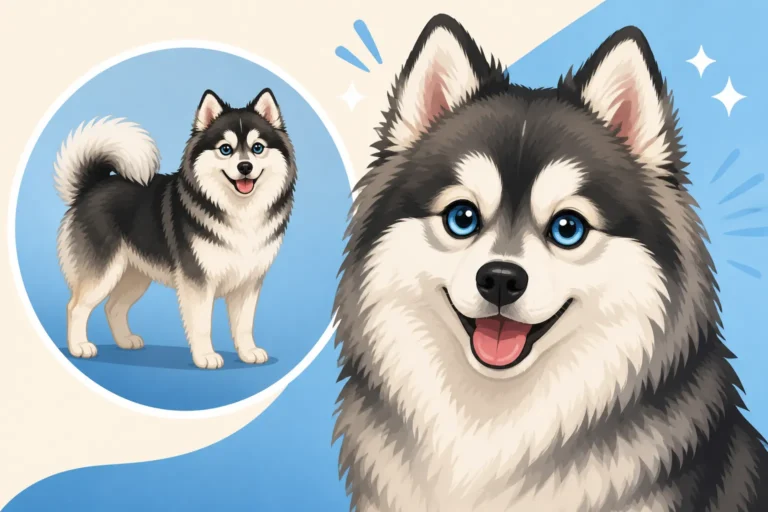
Let's be real: when you first fell in love with a Pomsky, it was probably that gorgeous, fluffy coat that caught your eye. Maybe it was the striking Husky markings combined with the Pomeranian's plushness. What many new owners don't fully grasp, however, is the sheer volume of hair that comes with such beauty. A coat blowout isn't just regular shedding; it's a dramatic, full-scale evacuation of the undercoat, and it's something every Pomsky owner will experience.
This isn't a fault or a problem with your dog; it's a completely natural, genetically programmed event. Understanding the 'why' behind it can help you approach it with a bit more patience and less panic, even when your vacuum cleaner is groaning in protest. It's a testament to their heritage, a beautiful, if messy, connection to their Siberian Husky and Pomeranian ancestors. The Pomsky That Carries a Husky Coat at Twenty Pounds perfectly illustrates this blend of genetics that leads to such a formidable coat.
The Double Coat's Purpose and Process
At the heart of a Pomsky's magnificent coat is its double-layered structure. This isn't just one type of hair; it's a sophisticated system designed for extreme weather conditions. The outer layer consists of longer, coarser "guard hairs." These are the ones that give your Pomsky its color and pattern, and they're relatively water-resistant and tough. Their primary job is to protect the dog's skin from environmental elements – rain, snow, dirt, and even UV radiation. Think of them as the outer shell of a high-tech winter jacket.
Beneath this protective layer lies the "undercoat." This is where the magic (and the mess!) happens. The undercoat is incredibly dense, soft, and woolly. It's made up of countless fine, crimped hairs that trap air, creating an insulating barrier against both cold and heat. Yes, you read that right – it keeps them warm in winter and actually helps them stay cool in summer by preventing heat from penetrating too quickly. During a coat blowout, it's primarily this thick, fluffy undercoat that your Pomsky is shedding, making way for new growth better suited to the upcoming season.
Hormonal and Seasonal Triggers
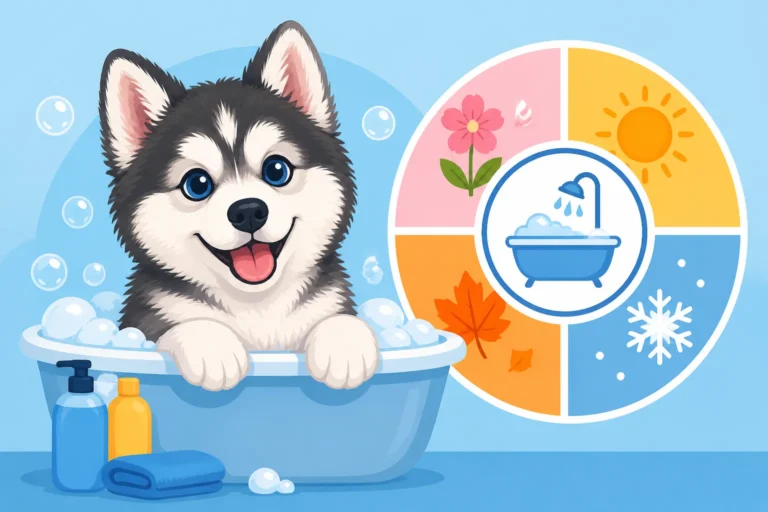
So, what cues your Pomsky's body to initiate this furry exodus? The main drivers are changes in daylight hours and temperature fluctuations – essentially, the changing seasons. As the days grow longer in spring, a Pomsky's body signals that it's time to shed the heavy winter undercoat. This lighter coat will then allow air to circulate closer to the skin, helping them manage warmer temperatures. Conversely, as autumn approaches and days shorten, they'll shed a lighter summer undercoat to make way for a thicker, more insulating winter coat. This seasonal cycle is why most Pomskies experience two major blowouts a year. Whether a Pomsky Blows Its Coat Twice a Year explores this phenomenon in more detail.
Beyond seasonal changes, hormones also play a significant role. Intact dogs (those not spayed or neutered) can sometimes experience additional shedding related to their heat cycles or testosterone levels. Pregnancy and lactation in female dogs can also trigger massive coat changes as their bodies prioritize resources for the puppies, often leading to a significant loss of hair after weaning. Stress can also sometimes contribute to shedding, though usually not to the same extreme as a full seasonal blowout.
The Typical Timeline of a Pomsky Blowout
This is the burning question on every Pomsky owner's mind: how long does this fur-mageddon actually last? The honest answer is, it varies. However, we can certainly give you some general expectations. While your Pomsky will shed a little year-round, a true "blowout" is distinct in its intensity and duration. It's not a single event that happens and is over in a day; it's a process that unfolds over several weeks.
Many owners are shocked by the sheer volume. It’s not just a few loose hairs; it feels like you could knit a whole new dog with what comes off. The good news is that the most intense phase, the period where you are constantly brushing and still seeing tumbleweeds of fur, usually has a definitive end. Understanding these phases can help you mentally prepare and develop a routine to manage it effectively.
Spring Shed: The Great Winter Coat Exodus
Ah, spring! The flowers bloom, the birds sing, and your Pomsky unleashes a blizzard of winter undercoat. This is typically the more dramatic and longer-lasting of the two annual blowouts. As the days lengthen and temperatures rise after winter, your Pomsky's body wisely decides it no longer needs that incredibly thick, insulating layer. The goal is to get rid of all that heavy fluff to prevent overheating in the warmer months.
The intense phase of a spring blowout usually lasts anywhere from two to four weeks, but it can sometimes stretch to six weeks, especially for Pomskies with particularly dense or "wooly" coats. During this time, you'll likely be brushing copious amounts of fur out daily, and yet more will still appear. You'll notice soft, downy clumps of undercoat lifting from their body, almost as if it's detaching in sheets. It's a constant battle, but it's crucial to help them shed this dead hair so their skin can breathe and new, lighter fur can grow in.
Autumn Shed: Prepping for Winter Warmth
While often less dramatic than the spring blowout, the autumn shed is equally important. As summer wanes and the days shorten, your Pomsky's body prepares for colder weather by shedding its lighter summer coat to make way for a denser, warmer winter undercoat. This ensures they're well-equipped to handle the chill when winter finally arrives.
This process typically involves shedding the finer, less dense undercoat they grew during the warmer months. The intense phase of an autumn blowout usually lasts two to three weeks. You'll still see a lot of fur, don't get me wrong, but it might not feel as overwhelming as the spring shed. It’s more of a gradual transition, though daily grooming is still highly recommended to assist the process and prevent matting as the new coat comes in. This preparation is essential for their comfort and health.
Puppy Coat Transition: A Special Blowout
For new Pomsky puppy owners, there's a unique "blowout" to anticipate: the transition from their soft, fluffy puppy coat to their denser, adult double coat. This usually begins around four to six months of age and can continue on and off until they are about 10-12 months old. It's a significant change, and you might notice their coat looking a bit uneven or patchy during this time.
This isn't a seasonal shed in the traditional sense, but a developmental one. The soft, wispy puppy fur isn't equipped to handle the elements like an adult double coat, so nature replaces it. The duration can vary, but expect several weeks of increased shedding and possibly a slightly awkward-looking coat phase. Regular, gentle brushing during this period is key to preventing mats and helping the new adult coat come in smoothly. This early experience is a good primer for the seasonal blowouts to come.
Factors Influencing Blowout Duration and Intensity
While there's a general timeline for Pomsky blowouts, it's not a one-size-fits-all situation. Several factors can either prolong the shedding marathon or make it feel particularly intense. Understanding these nuances can help you anticipate your individual Pomsky's shedding patterns and adjust your care routine accordingly. It's like predicting the weather – you know the seasons, but local conditions always play a part.
You might have two Pomskies from the same litter, living in the same house, and yet their shedding experiences could be vastly different. This isn't unusual! It just highlights how many variables are at play when it comes to coat health and shedding cycles. Recognizing these factors allows for a more tailored and effective approach to management.
Genetics and Coat Type
The genetic lottery plays a huge role in your Pomsky's coat. As a hybrid breed, Pomskies can inherit a wide range of coat characteristics from their Husky and Pomeranian parents. Some Pomskies will lean more towards the dense, plush coat of a Pomeranian, while others will have the slightly coarser, more voluminous coat of a Husky. Then there are the "wooly" coated Pomskies, whose undercoat is exceptionally long and soft, often leading to even more dramatic shedding. The Three Pomsky Coat Types explains these variations in detail.
A Pomsky with a very dense or wooly coat will naturally have more undercoat to shed, making their blowouts more intense and potentially longer. Conversely, a Pomsky with a "standard" or even "short" coat might experience a less severe shedding period. Their individual genetic makeup determines not just the look, but also the volume and texture of their fur, which directly impacts the blowout experience. It's all about how much hair they have to begin with.
Environment and Lifestyle
Where your Pomsky lives and how they spend their days can significantly impact their shedding cycles. Dogs that spend a lot of time outdoors, exposed to natural light cycles and temperature changes, tend to have more distinct and predictable seasonal blowouts. Their bodies are more attuned to the natural cues.
However, many Pomskies live primarily indoors, in climate-controlled environments with artificial lighting. This can sometimes disrupt the natural shedding cycle. Instead of two massive, concentrated blowouts, an indoor Pomsky might experience a more continuous, moderate level of shedding year-round, with slightly intensified periods that aren't as clearly defined by spring and fall. This isn't necessarily a bad thing, but it means you might always have some level of fur management on your hands. Whether a Pomsky's Double Coat Works in Both Seasons discusses how their coat adapts to different environments.
Health, Diet, and Hormones
A healthy Pomsky with a balanced diet will generally have a healthier coat and more predictable shedding patterns. Poor nutrition, lacking essential fatty acids or proteins, can lead to a dull coat, excessive shedding, and even skin issues. Feeding a high-quality, complete, and balanced dog food is foundational for good coat health. Some owners opt for fresh food diets from providers like Ollie, believing that the fresh, whole ingredients contribute to a healthier skin and coat.
Underlying health conditions can also manifest as abnormal or prolonged shedding. Skin allergies, parasites, fungal infections, thyroid imbalances, or other systemic illnesses can all cause coat loss or excessive shedding that might be mistaken for a normal blowout. If your Pomsky's shedding seems atypical – excessively patchy, accompanied by redness, itching, or skin irritation – it's always best to consult your veterinarian. Hormonal changes, as mentioned earlier (like spaying/neutering or natural cycles), can also temporarily alter shedding patterns. For example, some dogs experience a "post-neutering coat change" which can lead to a denser, more puppy-like coat that sheds more. Whether a Thyroid Test Rules Out Alopecia X in a Pomsky and What Alopecia X Does to a Pomsky's Coat are great resources if you suspect something more serious than just shedding.
Managing the Marathon: Strategies for Survival (and a Clean Home)
So, your Pomsky is blowing their coat. What now? Panic is a natural first reaction, but a proactive approach will save your sanity and your vacuum cleaner. Think of it as a concentrated effort over a few weeks that will ultimately lead to a much more manageable coat for the rest of the season. It’s a marathon, not a sprint, but with the right tools and techniques, you can cross the finish line with dignity (and only a few rogue hairs).
The key is consistency and understanding that you are helping your Pomsky through a natural process. Trying to ignore it or wishing it away simply isn't an option with a double-coated breed. Embrace the fluff, get your gear ready, and prepare to become a temporary fur-harvesting expert.
Grooming Frequency and Tools
During a blowout, daily grooming is not just recommended, it's pretty much mandatory. This isn't about preventing shedding entirely (which is impossible), but about removing the loose, dead undercoat before it ends up all over your furniture, clothes, and morning coffee. Investing in the right tools is paramount. You can find a fantastic selection of these on sites like Amazon or Chewy.
Here’s what you’ll want in your arsenal:
- Undercoat Rake: This is your MVP. An undercoat rake has long, sturdy teeth designed to reach through the guard hairs and gently pull out the loose undercoat. Use it with a light hand, in the direction of hair growth. The Undercoat Rake a Pomsky Owner Lives With is a must-read for selecting the best one.
- Slicker Brush: Great for general detangling and fluffing the outer coat. While it won't get deep into the undercoat as effectively as a rake, it helps gather loose hairs from the top layer.
- Pin Brush: Useful for longer-coated Pomskies to prevent tangles and provide a gentle massage.
- Grooming Comb: A wide-toothed comb is excellent for checking for any mats after brushing and for working through particularly dense areas.
A typical routine during a blowout would involve a daily session with the undercoat rake, followed by a slicker brush to smooth everything down. Focus on areas where the undercoat tends to be thickest: the neck ruff, flanks, tail, and hindquarters.
Bathing and Drying Techniques
A thorough bath can work wonders during a blowout, as water and shampoo help loosen dead hair, and the drying process (especially with a high-velocity dryer) literally blows it out. However, bathing a double-coated dog like a Pomsky isn't something to take lightly, especially if you don't have the right drying equipment. Shampoos That Suit a Pomsky's Double Coat can guide you on product choices.
- Pre-Bath Brush: Always brush your Pomsky thoroughly before a bath. Water can tighten existing mats, making them nearly impossible to remove afterward.
- Shampoo and Conditioner: Use a good quality deshedding shampoo and conditioner designed for double coats. Let the conditioner sit for a few minutes to help loosen the fur.
- Rinse, Rinse, Rinse: Rinse completely. Any shampoo residue left behind can irritate the skin and lead to more issues.
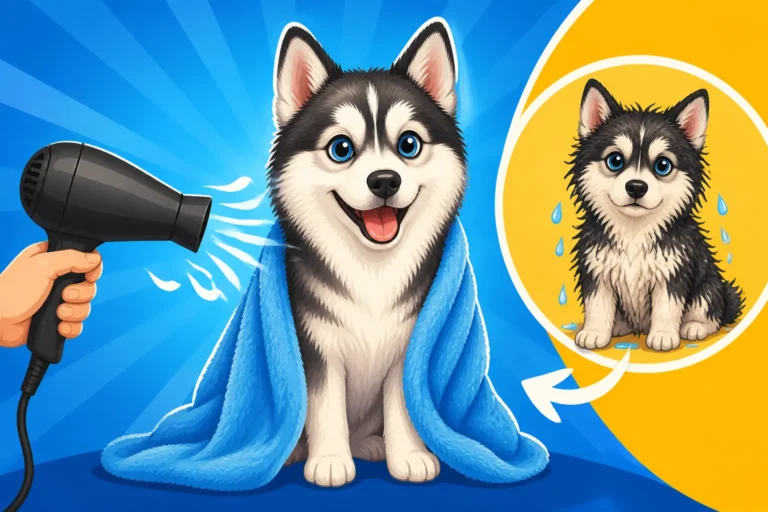
- High-Velocity Dryer: This is the game-changer. A high-velocity (or force) dryer literally blasts the water (and a massive amount of loose fur) out of the coat. This is infinitely more effective than towel drying or using a human hairdryer, which can burn their skin. If you don't have one, consider taking your Pomsky to a professional groomer for a "deshedding bath and blow-out" service during these periods. This can significantly reduce the amount of loose hair in your home for weeks. Drying a Pomsky to the Skin explains the importance of proper drying.
Never, ever shave your Pomsky's double coat, even if you're desperate to reduce shedding. Their guard hairs protect them from sunburn and help regulate their temperature. Shaving can permanently damage their coat, causing it to grow back unevenly, with more undercoat than guard hair, making future shedding and temperature regulation even worse. Why a Pomsky Must Never Be Shaved is an essential read for any owner considering this.
Diet and Supplements for Coat Health
While diet can't stop a natural coat blowout, it can certainly contribute to the overall health of your Pomsky's skin and coat, making the shedding process smoother and potentially less irritating for them. A healthy coat sheds more cleanly, and new growth is stronger.
- High-Quality Protein: Ensure their diet contains ample high-quality animal protein. Hair is primarily protein, so a good supply is crucial for healthy growth.
- Omega Fatty Acids: Omega-3 and Omega-6 fatty acids are vital for skin and coat health. Look for dog foods that include ingredients like fish oil, flaxseed, or salmon. You can also add supplements, such as a good quality fish oil, to their diet, especially during shedding season. Always consult your vet before adding supplements.
- Vitamins and Minerals: A balanced diet rich in vitamins (especially A and E) and minerals (like zinc) supports overall skin and coat health. If you're concerned about specific deficiencies, your vet can advise on targeted supplements. Whether a Pomsky Needs Extra Zinc is relevant here. Some owners find that a fresh diet, such as those offered by Ollie, improves their Pomsky's coat quality, which can indirectly aid in healthier shedding.
When to Worry: Differentiating Normal Shedding from Problems
Even seasoned Pomsky owners can feel overwhelmed by a blowout, but it's important to recognize when "a lot of fur" might actually be a symptom of something more serious. While some shedding is perfectly normal and expected, certain signs should prompt a visit to your veterinarian. Your Pomsky can't tell you if something is wrong, so it's up to you to be a keen observer of their coat and skin health.
Trust your gut. If something just "feels off" about the shedding, or if you're noticing changes beyond just loose fur, it’s always better to err on the side of caution. Early detection of a health issue can often lead to a faster, less complicated resolution.
Excessive Shedding Beyond Normal Cycles
If your Pomsky seems to be shedding intensely all the time, or if a blowout lasts significantly longer than the typical 4-6 weeks and shows no sign of letting up, it could indicate an underlying issue. Normal seasonal shedding should have a noticeable beginning and end to its most intense phase. If you're constantly finding massive clumps of fur or if the coat looks thin even after the shedding period, it's worth investigating.
This type of non-seasonal, persistent excessive shedding can sometimes be linked to:
- Stress or Anxiety: Major life changes, separation anxiety, or ongoing stress can sometimes cause increased hair loss.
- Parasites: Fleas, mites, or other external parasites can irritate the skin, leading to scratching, licking, and hair loss.
- Hormonal Imbalances: Conditions like hypothyroidism (underactive thyroid) or Cushing's disease can manifest as symmetrical hair loss and a poor coat. Whether a Pomsky Gets Hypothyroidism is an important read here.
- Allergies: Environmental or food allergies can cause itching and subsequent hair loss from scratching and chewing. Whether a Pomsky Gets Allergies provides more information on this.
It's crucial to rule out these medical causes before simply dismissing prolonged shedding as "just a Pomsky thing."
Skin Irritation and Patchy Hair Loss
This is perhaps the clearest sign that something is amiss. A normal coat blowout might leave your Pomsky looking a little less fluffy, but their skin underneath should appear healthy – clean, pink (or pigmented), and free from irritation.
Red flags that warrant immediate veterinary attention include:
- Visible bare patches or asymmetrical hair loss: Normal shedding typically affects the entire undercoat fairly evenly. Patches of complete hair loss, especially if they appear suddenly or are concentrated in one area, are concerning.
- Redness, rashes, or inflammation of the skin: These are clear signs of irritation, infection, or an allergic reaction.
- Itching, scratching, licking, or chewing: If your Pomsky is constantly scratching, licking their paws, or chewing at their body, it's a sign of discomfort that goes beyond normal shedding. Hot Spots Under a Pomsky's Undercoat could be a consequence if not addressed.
- Dandruff, scabs, or crusty skin: These indicate skin problems, potentially fungal, bacterial, or parasitic infections. Whether a Pomsky's Skin Cracks Around the Mouth may also be a sign of deeper issues.
- A dull, brittle, or greasy coat: A healthy coat should feel soft and have a natural sheen. Changes in texture can signal internal or external problems.
Always remember that you are your Pomsky's advocate. If you notice any of these symptoms accompanying a shedding period, or if the shedding seems to be causing them distress, don't hesitate to contact your vet. They can perform diagnostic tests to determine the cause and recommend appropriate treatment, helping your furry friend get back to their happy, healthy self.
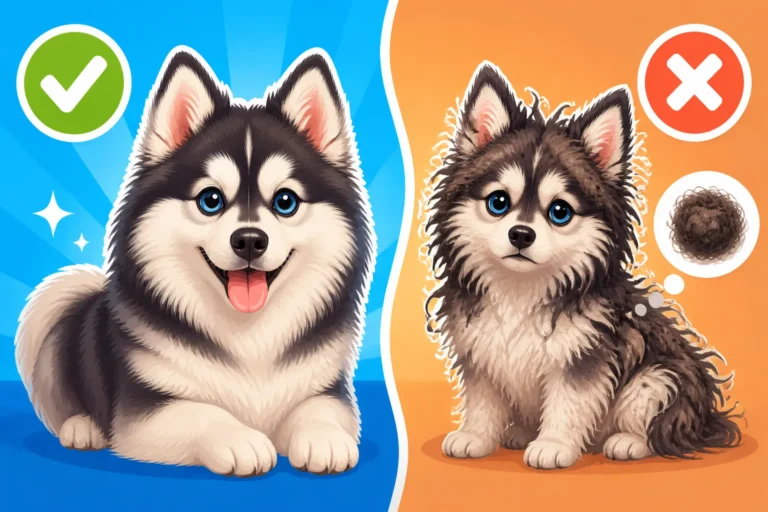
| Shedding Characteristic | Normal Blowout | Potentially Problematic Shedding |
|---|---|---|
| Duration (Intense Phase) | 2-6 weeks, typically seasonal (Spring/Fall) | Persists beyond 6-8 weeks, non-seasonal, or constant |
| Pattern of Hair Loss | Even thinning of undercoat across the body | Patchy, asymmetrical, bald spots, concentrated in areas |
| Skin Appearance | Healthy, pink/pigmented, no irritation | Redness, rashes, scabs, crusts, hot spots, inflammation |
| Behavior | Normal, maybe a bit more tolerant of brushing | Excessive scratching, licking, chewing, discomfort |
| Coat Texture | Undercoat comes out in soft clumps | Dull, brittle, greasy, or coarse texture in remaining hair |
| Other Symptoms | None | Lethargy, weight changes, changes in appetite, odor |
Disclaimer
This article is for general informational purposes only and does not constitute professional advice. Laws, prices and regulations vary by location and change over time. Consult a qualified professional for guidance on your specific situation.