The Screening a Pomsky Should Have Yearly
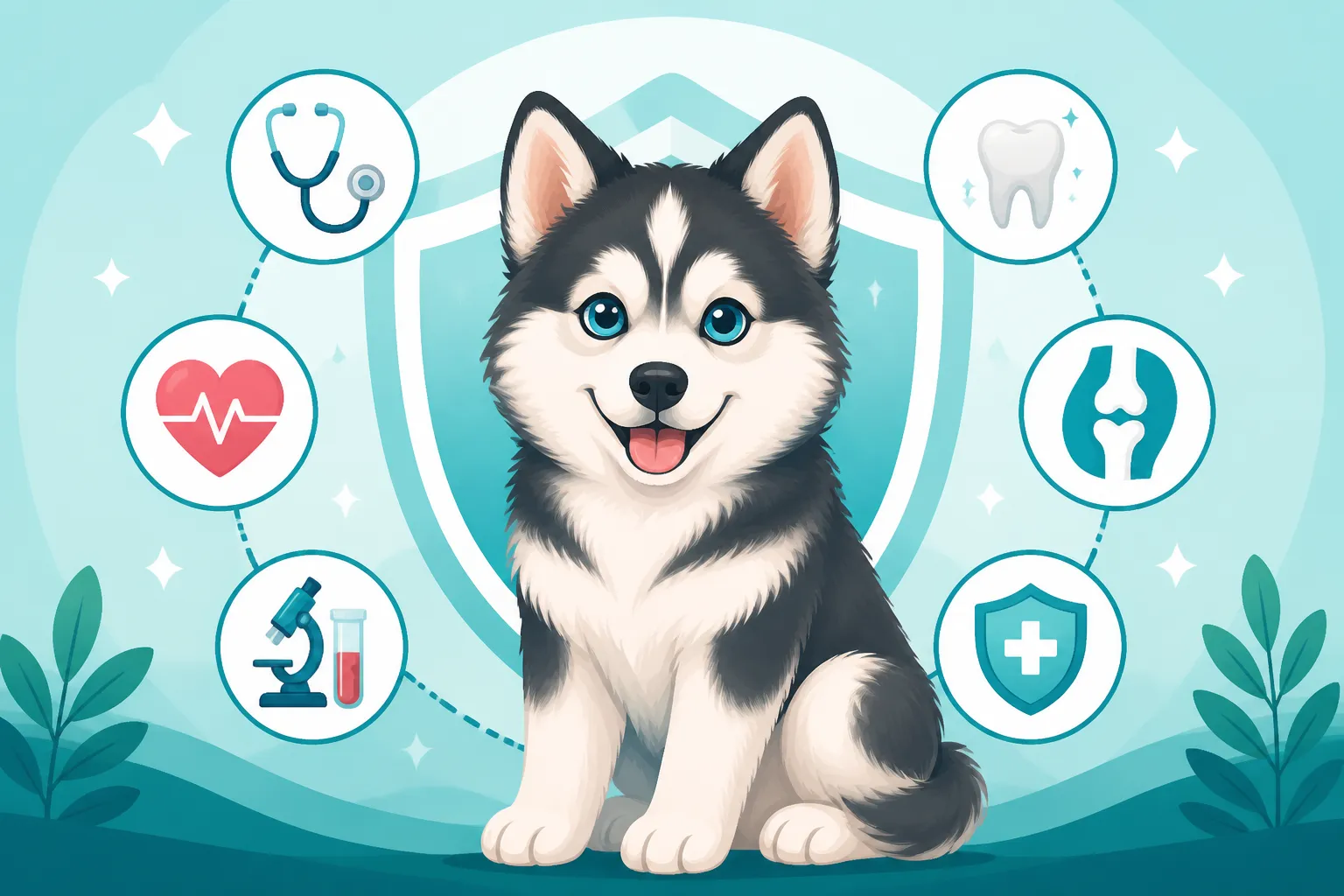
It’s a common worry among Pomsky parents: how do you ensure your furry best friend stays as vibrant and healthy as possible for years to come? With their unique blend of Siberian Husky and Pomeranian traits, Pomskies can inherit a mixed bag of health considerations that sometimes catch owners by surprise. This comprehensive guide will walk you through the essential yearly health screenings your Pomsky should have, helping you understand each check-up's importance and empowering you to be a proactive advocate for their well-being.
Why Annual Vet Visits Are Non-Negotiable for Your Pomsky
Bringing a Pomsky into your life means committing to their health and happiness, and a huge part of that commitment involves regular veterinary care. While daily cuddles and playtime are wonderful, a yearly trip to the vet is the cornerstone of preventative health, catching potential issues long before they become serious problems. Think of it as their annual wellness tune-up, crucial for dogs who might be predisposed to specific conditions inherited from their parent breeds, as outlined in The Two Opposite Disease Lists a Pomsky Inherits.
Catching Issues Early
Dogs, especially our stoic Pomskies, are masters at hiding discomfort or illness. They can't tell us in words when something feels off, and by the time visible symptoms appear, an underlying condition might already be quite advanced. This is why early detection is absolutely paramount. During an annual exam, your veterinarian acts as a detective, looking for subtle clues that you might miss. They're checking for things like changes in dental health, potential lumps or bumps, slight limps, or even changes in heart or lung sounds that could indicate a developing problem. Catching these early often means less invasive, less expensive, and more successful treatment outcomes. It’s about being proactive rather than reactive, giving your Pomsky the best chance at a long and joyful life.
Updating Vaccinations and Parasite Control
Beyond the physical exam, yearly vet visits are critical for maintaining your Pomsky's immunity and protecting them from common parasites. Vaccinations aren't just for puppies; adult dogs need boosters to maintain protection against diseases like rabies, distemper, parvovirus, and adenovirus. Depending on your Pomsky's lifestyle and local risks, they might also need protection against kennel cough, leptospirosis, or Lyme disease. Your vet will assess their risk factors and recommend the most appropriate vaccination schedule. Equally important is parasite control. From heartworm to fleas, ticks, and intestinal worms, these pests can cause significant health problems. Annual fecal exams help detect internal parasites, and your vet will prescribe suitable year-round preventatives to keep your Pomsky safe. Regular protection is key, especially given how much Pomskies love to explore and interact with their environment.
Building a Relationship with Your Vet
A strong, trusting relationship with your veterinarian is invaluable. Your yearly visit isn't just a transactional appointment; it's an opportunity to build a partnership with a healthcare professional who understands your Pomsky's unique needs. Over time, your vet gets to know your dog's baseline health, personality, and any specific predispositions they might have. This familiarity makes it easier to spot subtle changes year-over-year that could signal a developing issue. It also creates a comfortable environment for your Pomsky, making future visits less stressful. Don't be afraid to ask questions, discuss your concerns, and share any observations you've made about your dog's behavior or habits. This open dialogue ensures your vet has all the information they need to provide the best possible care for your beloved companion.
The Core Components of a Yearly Pomsky Health Exam
When you bring your Pomsky in for their annual check-up, it’s a thorough process designed to evaluate every aspect of their physical well-being. It’s far more than just a quick look-over; it’s a systematic approach to identifying any potential health concerns. Knowing what to expect can help you prepare questions and actively participate in your Pomsky's care.
Nose-to-Tail Physical Assessment
The cornerstone of any annual exam is a comprehensive physical assessment. Your vet will start by observing your Pomsky's general demeanor, gait, and body condition. Then, they'll systematically work their way from nose to tail. This includes:
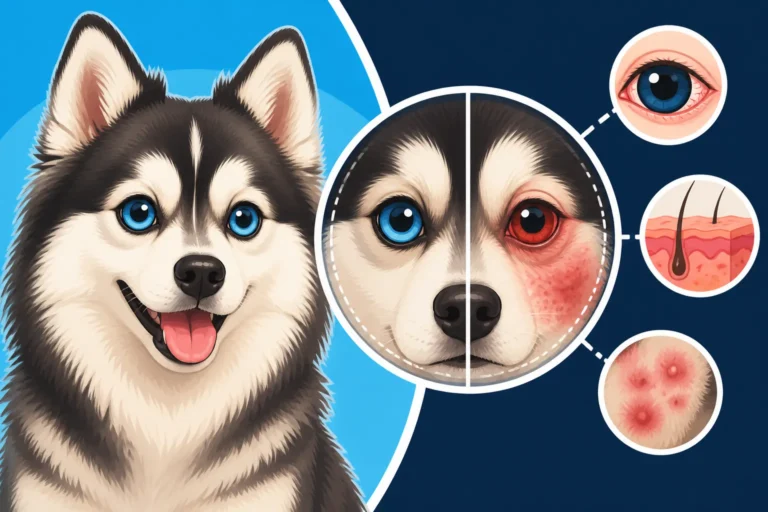
- Eyes and Ears: Checking for discharge, redness, inflammation, and any signs of infection or unusual growths. For Pomskies, who can inherit specific eye conditions from their Husky side, like those detailed in The Eyes a Pomsky Gets From the Husky, a thorough eye check is vital. Your vet might even suggest Whether a Pomsky Needs a Yearly Eye Exam to catch conditions early.
- Nose and Mouth: Examining their nose for discharge or crusting, and a meticulous check of their mouth. This includes inspecting gums for color and signs of disease, and assessing teeth for tartar buildup, broken teeth, or signs of gum disease, which is particularly important for Pomskies prone to Dental Crowding in a Pomsky's Small Mouth.
- Lymph Nodes and Thyroid Gland: Gently palpating these areas to check for any enlargement or abnormalities.
- Heart and Lungs: Listening carefully with a stethoscope for murmurs, abnormal rhythms, or unusual lung sounds, which could indicate conditions like Whether a Pomsky Gets Heart Disease or The Collapsing Trachea a Pomsky Gets From the Pomeranian.
- Abdomen: Palpating the abdomen to check for pain, organ enlargement, or masses.
- Musculoskeletal System: Feeling joints, limbs, and spine for any signs of pain, swelling, or limited range of motion. This is where your vet will be looking for early indications of conditions such as Slipping Kneecaps in a Pomsky or Hip Dysplasia in a Twenty Pound Pomsky. They might gently manipulate your Pomsky's legs to assess joint stability and check for patellar luxation.
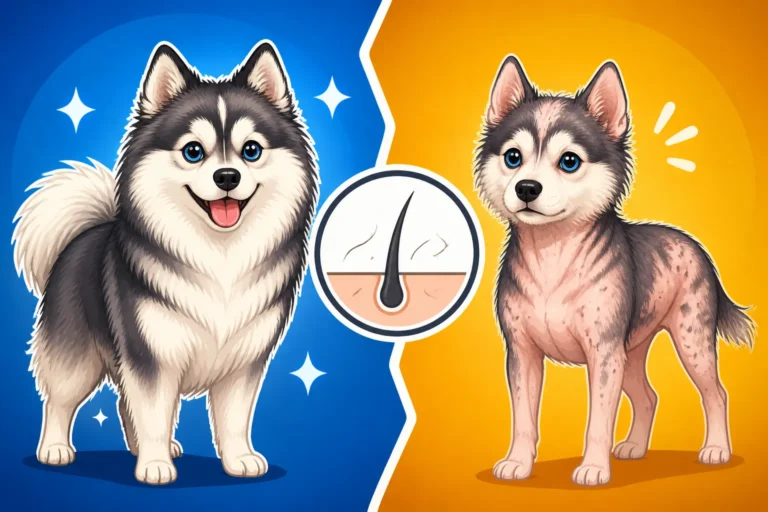
- Skin and Coat: Examining their double coat and skin for lumps, bumps, rashes, parasites, or dry patches. This is also where signs of Zinc Responsive Dermatosis in a Pomsky might be initially observed.
This detailed examination provides a baseline and helps the vet identify any new or developing concerns since the last visit.
Discussing Lifestyle and Behavioral Changes
Your vet relies heavily on your observations as a pet parent. During the annual visit, expect a conversation about your Pomsky's lifestyle and any changes you've noticed. Have they been more lethargic or energetic? Is their appetite different? Are they drinking more water than usual? Have there been any changes in their urination or defecation habits? These seemingly small details can be crucial indicators of underlying health issues.
Behavioral changes are also important to discuss. Is your Pomsky showing new anxieties, aggression, or clinginess? Are they exhibiting any unusual habits? Sometimes, behavioral shifts can be a subtle sign of pain, discomfort, or an undiagnosed medical condition. For example, a sudden increase in thirst or urination could point to kidney disease or diabetes. A new cough might be a sign of a collapsing trachea. Your comprehensive answers help your vet connect the dots and decide if further diagnostic tests are needed.
Weight and Nutritional Assessment
Weight management is critical for a Pomsky's long-term health. Obesity can exacerbate orthopedic problems like Patellar Luxation Grades in a Pomsky and Hip Dysplasia in a Pomsky, contribute to heart disease, and shorten their lifespan. Your vet will weigh your Pomsky and assess their body condition score, which is a hands-on evaluation of fat coverage over ribs, spine, and waist.
Based on this assessment, and a discussion about their current diet (type of food, treats, portion sizes) and activity level, your vet will offer nutritional advice. They might recommend adjusting food intake, switching to a different diet formula, or increasing exercise to help your Pomsky maintain a healthy weight. This is also a good opportunity to discuss any dietary sensitivities or specific nutritional needs your Pomsky might have, ensuring they're getting all the necessary nutrients without over-indulging.
Essential Diagnostic Screenings for Pomskies
While a physical exam is incredibly important, much of what's happening inside your Pomsky's body can't be seen or felt. That's where diagnostic screenings come in. These tests provide a deeper look at organ function and can detect issues before they manifest as outward symptoms, allowing for earlier intervention.
Comprehensive Blood Work: CBC and Chemistry Panels
Annual blood work is a cornerstone of preventative care, especially as your Pomsky approaches their senior years, which typically starts around The Birthday a Pomsky Counts as Senior. Two key panels are usually recommended:
- Complete Blood Count (CBC): This test evaluates the different components of your Pomsky's blood, including red blood cells, white blood cells, and platelets. It can help detect anemia, inflammation, infection, certain types of cancer, and clotting disorders. For instance, an elevated white blood cell count could indicate an infection brewing somewhere in their body.
- Chemistry Panel: This panel assesses organ function (kidneys, liver, pancreas), blood sugar levels, electrolytes, and protein levels. It can reveal early signs of kidney disease, liver dysfunction, diabetes, or imbalances that might not be apparent during a physical exam. For Pomskies, monitoring thyroid function can also be important, as conditions like Whether a Pomsky Gets Hypothyroidism can sometimes be a concern and can manifest in subtle ways, including coat changes. Catching these changes early through blood work allows for timely treatment and better management of their long-term health.
These tests provide a vital internal snapshot of your Pomsky's health, allowing your vet to establish a baseline and track any changes over time, often detecting problems before they become critical.
Urinalysis and Fecal Exams
Just like blood work, urinalysis and fecal exams offer invaluable insights into your Pomsky's internal health. They are simple, non-invasive tests that can reveal a surprising amount of information.
- Urinalysis: This test analyzes your Pomsky's urine for signs of infection, inflammation, kidney disease, diabetes, and bladder stones. It can detect changes in specific gravity (indicating hydration status and kidney function), pH levels, and the presence of protein, glucose, or blood cells. Even if your Pomsky isn't showing obvious signs of a urinary tract issue, a urinalysis can uncover hidden problems that could develop into more serious conditions if left untreated.
- Fecal Exam: A fresh stool sample is examined under a microscope to check for intestinal parasites, such as roundworms, hookworms, whipworms, and giardia. Many of these parasites aren't visible to the naked eye, and some can cause significant gastrointestinal upset, nutrient malabsorption, and even be transmissible to humans. Regular fecal screening ensures that if parasites are present, they can be identified and treated promptly, keeping both your Pomsky and your household healthy. Your vet will advise on the best schedule for this, often annually, to ensure continuous protection.
Heartworm and Tick-Borne Disease Testing
These tests are absolutely essential, especially if your Pomsky spends any time outdoors. Mosquitoes and ticks are more than just annoying; they can transmit serious and potentially fatal diseases.
- Heartworm Test: This blood test screens for the presence of heartworm disease, a severe and progressive condition caused by parasitic worms that live in the heart, lungs, and blood vessels of affected pets. Heartworm is transmitted by mosquitoes, and while preventable with medication, it is difficult and expensive to treat, and can be life-threatening. Annual testing is crucial, even if your Pomsky is on preventative medication, as no preventative is 100% effective and doses can be missed.
- Tick-Borne Disease Panel: Depending on your geographical location and your Pomsky's exposure risk, your vet may recommend a test for common tick-borne diseases like Lyme disease, Anaplasmosis, and Ehrlichiosis. Ticks can transmit these debilitating illnesses, causing symptoms ranging from lameness and lethargy to more severe organ damage. Early detection through annual screening allows for prompt treatment, minimizing long-term health complications. Discuss your region's prevalence of these diseases with your vet to determine the best course of action for your Pomsky.
Specialized Screenings for Pomsky-Specific Concerns
Given their unique genetic heritage from both the Siberian Husky and Pomeranian, Pomskies have certain predispositions that warrant specialized attention during their yearly check-ups. Being aware of these potential issues empowers you to ask targeted questions and work with your vet on specific preventative measures.
Orthopedic Evaluations: Knees and Hips
Pomskies often blend the active nature of a Husky with the smaller, sometimes more delicate bone structure of a Pomeranian, making orthopedic health a key concern. Regular evaluation of their joints is critical.
- Patellar Luxation (Slipping Kneecaps): This condition, where the kneecap dislocates from its normal position, is more common in smaller breeds like the Pomeranian and thus can affect Pomskies. During the physical exam, your vet will manipulate the knee joint to assess for instability, assigning a grade if luxation is present. While some grades can be managed non-surgically, more severe cases might require intervention, as discussed in detail in Whether a Pomsky's Kneecap Needs Operating. Early detection allows you to implement strategies to protect their joints, such as controlling weight and limiting high-impact activities.
- Hip Dysplasia: While more commonly associated with larger breeds like the Husky, Hip Dysplasia in a Pomsky is still a possibility due to their genetic makeup. This condition involves the abnormal development of the hip joint, leading to looseness and eventual arthritis. While X-rays are the definitive diagnostic tool, your vet will perform a thorough physical assessment during their annual exam, looking for signs of pain, stiffness, or an altered gait. If concerns arise, they might recommend further imaging. Being proactive with weight management and discussing appropriate exercise levels can significantly impact the progression of these conditions.
Eye Health Checks
The striking eyes of a Pomsky, often inherited from the Husky, are beautiful but can also be prone to certain genetic conditions. A yearly comprehensive eye check is an important part of their overall health screening.
- General Ocular Health: Beyond just looking for discharge, your vet will examine the entire eye structure, checking the eyelids, conjunctiva, and cornea for any abnormalities, scratches, or signs of irritation. They'll also assess pupil response to light and general vision.
- Breed-Specific Concerns: Pomskies can be susceptible to conditions like progressive retinal atrophy or juvenile cataracts, which are more prevalent in Huskies. While a full ophthalmologic exam with specialized equipment might be needed for definitive diagnosis of some conditions, your general practitioner will be on the lookout for early indicators during the annual visit. If your Pomsky's eyes water excessively in the wind or they seem sensitive to bright light, these are things to mention to your vet. Maintaining good eye hygiene and observing any changes in appearance or behavior related to their vision are crucial for catching issues early.
Thyroid Function and Skin Health
Skin and coat issues can be frustrating for Pomsky owners, and sometimes, they're tied to underlying hormonal imbalances. Your annual vet visit is the perfect time to address these.
- Thyroid Screening: Hypothyroidism, a condition where the thyroid gland doesn't produce enough hormones, is more common in some breeds and can manifest with skin problems, weight gain, and lethargy. As mentioned in relation to blood work, a chemistry panel can sometimes indicate issues, but if your Pomsky shows symptoms like unexplained hair loss, especially if it's symmetrical, or if their coat texture changes, your vet might recommend specific thyroid function tests. This helps differentiate between environmental skin issues and deeper hormonal problems.
- Comprehensive Skin and Coat Examination: Beyond palpating for lumps, your vet will closely examine your Pomsky's dense double coat and underlying skin. They'll look for signs of allergies, hot spots, dry or flaky skin, or yeast infections, which can sometimes hide beneath their thick fur. If your Pomsky is constantly scratching, licking their paws (Whether a Pomsky Licks Its Paws), or developing a strong odor, it's worth a detailed discussion. Your vet can provide advice on appropriate grooming practices, diet changes, or specific treatments to alleviate discomfort and keep their skin and coat healthy.
Understanding Your Pomsky's Health Insurance and Planning for Costs
Let’s be honest, vet bills can add up, especially with yearly screenings and unexpected health hiccups. Planning ahead and considering options like pet health insurance can make a significant difference in your ability to provide the best care for your Pomsky throughout their life.
How Health Insurance Supports Yearly Screenings
Pet health insurance, much like human health insurance, is designed to help offset the costs of veterinary care. While policies vary, many offer wellness plan add-ons that can help cover the expense of routine annual screenings, including physical exams, vaccinations, and basic blood work. This means that a reputable provider like Healthy Paws can reimburse you for a portion of these preventative visits, making it easier to commit to your Pomsky’s yearly health checks without feeling the full financial strain upfront.
Beyond routine care, health insurance becomes invaluable if your Pomsky develops a more serious condition later in life. Imagine the peace of mind knowing that if your Pomsky needs surgery for Slipping Kneecaps in a Pomsky or ongoing management for Whether a Pomsky Gets Hypothyroidism, a significant percentage of those costs could be covered. Investing in a good policy when your Pomsky is young and healthy can protect you from large, unexpected veterinary expenses down the road, ensuring you can always prioritize their well-being.
Budgeting for Preventative Care
Even with insurance, it's wise to budget for your Pomsky's preventative care. Annual vet visits, core vaccinations, heartworm and flea/tick preventatives, and quality nutrition are ongoing costs that are vital for their health. A good strategy is to set aside a small amount each month into a dedicated "Pomsky health fund." This way, when the yearly appointment comes around, or if your vet recommends additional tests based on their findings, you're not scrambling.
Consider the cost of specialized care too. If your Pomsky were to develop Hip Dysplasia in a Twenty Pound Pomsky, the expenses for diagnostics, medications, and potentially surgery could be substantial. By consistently budgeting and exploring options like pet insurance from companies such as Healthy Paws, you're not just preparing for the present, but also for the long-term health journey with your beloved companion. It's an investment in their happiness and your peace of mind.
The Long-Term Value of Early Detection
The real magic of consistent yearly screenings isn't just about what they cover today, but what they prevent tomorrow. Early detection of health issues, whether it's a dental problem that prevents major extractions down the line or a subtle heart murmur caught before it becomes a crisis, can lead to vastly improved outcomes and significantly lower overall costs in the long run.
Think of it this way: addressing Dental Crowding in a Pomsky's Small Mouth with regular cleanings and appropriate care is far less expensive and stressful than treating advanced periodontal disease with multiple tooth extractions and potential organ damage. Similarly, identifying early signs of The Collapsing Trachea a Pomsky Gets From the Pomeranian means you can implement management strategies to slow its progression, improving their quality of life. Proactive care, supported by thorough annual screenings and potentially a robust insurance plan like those offered by Healthy Paws, is the ultimate expression of love and responsibility for your Pomsky, ensuring they thrive for all of their The Twelve to Fifteen Years a Pomsky Lives.
Here's a quick overview of common yearly screenings for your Pomsky:
| Screening Component | Purpose | What the Vet Looks For | Pomsky-Specific Relevance |
|---|---|---|---|
| Physical Exam | Assess overall health and identify visible abnormalities. | Coat, skin, eyes, ears, nose, mouth, heart, lungs, abdomen, joints. | Dental crowding, signs of collapsing trachea, patellar luxation, skin issues. |
| Vaccination Update | Maintain immunity against common diseases. | Current vaccination status, lifestyle risk assessment. | Protection against common diseases given their active nature. |
| Fecal Exam | Detect intestinal parasites. | Worms, giardia, other microscopic parasites. | Essential for dogs spending time outdoors. |
| Heartworm Test | Screen for heartworm disease. | Presence of heartworm antigens. | Crucial for all dogs, especially those exposed to mosquitoes. |
| Tick-Borne Disease Panel | Detect diseases transmitted by ticks (e.g., Lyme, Anaplasmosis). | Antibodies to specific tick-borne pathogens. | Important depending on geographical location and outdoor activity. |
| Complete Blood Count (CBC) | Evaluate red and white blood cells, platelets. | Anemia, infection, inflammation, clotting issues. | Baseline health, early detection of systemic issues. |
| Chemistry Panel | Assess organ function (kidney, liver), glucose, electrolytes, protein, thyroid. | Organ disease, diabetes, hormonal imbalances (e.g., Whether a Pomsky Gets Hypothyroidism). | Early detection of metabolic or organ-related diseases. |
| Urinalysis | Check for urinary tract infections, kidney disease, diabetes, bladder stones. | Blood, protein, glucose, bacteria, pH, specific gravity. | Important for overall systemic health, especially kidney function. |
| Orthopedic Evaluation | Assess joint health, stability, and range of motion. | Patellar luxation, signs of hip dysplasia, arthritis. | Specific attention to Slipping Kneecaps in a Pomsky and Hip Dysplasia in a Pomsky. |
| Eye Exam | Screen for ocular health and breed-specific eye conditions. | Cataracts, corneal issues, signs of other genetic eye diseases. | Important due to potential inherited conditions from Huskies, as explored in The Eyes a Pomsky Gets From the Husky. |
Disclaimer
Please remember that the information provided in this guide is for educational purposes only and should not be considered a substitute for professional veterinary advice. Always consult with a qualified veterinarian regarding your Pomsky's specific health concerns, diagnoses, and treatment plans.