Whether the Guard Hairs Go First on a Pomsky
One of the most concerning things for any Pomsky parent is noticing changes in their beloved dog's beautiful coat, especially when you start seeing what looks like thinning or bald spots. It's natural to panic a little, wondering if those crucial outer guard hairs, which give your Pomsky its distinctive look and protection, are falling out first. This guide will walk you through how a Pomsky's unique double coat sheds and helps you understand what's normal, what might be a sign of trouble, and how to best care for your furry friend.
Understanding the Pomsky's Double Coat
Pomskies are blessed with a truly magnificent coat, inherited directly from their Siberian Husky and Pomeranian lineage. This isn't just any fur; it's a sophisticated insulation system designed to keep them comfortable in various climates. But this gorgeous coat also comes with its own unique set of care requirements and shedding patterns that often lead to questions and concerns for owners.
The Anatomy of a Double Coat: Guard Hairs vs. Undercoat
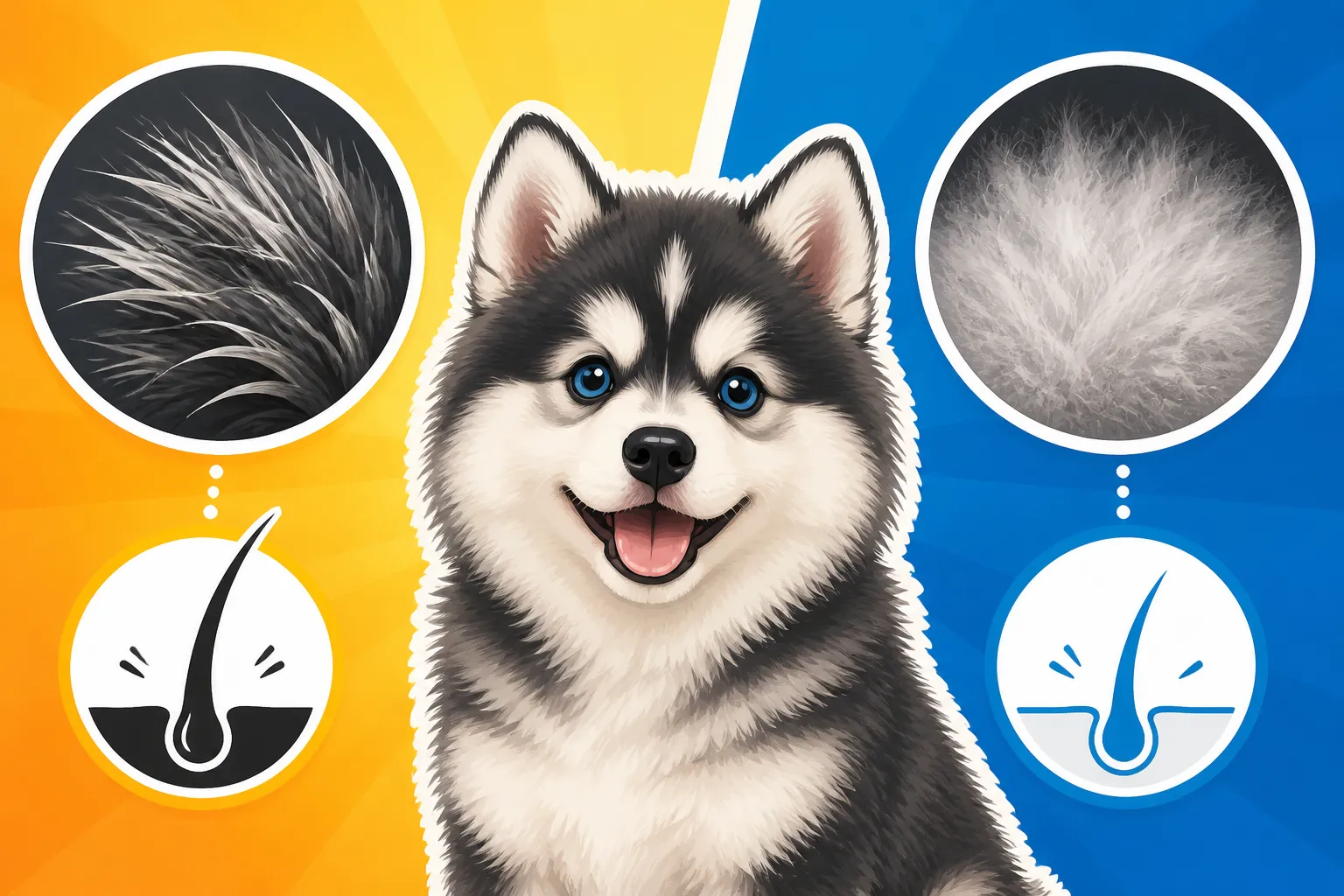
To truly understand how a Pomsky sheds, we need to talk about the two distinct layers of their coat: the guard hairs and the undercoat. Imagine it like a winter jacket. The outer shell, the one you see and feel first, is made up of the guard hairs. These are longer, coarser, and generally stiffer hairs that are water-resistant and provide the primary protection against elements like rain, snow, and UV rays. They give your Pomsky its color, pattern, and that sleek, finished look. Below this protective layer lies the undercoat. These hairs are much softer, shorter, and incredibly dense. Their main job is insulation – trapping air to keep your Pomsky warm in winter and surprisingly, to help regulate their temperature and keep them cool in summer by providing an insulating barrier. When people talk about "shedding," they are often referring to the undercoat.
This double layer is what makes a Pomsky's coat so effective and why you'll often read about The Pomsky That Carries a Husky Coat at Twenty Pounds. The guard hairs are resilient and designed for durability, while the undercoat is all about density and warmth. Each hair type has its own life cycle, though they are intertwined in the overall health and appearance of the coat.
How the Double Coat Protects a Pomsky
Beyond just looking good, your Pomsky's double coat serves several vital protective functions. First and foremost, it's an incredible insulator. In cold weather, the dense undercoat traps warm air close to their body, acting like a natural down jacket. The guard hairs then shed water and snow, preventing it from soaking through to their skin. In warmer climates, it's a common misconception that shaving this coat will cool them down. In reality, the double coat actually helps regulate body temperature by preventing direct sunlight from reaching the skin and allowing air to circulate, creating a natural cooling effect. This is why you should never shave a Pomsky, a point we cover in depth in Why a Pomsky Must Never Be Shaved.
This natural protection extends to safeguarding their skin from environmental irritants, scrapes, and even sunburn. A healthy double coat also indicates a healthy dog, as poor nutrition or underlying health issues often manifest first in the quality and thickness of the fur. So, when you observe changes, it’s not just an aesthetic concern; it’s a potential indicator of their overall well-being.
Guard Hairs vs. Undercoat in the Shedding Process
The question of whether guard hairs go first is a common one, and it often stems from witnessing the dramatic shedding cycles Pomskies experience. It’s important to distinguish between normal shedding, which is a natural, healthy process, and actual hair loss, which can signal a problem.
The Typical Shedding Cycle in Pomskies: Seasonal Blowouts
Pomskies are famous for their "blowouts" – periods of intense shedding that usually occur twice a year, typically in spring and fall. This is their body's way of adapting to seasonal temperature changes. In spring, they shed their heavy winter undercoat to prepare for warmer weather, and in fall, they shed their lighter summer undercoat to grow in a denser one for winter. This process primarily involves the undercoat. During a blowout, you might feel like your house is suddenly decorated with a layer of Pomsky fluff, and you'll find yourself brushing out massive amounts of soft, downy hair. This is entirely normal.
During these seasonal blowouts, the undercoat detaches from the skin in large quantities, often coming out in clumps. While the guard hairs are not typically the primary focus of these blowouts, some guard hairs will naturally shed alongside the undercoat as part of their own, slower life cycle. This is usually unnoticeable amidst the flurry of undercoat. Regular grooming during these times, often with tools like The Undercoat Rake a Pomsky Owner Lives With, is essential to help manage the shedding and prevent matting.
When Guard Hairs Might Appear to Be Lost First
It's rare for a Pomsky's guard hairs to be the first or primary type of hair to fall out during a normal shedding cycle. If you notice a significant loss of guard hairs, especially if it's accompanied by bald patches, thinning, or a change in the texture or color of the remaining guard hairs, this is usually a red flag that something more than just seasonal shedding is at play.
One scenario where guard hairs might appear to be lost first is if the underlying undercoat is so matted or impacted that it's pulling out the stronger guard hairs with it. This isn't the guard hairs falling out naturally, but rather being forcibly removed due to poor coat maintenance. Another possibility is if a Pomsky has a very sparse undercoat, making the shedding of even a few guard hairs more noticeable. However, the most concerning reason would be an underlying health condition, which we'll discuss next. If you're seeing actual bald spots or a significant reduction in the outer, protective layer of fur, it's time for a vet visit.
| Characteristic | Normal Shedding (Seasonal Blowout) | Problematic Hair Loss (Beyond Normal) |
|---|---|---|
| Primary Hair Type | Mostly undercoat (soft, downy fluff) | Guard hairs and/or undercoat |
| Appearance | Overall thinning, but coat still covers skin; no bald patches | Patchy hair loss, bald spots, significant thinning |
| Skin Condition | Healthy, normal skin underneath | Redness, irritation, flakiness, crusts, bumps, itching |
| Pattern | Even shedding across the body, though sometimes heavier in certain areas | Often asymmetrical, localized patches, or specific patterns |
| Timing | Occurs typically twice a year (spring/fall) for several weeks | Can occur at any time, often progressive and non-seasonal |
| Accompanying Symptoms | None, dog generally healthy | Itching, licking, discomfort, lethargy, changes in appetite, other signs of illness |
Common Causes of Coat Loss Beyond Normal Shedding
When your Pomsky is losing hair that isn't just fluffy undercoat, or it's happening outside of the usual twice-yearly shedding periods, it’s time to investigate. This kind of hair loss, often including guard hairs, usually points to an underlying issue that needs attention.
Differentiating Normal Shedding from Hair Loss Conditions
The key difference lies in the visual presentation and the dog's overall health. Normal shedding, even during a heavy blowout, means the coat thins out but still covers the skin evenly. The skin underneath remains healthy, pink, and free from irritation. The dog acts completely normal. In contrast, hair loss due to a medical condition often presents as distinct bald patches, overall thinning where the skin becomes visible, or a noticeably dull, brittle coat. You might see redness, scaling, crusting, bumps, or excessive oiliness on the skin. The dog might be itchy, licking or scratching more, or show other signs of being unwell, such as lethargy or changes in appetite.
It’s crucial not to dismiss these signs, especially in a breed like the Pomsky, which can be prone to certain skin and coat issues. Early detection and intervention can make a significant difference in treatment outcomes and your dog's comfort.
Alopecia X and its Impact on Guard Hairs
One of the more well-known and frustrating conditions that can affect a Pomsky's coat, often leading to a loss of guard hairs, is Alopecia X. This condition, also sometimes called Black Skin Disease or Coat Funk, is a dermatological disorder where hair follicles essentially "shut down." While it's more common in Pomeranians, their genetic contribution means Pomskies can also be affected. Alopecia X and the Pomsky That Loses Its Coat delves into this in detail.
With Alopecia X, you might first notice a dulling of the coat, followed by a gradual thinning and then symmetrical hair loss, often starting on the flanks, hind legs, or tail. Crucially, the guard hairs are lost, leaving the dog with a patchy, sometimes fluffy undercoat, or completely bald areas with hyperpigmented (darkened) skin. It's not typically itchy, which can sometimes delay diagnosis. While the exact cause isn't always clear, it's often thought to be related to hormonal imbalances. It’s a cosmetic condition, meaning it doesn't usually cause physical discomfort, but it can make your Pomsky more susceptible to sunburn and other skin issues. Understanding What Alopecia X Does to a Pomsky's Coat is vital for any Pomsky owner.
Other Medical Conditions Affecting Coat Health
Beyond Alopecia X, several other medical conditions can cause hair loss, including the loss of guard hairs, in Pomskies:
- Hypothyroidism: An underactive thyroid gland can lead to a dull, dry coat, excessive shedding, and symmetrical hair loss, often with a brittle texture. Other symptoms might include lethargy, weight gain, and intolerance to cold. You can learn more about this in Signs a Pomsky's Thyroid Has Failed.
- Allergies: Environmental allergies (pollen, dust mites), food allergies, or flea allergies can cause intense itching, leading your Pomsky to scratch, lick, and chew themselves to the point of hair loss, often accompanied by skin irritation and secondary infections. If you're wondering Whether a Pomsky Gets Allergies, it's a real possibility.
- Cushing's Disease: This hormonal disorder results from an overproduction of cortisol. Symptoms include symmetrical hair loss (often sparing the head and legs), thinning skin, a pot-bellied appearance, increased thirst, and increased urination.
- Parasites: Fleas, mites (like Demodex or Sarcoptes), and ticks can cause intense itching, leading to scratching and localized hair loss, irritation, and skin infections.
- Fungal Infections: Ringworm, a common fungal infection, can cause patchy, circular areas of hair loss, often with redness and scaling.
- Nutritional Deficiencies: A diet lacking essential nutrients, particularly certain vitamins and minerals like zinc, can manifest in a poor coat quality and hair loss. If you're asking Whether a Pomsky Needs Extra Zinc, the answer could be yes if they have certain skin conditions.
If you suspect any of these conditions, a trip to the vet is paramount. They can perform diagnostic tests, such as blood work, skin scrapings, or biopsies, to pinpoint the exact cause and recommend appropriate treatment. Insurance providers like Healthy Paws can be a lifesaver in helping manage the costs associated with these diagnostic tests and long-term treatments.
Managing Your Pomsky's Coat Health
Proactive care is the best approach to maintaining your Pomsky's magnificent double coat and addressing any potential issues before they become severe. Regular grooming, a balanced diet, and timely veterinary attention are your best tools.
Essential Grooming Practices
Regular grooming is non-negotiable for a Pomsky. Their double coat, especially if it's on the woolier side (one of The Three Pomsky Coat Types), requires consistent attention to prevent matting and manage shedding. Aim for daily brushing, especially during seasonal blowouts. A good undercoat rake and a slicker brush are your best friends. These tools help remove loose undercoat without damaging the guard hairs, promoting air circulation and preventing painful mats that can pull out hair and cause skin irritation.
Beyond brushing, occasional baths with a dog-specific shampoo and conditioner can help keep their skin and coat healthy. Always ensure you thoroughly dry your Pomsky's coat, especially the dense undercoat, to prevent skin issues like hot spots. Many Pomsky owners find a high-velocity dryer invaluable for this, as a damp undercoat can quickly become a breeding ground for bacteria. Remember, professional groomers can also provide deshedding treatments and nail trims, which are excellent for maintaining overall coat health and comfort, though it will factor into The Grooming Bill on a Double Coated Pomsky.
Nutritional Support for a Healthy Coat
What your Pomsky eats plays a massive role in the health and appearance of their coat. A high-quality, balanced diet rich in essential fatty acids (Omega-3 and Omega-6), vitamins, and minerals is crucial. These nutrients contribute to strong hair follicles, healthy skin, and a shiny, resilient coat. Look for dog foods that list real meat as the first ingredient and avoid excessive fillers or artificial additives.
Some Pomskies may benefit from supplements, especially those prone to dry skin or dull coats. Fish oil supplements, rich in Omega-3s, can improve skin hydration and coat luster. As mentioned earlier, some Pomskies may have Zinc Responsive Dermatosis in a Pomsky and require zinc supplementation, but this should always be discussed with your veterinarian first. Providing fresh, clean water at all times also supports overall skin and coat health, helping to keep everything hydrated from the inside out.
When to Consult Your Veterinarian
If you notice any unusual changes in your Pomsky's coat or skin, or if their hair loss seems out of the ordinary, it's always best to consult your veterinarian. Don't wait for the problem to get worse. Signs that warrant a vet visit include:
- Symmetrical or patchy hair loss
- Bald spots or significantly thinning areas
- Red, inflamed, scaly, or crusty skin
- Excessive itching, licking, or chewing
- Dull, brittle, or greasy coat texture
- Sores, bumps, or lesions on the skin
- Any accompanying symptoms like lethargy, changes in appetite or thirst, or unusual odor.
Your vet can perform a thorough examination and recommend appropriate diagnostic tests to determine the cause of the hair loss. Having pet insurance, like a policy from Healthy Paws, can provide peace of mind that you'll be able to cover the costs of these investigations and any necessary treatments without undue financial stress. Early diagnosis and treatment are key to resolving coat issues and ensuring your Pomsky remains happy and healthy.
Disclaimer
This guide is intended for informational purposes only and does not constitute professional veterinary advice. Always consult with a qualified veterinarian for any health concerns or before making any decisions about your Pomsky's medical care or treatment.